
Weeknight Chicken Florentine Pasta

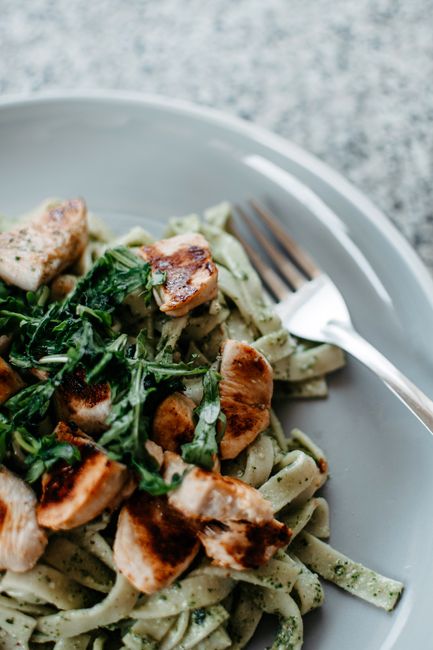
Weeknight Chicken Florentine Pasta: A Quick, Healthy, and Delicious Dinner Solution
Weeknight dinners demand efficiency without sacrificing flavor or nutrition. Chicken Florentine pasta offers a perfect solution, blending tender chicken, vibrant spinach, and a luscious, creamy sauce with your favorite pasta for a satisfying meal ready in under 30 minutes. This dish is a fantastic vehicle for incorporating lean protein and healthy greens into your family’s diet, making it a recurring favorite for busy households. The beauty of Chicken Florentine pasta lies in its versatility. While the core components remain consistent – chicken, spinach, and a creamy sauce – you can easily adapt it to suit your taste preferences and what you have on hand. This article will delve deep into creating an exceptional weeknight Chicken Florentine pasta, covering everything from ingredient selection and preparation to variations and expert tips for maximizing flavor and minimizing cooking time.
The foundation of an outstanding Chicken Florentine pasta begins with selecting high-quality ingredients. For the chicken, boneless, skinless chicken breasts or thighs are the most convenient and popular choices. Chicken breasts offer a leaner option, while thighs provide a richer, more succulent texture due to their higher fat content. Whichever you choose, ensure it’s fresh and free from excessive fat or connective tissue. When preparing the chicken, uniform pieces are crucial for even cooking. Cutting the chicken into bite-sized cubes or thin strips will ensure it cooks quickly and thoroughly without becoming dry. Seasoning is paramount. A simple yet effective seasoning blend of salt, black pepper, garlic powder, and a pinch of paprika will impart a foundational layer of flavor. For an extra zest, consider adding onion powder or a touch of dried Italian herbs.
Spinach is the "Florentine" element, and its fresh, vibrant character is essential. Baby spinach is ideal for its tender leaves and minimal prep. It wilts down beautifully in the sauce, contributing a lovely green hue and a subtle, earthy sweetness. While fresh is preferred, frozen spinach can be a viable alternative in a pinch, though it requires careful thawing and squeezing out excess moisture to prevent a watery sauce. The key is to add the spinach towards the end of the cooking process to maintain its bright color and prevent it from becoming overcooked and mushy.
The creamy sauce is what elevates Chicken Florentine pasta from good to exceptional. A classic approach involves a base of butter and garlic, sautéed until fragrant. This aromatic foundation is then typically deglazed with white wine or chicken broth, adding depth of flavor and helping to loosen any browned bits from the pan. Heavy cream or half-and-half forms the creamy backbone of the sauce, creating a rich and luxurious texture. For a lighter option, evaporated milk or a blend of milk and cornstarch can be used as substitutes for heavy cream. Flavor enhancers for the sauce are abundant. Freshly grated Parmesan cheese is a non-negotiable for its salty, nutty notes and its ability to thicken the sauce. A touch of nutmeg can add a subtle warmth and complexity, a classic pairing with spinach and creamy sauces. Lemon juice, added at the very end, provides a bright, zesty counterpoint to the richness of the cream and cheese, cutting through the decadence and refreshing the palate.
Pasta selection plays a significant role in the overall enjoyment of this dish. While almost any pasta shape will work, certain varieties lend themselves better to holding the creamy sauce and integrating with the chicken and spinach. Long pasta like fettuccine, linguine, or spaghetti are excellent choices, allowing the sauce to coat each strand beautifully. Shorter pasta shapes such as penne, rigatoni, or farfalle also work well, creating little pockets to trap the sauce and ingredients. The cooking time for the pasta is critical. It should be cooked al dente – tender but still with a slight bite. Overcooked pasta will become mushy and detract from the texture of the finished dish. Reserve some of the starchy pasta water before draining. This liquid gold is invaluable for thinning the sauce if it becomes too thick, and its starch content helps emulsify the sauce, making it smoother and more cohesive.
The cooking process for Weeknight Chicken Florentine pasta is designed for speed and simplicity. Begin by cooking the pasta according to package directions in a large pot of well-salted boiling water. While the pasta cooks, prepare the chicken. Pat the chicken dry with paper towels to ensure a good sear. Season generously with salt, pepper, garlic powder, and paprika. Heat olive oil or butter in a large skillet over medium-high heat. Add the seasoned chicken in a single layer, being careful not to overcrowd the pan, which can lead to steaming rather than searing. Cook for 3-4 minutes per side, until golden brown and cooked through. Remove the chicken from the skillet and set aside on a plate.
In the same skillet, reduce the heat to medium. Add a tablespoon of butter. Once melted, add minced garlic and sauté for about 30 seconds until fragrant, being careful not to burn it. If using white wine, pour in about 1/4 cup and scrape up any browned bits from the bottom of the pan. Let the wine simmer and reduce by half. If not using wine, proceed directly to adding chicken broth. Add about 1/2 cup of chicken broth and bring to a simmer. Gradually whisk in 1/2 cup to 1 cup of heavy cream or half-and-half, depending on desired richness. Bring the sauce to a gentle simmer and cook for 2-3 minutes, allowing it to thicken slightly. Stir in about 1/4 cup of grated Parmesan cheese until melted and the sauce is smooth. Season the sauce with salt, pepper, and a pinch of nutmeg if desired.
Now, it’s time to incorporate the spinach. Add about 4-6 ounces of fresh baby spinach to the skillet. Stir gently until the spinach wilts, which will only take a minute or two. The residual heat of the sauce will be sufficient. Return the cooked chicken to the skillet and stir to coat it in the sauce. If the sauce is too thick, add a splash of the reserved pasta water until it reaches your desired consistency. Finally, squeeze in a tablespoon of fresh lemon juice for brightness. Taste and adjust seasonings as needed. Toss the drained pasta directly into the skillet with the chicken and sauce. Ensure all the pasta is well coated. Serve immediately, garnished with extra Parmesan cheese and perhaps some fresh parsley.
For those seeking to optimize this dish for even quicker preparation or to adapt it to specific dietary needs, several variations are worth exploring. A popular shortcut involves using pre-cooked rotisserie chicken. Simply shred or dice the rotisserie chicken and add it to the sauce during the last few minutes of cooking, just to heat through. This eliminates the need to cook chicken from scratch, saving significant time. Another time-saving tip is to pre-chop vegetables like onions or shallots. While not traditional to Florentine, a sautéed shallot or a pinch of onion powder can add another layer of savory depth.
When it comes to dietary modifications, this dish is remarkably adaptable. For a dairy-free version, cashew cream or unsweetened coconut milk can be used as a substitute for heavy cream. Nutritional yeast can be added to mimic the cheesy flavor of Parmesan. Ensure the pasta used is gluten-free if necessary. For a lighter sauce, reduce the amount of cream and rely more on chicken broth and a cornstarch slurry for thickening. Adding extra vegetables like sautéed mushrooms, sun-dried tomatoes, or even peas can boost the nutritional profile and visual appeal of the dish.
The key to achieving a restaurant-quality Chicken Florentine pasta at home lies in understanding a few fundamental cooking techniques. First, the importance of searing the chicken cannot be overstated. This process creates a flavorful crust and locks in moisture, preventing the chicken from becoming dry and bland. Don’t overcrowd the pan; allow each piece of chicken adequate space for proper browning. Second, the development of flavor in the sauce is sequential. Sautéing the garlic in butter or oil releases its aromatic compounds, which then infuse the deglazing liquid and ultimately the creamy base. Don’t rush this step. Third, using reserved pasta water is a professional secret for achieving a perfectly emulsified and glossy sauce. It’s the starch in the water that binds the fat and liquid, creating a cohesive and appealing texture.
To further enhance the flavor profile of your Weeknight Chicken Florentine pasta, consider incorporating fresh herbs. Freshly chopped parsley or chives, stirred in at the end, add a burst of freshness and color. A sprinkle of red pepper flakes can provide a subtle hint of heat for those who enjoy a little spice. For a richer, more decadent sauce, consider adding a tablespoon of mascarpone cheese along with the Parmesan.
In terms of SEO, the keywords "weeknight chicken florentine pasta," "quick chicken pasta recipe," "easy chicken spinach pasta," "creamy chicken florentine," and "healthy weeknight dinner" are crucial for attracting readers searching for this specific dish. The article’s structure, with clear headings and a logical flow from ingredients to preparation and variations, makes it easily scannable and user-friendly for both readers and search engines. The comprehensive nature of the article, covering various aspects of the dish, ensures that it provides valuable information for a wide range of users, from novice cooks to experienced home chefs. The emphasis on speed, flavor, and health benefits directly addresses common search queries related to weeknight meals.
Storing and reheating leftovers of Chicken Florentine pasta is straightforward. Allow the pasta to cool completely before transferring it to an airtight container. It can be stored in the refrigerator for 2-3 days. When reheating, it’s best to do so gently on the stovetop over low heat, adding a splash of milk or broth to loosen the sauce and prevent it from becoming dry. Microwaving is also an option, but be sure to stir halfway through to ensure even heating. The texture of the pasta might be slightly softer upon reheating, but the flavor will remain delicious.
In conclusion, Weeknight Chicken Florentine pasta is a culinary triumph that delivers on all fronts: speed, flavor, and nutrition. By understanding the nuances of ingredient selection, preparation techniques, and the art of sauce-making, you can consistently create a delicious and satisfying meal that will become a staple in your weeknight rotation. Its adaptability and inherent health benefits make it a winner for busy families and individuals alike, proving that healthy and flavorful eating doesn’t have to be complicated or time-consuming. This recipe provides a robust framework for culinary success, allowing for personal expression and dietary adjustments while remaining true to the comforting and delicious essence of Chicken Florentine pasta.


