
Raspberry Hot Barbecue Sauce

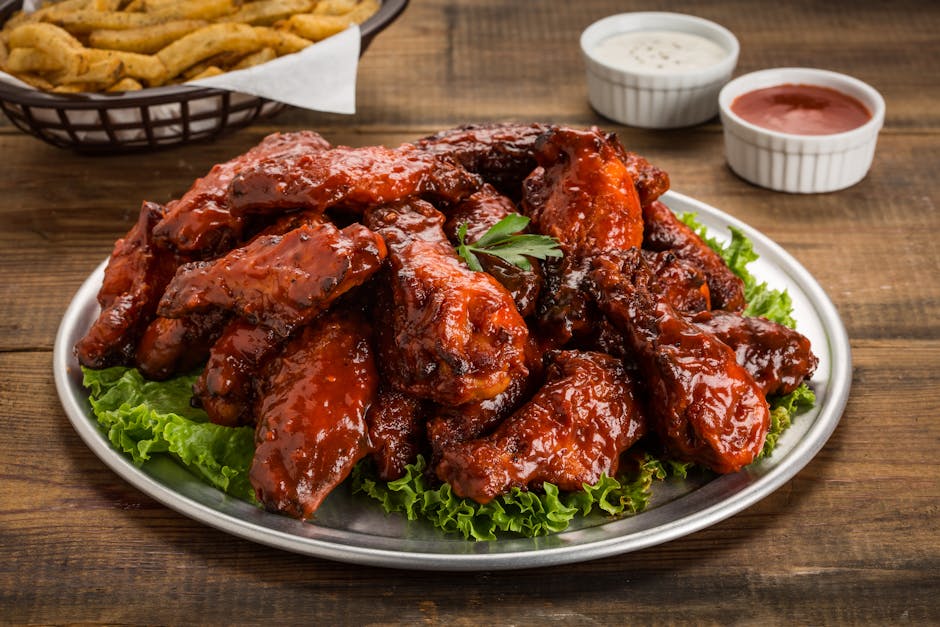
Raspberry Hot Barbecue Sauce: A Sweet & Spicy Revolution for Your Grill
Raspberry hot barbecue sauce represents a sophisticated and exciting evolution in the world of BBQ. Moving beyond the predictable molasses and vinegar bases, this unique condiment harnesses the vibrant tang of raspberries, seamlessly blending them with the fiery kick of chilies to create a flavor profile that is both complex and irresistibly addictive. Its versatility extends far beyond traditional pork ribs and pulled pork, offering a delightful counterpoint to grilled chicken, salmon, and even vegetarian options like grilled halloumi or portobello mushrooms. The inherent sweetness of ripe raspberries naturally caramelizes on the grill, developing a beautiful char while simultaneously providing a cooling sweetness to temper the heat. This article delves into the intricacies of raspberry hot barbecue sauce, exploring its flavor components, creation process, ideal pairings, and the distinct advantages it offers to home cooks and barbecue enthusiasts alike.
The foundation of any exceptional barbecue sauce lies in its flavor architecture, and raspberry hot barbecue sauce excels in its balanced interplay of sweet, tart, and spicy elements. The tartness of raspberries, often amplified by a touch of vinegar, cuts through the richness of grilled meats, preventing palate fatigue. This inherent acidity also helps to tenderize proteins during the marinating or glazing process. When selecting raspberries for a sauce, fresh or high-quality frozen berries are paramount. The depth of flavor in the raspberries will directly translate to the final sauce. Consider the natural sugars present in ripe raspberries, which contribute to the sauce’s sweetness without the need for excessive added sugar, a common pitfall in many commercial barbecue sauces. This natural sweetness also aids in caramelization during cooking, creating those coveted crispy, caramelized edges on your grilled fare.
The "hot" component of raspberry hot barbecue sauce is where personalization and controlled intensity come into play. A wide spectrum of chilies can be employed, each contributing a unique flavor and heat profile. For a fruity heat that complements the raspberries, consider using chilies like jalapeños, serranos, or even habaneros for a more adventurous palate. Chipotle peppers, with their inherent smokiness, can add another layer of complexity, bridging the gap between the fruitiness of the raspberry and the savory notes of barbecue. The preparation of the chilies is also crucial. Roasting or grilling chilies before incorporating them into the sauce can deepen their flavor and reduce their raw, vegetal notes. This process unlocks their natural sweetness and introduces a subtle smokiness that harmonizes beautifully with the berry and chili base. Alternatively, using chili powders or flakes offers a more consistent and controllable heat, allowing for precise adjustments to the desired spice level. The key is to achieve a heat that enhances, rather than overwhelms, the delicate raspberry notes.
The creation of raspberry hot barbecue sauce typically involves a simmering process where the ingredients meld and develop. A typical recipe might begin with sautéed aromatics like onions and garlic, forming a savory base. This is followed by the addition of raspberries (fresh or puréed), vinegar (apple cider vinegar is a popular choice for its balance of sweetness and acidity), a sweetener (honey, brown sugar, or maple syrup, in moderation to allow the raspberry flavor to shine), chili elements (fresh, dried, or powdered), and a touch of liquid smoke or Worcestershire sauce for added depth and umami. Spices such as paprika, cumin, and black pepper are often incorporated to further enhance the complexity. The sauce is then simmered gently, allowing the flavors to meld and the sauce to thicken to a desirable consistency. Straining the sauce after simmering is an optional but recommended step for a smoother, more refined texture, especially if whole raspberries or chili pieces were used. The resulting consistency should be thick enough to coat the back of a spoon but still pourable for easy application.
The versatility of raspberry hot barbecue sauce is a significant advantage, making it a valuable addition to any culinary repertoire. Its sweet and spicy profile makes it an excellent glaze for grilled or roasted meats. For pork ribs, it offers a delightful alternative to traditional sticky sweet sauces, providing a welcome tang that cuts through the richness of the pork. When brushed onto chicken wings during the last few minutes of grilling or baking, it creates a sticky, flavorful coating with a perfect balance of sweet heat. Salmon, with its natural richness, also benefits from the bright acidity and subtle heat of raspberry barbecue sauce, preventing it from becoming too cloying. The sauce can be used as a marinade, infusing the protein with its distinct flavor profile before cooking. For a bolder flavor, the sauce can be reduced further to create a thicker, more concentrated glaze.
Beyond meat, raspberry hot barbecue sauce shines in its ability to elevate vegetarian and vegan dishes. Grilled halloumi cheese, with its squeaky texture and salty flavor, is transformed by a generous application of this sauce, creating a sweet and spicy counterpoint. Portobello mushrooms, when grilled and brushed with the sauce, develop a succulent, meaty texture and a deep, savory-sweet flavor. Even simple grilled vegetables like bell peppers, onions, and zucchini can be given a gourmet touch with a drizzle of this vibrant sauce. For a unique appetizer, consider using it as a dipping sauce for spring rolls, samosas, or even as a topping for loaded sweet potato fries. The bright, fruity notes can also be surprisingly effective in less conventional applications, such as a drizzle over a cheese board or as a component in a salad dressing.
The growing popularity of artisanal and craft barbecue sauces has paved the way for innovative flavor combinations like raspberry hot barbecue sauce. Consumers are increasingly seeking out unique and nuanced flavor experiences, moving away from mass-produced, overly sweet options. This demand for distinct taste profiles makes raspberry hot barbecue sauce a compelling choice for both home cooks looking to impress and food producers aiming to differentiate themselves in a crowded market. The visual appeal of the sauce, with its attractive pinkish-red hue derived from the raspberries, also contributes to its marketability. This vibrant color is indicative of the fresh ingredients and the exciting flavor journey that awaits.
When considering the SEO-friendly aspects of this topic, several keywords and phrases are crucial for attracting relevant search traffic. "Raspberry barbecue sauce," "hot raspberry sauce," "spicy raspberry BBQ," "sweet and spicy barbecue sauce," "fruit barbecue sauce," "homemade barbecue sauce recipes," "grilling with raspberry sauce," "best BBQ glaze," and "unique barbecue sauce flavors" are all terms that potential readers might use when searching for information about this culinary creation. Highlighting the "sweet and spicy" combination is particularly effective, as it directly addresses a popular flavor preference. The emphasis on "homemade" also appeals to a significant segment of the online cooking community.
The process of developing a successful raspberry hot barbecue sauce recipe requires attention to detail and a willingness to experiment. Balancing the sweetness of the raspberries and any added sweeteners with the acidity of vinegar and the heat of the chilies is the primary challenge. A good starting point for sweetness might be a 2:1 ratio of raspberries to sweetener, but this will vary depending on the natural sweetness of the berries and the desired final sweetness. Similarly, the heat level can be adjusted by the type and quantity of chilies used. It is always advisable to start with a smaller amount of chili and gradually increase it to achieve the desired intensity. The use of complementary spices is also key. Smoked paprika adds a smoky depth that pairs well with both the raspberries and the chilies. Cumin offers an earthy warmth, and a pinch of black pepper provides a subtle bite.
Beyond the core ingredients, there are several enhancements that can elevate a raspberry hot barbecue sauce. A splash of bourbon or dark rum can add a sophisticated depth of flavor and a slight caramelization during cooking. A touch of soy sauce or fish sauce can introduce umami without making the sauce overtly savory. For an extra layer of tang, consider adding a small amount of lime juice or a dash of hot sauce like Sriracha or Tabasco. The texture can also be modified through the straining process. A fully strained sauce offers a smooth, emulsified consistency, while leaving some pulp can provide a more rustic, homemade feel. The storage of raspberry hot barbecue sauce is also a practical consideration. Once cooled, it can be stored in an airtight container in the refrigerator for up to two weeks. For longer storage, freezing the sauce in ice cube trays for easy portioning is an excellent option.
The marketing of raspberry hot barbecue sauce as a premium or gourmet product is also a significant trend. The vibrant color, the sophisticated flavor profile, and the perceived artisanal nature lend themselves well to premium branding. Packaging that emphasizes fresh ingredients and unique flavor combinations can attract a discerning consumer base. The narrative around the sauce can focus on its versatility, its ability to elevate everyday meals, and its departure from traditional barbecue sauce expectations. This positions it not just as a condiment, but as an ingredient that can inspire culinary creativity.
In conclusion, raspberry hot barbecue sauce is more than just a novelty; it is a testament to the evolving landscape of flavor in barbecue. Its harmonious blend of sweet, tart, and spicy notes offers a unique and versatile profile that can enhance a wide range of dishes. From the backyard grill to the gourmet kitchen, this innovative sauce provides a delightful and memorable culinary experience, proving that the best barbecue can indeed be found where fruit meets fire. The thoughtful selection of ingredients, precise execution of the cooking process, and creative application are key to unlocking the full potential of this exciting barbecue condiment, ensuring its place as a staple for adventurous cooks and discerning palates alike. Its inherent visual appeal and the growing demand for unique flavor profiles further solidify its position as a rising star in the world of barbecue.


