
Mexican Fiesta Pasta Salad

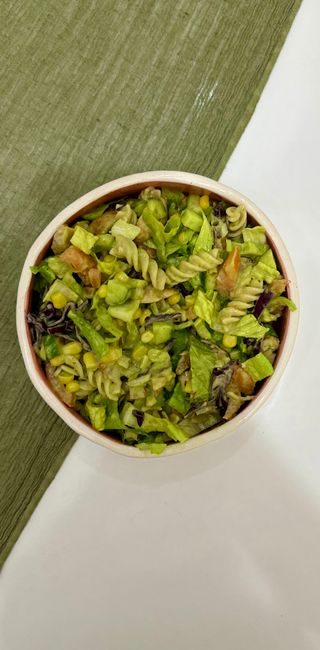
Mexican Fiesta Pasta Salad: A Vibrant and Flavorful Culinary Staple
Mexican Fiesta Pasta Salad is more than just a side dish; it’s a celebration on a plate. This versatile and incredibly flavorful dish artfully combines tender pasta, crisp vegetables, savory protein, and a zesty, creamy dressing with a distinct Mexican-inspired flair. Its appeal lies in its adaptability, allowing for endless variations to suit individual preferences and dietary needs, while always delivering a satisfying punch of taste and texture. The bright colors, from the deep reds of tomatoes and bell peppers to the vibrant greens of cilantro and avocado, make it a visually stunning addition to any table, from casual backyard barbecues to more formal potlucks. Its robust flavors, often featuring a subtle heat from jalapeños and the tang of lime, make it a compelling choice that stands out from traditional pasta salads. The foundation of this dish is typically a sturdy pasta shape, such as rotini, farfalle, or penne, which holds up well to the assortment of ingredients and the dressing. This allows for maximum flavor absorption, ensuring every bite is a delightful medley of tastes. The Mexican influence is what truly elevates this pasta salad, infusing it with the vibrant and complex flavors characteristic of Mexican cuisine. Think of the smokiness of chipotle, the brightness of fresh cilantro, the creamy richness of avocado, and the subtle kick of chili peppers. These elements are expertly woven together to create a harmonious and unforgettable culinary experience.
The core components of a classic Mexican Fiesta Pasta Salad typically include a base of cooked pasta, a variety of chopped fresh vegetables, a protein source, and a dressing that ties all the flavors together. For the pasta, rotini, with its spirals, is a popular choice as it effectively traps the dressing and smaller ingredients. Farfalle, or bow-tie pasta, offers a pleasing textural contrast, while penne, with its tubular shape, also serves as an excellent vessel for dressing. The cooking of the pasta is crucial; it should be al dente – tender but still with a slight bite – to prevent the salad from becoming mushy. Overcooked pasta will compromise the structural integrity of the salad and diminish the overall eating experience. The vegetables are where the "fiesta" truly begins. Common additions include: diced tomatoes, providing sweetness and acidity; finely chopped red onion, offering a pungent bite; diced bell peppers, such as red, yellow, or orange, for color and a mild sweetness; corn, whether fresh, frozen, or canned, adding a pop of sweetness and texture; and black beans or pinto beans, lending earthiness and protein. The inclusion of jalapeño, finely minced, is often the key to that signature Mexican kick, though its presence can be adjusted or omitted for those sensitive to spice. Fresh cilantro is indispensable, its bright, herbaceous notes cutting through the richness of the dressing and other ingredients, offering a refreshing counterpoint. For a creamy element and added richness, avocado, diced or mashed, is a highly recommended addition. Its smooth texture and mild flavor complement the other ingredients beautifully. The protein component can vary widely, making this salad incredibly versatile. Grilled chicken, shredded carnitas, seasoned ground beef, or even seasoned tofu are excellent options. For a vegetarian or vegan version, the beans provide ample protein, and the addition of plant-based chicken or beef crumbles can further enhance it.
The dressing is the unifying force behind the Mexican Fiesta Pasta Salad, and its creation is as important as selecting the perfect ingredients. A traditional approach often involves a creamy base, with mayonnaise or sour cream as a starting point. However, to achieve that authentic Mexican flavor profile, these are often enhanced with lime juice, providing a bright, acidic counterpoint to the richness. Cumin, chili powder, and a pinch of garlic powder are essential spices that impart the characteristic warmth and depth of Mexican cuisine. Smoked paprika can add a subtle smoky undertone, reminiscent of chipotle peppers. For a spicier kick, a touch of hot sauce or adobo sauce from a can of chipotle peppers can be incorporated. A common and highly effective dressing recipe might involve combining mayonnaise and sour cream in equal parts, then whisking in the juice of one to two limes, a generous tablespoon of chili powder, a teaspoon of cumin, half a teaspoon of garlic powder, and salt and pepper to taste. For those who prefer a lighter dressing, Greek yogurt can be substituted for some or all of the mayonnaise and sour cream, offering a tangier and lower-fat alternative. A vinaigrette-based dressing, while less common for a "fiesta" style salad, could also be adapted with lime juice, olive oil, cilantro, and a touch of chili. The key is balance: the dressing should be flavorful enough to coat and enhance the pasta and vegetables without overwhelming them. The acidity of the lime juice is crucial for cutting through the richness of the mayonnaise or sour cream and the other savory components. It also helps to brighten all the flavors.
Customization is a hallmark of a truly great Mexican Fiesta Pasta Salad. The beauty of this dish lies in its inherent flexibility, allowing it to be adapted to a wide array of tastes, dietary restrictions, and available ingredients. For those seeking a vegetarian or vegan option, the omission of meat is straightforward. The substantial protein from black beans, pinto beans, or kidney beans, combined with the hearty pasta and vegetables, creates a filling and satisfying meal. Adding seasoned tofu, tempeh, or plant-based meat crumbles can further enhance the protein content and textural variety. For a vegan dressing, a combination of vegan mayonnaise and a plant-based yogurt (like coconut or soy) can be used, ensuring all the signature flavors are retained. Gluten-free eaters can easily adapt this salad by opting for gluten-free pasta varieties, such as those made from corn, rice, or quinoa. These are now widely available and perform admirably in pasta salads. Low-carb or keto enthusiasts might consider using a vegetable base instead of pasta, such as spiralized zucchini or spaghetti squash, or exploring shirataki noodles, which offer a pasta-like texture with minimal carbohydrates. The spice level can be meticulously controlled. For a milder salad, the seeds and membranes of the jalapeño can be removed, or it can be omitted entirely. Conversely, for those who crave more heat, additional jalapeños, a spicier chili pepper like serrano, or a more potent hot sauce can be incorporated into the dressing. The inclusion of other vegetables can also add to the diversity. Roasted corn, for instance, offers a deeper, sweeter flavor than fresh or canned. Diced red and yellow bell peppers provide sweetness and color, while finely shredded cabbage can introduce a delightful crunch. Olives, both black and green, add a briny element that complements the other flavors. A sprinkle of cotija cheese, a salty, crumbly Mexican cheese, is a delightful finishing touch for those who consume dairy. For a dairy-free alternative, a sprinkle of nutritional yeast can offer a cheesy, umami flavor. The possibilities are truly extensive, making this salad a perfect canvas for culinary creativity.
The optimal preparation and serving of Mexican Fiesta Pasta Salad involve a few key considerations to ensure maximum enjoyment. After all ingredients have been chopped and cooked, the pasta should be thoroughly drained and rinsed with cold water. This stops the cooking process and prevents the pasta from clumping together. It’s crucial to allow the pasta to cool significantly before combining it with the dressing and other ingredients. Warm pasta will absorb the dressing differently, potentially leading to a less cohesive salad and a mushier texture. Once the pasta has cooled, it’s time to assemble the salad. In a large mixing bowl, combine the cooled pasta, all the chopped vegetables, beans, and any protein. Gently toss these ingredients together to distribute them evenly. Then, add the dressing. Start with about two-thirds of the dressing and toss gently to coat all the ingredients. Taste the salad at this point. If it seems a little dry or if the flavors need to be intensified, gradually add the remaining dressing until the desired consistency and flavor profile are achieved. Over-dressing can make the salad greasy, while under-dressing can leave it bland. Once dressed, the salad benefits significantly from a chilling period. Cover the bowl tightly with plastic wrap or transfer the salad to an airtight container and refrigerate for at least 30 minutes, and ideally for an hour or two. This chilling time allows the flavors to meld and deepen, creating a more harmonious and complex taste. It also ensures the salad is served at a refreshing temperature, which is particularly important for a pasta salad. When serving, the salad can be presented directly from the bowl, or individual portions can be plated. Garnishes can elevate the visual appeal and add a final burst of flavor. A sprinkle of fresh cilantro, a dollop of sour cream or Greek yogurt, a few slices of avocado, or even a scattering of tortilla chips for added crunch are all excellent options. For a larger gathering, the salad can be presented in a decorative serving bowl.
The SEO potential of "Mexican Fiesta Pasta Salad" is substantial, primarily due to the strong search volume associated with "pasta salad" and "Mexican food" as broad categories. The keyword "Mexican Fiesta Pasta Salad" itself is a long-tail keyword that targets a very specific and interested audience. Users searching for this term are likely looking for recipes, ingredient ideas, or variations of this particular dish. Optimizing content around this keyword involves naturally integrating it into headings, subheadings, image alt text, and the body of the article. Beyond the primary keyword, related search terms that contribute to SEO include: "easy pasta salad recipes," "cold pasta salad with Mexican flavors," "corn and black bean pasta salad," "cilantro lime pasta salad," "creamy pasta salad recipe," "party pasta salad," "potluck pasta salad ideas," and "vegetarian pasta salad with a kick." Utilizing these related keywords throughout the article, in a contextually relevant manner, will broaden the search net and attract a wider audience. The inclusion of ingredient names like "rotini," "jalapeño," "avocado," "cilantro," "lime," "black beans," and "corn" also helps to capture searches related to specific components of the salad. For instance, someone searching for "avocado pasta salad recipe" might stumble upon this article if the content is well-optimized for that ingredient. Furthermore, focusing on the "health aspects" and "dietary adaptations" can attract users interested in healthier versions. Keywords like "low-carb pasta salad," "vegan Mexican pasta salad," "gluten-free pasta salad," and "healthy pasta salad" are increasingly popular. Providing clear, concise recipes and actionable tips for customization directly addresses user intent, leading to higher engagement and potentially longer dwell times on the page, which are favorable SEO signals. The inherent versatility of the dish means that content can be structured to answer various user queries, from simple recipe requests to more nuanced questions about flavor pairings and ingredient substitutions. High-quality images of the finished dish, with descriptive alt text incorporating keywords, are also crucial for visual search and overall appeal. The article’s comprehensive nature, covering ingredients, dressing, customization, and serving suggestions, ensures it serves as a valuable resource, encouraging shares and backlinks, which are vital for SEO authority. The explicit focus on the "fiesta" element, evoking a sense of celebration and vibrant flavors, also taps into an emotional search intent.
The nutritional profile of Mexican Fiesta Pasta Salad is as varied as its ingredients, but it generally offers a good balance of macronutrients when prepared thoughtfully. The pasta, being a carbohydrate source, provides essential energy. Whole wheat pasta or alternatives made from legumes can significantly increase the fiber content, contributing to satiety and digestive health. Protein is often derived from beans, chicken, or other meat additions, playing a crucial role in muscle repair and growth. Beans are particularly noteworthy for their high fiber and protein content, making them a powerhouse ingredient for vegetarian and vegan versions. Healthy fats are primarily contributed by ingredients like avocado and the oil used in the dressing. Avocados are rich in monounsaturated fats, which are beneficial for heart health. The vegetables, a cornerstone of this salad, provide a wealth of vitamins, minerals, and antioxidants. Tomatoes offer lycopene, while bell peppers are packed with vitamin C. Corn contributes some fiber and B vitamins. The dressing, depending on its base, can vary significantly in its nutritional contribution. Mayonnaise-based dressings, while flavorful, can be high in saturated fat and calories. Opting for a lighter base like Greek yogurt or using a vinaigrette can reduce fat and calorie content while still delivering on taste. The sodium content can also be a consideration, especially if processed meats or canned ingredients are used. Rinsing canned beans thoroughly and using low-sodium seasonings can help to manage sodium levels. Overall, a well-balanced Mexican Fiesta Pasta Salad can be a nutritious and satisfying meal or side dish, offering a complex array of nutrients and flavors. The ability to customize allows individuals to tailor the salad to their specific dietary needs and health goals, making it an exceptionally adaptable and beneficial culinary choice.
The cultural significance of pasta salads, in general, often relates to their role as accessible, crowd-pleasing dishes for gatherings and potlucks. However, the "Mexican Fiesta" aspect imbues this particular salad with a distinct cultural resonance. It taps into the vibrant and celebratory spirit of Mexican cuisine, known for its bold flavors, colorful presentations, and communal dining traditions. The incorporation of ingredients like corn, beans, cilantro, lime, and chili peppers directly links it to staple Mexican culinary elements. While pasta itself is not indigenous to Mexico, its adoption and integration into various culinary traditions worldwide are a testament to its adaptability. In the context of a "fiesta," this salad serves as a bridge between a beloved international comfort food and the lively, distinctive flavors of Mexico. It represents a fusion, a modern interpretation that honors traditional Mexican taste profiles while embracing the convenience and widespread appeal of pasta salad. This fusion creates a dish that is both familiar and exciting, appealing to a broad audience. It can be seen as a reflection of globalization and the creative ways in which different culinary traditions interact and evolve. The "fiesta" in its name signifies a celebration, and this salad embodies that sentiment by bringing together a diverse array of ingredients that create a harmonious and joyful eating experience. It’s a dish that encourages sharing, conversation, and enjoyment, mirroring the spirit of a true Mexican fiesta. Its popularity in casual settings like barbecues and picnics further solidifies its role as a dish that fosters community and good times. The inherent visual appeal, with its riot of colors, further enhances its celebratory nature, making it a focal point on any buffet table and a symbol of festive gatherings.


