
Peanut Butter Spider Cookies

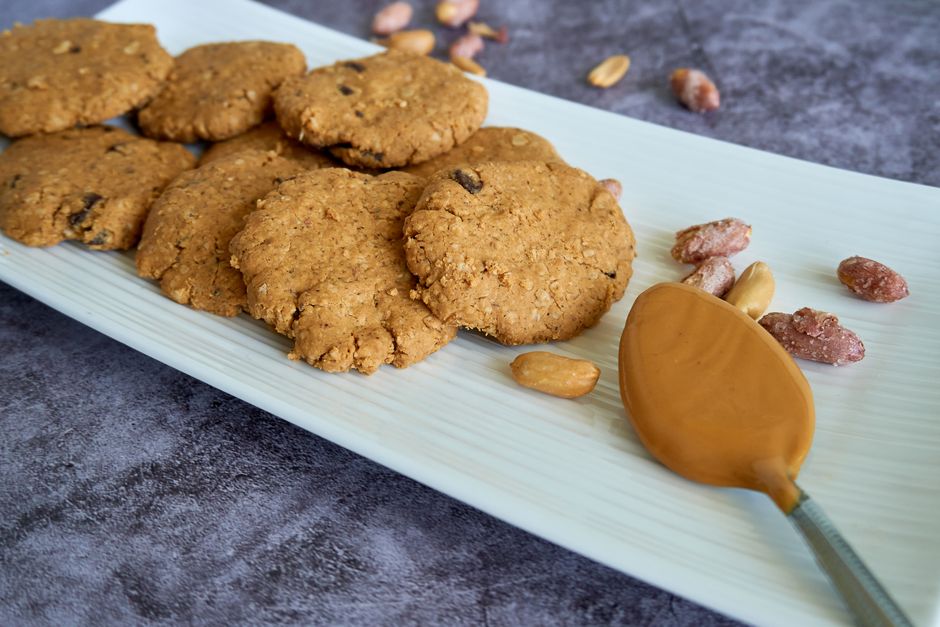
Peanut Butter Spider Cookies: A Halloween Baking Essential
Peanut butter spider cookies are a classic Halloween treat, beloved for their simple yet effective design and delicious flavor. These cookies offer a perfect combination of chewy peanut butter and a spooky visual appeal, making them a hit with both children and adults during the fall season. The foundation of these cookies lies in a robust peanut butter cookie dough, typically featuring a balance of softened butter, creamy peanut butter, granulated sugar, brown sugar, eggs, vanilla extract, and all-purpose flour. The creaming of the butter and sugars is a crucial step, incorporating air that contributes to the cookie’s texture. Peanut butter adds not only flavor but also contributes to the cookie’s dense and chewy character. The type of peanut butter used can influence the final taste and texture; smooth or crunchy both yield good results, with crunchy adding a textural contrast. Vanilla extract is essential for enhancing the overall flavor profile, and a touch of baking soda provides leavening for a slight lift without making the cookies too cakey. Salt is also a vital ingredient, balancing the sweetness and bringing out the nutty notes of the peanut butter. The dough is usually chilled to prevent excessive spreading during baking, ensuring the cookies maintain their shape and thickness.
The "spider" element is what truly elevates these cookies into a Halloween masterpiece. This is achieved through a combination of pretzel sticks and candy eyes. For the pretzel legs, pretzel sticks are the standard choice. These are typically broken or cut into appropriate lengths to mimic spider legs. The number of legs can vary, but six or eight are commonly used for a more authentic arachnid appearance. The placement of these pretzel sticks is key; they are usually inserted into the dough before baking, allowing them to become firmly embedded and integrated into the cookie. Some bakers prefer to insert them halfway through the baking process to prevent them from burning too much, though this requires careful monitoring. The candy eyes are typically small, round white candies with black dots, readily available in most baking or candy aisles during Halloween. These are usually placed near the center of the cookie after baking, adhering to the warm surface or with a dab of melted chocolate or royal icing. The contrast between the brown cookie, the pretzel legs, and the white and black eyes creates a striking and recognizable spider image.
The process of making peanut butter spider cookies is generally straightforward and beginner-friendly, making it an ideal activity for families to enjoy together during the Halloween season. The initial step involves creaming together the softened butter and both granulated and brown sugars in a large mixing bowl until the mixture is light and fluffy. This process incorporates air into the dough, which is vital for achieving a tender cookie texture. Next, the peanut butter is added and beaten until well combined. Following this, eggs and vanilla extract are incorporated, one at a time, beating well after each addition. In a separate bowl, the dry ingredients – all-purpose flour, baking soda, and salt – are whisked together. Gradually, the dry ingredients are added to the wet ingredients, mixing on low speed until just combined. Overmixing can lead to tough cookies, so it’s important to stop as soon as the flour streaks disappear.
Once the dough is prepared, it’s crucial to chill it. Wrapping the dough in plastic wrap and refrigerating it for at least 30 minutes to an hour firms up the butter, which prevents the cookies from spreading too thinly during baking. This chilling step also makes the dough easier to handle and shape. After chilling, the dough is typically rolled into small balls, about 1 to 1.5 inches in diameter, and placed on a baking sheet lined with parchment paper. Parchment paper is essential to prevent sticking and ensure easy cleanup. When placing the dough balls, it’s important to leave adequate space between them, as the cookies will spread during baking.
The "spider" construction begins before baking. For each cookie, three to four pretzel sticks are broken into segments of roughly equal length – enough to create six to eight "legs." These pretzel segments are then gently pressed into the sides of each dough ball, radiating outwards to resemble spider legs. Some bakers prefer to insert them at an angle, while others opt for a more horizontal placement. The key is to ensure they are firmly embedded in the dough so they don’t detach during baking or handling. After the pretzel legs are in place, the cookies are ready for baking.
Baking time and temperature are critical for achieving the perfect peanut butter cookie. Typically, these cookies are baked in a preheated oven at around 350°F (175°C) for 10 to 12 minutes. The exact baking time will depend on the size of the cookies and the individual oven. The cookies are done when the edges are lightly golden brown, and the centers appear set but still slightly soft. It’s important not to overbake them, as this can result in dry and crumbly cookies.
Once the cookies are removed from the oven, they should be allowed to cool on the baking sheet for a few minutes before being transferred to a wire rack to cool completely. This cooling period allows the cookies to firm up further. While the cookies are still warm from the oven, but not hot, is the ideal time to add the candy eyes. The residual heat from the cookie will help the eyes adhere. If the cookies have cooled completely, a small dab of melted chocolate or royal icing can be used as "glue" to attach the candy eyes. Placing two candy eyes on the front portion of the cookie, just above where the "face" would be, completes the spider illusion.
The flavor profile of peanut butter spider cookies is undeniably appealing. The rich, nutty taste of peanut butter is the dominant characteristic, enhanced by the sweetness of the sugars and the subtle warmth of vanilla. The texture is a delightful balance of chewiness in the center and a slight crispness on the edges. The pretzel legs add a contrasting salty and slightly crunchy element, while the candy eyes provide a touch of sweetness and a visual accent. This combination of flavors and textures makes them highly addictive and satisfying.
Variations on the classic peanut butter spider cookie exist, allowing for customization and catering to different preferences. For a richer, more intense peanut butter flavor, some bakers opt for a combination of creamy and crunchy peanut butter, or even use natural peanut butter for a more pronounced nuttiness. The addition of chocolate chips to the dough can create a peanut butter chocolate spider cookie, adding another layer of flavor. For those with a gluten intolerance, gluten-free flour blends can be substituted to create a celiac-friendly version. Similarly, egg-free recipes can be developed using egg replacers for those with allergies.
The visual appeal of peanut butter spider cookies is a significant part of their charm, especially for Halloween. The simple yet effective design evokes a sense of playful spookiness. The arrangement of pretzel legs and candy eyes creates an immediate recognition of a spider, making them a festive addition to any Halloween party spread. They are also an excellent choice for bake sales, school events, or as a homemade treat to hand out to trick-or-treaters. Their relatively small size makes them easy to package and transport.
The SEO (Search Engine Optimization) value of "peanut butter spider cookies" is quite high, particularly during the autumn months leading up to Halloween. Keywords such as "Halloween cookies," "peanut butter recipes," "easy Halloween treats," "spider cookies," "kid-friendly baking," and "fall baking ideas" are all closely related and can drive traffic to content featuring these cookies. The comprehensive nature of a recipe and its detailed instructions also contribute to its discoverability, as users often search for step-by-step guides when planning their baking endeavors. The inclusion of common baking terms and ingredient names throughout the article further enhances its SEO performance by matching user search queries.
Beyond the immediate enjoyment, peanut butter spider cookies offer a valuable opportunity for culinary education and skill-building. For children, participating in the baking process helps develop fine motor skills, as they learn to roll dough, press ingredients, and decorate. It also fosters an understanding of basic baking principles, such as measuring ingredients and the role of different components in a recipe. The element of fun associated with the Halloween theme makes the learning process enjoyable and memorable. For novice bakers, the simplicity of the recipe provides a confidence-building experience, proving that delicious and visually appealing treats can be achieved with relatively straightforward methods.
The storage of peanut butter spider cookies is also relatively uncomplicated. Once completely cooled, they can be stored in an airtight container at room temperature for several days. If longer storage is desired, they can be frozen, either individually wrapped or stacked with parchment paper in between, for up to a few months. When ready to consume, frozen cookies can be thawed at room temperature. This makes them an excellent make-ahead treat for busy holiday schedules.
The cultural significance of peanut butter spider cookies within Halloween traditions cannot be overstated. They have become a nostalgic staple for many, bringing back memories of childhood Halloweens, school parties, and family baking sessions. Their widespread popularity is a testament to their enduring appeal and their ability to capture the spirit of the holiday. They represent a comforting and familiar element in the often elaborate and sometimes spooky landscape of Halloween celebrations.
In conclusion, peanut butter spider cookies are more than just a confection; they are a symbol of Halloween fun, a gateway to creative baking, and a source of shared joy. Their straightforward recipe, delicious flavor, and iconic visual design make them an indispensable part of the Halloween baking repertoire. The ease with which they can be made, customized, and enjoyed ensures their continued popularity for generations to come. Their SEO relevance during the Halloween season solidifies their place as a highly sought-after recipe for home bakers seeking to add a touch of festive magic to their celebrations. The combination of wholesome peanut butter flavor and playful spooky decoration creates a treat that is both satisfying and memorable.


