
Bitter Melon And Black Bean Sauce Beef

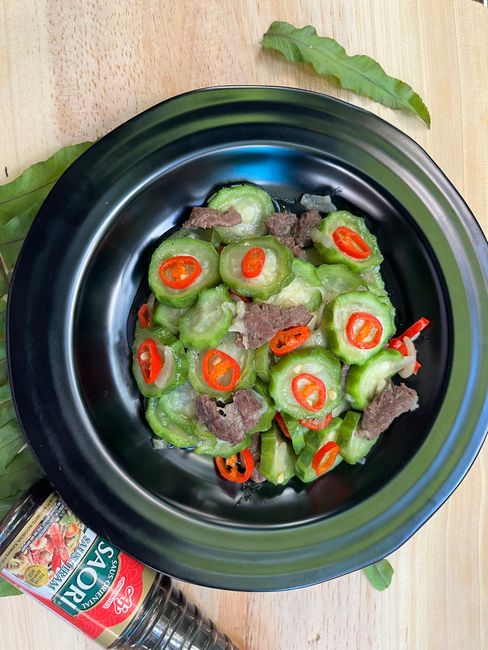
Bitter Melon and Black Bean Sauce Beef: A Flavorful Symphony of Contrasts
Bitter melon, scientifically known as Momordica charantia, is a distinctive vegetable celebrated for its intensely bitter flavor and numerous purported health benefits. This spiky, elongated gourd, often green or yellow when ripe, is a staple in various Asian cuisines, particularly Chinese, Indian, and Southeast Asian dishes. Its unique taste profile, which can be polarizing for some, is precisely what makes it so appealing to others, offering a refreshing counterpoint to rich, savory, or sweet ingredients. The bitterness is attributed to compounds like charantin, vicine, and polypeptide-p, which are believed to contribute to its hypoglycemic, antioxidant, and anti-inflammatory properties. When cooked, bitter melon softens, and its bitterness can be mitigated through various preparation techniques, such as blanching, salting, or parboiling. Its slightly crisp texture, even after cooking, adds an interesting mouthfeel to dishes. The nutrient profile of bitter melon is impressive, boasting a good source of Vitamin C, Vitamin A, folate, potassium, and dietary fiber. This makes it not only a culinary adventure but also a healthful addition to the diet. The preparation of bitter melon for cooking typically involves halving it lengthwise, scooping out the seeds and pith, and then slicing it into bite-sized pieces. Some cooks advocate for rinsing the sliced melon under cold water or soaking it in salted water for a period to draw out some of the bitterness. However, in dishes like stir-fries, a certain level of bitterness is desired to balance the other flavors. This is particularly true when it’s paired with the robust and savory notes of black bean sauce, creating a harmonious culinary experience that tantalizes the taste buds with its complexity. The ability of bitter melon to absorb flavors while retaining its own characteristic essence makes it an ideal candidate for a variety of cooking methods, including stir-frying, steaming, and stuffing. Its versatility, coupled with its health-promoting reputation, continues to solidify its place as a prized ingredient in global gastronomy.
Black bean sauce, a cornerstone of Chinese cooking, provides a deeply savory and umami-rich foundation for this dish. Unlike fresh black beans, fermented black beans (douchi) are the key ingredient. These tiny, dark, and intensely flavored beans are the result of a fermentation process involving soybeans, salt, and a starter culture. The fermentation transforms the raw beans into potent flavor bombs, releasing a complex aroma that is both pungent and slightly sweet. The process not only alters their flavor but also their texture, making them softer and more pliable. In their dried form, they possess a concentrated savory essence that is less briny than their fresh counterparts and significantly more complex. When prepared for cooking, these fermented black beans are typically rinsed to remove excess salt and then roughly chopped or mashed, releasing their aromatic oils and intense flavor. The resulting sauce is a dark, viscous liquid with a profoundly savory and salty profile, often carrying hints of garlic and a subtle fermented funk that adds depth and character. It’s the unami power of black bean sauce that allows it to stand up to and complement the assertive bitterness of the melon and the richness of the beef. The sauce acts as a binder, coating the ingredients evenly and infusing them with its signature taste. The versatility of black bean sauce extends beyond this particular dish; it’s a fundamental component in many classic Chinese stir-fries, braises, and marinades. Its ability to impart a rich, complex, and undeniably satisfying flavor makes it an indispensable ingredient in any Chinese pantry. The careful balance of saltiness, umami, and a hint of fermented depth makes black bean sauce a culinary secret weapon, elevating simple ingredients into extraordinary meals. The depth of flavor it contributes is crucial in a dish where contrasting elements are meant to harmonize.
The beef, typically a tender cut like sirloin, flank steak, or even thinly sliced brisket, serves as the protein backbone of this dish, offering richness and a satisfying chew. For optimal results in a stir-fry, the beef should be sliced thinly against the grain. This technique ensures that the muscle fibers are shorter, resulting in a more tender and enjoyable eating experience. Marinating the beef is a crucial step that not only tenderizes the meat but also infuses it with flavor, preparing it to absorb the complex notes of the sauce and bitter melon. A typical beef marinade for this dish might include soy sauce for saltiness and umami, Shaoxing wine (Chinese cooking wine) for aroma and to neutralize any gamey flavors in the beef, a touch of cornstarch to create a velvety coating that helps seal in juices during cooking and to thicken the sauce slightly, and sometimes a bit of oil to prevent sticking and ensure even cooking. Some recipes might also incorporate ginger and garlic into the marinade for an extra layer of aromatic complexity. The quality of the beef cut is important; while leaner cuts can work, those with a bit of marbling will yield a more succulent and flavorful result. The thin slicing is paramount for stir-frying, as it allows the beef to cook quickly and evenly, preventing it from becoming tough or overcooked. This rapid cooking method is essential for maintaining the texture of both the beef and the bitter melon, ensuring that neither ingredient becomes mushy. The inherent richness of the beef provides a grounding element, its savory depth acting as a perfect foil to the bright bitterness of the melon and the pungent intensity of the black bean sauce. The interaction between the tender, savory beef and the other elements is what creates the balanced and memorable flavor profile of the dish.
The synergistic interplay of these three core components – the bitter melon, the black bean sauce, and the beef – is what elevates this dish beyond a simple stir-fry into a culinary masterpiece. The bitterness of the melon, often perceived as a challenge, is masterfully tempered by the savory umami of the black bean sauce and the rich, tender beef. The bitterness acts as a palate cleanser, cutting through the richness of the meat and the intensity of the sauce, preventing the dish from becoming too heavy or one-dimensional. Conversely, the inherent sweetness and savory notes of the beef and the depth of the black bean sauce soften the sharp edges of the bitter melon, making its unique flavor more approachable and even desirable. This contrast is not about one ingredient overpowering the others, but rather about a delicate dance of opposing forces, each element contributing to a greater whole. The preparation method, typically a high-heat stir-fry, plays a vital role in achieving this balance. The rapid cooking at high temperatures sears the beef quickly, locking in its juices and creating a desirable char. It also wilts the bitter melon just enough to soften its texture while retaining a slight crispness and its characteristic flavor. The cornstarch in the marinade helps to create a glossy sauce that coats all the ingredients evenly, ensuring that every bite is a harmonious blend of textures and tastes. The aroma that emanates from the wok during this process is a testament to the powerful combination of ingredients: the pungent, earthy notes of the fermented black beans mingling with the savory scent of the seared beef and the slightly vegetal fragrance of the cooking bitter melon. This is a dish where the whole is unequivocally greater than the sum of its parts, a testament to the power of thoughtful ingredient pairing and skillful preparation.
Beyond the fundamental trio, aromatics and complementary seasonings are crucial for rounding out the flavor profile and adding further layers of complexity. Fresh ginger and garlic are almost invariably present in this type of stir-fry. Ginger, with its warming, slightly peppery, and citrusy notes, cuts through the richness and adds a vibrant freshness. It also possesses a subtle sweetness that complements both the beef and the bitter melon. Garlic, in its pungent and aromatic glory, provides a foundational savory depth that forms the backbone of many Asian stir-fries. When minced or thinly sliced and stir-fried in hot oil, it releases its volatile compounds, creating an irresistible aroma and a rich, savory flavor. The gentle caramelization of the garlic and ginger in the wok before the main ingredients are added is a key step in building the flavor base of the dish. Soy sauce, as mentioned in the beef marinade, provides salinity and umami, acting as a primary seasoning agent. However, for this dish, often a bit of light soy sauce is added during the stir-frying process to further enhance the overall savory character and to contribute to the glossy finish of the sauce. Sometimes, a touch of dark soy sauce might be incorporated for added color and a slightly richer, more molasses-like sweetness, though this is less common when the primary dark flavor comes from the black bean sauce. Shaoxing wine is essential not only for its aromatic qualities but also for its ability to tenderize the meat and to add a subtle sweetness that balances the saltiness. A small amount of sugar, often granulated or rock sugar, is frequently added to the sauce. This sugar does not make the dish overtly sweet but rather serves to round out and balance the intense bitterness of the melon and the saltiness of the black bean sauce. It softens the sharp edges of these stronger flavors, creating a more harmonious and palatable experience. A pinch of white pepper, known for its sharper, more pungent heat compared to black pepper, can also be added for a subtle kick that enhances the overall flavor without overpowering other elements. The precise combination and ratio of these aromatics and seasonings are what allow the dish to achieve its signature balance of bitter, savory, sweet, and pungent notes.
The cooking technique, primarily high-heat stir-frying in a wok, is instrumental in achieving the desired textures and flavors. A wok, with its curved shape and ability to distribute heat quickly and evenly, is the ideal vessel for stir-frying. The high heat sears the ingredients rapidly, creating a slight char on the beef and tenderizing the bitter melon while retaining a desirable al dente texture. The process begins by heating the wok to a high temperature, then adding a neutral cooking oil with a high smoke point, such as peanut, vegetable, or canola oil. The aromatics – ginger and garlic – are typically added first and stir-fried briefly until fragrant, releasing their essential oils into the hot oil. This infuses the cooking oil with their flavors, forming the flavor base of the dish. The marinated beef is then added and stir-fried quickly until it is mostly cooked through and slightly browned. It’s crucial not to overcrowd the wok, as this can lead to steaming rather than searing, resulting in less flavorful and less tender beef. If cooking a larger batch, it’s often recommended to cook the beef in batches. Once the beef is removed from the wok to prevent overcooking, the bitter melon is added. It’s stir-fried for a few minutes until it begins to soften but still retains some of its crispness. This is where some recipes advocate for a brief blanching or parboiling of the bitter melon beforehand to mitigate some of the bitterness, especially for those unaccustomed to its strong flavor. However, for a more robust flavor profile, it’s often added directly. The black bean sauce, sometimes mixed with a little water or broth and cornstarch slurry to achieve the desired consistency, is then added to the wok, along with any additional seasonings like soy sauce, Shaoxing wine, and sugar. The beef is returned to the wok, and everything is tossed together to coat evenly in the glossy sauce. The cornstarch in the marinade and potentially added to the sauce helps to thicken it, creating a luscious coating that clings to all the ingredients. The stir-frying process is typically very quick, designed to cook the ingredients thoroughly without overcooking them, preserving their individual textures and flavors. The final dish should have a beautiful sheen from the sauce, with tender, savory beef and tender-crisp bitter melon, all enveloped in a complex, umami-rich sauce.
Serving this dish hot is paramount to appreciating its complex flavor profile and textural contrasts. Bitter Melon and Black Bean Sauce Beef is traditionally served with steamed white rice, which acts as a neutral canvas, allowing the bold flavors of the main dish to shine. The fluffy, slightly sticky rice absorbs the rich sauce beautifully, providing a perfect complement to the savory and slightly bitter elements. The rice also offers a gentle sweetness and a soft texture that contrasts with the chewiness of the beef and the slight crispness of the bitter melon. Garnishes are typically kept simple to avoid detracting from the main flavors. A sprinkle of chopped scallions or cilantro can add a fresh, herbaceous note and a pop of color, enhancing the visual appeal of the dish. Some might opt for a very light dusting of toasted sesame seeds for a subtle nutty aroma and a slight textural contrast. The heat of the dish is also an important consideration; as with most stir-fries, it is best enjoyed immediately after cooking when the flavors are at their peak and the textures are optimal. The heat from the wok and the ingredients continues to meld and develop for a short period, but prolonged sitting can cause the textures to soften and the flavors to become less vibrant. The visual appeal of the dish is also noteworthy, with the deep, dark hues of the black bean sauce contrasting with the vibrant green of the bitter melon and the rich brown of the beef, punctuated by the freshness of the garnishes. This dish is more than just a meal; it’s an exploration of contrasting flavors and textures, a testament to the art of balancing strong ingredients into a harmonious and deeply satisfying culinary experience. It showcases how seemingly disparate elements can come together to create something truly remarkable, appealing to those who appreciate the depth and complexity of Asian cuisine. The careful preparation and the thoughtful combination of ingredients ensure a memorable and flavorful journey for the palate.


