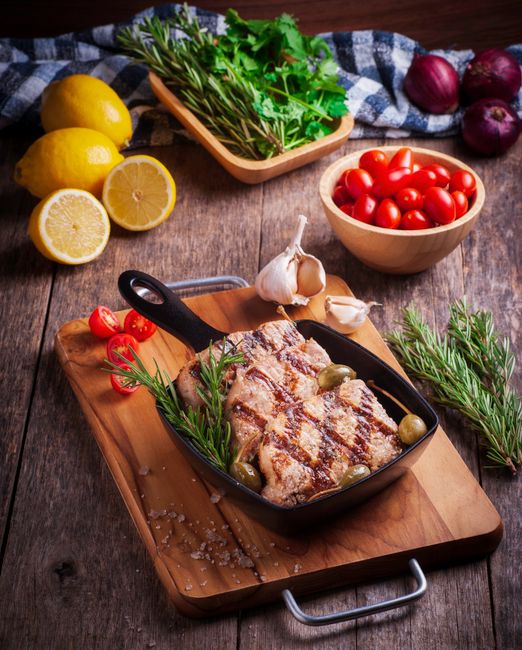
Homemade Italian Sausage Patties

Crafting Perfect Homemade Italian Sausage Patties: A Comprehensive Guide
Achieving the ideal texture, flavor, and juiciness in homemade Italian sausage patties requires understanding fundamental principles of meat selection, fat ratios, seasoning profiles, and proper cooking techniques. This detailed guide will equip you with the knowledge to consistently produce exceptional sausage patties that rival, and often surpass, store-bought versions. The cornerstone of superior sausage lies in the quality of its ingredients and the precision of its preparation. Unlike commercially produced sausages, which may contain fillers, artificial binders, and less desirable cuts of meat, homemade patties allow for complete control over every component, ensuring a product that is both delicious and wholesome.
The selection of pork is paramount. For Italian sausage, a balance of lean muscle and fat is crucial for flavor and moisture. The ideal cut is a combination of pork shoulder (boston butt) and pork belly. Pork shoulder, with its inherent marbling, provides a rich, savory base. Pork belly, while higher in fat, contributes unparalleled moisture and a distinct porky depth. A common and highly effective ratio for Italian sausage patties is approximately 70% lean pork shoulder to 30% pork belly. This ratio ensures that the patties will remain moist and flavorful during cooking, preventing them from becoming dry and crumbly. If pork belly is unavailable or undesirable, a fattier cut of pork shoulder, such as one with a higher percentage of visible fat, can be used, aiming for a similar overall fat content in the final mixture. Avoid using exclusively lean cuts like loin or ham, as these will result in dry, unpalatable sausage. The fat is not merely a binder; it is a critical flavor carrier and moisture retainer. When grinding the meat, a coarse grind is generally preferred for Italian sausage patties. This provides a more pleasant textural experience, allowing for discernible pieces of meat and fat rather than a uniform paste. Using a meat grinder equipped with a coarse plate (typically 10mm or 1/2 inch) is recommended. Alternatively, if a grinder is unavailable, you can meticulously hand-chop the pork into small, uniform pieces, ensuring a consistent texture. Chill the meat thoroughly before grinding, even partially freezing it for about 30-60 minutes. This makes the grinding process easier and prevents the fat from smearing, which can lead to a greasy, undesirable texture.
The spice blend is the soul of Italian sausage. While variations exist, a classic profile typically includes fennel seeds, red pepper flakes, black pepper, and salt. Fennel is the quintessential spice for Italian sausage, providing its characteristic sweet, aromatic, and slightly licorice-like flavor. Use whole fennel seeds, lightly toasted and then crushed or ground. Toasting enhances their aroma and deepens their flavor. A good starting point is 1 to 1.5 tablespoons of crushed fennel seeds per pound of pork. Red pepper flakes add a pleasant warmth and a touch of heat. The amount can be adjusted to your preference, but 1 teaspoon per pound is a common starting point. Freshly cracked black pepper is essential for its pungent aroma and flavor. Aim for about 1 teaspoon per pound. Salt is crucial for both flavor and to aid in binding the sausage. Use kosher salt or sea salt for a cleaner flavor. A good starting point is 1 to 1.5 teaspoons of salt per pound of meat. Other complementary spices that can be incorporated include dried oregano, dried thyme, garlic powder, or a pinch of nutmeg. For a more authentic "sweet" Italian sausage, minimize or omit the red pepper flakes. For "hot" Italian sausage, increase the red pepper flakes significantly. Consider adding a touch of sugar, such as brown sugar or granulated sugar, to balance the flavors and aid in browning. About 1 teaspoon per pound is sufficient. The key to a well-balanced spice blend is to taste and adjust. It’s advisable to cook a small test patty before forming all your patties to fine-tune the seasoning.
The process of mixing the sausage mixture is as important as the ingredients themselves. Overworking the meat can lead to tough, rubbery patties. The goal is to evenly distribute the spices and fat without developing the protein strands excessively. After grinding the meat and pork belly, place them in a large, chilled bowl. Add the salt, fennel seeds, red pepper flakes, black pepper, and any other desired spices. Use your hands to gently mix the ingredients together. Avoid vigorous kneading. Instead, use a folding motion, lifting the meat from the bottom and folding it over the top. Continue mixing until the spices and fat are evenly dispersed throughout the meat mixture. You should see streaks of fat distributed throughout. A good indicator of proper mixing is when the meat begins to hold together slightly when squeezed. Overmixing will result in a sticky, paste-like consistency. A useful technique to ensure even seasoning is to chill the ground meat thoroughly before mixing. This firms up the fat, making it easier to incorporate without overworking the meat.
Forming the patties is a straightforward but important step. Aim for a uniform thickness and size to ensure even cooking. For Italian sausage patties, a thickness of about 3/4 to 1 inch is ideal. This thickness allows the interior to cook through while achieving a nice sear on the exterior. You can form patties by hand, taking portions of the sausage mixture and gently shaping them into discs. Alternatively, a burger press can be used for consistency. Avoid compacting the patties too much, as this can lead to dense, tough results. A light touch is key. When shaping by hand, moisten your hands slightly with cold water to prevent the meat from sticking. Press down gently to create the patty, but don’t overwork the meat. A slightly uneven surface is acceptable and can even enhance browning. For consistent sizing, use a kitchen scale to weigh out equal portions of the sausage mixture before forming the patties. Approximately 4-5 ounces per patty is a good starting point for a substantial meal.
Cooking methods for homemade Italian sausage patties offer versatility. Pan-frying is a popular and effective method that allows for excellent browning and crispiness. Heat a tablespoon or two of neutral oil, such as vegetable or canola oil, in a heavy-bottomed skillet over medium-high heat. Once the oil is shimmering, carefully place the sausage patties in the skillet, ensuring not to overcrowd the pan. Overcrowding will steam the patties rather than sear them, resulting in a less desirable texture. Cook for approximately 4-6 minutes per side, or until the internal temperature reaches 160°F (71°C) and the patties are deeply golden brown and cooked through. The cooking time will vary depending on the thickness of the patties and the heat of your stove. Flipping the patties only once or twice helps to develop a superior crust. Baking is another viable option, particularly for larger batches. Preheat your oven to 375°F (190°C). Place the sausage patties on a baking sheet lined with parchment paper or a wire rack set inside a baking sheet to allow for air circulation. Bake for 20-25 minutes, or until the internal temperature reaches 160°F (71°C). Grilling offers a smoky flavor and excellent char. Preheat your grill to medium-high heat. Lightly oil the grill grates to prevent sticking. Grill the patties for approximately 4-5 minutes per side, or until cooked through. Regardless of the cooking method, always use a meat thermometer to ensure the sausage has reached a safe internal temperature of 160°F (71°C). This is crucial for food safety.
Storing and reheating homemade Italian sausage patties are straightforward. Once cooked, allow the patties to cool slightly before storing. They can be refrigerated in an airtight container for up to 3-4 days. For longer storage, they can be frozen. Wrap individual patties tightly in plastic wrap, then place them in a freezer-safe bag or container. Frozen sausage patties will maintain their quality for up to 2-3 months. To reheat, you can gently pan-fry them over medium-low heat, bake them in a preheated oven at 350°F (175°C) for about 10-15 minutes, or reheat them in a microwave for a minute or two, ensuring they are heated through. Reheating on the stovetop or in the oven is generally preferred to preserve texture and prevent sogginess.
The versatility of homemade Italian sausage patties makes them a staple in many kitchens. They are perfect for breakfast, served alongside eggs and toast. Their robust flavor makes them an excellent addition to pasta dishes, whether crumbled into a sauce or served whole. They can be incorporated into sandwiches, pizzas, calzones, or used as a topping for salads. Consider pairing them with a rich marinara sauce, a creamy polenta, or a simple side of roasted vegetables. The homemade nature of these patties allows you to tailor them precisely to your culinary creations, offering a superior flavor and texture that elevates any dish. Experiment with different spice blends and pork cuts to discover your signature Italian sausage patty. The ability to control the fat content and seasoning ensures a product that meets your exact specifications, making each bite a testament to your culinary skill. The journey from raw pork to perfectly cooked Italian sausage patties is a rewarding one, yielding a versatile ingredient that is both satisfying and delicious.