Best Ever Banana Bread
The Best Ever Banana Bread: A Definitive Guide to Unrivaled Flavor and Texture
Banana bread, a beloved staple in home kitchens worldwide, transcends its humble origins to become a canvas for culinary artistry. Achieving the "best ever" iteration involves a meticulous understanding of ingredient ratios, baking techniques, and flavor enhancements that elevate this simple quick bread to extraordinary heights. This guide delves deep into the science and art of crafting truly exceptional banana bread, exploring the critical factors that contribute to its unparalleled taste and texture, from the ripeness of the bananas themselves to the subtle nuances of spices and fats.
The foundation of superior banana bread lies in the bananas. Overripe bananas are not merely preferred; they are essential. Their sugars have undergone significant caramelization, intensifying sweetness and imparting a more complex, mellow flavor profile. The blacker the peel, the sweeter and more potent the banana flavor will be. Aim for bananas with at least 75% of their surface covered in brown spots or entirely black. These bananas will also be incredibly soft and mushy, making them easy to mash and integrate seamlessly into the batter, ensuring a moist and tender crumb. Enthusiasts often advocate for freezing overripe bananas; this process further breaks down their cell walls, releasing more moisture and flavor upon thawing, making them even more ideal for baking. When mashing, the goal is a relatively smooth consistency with a few small lumps remaining, as these contribute to textural interest and visual appeal. Completely pureed bananas can sometimes lead to a gummy texture. The quantity of bananas is also crucial. A standard loaf typically calls for three to four medium-sized bananas, yielding approximately 1.5 cups of mashed banana. Deviating significantly from this ratio can impact the moisture content and overall flavor balance.
The fat component plays a pivotal role in banana bread’s texture and richness. While butter offers a superior flavor, its saturated fat content can sometimes result in a slightly denser crumb. Oil, particularly vegetable oil, canola oil, or a neutral-flavored grapeseed oil, provides a consistently moist and tender texture due to its liquid state at room temperature. Many recipes opt for a combination of both butter and oil to achieve the best of both worlds: the rich flavor of butter and the unparalleled moisture retention of oil. A common ratio is half butter and half oil. For instance, 1/2 cup (1 stick) of unsalted butter, softened, and 1/4 cup of neutral oil. The butter should be softened, not melted, to facilitate proper creaming with the sugar, which incorporates air and contributes to a lighter crumb. If using only oil, ensure it’s a good quality, neutral-flavored variety to avoid imparting an unwanted taste. Melted butter can lead to a greasy banana bread.
The role of sugar in banana bread is multifaceted. It not only provides sweetness but also contributes to browning, tenderness, and moisture retention. White granulated sugar is standard, but incorporating brown sugar, either entirely or in combination with white sugar, adds a delightful caramel undertone and a chewier texture. Light brown sugar offers a milder molasses flavor, while dark brown sugar provides a more intense molasses richness. A balanced approach often involves a mix, such as 3/4 cup granulated sugar and 1/4 cup packed light brown sugar for a standard loaf. The total sugar content should generally be around 1 cup to 1.25 cups, depending on the sweetness of the bananas and personal preference. Over-sweetening can mask the banana flavor and make the bread too dense.
Eggs bind the ingredients, provide structure, and contribute to richness. Two large eggs are typically sufficient for a standard loaf. They should be at room temperature for optimal emulsification with the other wet ingredients. This ensures a more homogenous batter and a finer crumb. Chilled eggs can cause the fat to seize, leading to a less desirable texture.
The flour choice significantly impacts the final texture. All-purpose flour is the most common and reliable option. Its moderate protein content yields a tender yet structurally sound crumb. For a lighter, more delicate texture, cake flour can be used, but it may require slightly more liquid to prevent dryness. Whole wheat flour can be incorporated for a nuttier flavor and increased fiber, but it should be used in conjunction with all-purpose flour, as a 100% whole wheat banana bread can be quite dense and heavy. A good starting point is 1.5 cups of all-purpose flour for a standard loaf. Sifting the flour before measuring and again before adding it to the wet ingredients aerates it and helps prevent overmixing.
Leavening agents are crucial for lift and a tender crumb. Baking soda is the primary leavening agent in most banana bread recipes because the inherent acidity of ripe bananas reacts with it to produce carbon dioxide gas, causing the bread to rise. Typically, 1 teaspoon of baking soda is used. Baking powder, which contains both an acid and a base, can also be included to provide an extra boost of lift, especially if the bananas are not exceptionally ripe or if a lighter texture is desired. A common combination is 1 teaspoon baking soda and 1/2 teaspoon baking powder. Ensuring these leavening agents are fresh is paramount for proper rising.
The addition of a liquid, such as milk, buttermilk, or even sour cream or yogurt, contributes to moisture and tenderness. Milk adds a subtle richness, while buttermilk, with its inherent acidity, reacts with the baking soda for enhanced lift and a tangier flavor. Sour cream or full-fat Greek yogurt are excellent choices for their richness and acidity, contributing to an exceptionally moist and tender crumb, often referred to as "foolproof" moisture. Approximately 1/4 cup of liquid is usually sufficient.
Flavor enhancers elevate banana bread from good to unforgettable. Vanilla extract is a non-negotiable aromatic. 1 to 1.5 teaspoons of good quality vanilla extract will amplify the sweetness and complement the banana’s natural flavor. Spices play a vital role. Cinnamon is the classic pairing, with 1 to 1.5 teaspoons providing warmth and depth. Nutmeg, a pinch or 1/4 teaspoon, adds a subtle, musky sweetness. Allspice, another 1/4 teaspoon, offers hints of cinnamon, clove, and nutmeg. A small amount of salt, typically 1/2 teaspoon, is essential for balancing sweetness and bringing out the nuances of all the other flavors.
Inclusions are where personal preference truly shines. Chocolate chips, whether semi-sweet, dark, or milk chocolate, are a perennial favorite, melting into pockets of gooey indulgence. Chopped nuts, such as walnuts or pecans, provide a delightful crunch and earthy flavor. Toasted nuts offer an even more intense flavor. Dried fruits like raisins, cranberries, or chopped dates can add bursts of sweetness and chewiness. A common ratio for inclusions is 1 cup, distributed evenly throughout the batter.
The mixing technique is as critical as the ingredients. The "muffin method" or "quick bread method" is standard. Combine all dry ingredients in one bowl and all wet ingredients in another. Then, add the wet ingredients to the dry ingredients and mix until just combined. Overmixing develops the gluten in the flour, resulting in a tough, rubbery banana bread. A few streaks of flour remaining in the batter are acceptable. This gentle mixing ensures a tender crumb.
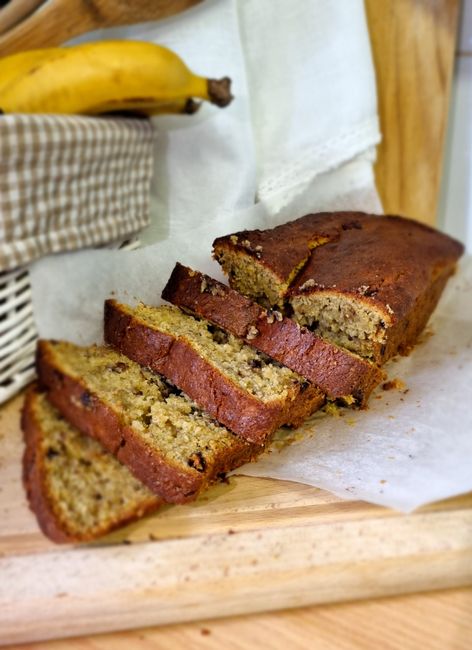
Baking temperature and time are crucial for achieving a perfectly cooked loaf. A preheated oven at 350°F (175°C) is standard. The baking time typically ranges from 50 to 70 minutes for a standard 9×5 inch loaf pan. The bread is done when a wooden skewer or toothpick inserted into the center comes out clean or with a few moist crumbs attached. Overbaking will lead to a dry, crumbly loaf. It’s advisable to tent the loaf with aluminum foil during the last 15-20 minutes of baking if the top is browning too quickly. This prevents the crust from becoming too dark while allowing the inside to finish cooking.
Cooling is a vital, often overlooked, step. Allow the banana bread to cool in the loaf pan for about 10-15 minutes before inverting it onto a wire rack to cool completely. This allows the internal structure to set and prevents the bread from becoming gummy or collapsing. Attempting to slice it while still hot can lead to a messy, uneven texture.
For the ultimate banana bread experience, consider these advanced techniques. Browning the butter before adding it to the batter imparts a rich, nutty flavor. Adding a tablespoon of brewed coffee or espresso powder to the batter enhances the chocolate flavor if chocolate chips are included, and deepens the overall flavor profile. A drizzle of honey or maple syrup on top of the batter just before baking can create a lovely caramelized crust. For an extra moist loaf, some bakers incorporate a tablespoon of applesauce or a dollop of Greek yogurt into the batter. The key to the "best ever" banana bread is not a single secret ingredient or technique, but rather a thoughtful combination of high-quality ingredients, precise ratios, and a gentle hand during the baking process, culminating in a loaf that is moist, flavorful, and utterly irresistible.