Food Story Sejarah Gudeg Jogyakarta
Gudeg Yogyakarta: A Culinary Chronicle of Sweet Jackfruit Stew
The story of Gudeg Yogyakarta is intrinsically woven into the fabric of Javanese history and culture, a testament to the resourcefulness and culinary ingenuity of its people. Originating from the heart of the Mataram Sultanate, gudeg’s humble beginnings are often traced back to the fertile agricultural lands surrounding Yogyakarta. The primary ingredient, young jackfruit (nangka muda), was once an abundant and readily available resource. Legend suggests that during a period of famine or agricultural surplus, the people of Mataram ingeniously sought ways to preserve and utilize this plentiful fruit. The lengthy cooking process, involving simmering the jackfruit in coconut milk and palm sugar for hours, not only softened the tough flesh but also created a unique, sweet, and savory flavor profile that has captivated palates for centuries. This slow-cooking method, deeply rooted in traditional Javanese culinary practices, transformed a simple fruit into a beloved national dish. The absence of readily available protein sources in early agrarian societies also likely contributed to gudeg’s prominence, making the starchy jackfruit a filling and substantial meal. The addition of ingredients like santan (coconut milk), gula jawa (palm sugar), and aromatic spices such as galangal, bay leaves, and teak leaves (for color and a subtle smoky aroma) elevated the dish beyond mere sustenance, imbuing it with a complex and comforting flavor. The historical context of the Mataram Sultanate, with its emphasis on agricultural prosperity and meticulous culinary traditions, provided the ideal environment for gudeg to flourish and evolve.
The evolution of gudeg is marked by distinct regional variations, with Gudeg Yogyakarta holding a special place in the culinary landscape. While other parts of Java may have their own interpretations of jackfruit stew, the Yogyakarta version is characterized by its specific cooking techniques and ingredient proportions. The traditional method of preparing gudeg involves a multi-stage cooking process. The young jackfruit is first boiled until tender, then painstakingly simmered in a rich mixture of coconut milk, palm sugar, and a secret blend of spices. This slow simmering is crucial for allowing the flavors to meld and the jackfruit to absorb the sweetness and aromatics. The distinctive reddish-brown hue of authentic Gudeg Yogyakarta is achieved through the addition of daun jati (teak leaves) during the cooking process. These leaves not only impart color but also contribute a subtle, earthy aroma that is characteristic of the dish. The meticulous attention to detail in this lengthy preparation underscores the cultural value placed on food in Javanese society, where meals are often viewed as an expression of hospitality and communal bonding. The development of specific cooking utensils, such as the large earthenware pot (kendil) used for simmering, also reflects the historical adaptation of tools to suit traditional culinary needs. Over time, various refinements and additions have been made, but the core essence of the dish, its sweet and savory complexity, remains.
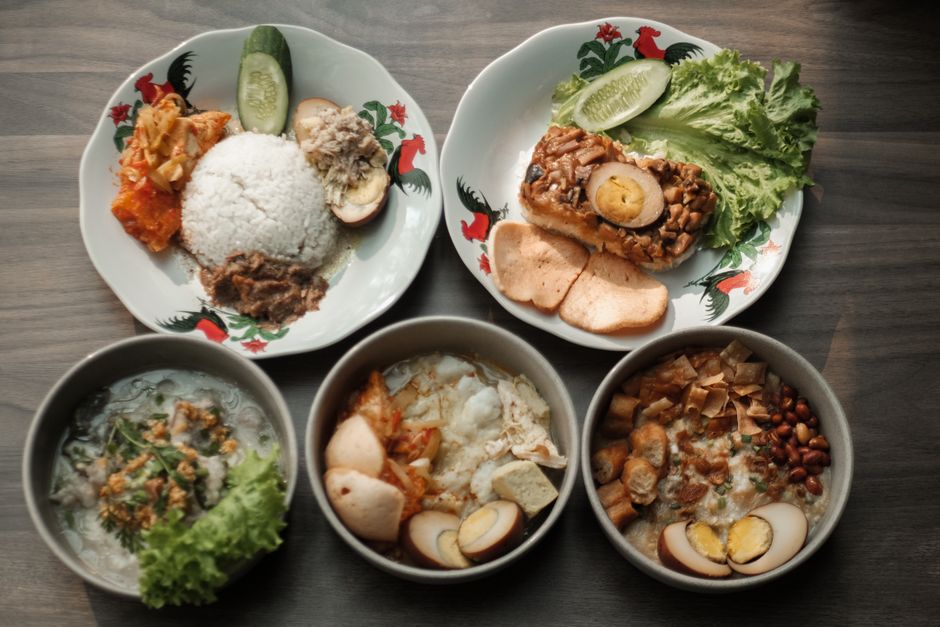
Gudeg Yogyakarta is not merely a dish; it is a comprehensive culinary experience, often served as a complete meal with a variety of accompaniments. The primary component, gudeg basah (wet gudeg) or gudeg kering (dry gudeg), refers to the consistency of the stew. Gudeg basah is more liquid and intensely flavored, while gudeg kering has a thicker, almost caramelized texture, achieved by longer simmering or a final stir-frying stage. This distinction allows for personal preference and showcases the versatility of the dish. Accompanying the gudeg are essential side dishes that create a harmonious balance of flavors and textures. Nasi putih (steamed white rice) is the indispensable base, its neutral flavor serving to absorb the rich sauce. Ayam opor (chicken in coconut milk curry) is a frequent pairing, its creamy texture and mild spice complementing the sweetness of the gudeg. Telur pindang (simmered eggs in spiced soy sauce) offer another layer of savory depth, their hard-boiled yolks absorbing the flavorful brine. Krecek, a spicy stew made from dried beef or buffalo skin, provides a contrasting chewy texture and a welcome kick of heat, cutting through the sweetness of the jackfruit. Finally, sambal goreng (fried chili paste) or sambal ulek (chili paste) offers an additional spicy element for those who desire it. The careful selection and preparation of these accompaniments are as integral to the gudeg experience as the stew itself, demonstrating a sophisticated understanding of flavor pairing and culinary artistry.
The cultural significance of Gudeg Yogyakarta extends beyond its taste and ingredients; it is deeply embedded in Javanese traditions and celebrations. Gudeg is a staple at important life events, from selamatan (communal feasts) to celebrate births and marriages, to religious ceremonies and national holidays. Its presence signifies abundance, hospitality, and good fortune. The shared act of preparing and consuming gudeg fosters a sense of community and reinforces cultural identity. It is a dish that is passed down through generations, with family recipes and techniques guarded and cherished. The communal aspect of food preparation, particularly for events requiring large quantities of gudeg, reinforces social bonds and transmits culinary knowledge. Furthermore, gudeg has become a symbol of Yogyakarta itself, a culinary ambassador representing the city’s rich heritage and warm hospitality to visitors from across Indonesia and the world. The act of sharing gudeg is a tangible expression of cultural pride and a way to connect with one’s roots. In many households, the aroma of gudeg simmering is synonymous with home and family gatherings.
The commercialization and popularization of Gudeg Yogyakarta have played a significant role in its widespread recognition. Initially, gudeg was primarily a home-cooked dish or sold from small street stalls. However, as Yogyakarta grew as a tourist destination, enterprising individuals recognized the dish’s potential. Numerous warung gudeg (gudeg eateries) and restaurants emerged, each offering their unique take on the classic recipe. These establishments have become iconic landmarks, drawing in locals and tourists alike. The rise of packaged gudeg, often vacuum-sealed for longer shelf life, has further facilitated its accessibility, allowing people to enjoy the taste of Yogyakarta far from its origin. This expansion, while bringing economic benefits and wider appreciation, has also led to some variations in taste and quality, as different vendors adapt recipes to their clientele and production methods. However, the core principles of slow cooking and quality ingredients generally remain. The consistent demand has also spurred innovation in presentation and service, making gudeg a convenient and accessible meal for busy lifestyles. The development of specialized gudeg shops, often catering to specific times of day (morning, afternoon, or evening gudeg), further highlights its enduring popularity.
The distinct flavor profile of Gudeg Yogyakarta is a result of a carefully balanced combination of sweet, savory, and aromatic elements. The dominant sweetness comes from gula jawa (palm sugar), which undergoes caramelization during the long cooking process, imparting a rich, complex sweetness distinct from refined sugar. This sweetness is balanced by the savory notes from the santan (coconut milk), which also provides a creamy texture and a subtle richness. The aromatic complexity is achieved through the masterful use of spices, including lengkuas (galangal), daun salam (bay leaves), and serai (lemongrass). Galangal, in particular, contributes a pungent, gingery flavor that cuts through the sweetness. The daun jati (teak leaves) add a unique earthy undertone and the characteristic reddish-brown color. The combination of these ingredients, simmered slowly, allows for a deep infusion of flavors, creating a taste that is both comforting and exotic. The texture of the young jackfruit, which becomes tender and slightly stringy after prolonged cooking, adds another dimension to the sensory experience. The subtle fermentation that can occur with longer cooking times of certain types of gudeg also contributes a slight tanginess, further enhancing its complexity.
From a nutritional perspective, Gudeg Yogyakarta, while rich in carbohydrates from the jackfruit and rice, also offers some benefits. Young jackfruit itself is a good source of dietary fiber, vitamin C, and some B vitamins. The santan provides healthy fats, and the accompanying dishes, such as ayam opor and telur pindang, contribute protein. However, due to its high sugar and coconut milk content, it is generally considered a rich dish and is often enjoyed in moderation or as part of a balanced meal. The addition of spicy accompaniments like sambal can also aid digestion for some individuals. The traditional preparation methods, emphasizing slow cooking over high heat, can also help to preserve some of the nutritional integrity of the ingredients. The diverse array of accompaniments allows for a more balanced nutritional intake when consumed as a complete meal. For instance, the protein from chicken and eggs balances the carbohydrate-rich gudeg and rice.
The enduring appeal of Gudeg Yogyakarta lies in its ability to evoke a sense of nostalgia and connect people to their cultural heritage. For many Javanese people, the taste of gudeg is synonymous with home, family, and cherished memories. Its comforting sweetness and familiar aroma create an emotional resonance that transcends mere culinary enjoyment. This deep emotional connection ensures its continued popularity and its status as a culinary icon. The sensory experience of eating gudeg, from the sight of its rich color to the complex interplay of sweet, savory, and aromatic flavors, and the satisfying textures of its various components, creates a holistic and deeply satisfying experience. This multifaceted appeal is crucial to its longevity and its ability to transcend generational preferences. The dish is often a topic of affectionate reminiscing among those who have moved away from Yogyakarta, serving as a potent reminder of their roots.
The ongoing evolution of Gudeg Yogyakarta, while respecting its traditional roots, ensures its relevance in the modern culinary landscape. Contemporary chefs and home cooks continue to experiment with new ingredient combinations and presentation styles, breathing new life into this classic dish. This adaptability, while maintaining the core essence, is vital for its continued popularity among younger generations and in the face of evolving dietary trends. Innovations might include variations in spice levels, the incorporation of different proteins, or lighter versions that reduce the coconut milk or palm sugar content. However, the quintessential sweetness and the unique flavor of slow-cooked young jackfruit remain the defining characteristics. The exploration of fusion elements, while potentially controversial, also presents opportunities for new interpretations. The accessibility of information online and through social media also contributes to the spread of knowledge about gudeg, inspiring new generations of cooks to learn and experiment.
The historical journey of Gudeg Yogyakarta, from its origins as a resourceful solution to abundant produce to its current status as a culinary icon, is a compelling narrative of Javanese culture and culinary innovation. Its enduring popularity is a testament to its delicious flavor, its cultural significance, and its ability to evoke deep emotional connections. The meticulous preparation, the balanced flavors, and the communal aspect of sharing this dish have solidified its place as a cherished part of Indonesia’s rich gastronomic heritage. The continuous adaptation and appreciation of Gudeg Yogyakarta ensure that its story will continue to be written for generations to come, a delicious chapter in the history of Indonesian cuisine. The continued pursuit of authentic recipes and the dedication of vendors to preserving traditional methods are crucial for safeguarding the integrity of this beloved dish. The story of gudeg is a vibrant and ongoing testament to the power of food to connect people to their past, their present, and each other.