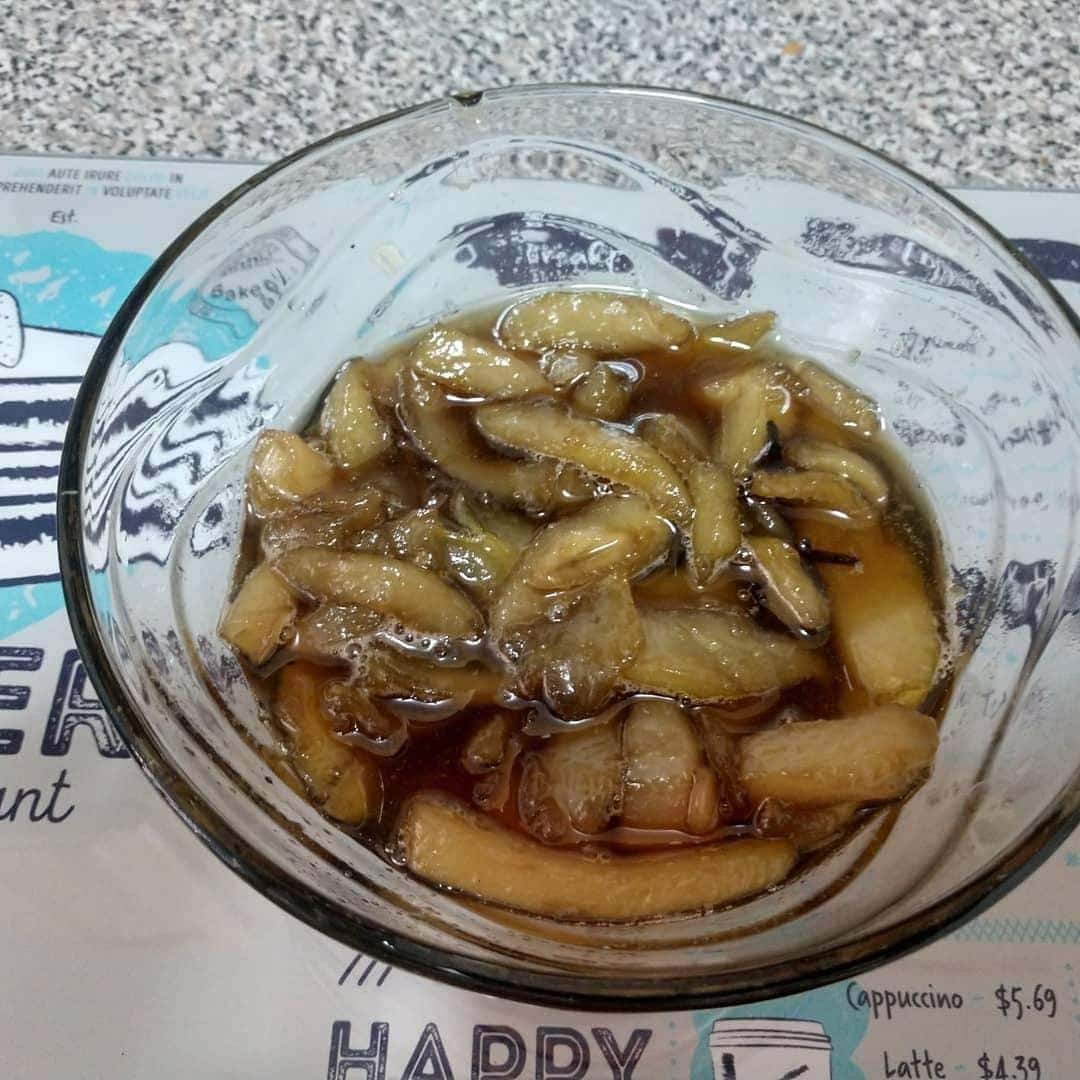
The unassuming tayota, known globally as chayote, undergoes a remarkable transformation in the Dominican Republic, evolving from a staple savory vegetable into the star of a delightful traditional dessert: Dulce de Tayota. This sweet confection, bathed in a fragrant spiced syrup, showcases the vegetable’s unique ability to absorb and amplify flavors, making it a surprisingly versatile ingredient in the Dominican culinary landscape. While often the subject of lighthearted culinary jokes for its mild taste, the tayota’s subtle character is precisely what allows it to shine in this sweet application, creating a dessert that is both comforting and elegantly spiced.
The Culinary Chameleon: Understanding Tayota
Tayota, scientifically known as Sechium edule, is a member of the gourd family, sharing kinship with cucumbers, melons, and squash. Its origin can be traced back to Mesoamerica, where it has been cultivated for centuries. The vegetable is characterized by its pear-shaped form, pale green skin, and a single large seed at its core. Its flesh is crisp and watery, with a flavor profile that is exceptionally mild and subtly sweet. This very mildness, which can sometimes lead to it being overlooked in favor of more assertive ingredients, is its greatest culinary asset. In savory dishes, it readily absorbs the flavors of broths, herbs, and spices, acting as a textural element that can enhance a meal without overpowering it. This same characteristic makes it an ideal canvas for the rich, aromatic spices that define Dulce de Tayota.
In Dominican cuisine, tayota is a common sight on lunch plates, frequently appearing in hearty stews, soups, and as a side dish. Its presence in these savory preparations highlights its adaptability. However, the creation of Dulce de Tayota demonstrates a deeper understanding of its potential, transforming it into a sweet treat that offers a unique textural experience and a symphony of spiced flavors. This duality in its culinary use underscores the ingenuity of traditional cooking, where humble ingredients are elevated through thoughtful preparation and the incorporation of cultural flavor profiles.
The Alchemy of Spiced Syrup
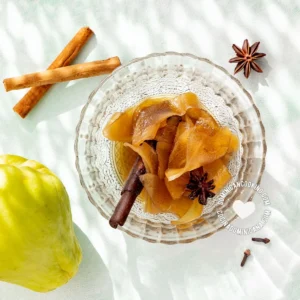
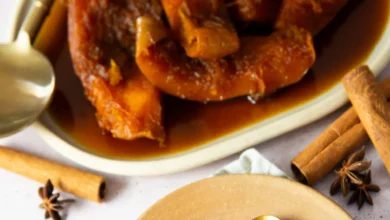
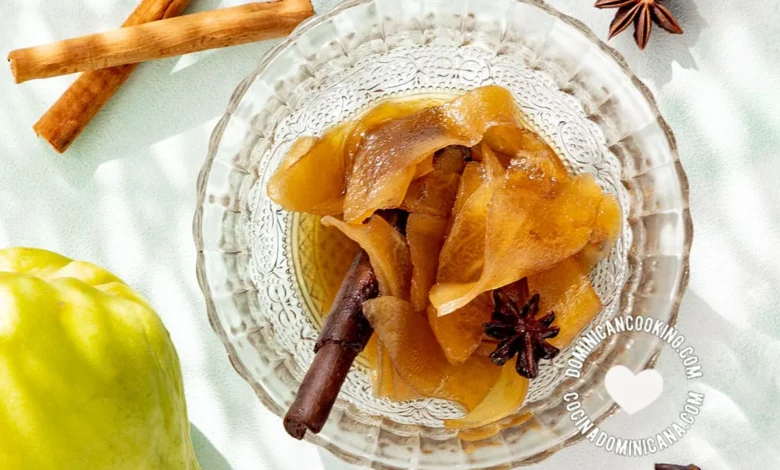
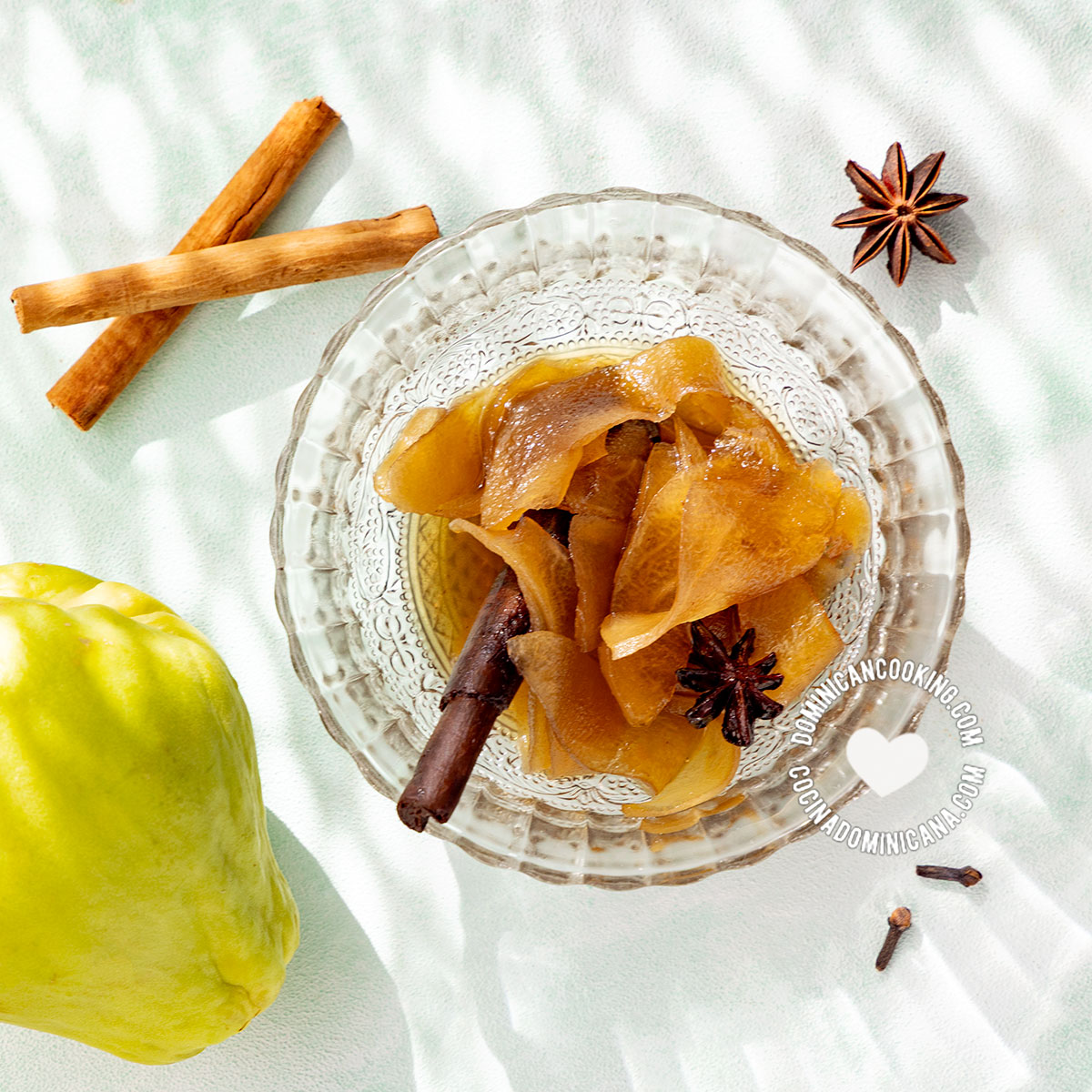
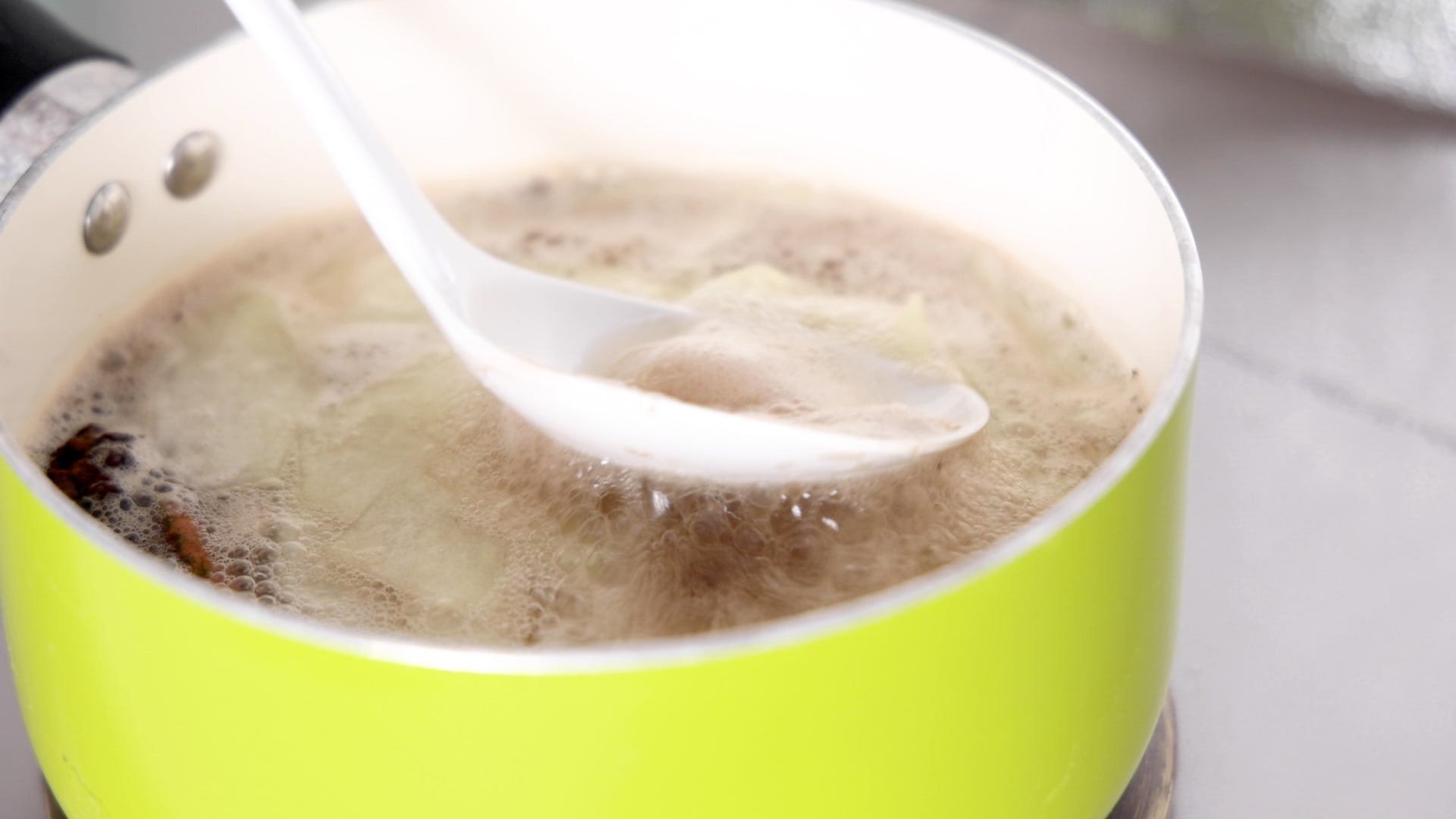
The magic of Dulce de Tayota lies in its transformation through a carefully crafted spiced syrup. The process involves simmering peeled and often seeded tayota chunks in a sweet liquid infused with traditional Caribbean spices. Common additions to the syrup include cinnamon, cloves, star anise, and sometimes citrus peels like lime or orange. These aromatic components are not merely flavor enhancers; they are integral to the dessert’s identity, imbuing the mild tayota with warmth, depth, and a captivating fragrance.
The sugar in the syrup caramelizes slightly during the cooking process, creating a rich, glossy glaze that coats the tender tayota pieces. This syrupy embrace softens the vegetable’s texture further, rendering it pleasantly yielding, almost like a tender fruit preserve. The interplay between the subtly sweet tayota and the intensely flavored syrup creates a balanced and satisfying dessert experience. Served chilled, it offers a refreshing contrast, making it particularly appealing during warmer months or as a palate cleanser after a rich meal.

A Tradition Rooted in Dominican Heritage
Dulce de Tayota is more than just a dessert; it is a reflection of Dominican culinary heritage, a tradition passed down through generations. Such "dulces en almíbar" (candied fruits in syrup) are a cornerstone of Dominican dessert culture. These confections are often prepared for special occasions, holidays, and family gatherings, embodying a sense of warmth, hospitality, and shared tradition. The act of preparing and sharing these sweets is a way of connecting with one’s roots and celebrating the bounty of local ingredients.
The popularity of Dulce de Tayota can also be attributed to its accessibility. Tayota is a widely available and relatively inexpensive vegetable, making this dessert a democratic treat that can be enjoyed by many. Its preparation, while requiring patience, is not overly complex, allowing home cooks to recreate this beloved dish with relative ease. The recipe, as shared by sources like DominicanCooking.com, often emphasizes simplicity, encouraging cooks to experiment with spice combinations to achieve their preferred flavor profile. This adaptability further cements its place as a cherished part of the Dominican table.
Serving and Enjoyment
Dulce de Tayota is traditionally served as a refreshing dessert, often after a hearty Dominican lunch. It pairs particularly well with iconic dishes like "La Bandera Dominicana" (the national dish comprising rice, beans, and meat) or rich "locrios" (rice dishes cooked in a flavorful broth). The sweetness and spiced notes of the dulce provide a delightful counterpoint to the savory depth of these main courses.
It is typically served chilled, allowing the syrup to thicken slightly and the flavors to meld. Garnishes are usually minimal, allowing the inherent qualities of the dessert to take center stage. Sometimes, a sprinkle of cinnamon or a sprig of mint might be added for visual appeal and an extra aromatic touch. The dessert’s low carbohydrate content, as noted in some culinary discussions, also makes it an appealing option for those seeking lighter dessert alternatives, with variations even being explored for keto and low-carb diets. This adaptability further broadens its appeal and ensures its continued relevance in contemporary culinary trends.
The Versatility Beyond Dessert
While its fame as a dessert is well-established, the tayota’s journey from savory to sweet highlights its remarkable culinary versatility. Its ability to absorb flavors makes it a valuable ingredient in a wide array of dishes. In the Dominican Republic, and indeed across Latin America, it is a staple in numerous savory preparations. It can be found in hearty soups, stews, casseroles, and even mashed as a side dish. Its neutral flavor profile makes it a perfect vehicle for showcasing other ingredients, allowing spices and herbs to truly shine.
The transformation into Dulce de Tayota is, therefore, not an anomaly but rather a testament to the ingredient’s inherent adaptability. It demonstrates a sophisticated understanding of flavor development and texture modification, where a seemingly plain vegetable is coaxed into revealing a hidden sweet potential. This culinary ingenuity is a hallmark of traditional cuisines worldwide, where resourcefulness and a deep connection to local produce lead to the creation of extraordinary dishes from ordinary ingredients.
A Recipe for Tradition and Innovation
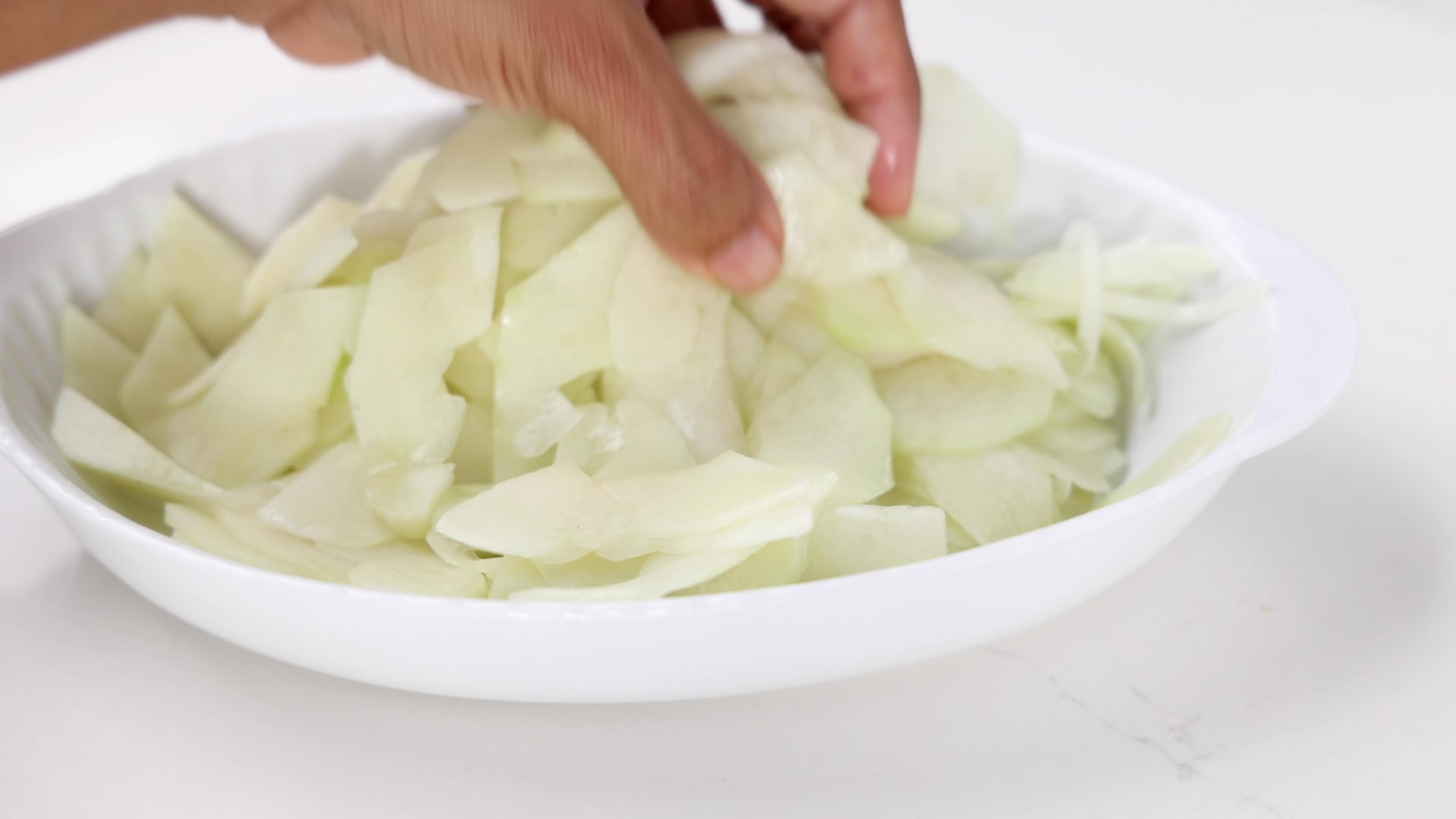
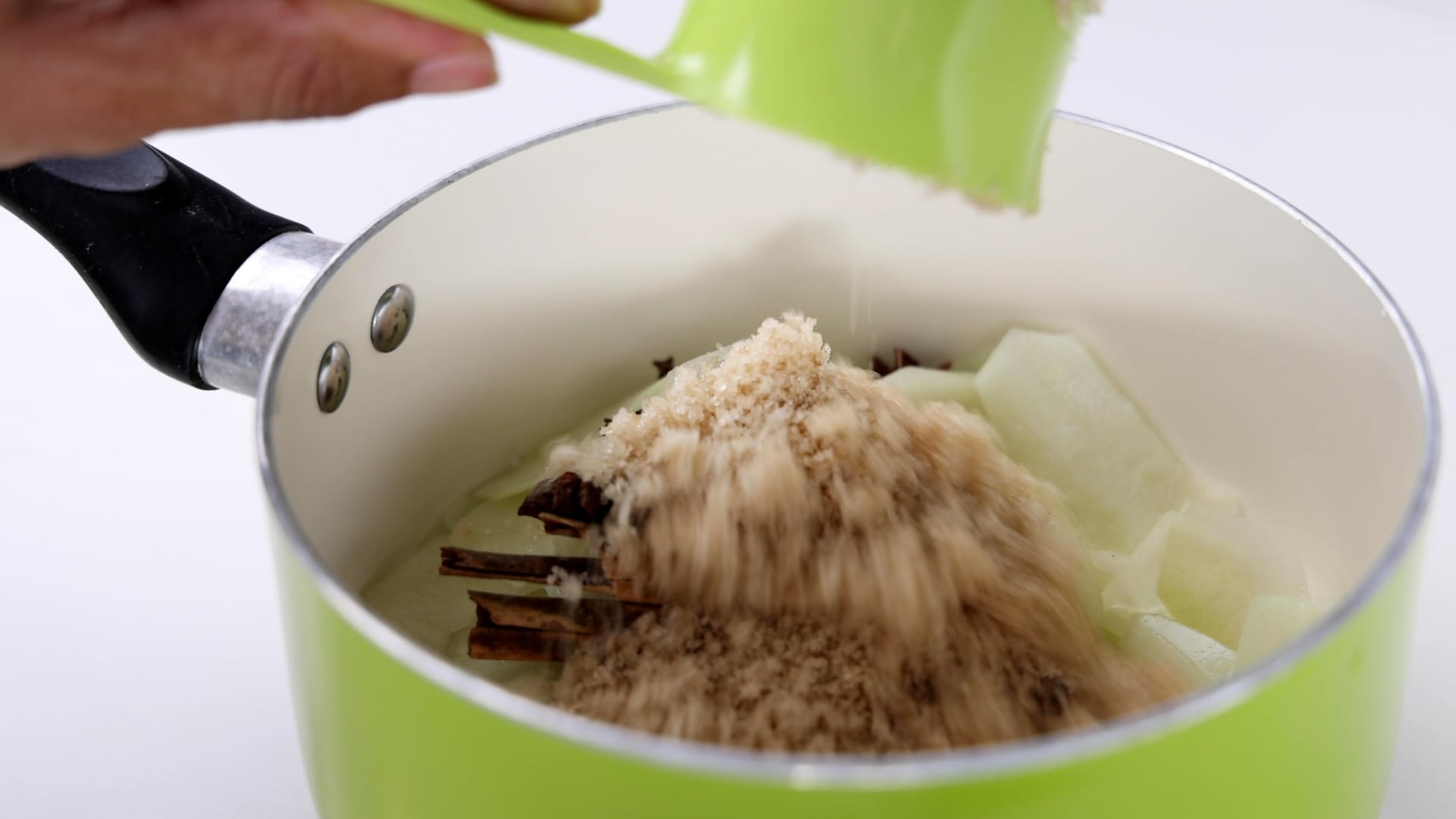
The recipe for Dulce de Tayota, often presented with accompanying video tutorials, typically involves a straightforward process. The tayotas are peeled, seeded, and cut into uniform pieces, ensuring even cooking. They are then combined with sugar, water, and the chosen spices in a pot. The mixture is brought to a simmer and cooked until the tayotas are tender and the syrup has thickened to a desired consistency. The duration of cooking can vary, influencing the final texture of the tayota and the richness of the syrup.
While traditional recipes often feature a specific blend of spices, there is room for personalization. Cooks are encouraged to adjust the spice levels and combinations to their own preferences. Some may opt for a more pronounced cinnamon flavor, while others might favor the warm notes of cloves or the exotic aroma of star anise. This element of customization ensures that each batch of Dulce de Tayota can be a unique reflection of the cook’s personal touch, further enhancing its role as a beloved family recipe. The inclusion of a keto and low-carb-friendly variation in some contemporary recipes indicates a willingness to adapt traditional dishes to modern dietary needs, ensuring that this classic dessert remains relevant and accessible for a wider audience.
Broader Implications and Culinary Appreciation
The journey of the tayota from a common vegetable to a celebrated dessert ingredient offers a broader lesson in culinary appreciation. It challenges the perception of ingredients based solely on their most common applications. The Dominican approach to Dulce de Tayota exemplifies how a deep understanding of an ingredient’s properties—its texture, its flavor absorption capabilities—can unlock new and exciting culinary possibilities. This philosophy of maximizing the potential of every ingredient is a cornerstone of sustainable and creative cooking.
In a world increasingly focused on novel ingredients and exotic flavors, traditional dishes like Dulce de Tayota serve as a vital reminder of the richness and depth found within established culinary traditions. They represent a connection to history, culture, and the ingenuity of past generations. The continued popularity of this spiced chayote dessert is a testament to its enduring appeal, proving that sometimes, the most delightful culinary discoveries are found in the familiar, transformed through the art of thoughtful preparation and a celebration of local bounty. The recipe, a blend of simplicity and aromatic complexity, invites both seasoned cooks and newcomers to explore the sweet side of the humble tayota and to savor a taste of Dominican heritage.