The Mediterranean Diet and Fish: Unpacking the Real Role of Seafood in a Healthy Lifestyle

The Mediterranean diet is widely lauded for its health benefits, with fish often highlighted as a cornerstone of this dietary pattern. However, a closer examination reveals that the role of fish within traditional Mediterranean eating habits is frequently misunderstood, leading to misconceptions that can make adopting this lifestyle seem more challenging and expensive than it needs to be. This article aims to clarify the authentic place of fish in the Mediterranean diet, focusing on historically accessible and nutritionally valuable options that remain readily available and affordable today.
The Historical Reality of Fish Consumption in the Mediterranean
Contrary to popular belief, populations in Mediterranean regions historically did not consume fresh fish daily, or even weekly. The mountainous terrain of many Mediterranean countries, such as Greece, meant that inland communities often had limited access to fresh seafood. For instance, in mountainous regions of Greece, where a significant portion of the population resided, fresh fish was a seasonal luxury. Fishmongers might visit small villages only once or twice a week during the summer months, and even less frequently in winter, sometimes not at all. This scarcity necessitated traditional preservation methods.
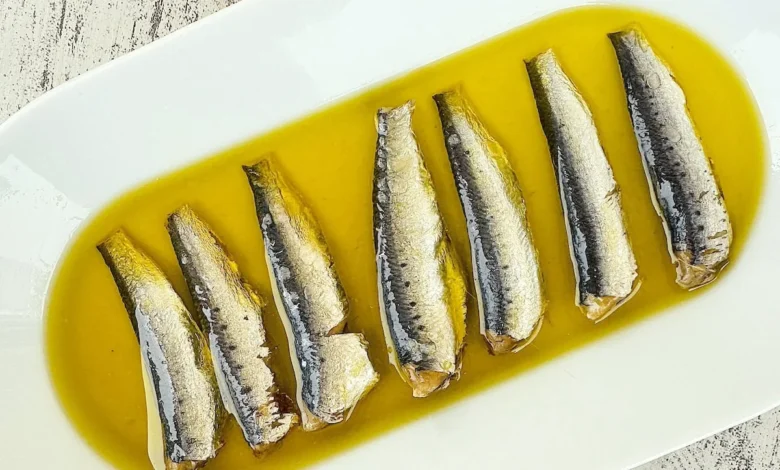
Fish consumed by these communities was often cured, marinated, or salted. These preserved fish were typically served as a complementary dish alongside staple legumes or vegetables, forming simple yet highly nutritious meals. A classic example of this practice is marinated sardines served with a hearty bowl of lentil soup, showcasing how readily available and affordable ingredients were combined for optimal nutritional benefit.
The types of fish that were central to the traditional Mediterranean diet were predominantly small and fatty species, namely sardines and anchovies. These fish were abundant in the Mediterranean Sea, were relatively inexpensive to catch and preserve, and provided a rich source of essential nutrients. Notably, larger, fattier fish like salmon, which are not native to the Mediterranean Sea, were never a part of this historical dietary pattern. The emphasis was on small, oily fish that delivered significant health benefits without breaking the bank. This historical context is crucial: adhering to a Mediterranean eating pattern does not necessitate seeking out costly fresh fish; the traditional approach relied on more accessible options.
The Crucial Role of Omega-3 Fatty Acids
The importance of fish in the Mediterranean diet is intrinsically linked to its rich content of omega-3 fatty acids. These are essential fats, meaning the human body requires them for numerous vital functions but cannot synthesize them internally. Consequently, they must be obtained through dietary intake. Omega-3s play a significant role in cardiovascular health, with research consistently linking their consumption to a reduced risk of heart attacks, strokes, and cardiovascular-related mortality.
Beyond heart health, studies suggest that individuals with higher dietary intake of omega-3 fatty acids exhibit a lower risk of cognitive decline, including dementia and Alzheimer’s disease. They are also associated with improved cognitive function and are well-known for their potent anti-inflammatory properties. Chronic inflammation is a known risk factor for a wide array of serious health conditions, making the anti-inflammatory benefits of omega-3s particularly valuable.
In the traditional Greek diet, omega-3s were sourced not only from fish but also from other foods like wild greens, walnuts, and even meat and dairy from grazing animals. However, small, fatty fish such as sardines and anchovies served as a consistent and substantial source of these vital nutrients. This dietary richness is a key factor contributing to the longevity and overall health observed in populations following the traditional Mediterranean diet.
Sardines: A Nutritional Powerhouse
Sardines, often overlooked, are arguably one of the most beneficial foods one can consume. While some individuals may have reservations about their taste or texture, preparation methods can significantly enhance their appeal.
Nutritional Profile of Sardines:
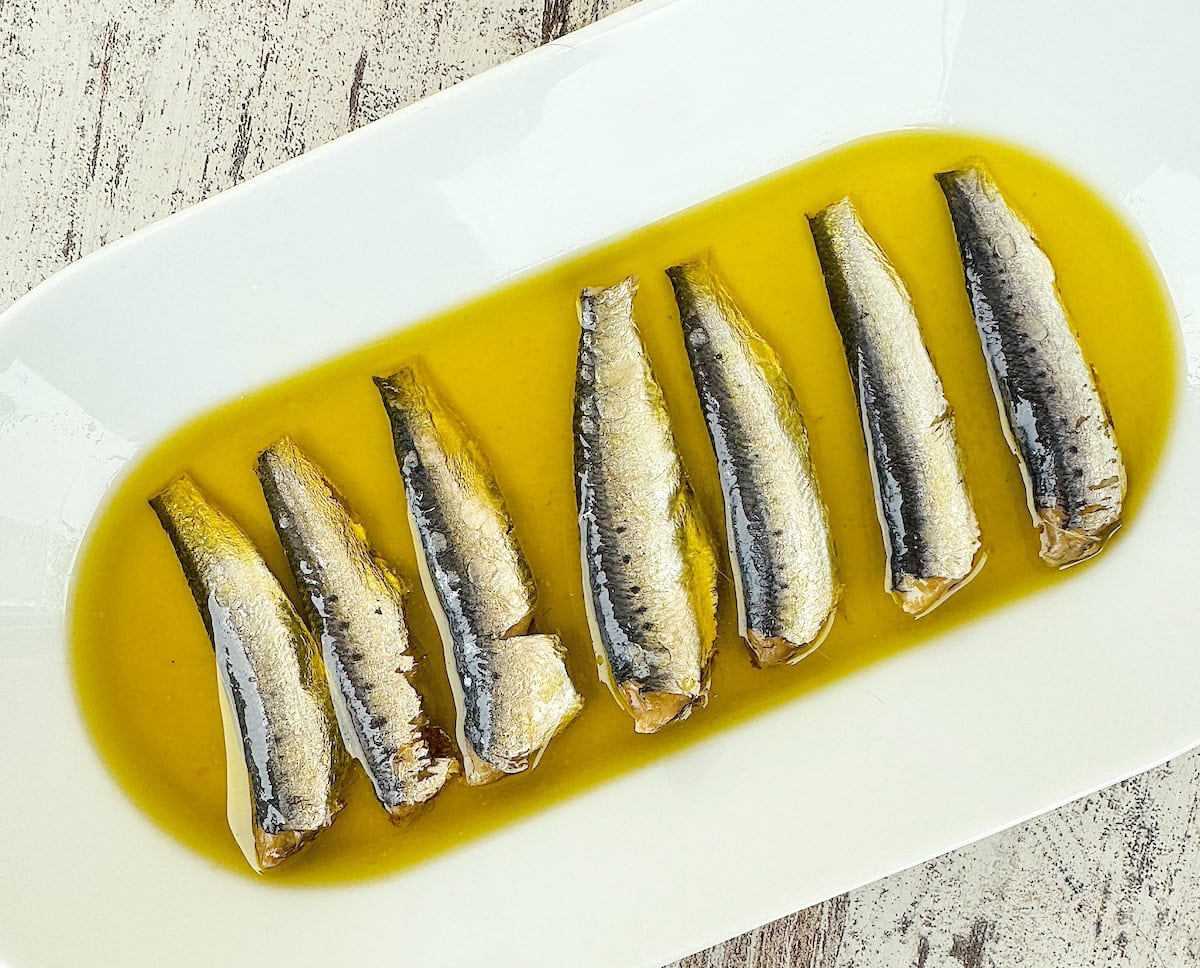
Sardines are a prime example of a fatty fish, offering an exceptional source of omega-3 fatty acids. A significant advantage of eating sardines, particularly canned varieties, is that they are typically consumed whole, including their bones. This practice makes them an outstanding source of calcium and vitamin D – nutrients that are less commonly found together in other food sources. Furthermore, sardines are rich in protein, vitamin B12, selenium, and iron.
Their position low on the food chain means that sardines accumulate minimal levels of mercury, making them one of the safest fish choices available. This low mercury content allows for their inclusion in the diet multiple times a week without concern. Economically, sardines are also one of the most affordable sources of protein, enabling individuals to eat healthily without incurring significant expense. It is important to note that the canning process does not diminish the omega-3 content; canned sardines are nutritionally comparable to fresh ones.
Culinary Applications of Sardines:
Canned fish should not be relegated to the category of "poor man’s food." It represents a rich source of essential fatty acids and aligns with the eating habits of past Mediterranean generations. When purchasing canned sardines, opt for those packed in olive oil, as the oil not only preserves flavor but also enhances it.
Simple preparations include:
- Mashing sardines with a fork and mixing with finely chopped red onion, capers, and a squeeze of lemon juice, then serving on whole-grain toast.
- Adding them to salads, pasta dishes, or grain bowls for an instant protein and omega-3 boost.
- Incorporating them into savory tarts or quiches.
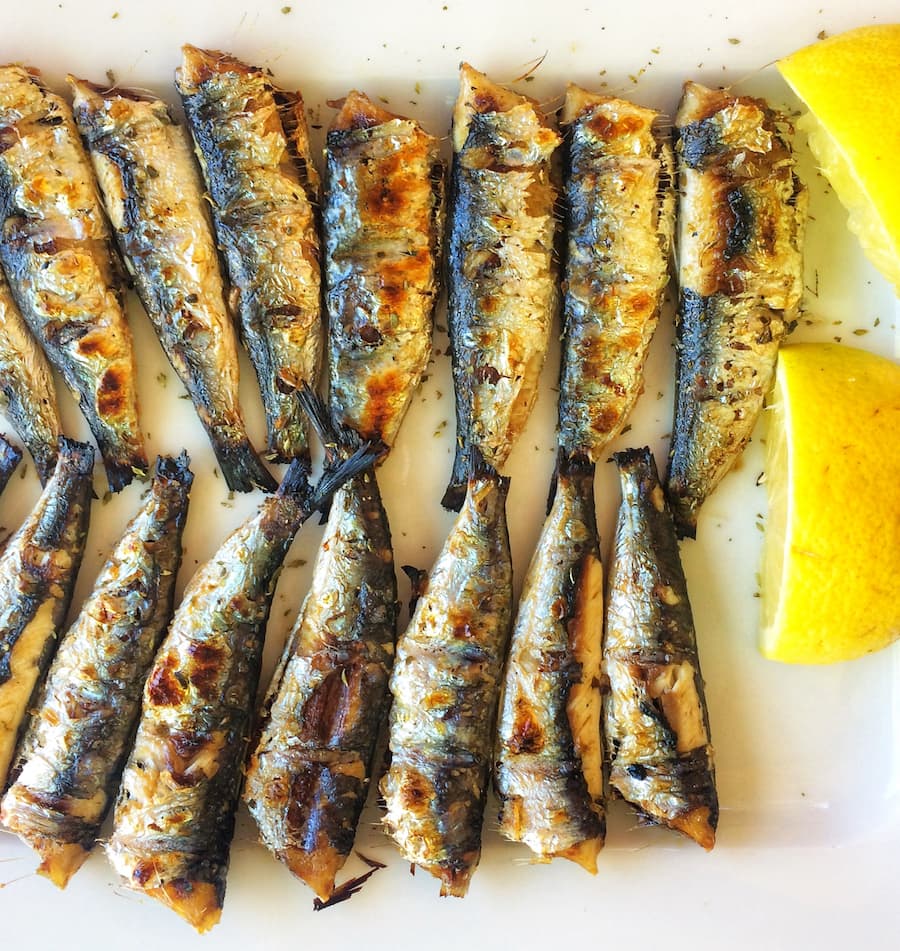
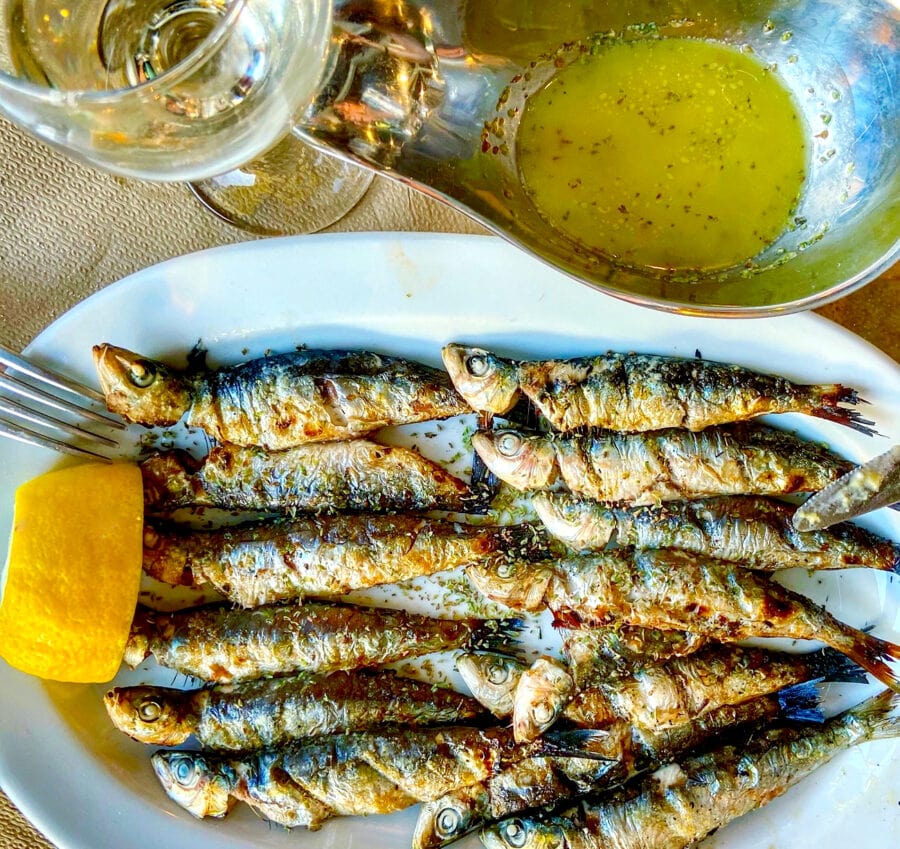
Fresh sardines, when available, possess a mild, delicate flavor. A simple preparation of grilled fresh sardines drizzled with olive oil and lemon juice is a cherished delicacy during Greek summers, illustrating the simple yet profound enjoyment of this fish. However, the nutritional benefits remain substantial even with canned varieties.
Anchovies: The Underrated Gem
While sardines are underestimated, anchovies often receive even less attention, frequently being perceived solely as a salty pizza topping. This limited view overlooks their versatility and nutritional value.
Nutritional Benefits of Anchovies:
Similar to sardines, anchovies are small, fatty fish packed with omega-3 fatty acids, protein, vitamin B12, selenium, and iron. When consumed whole, they also contribute calcium to the diet. Their low position in the marine food web ensures they are very low in mercury, similar to sardines.
Anchovies in Mediterranean Cuisine:
Anchovies, alongside sardines, were a primary type of fish preserved in the traditional Mediterranean diet. They were commonly eaten as a side dish with beans and vegetables or as part of a meze (appetizer). In Greece, gavros marinatos (marinated fresh anchovies cured in lemon juice and olive oil) is a classic mezze, often enjoyed with a glass of ouzo by the sea. Salt-packed anchovies were also a vital source of fish for inland communities that lacked direct access to the coast, demonstrating their importance in the historical food supply chain.
Incorporating Anchovies into Meals:
For canned anchovies, selecting those packed in olive oil is recommended for optimal flavor. Their potent flavor can be a powerful addition to various dishes:
- Dissolving anchovy fillets in olive oil over low heat can create a flavorful base for pasta sauces or sautés.
- Finely chopping them and adding them to salad dressings, marinades, or aioli.
- Using them sparingly to add umami depth to vegetable dishes or stews.
Salmon: A Note on Omega-3s and Tradition
Salmon is undeniably an excellent source of omega-3 fatty acids and offers a wealth of protein, B vitamins, selenium, and astaxanthin, a potent antioxidant. It is also widely available and easy to prepare. While there is no objection to enjoying salmon, it is important to acknowledge that it is not a traditional Mediterranean fish.
The Mediterranean Sea does not host salmon populations, and therefore, it was not part of the historical diet. While salmon can certainly be incorporated into a healthy eating plan, the readily available and affordable sardines and anchovies provide comparable omega-3 benefits, with the added advantages of being lower in mercury, more economical, and generally more environmentally sustainable. If choosing to prepare salmon, simple methods like grilling or roasting with olive oil, lemon, garlic, and herbs, served with a side of salad or roasted vegetables, are sufficient to highlight its natural flavors.
Cod: A Preserved Mediterranean Staple
Fresh cod is not strongly associated with traditional Mediterranean cuisine. However, salt cod (bacalhau) holds a significant place in the culinary heritage of the region. For centuries, salt cod was a primary method for inland communities to access fish, as it could be preserved for months without refrigeration and transported over long distances. This preservation technique led to iconic dishes across Mediterranean countries, including Greek bakaliaros skordalia, Portuguese Bacalhau à Brás, and Italian baccalà alla Napoletana.
Nutritionally, cod is an excellent source of lean protein but is low in fat and does not provide substantial amounts of omega-3 fatty acids. Therefore, if the primary goal is to increase omega-3 intake, salt cod may not be the ideal choice. Nevertheless, its mild flavor and versatility make it compatible with simple Mediterranean seasonings. In its preserved form, salt cod is a genuinely traditional and culturally significant Mediterranean food.
Herring: A Cultural Addition to the Greek Table
Herring, a fish native to Northern European waters, does not inhabit the Mediterranean or Aegean Seas. Despite this, smoked and salted herring, known in Greece as renga, has a long-standing presence in Greek food culture. While not indigenous to the Mediterranean, its consumption as a preserved fish highlights historical trade routes and dietary adaptations.
Renga is typically consumed similarly to cured anchovies or sardines – as a side dish accompanying legumes like lentils or chickpeas, or as a meze. Nutritionally, herring is a good source of omega-3 fatty acids, B vitamins, and selenium. It may contain slightly higher mercury levels than sardines and anchovies, though generally within safe limits for occasional consumption. The high salt content in cured herring means it is best enjoyed as an accompaniment rather than a primary protein source, reflecting the traditional Greek practice of consuming it in small quantities alongside other staple foods.
Broader Implications for Modern Diets
Understanding the authentic role of fish in the Mediterranean diet has significant implications for contemporary health and dietary choices. It demystifies the concept of eating like a Mediterranean, emphasizing accessibility and affordability. The focus on small, oily, and preserved fish like sardines and anchovies offers a practical and cost-effective way to reap the substantial health benefits of omega-3 fatty acids, cardiovascular protection, and anti-inflammatory properties.
The historical reliance on preservation methods also highlights the adaptability of Mediterranean populations to their environment and resources. This underscores the principle that healthy eating is not dictated by exotic or expensive ingredients but by wise choices from readily available foods. By embracing these traditional fish choices, individuals can more easily and affordably adopt the principles of the Mediterranean diet, contributing to long-term health and well-being without compromising on taste or tradition. The key takeaway is that the celebrated health benefits of the Mediterranean diet are achievable through simple, time-tested culinary practices, with small, oily fish leading the way.