The Enduring Allure of Seville Orange Marmalade: A Culinary Tradition Reimagined


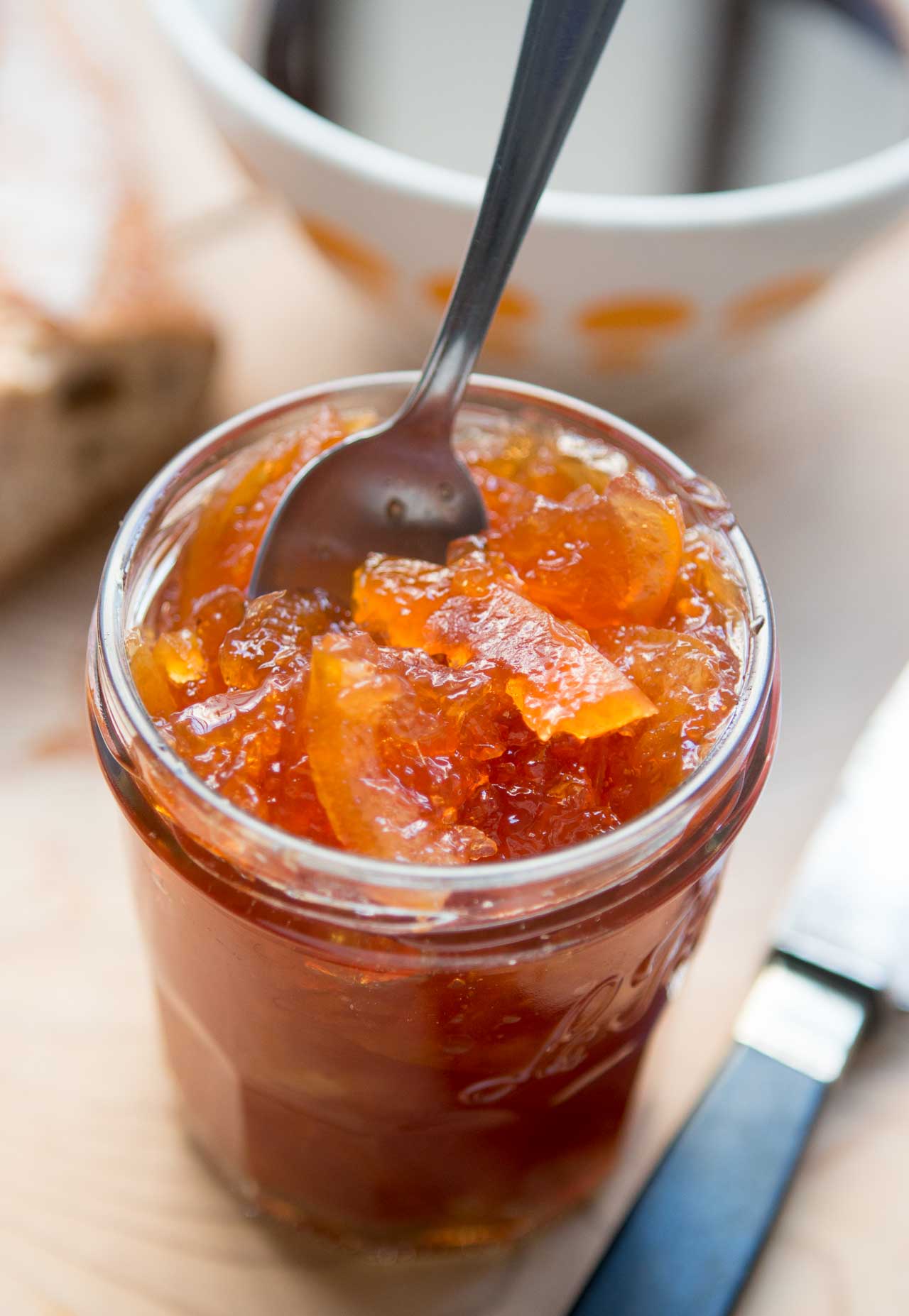
The crisp air of Paris, particularly during the winter months, often carries with it the distinct and invigorating aroma of citrus. For discerning palates and culinary enthusiasts, this season signals the arrival of a highly prized ingredient: the Seville orange. These intensely fragrant, slightly bitter oranges, known in French as oranges amères, are the cornerstone of a beloved preserve, marmalade, and their presence in Parisian markets has become a cherished annual event, sparking a resurgence in homemade preparations.
For years, the scarcity of Seville oranges in some markets left many, including renowned food writer and chef David Lebovitz, wondering about their availability. However, recent seasons have seen a more abundant supply, leading to a flurry of marmalade-making activity. This renewed accessibility has not only delighted home cooks but also spurred innovation in traditional techniques, promising a more streamlined and rewarding experience for those eager to capture the essence of these unique fruits.
The Seville Orange: A Paradox of Flavor and Utility
Seville oranges, native to the southern Spanish city that lends them their name, are a specific cultivar of bitter orange (Citrus × aurantium). Unlike their sweeter counterparts, Seville oranges possess a characteristic tartness and a pronounced bitterness, stemming from a higher concentration of limonoids and essential oils in their peel and pith. This robust flavor profile, while perhaps too intense for direct consumption, makes them exceptionally well-suited for preservation.
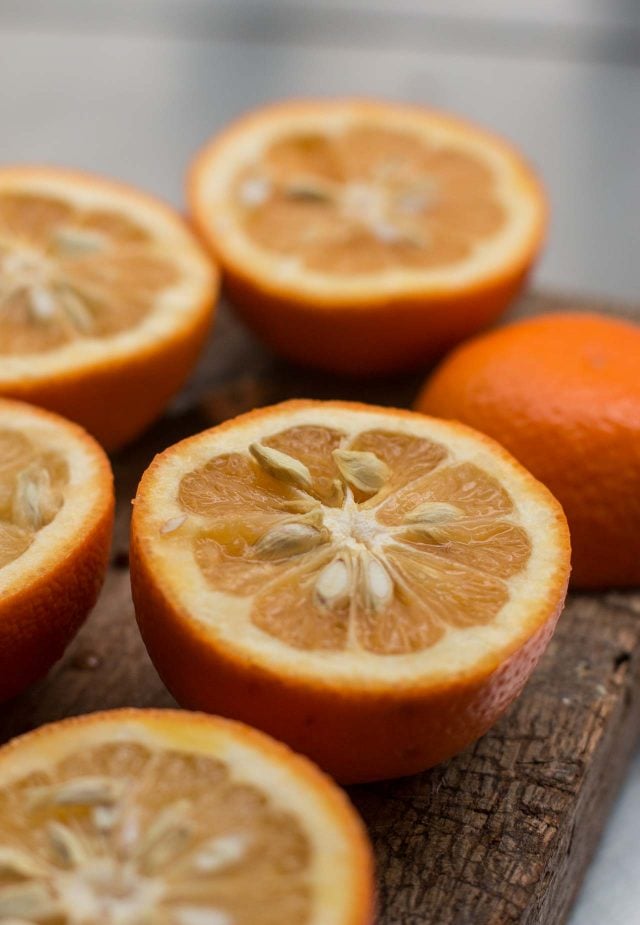
The inherent seediness of Seville oranges presents a unique challenge in the marmalade-making process. Each fruit can contain anywhere from twenty to thirty seeds, often intertwined with the segments. Traditionally, preparing marmalade involved meticulously extracting these seeds, a process that could be time-consuming and frustrating, involving slippery fingers and a constant battle against the fruit’s natural defenses.
A Revolutionary Approach to Seed Extraction
The challenge of seed removal has long been a deterrent for some home cooks. However, a refined technique, popularized by David Lebovitz and featured in his acclaimed cookbook, Ready for Dessert, offers a significantly simpler and more efficient method. This innovative approach prioritizes extracting the juice and seeds first, then straining them to isolate the precious pectin-rich seeds.

The process begins with squeezing the juice and seeds from the oranges. The extracted juice is then strained, separating the seeds. Crucially, these seeds are not discarded. Instead, they are carefully collected. This is because the seeds of Seville oranges are remarkably high in pectin, the natural gelling agent that gives marmalade its characteristic set. By retaining the seeds, cooks ensure the marmalade achieves a perfect, smooth, jellied texture.
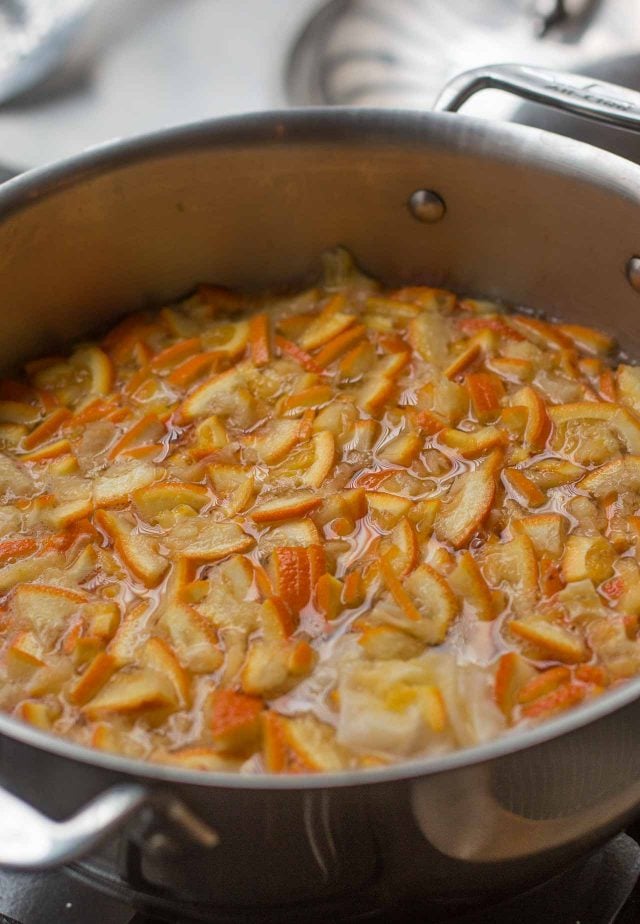
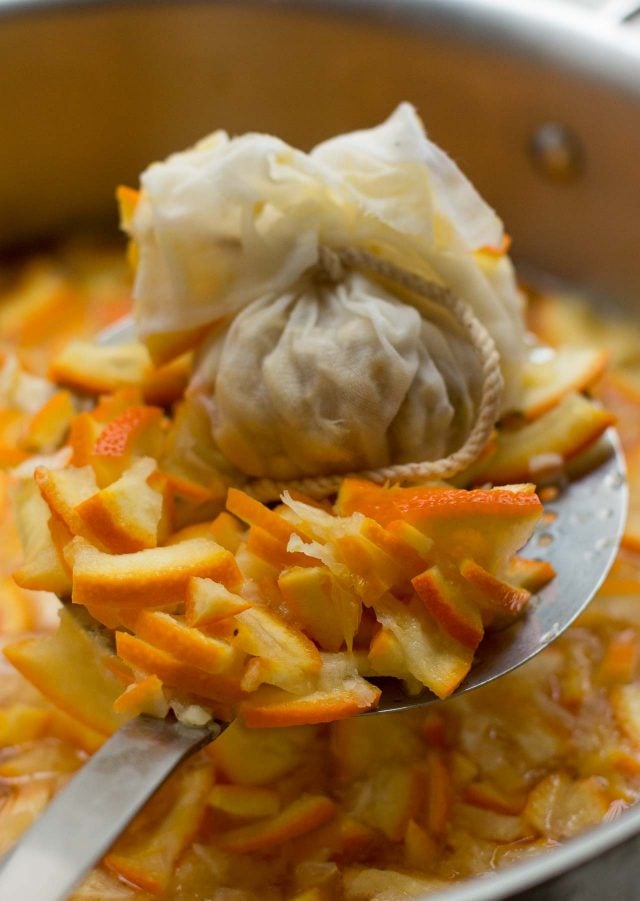
The collected seeds are then often wrapped in a piece of cheesecloth or a muslin bag. This "seed sachet" is then simmered along with the rest of the marmalade ingredients. This gentle cooking releases the pectin from the seeds into the mixture, contributing to the marmalade’s desirable consistency without the laborious task of picking individual seeds from the fruit segments. This method not only simplifies the preparation but also ensures that no part of this flavorful fruit is wasted.
Lebovitz notes that his method, detailed in Ready for Dessert, allows for the cooked oranges and seeds to rest overnight, a step that is optional but can contribute to a more developed flavor. However, the entire process can be completed within a single day for those seeking a quicker result.
A Historical Accident: The Birth of Seville Orange Marmalade
The origins of Seville orange marmalade are as intriguing as its flavor. Legend has it that the preserve was born out of a culinary accident in the 18th century. The story recounts an Englishwoman, the wife of a grocer, who found herself in possession of a shipment of sour oranges from Seville. These oranges, likely intended for trade or other uses, proved to be inedibly bitter when tasted.
It was around 1700, and a storm may have contributed to the urgent need to offload the cargo, leading to a bargain purchase by the grocer. Faced with a surplus of these unpalatable fruits, the grocer’s wife, with a stroke of inventive genius, decided to try her hand at making jam. The result was Seville orange marmalade, a happy accident that transformed a seemingly unusable ingredient into a celebrated delicacy. This serendipitous creation laid the foundation for a culinary tradition that continues to be cherished centuries later.
The Broader Impact: Preserving Tradition in a Modern World
The increased availability and innovative preparation methods for Seville orange marmalade speak to a broader trend: the renewed appreciation for traditional foodways and artisanal preservation techniques. In an era of mass-produced foods, there is a growing desire among consumers to connect with the origins of their food, to understand the processes involved in its creation, and to savor flavors that are often more complex and nuanced than their commercially produced counterparts.
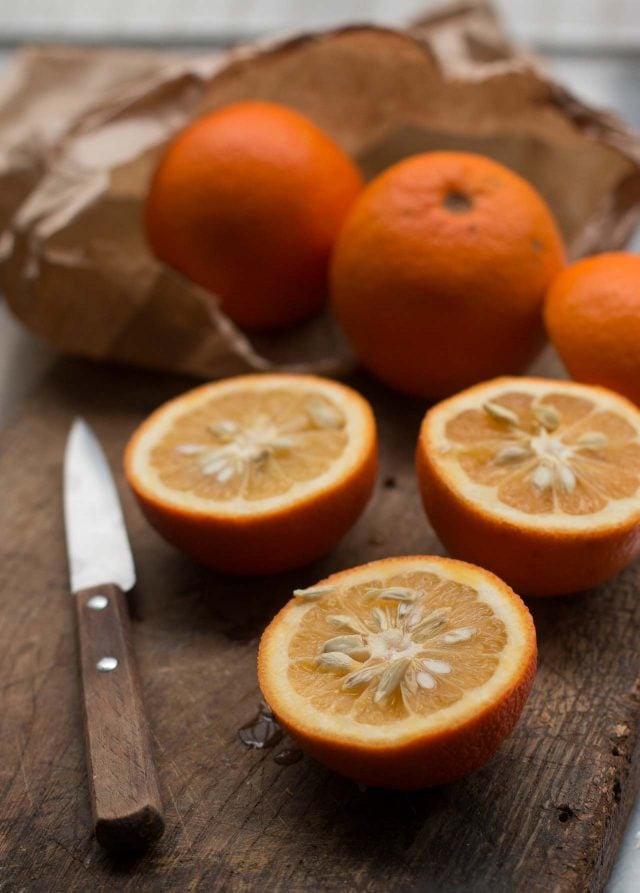
Seville oranges, with their limited season and distinctive character, embody this movement. Their annual appearance in markets becomes an event, encouraging home cooks to engage in a time-honored practice. The act of making marmalade is not merely about producing a spread for toast; it is an immersive experience that connects individuals to agricultural cycles, culinary history, and the satisfaction of creating something tangible and delicious from raw ingredients.
Furthermore, the popularity of Seville orange marmalade has implications for agricultural producers and specialty food markets. A consistent demand for these specific oranges supports farmers who cultivate them and provides a niche for distributors who can source and supply them. It also fosters a community of passionate cooks and food enthusiasts who share recipes, tips, and their love for this particular preserve.
Supporting Data and Culinary Context
The importance of pectin in jam-making is a well-established principle in food science. Pectin is a polysaccharide found in the cell walls of fruits, and its concentration varies significantly among different types. Citrus fruits, particularly the pith and seeds of bitter oranges like Sevilles, are exceptionally rich in pectin, making them ideal for creating firm gels.
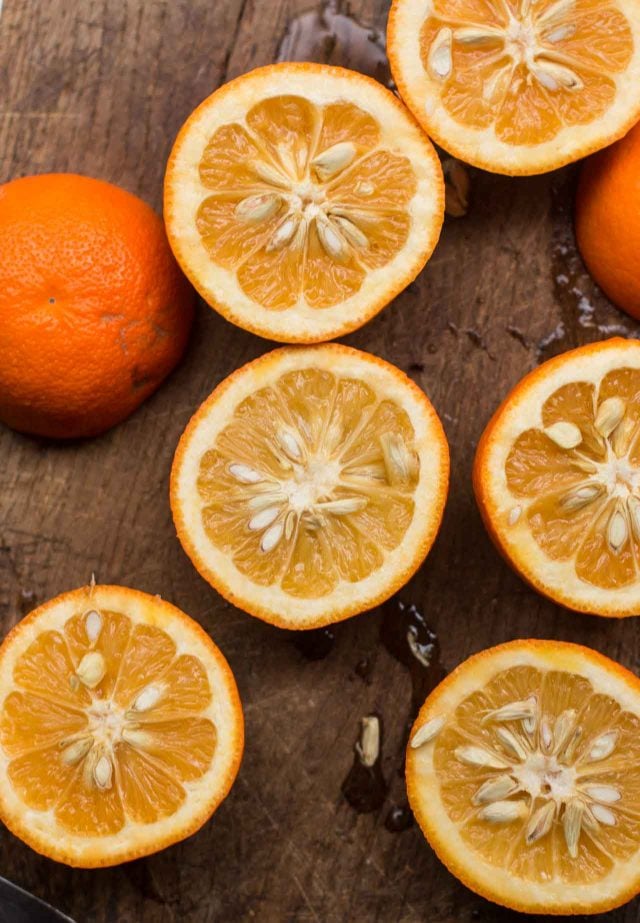
According to various culinary resources, a typical Seville orange can yield approximately 1 to 1.5 cups of juice and a significant amount of pectin-rich seeds. The process of extracting this pectin involves breaking down the cell walls through heat and acidity, which is naturally provided by the oranges themselves and the sugar added during the marmalade-making process.
The historical context of marmalade’s invention also highlights the resourcefulness of past generations. In a time before refrigeration and advanced preservation techniques, the ability to transform seasonal produce into shelf-stable goods was essential for sustenance. The accidental discovery of Seville orange marmalade underscores how necessity and experimentation have shaped culinary traditions for centuries.
Official Responses and Industry Perspectives
While specific "official responses" to the trend of Seville orange marmalade are unlikely in the same way as for a political event, industry perspectives and anecdotal evidence from food retailers and chefs underscore its enduring appeal. Specialty grocers often highlight the arrival of Seville oranges as a seasonal feature, recognizing the demand from dedicated customers.
Food bloggers and culinary publications, like David Lebovitz’s own platform, play a significant role in disseminating information and inspiring home cooks. The consistent sharing of recipes and techniques for Seville orange marmalade across these channels demonstrates a sustained interest. Chefs, too, often incorporate Seville orange marmalade into their menus, utilizing its complex flavor profile in both sweet and savory dishes, further solidifying its status as a gourmet ingredient.
Broader Impact and Implications
The continued popularity of Seville orange marmalade signifies more than just a culinary trend; it reflects a broader cultural shift towards valuing artisanal production, seasonality, and the preservation of culinary heritage. As consumers become more conscious of the provenance and preparation of their food, ingredients like Seville oranges, with their unique characteristics and historical significance, gain increasing importance.
The "revolutionary technique" for seed extraction, while seemingly a small innovation, has a tangible impact. By simplifying a traditionally labor-intensive process, it makes the art of marmalade-making more accessible to a wider audience. This democratization of a classic preserve ensures its continued relevance and encourages a new generation of cooks to engage with and perpetuate this culinary tradition.
The story of Seville orange marmalade, from its accidental invention to its modern-day revival, is a testament to the enduring power of flavor, tradition, and culinary ingenuity. As the season for these prized oranges continues to be celebrated, the rich, bittersweet taste of homemade marmalade serves as a delicious reminder of the simple yet profound connections between food, history, and culture. The availability of this unique citrus fruit in markets worldwide, and the ongoing exploration of how best to prepare it, ensures that the allure of Seville orange marmalade will continue to brighten breakfast tables and culinary endeavors for years to come.