
Tag Cauliflower Pizza Crust
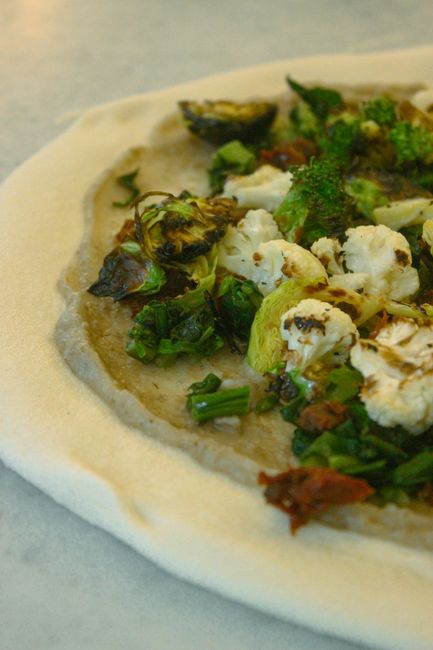
Cauliflower Pizza Crust: The Ultimate Guide for Health-Conscious and Low-Carb Dieters
Cauliflower pizza crust has revolutionized the pizza experience for individuals following low-carb, ketogenic, gluten-free, or generally health-conscious diets. This versatile vegetable, once relegated to the side dish category, is now the star of a delicious and guilt-free pizza base. Its ability to mimic the texture and flavor of traditional dough, with significantly fewer carbohydrates and calories, makes it an exceptionally popular alternative. The process involves transforming raw cauliflower into a pliable "dough" that can then be baked and topped with your favorite pizza ingredients. This article delves deep into the intricacies of creating, perfecting, and enjoying cauliflower pizza crust, covering everything from ingredient selection and preparation to troubleshooting common issues and exploring various recipe adaptations. Understanding the science behind the transformation of cauliflower into a pizza base is key to achieving optimal results, ensuring a crispy exterior and a chewy, satisfying interior. The high moisture content of cauliflower presents the primary challenge, and mastering techniques to remove excess water is paramount to preventing a soggy crust.
The foundation of a successful cauliflower pizza crust lies in the preparation of the cauliflower itself. Start with fresh, firm cauliflower florets. Avoid any cauliflower that shows signs of wilting or bruising, as this can impact both the flavor and the texture of the final crust. The first step is to break down the cauliflower into small, uniform pieces. This can be achieved using a food processor or by hand-grating the florets. The goal is to achieve a rice-like consistency, often referred to as "cauliflower rice." A food processor is the most efficient method for this, but be careful not to over-process, which can lead to a mushy texture. Pulse the cauliflower in short bursts until it resembles coarse rice. Once you have your cauliflower rice, the most critical step is removing as much moisture as possible. This is where many homemade cauliflower crusts falter, resulting in a wet and crumbly base.
There are several effective methods for de-moisturizing cauliflower rice. The most common and highly recommended technique involves steaming or microwaving the cauliflower rice. Steaming is preferred for its gentle cooking and ability to release moisture without further breaking down the cauliflower’s structure. Place the cauliflower rice in a steamer basket over boiling water and steam for approximately 5-7 minutes, or until it is tender but not mushy. Alternatively, you can microwave the cauliflower rice in a microwave-safe bowl, covered, for 5-7 minutes, stirring halfway through. Once cooked, allow the cauliflower rice to cool slightly. This cooling period is essential for safe handling and further moisture release. After cooling, transfer the cauliflower rice to a clean kitchen towel, cheesecloth, or nut milk bag. This is where the "squeezing" begins. Gather the edges of the towel or bag and twist firmly, squeezing out as much liquid as you possibly can. Be prepared for a significant amount of water to be expelled; this is a good sign. The drier your cauliflower rice, the crispier your crust will be. This de-moisturizing process is non-negotiable for a successful cauliflower pizza crust.
Following the moisture removal, the cauliflower rice needs to be bound together to form a cohesive dough. This is typically achieved with eggs and cheese. For a standard crust, one large egg is usually sufficient for about 2 cups of cauliflower rice. The egg acts as a binder, helping to hold the cauliflower particles together. The type of cheese used plays a dual role: it adds flavor and contributes to the binding and crisping process. Grated Parmesan cheese is a popular choice due to its salty, nutty flavor and its ability to melt and create a slightly crispy texture. Mozzarella cheese, finely shredded, is also frequently incorporated for its elasticity and mild flavor. Some recipes opt for a blend of both. When mixing, ensure the egg and cheese are thoroughly incorporated into the cauliflower rice, creating a mixture that can be pressed into a pizza shape. It’s important to work quickly once the egg is added, as it will begin to cook.
Seasoning is crucial for elevating the flavor profile of your cauliflower pizza crust. Beyond salt and pepper, consider adding a pinch of garlic powder, onion powder, dried oregano, or dried basil. These herbs and spices will impart a more authentic pizza-like flavor to the crust. Some adventurous cooks even incorporate a touch of red pepper flakes for a subtle kick. Taste the mixture before forming the crust and adjust seasonings as needed. Remember that the toppings will also contribute to the overall flavor, so aim for a well-seasoned base that complements the toppings rather than overpowering them.
The formation of the pizza crust is a hands-on process that requires a bit of dexterity. Preheat your oven to a high temperature, typically between 400°F and 425°F (200°C to 220°C). High heat is essential for achieving a crispy crust. Line a baking sheet with parchment paper or a silicone baking mat. Parchment paper is highly recommended as it prevents sticking and facilitates easy cleanup. Take the cauliflower mixture and place it onto the prepared baking sheet. Using your hands, or the back of a spoon, spread the mixture evenly into a circular pizza shape, approximately ¼ to ½ inch thick. Aim for consistent thickness to ensure even cooking. For added crispiness, some recipes suggest baking the crust initially without toppings. This "par-baking" step allows the crust to firm up and develop a golden-brown hue before the wet toppings are added, further preventing sogginess.
Par-baking the crust typically takes about 15-20 minutes. You are looking for the edges to start browning and the surface to appear set and slightly dry. Once par-baked, remove the crust from the oven. This is the stage where you add your desired pizza sauce, cheese, and toppings. Be mindful not to overload the crust with excessively wet toppings, as this can still lead to a less-than-ideal texture. Thinly slice vegetables and pre-cook any meats that might release a lot of liquid. Return the assembled pizza to the oven and bake for another 10-15 minutes, or until the cheese is melted and bubbly, and the crust is golden brown and crispy.
Troubleshooting common issues with cauliflower pizza crust is essential for continuous improvement. Soggy Crust: This is the most prevalent problem and is almost always due to insufficient moisture removal from the cauliflower. Repeat the squeezing process, and consider adding a little extra Parmesan cheese to help absorb any residual moisture. Crumbly Crust: This can occur if there isn’t enough binder (egg or cheese), or if the cauliflower was over-processed into a paste. Ensure you have the right ratio of ingredients and that the cauliflower rice is not too fine. Burning: High oven temperatures are necessary, but watch closely to prevent the edges from burning before the center is cooked. Adjust baking time or oven rack position as needed. Lack of Flavor: Ensure adequate seasoning of the cauliflower mixture before baking. Don’t be afraid to experiment with different herbs and spices.
Variations on the basic cauliflower pizza crust recipe abound, catering to diverse dietary needs and flavor preferences. For a dairy-free option, omit the cheese and use a flax egg (1 tablespoon flaxseed meal mixed with 3 tablespoons water, let sit for 5 minutes) as the binder. Nutritional yeast can be added for a cheesy flavor. Gluten-free is inherently achieved with cauliflower crust, but ensure your other ingredients, like sauces and toppings, are also gluten-free. For those adhering to a strict keto diet, ensure all ingredients, including sauces and any added sugars in toppings, are low in net carbs. Some keto enthusiasts incorporate almond flour or coconut flour into the crust mixture for added structure, though this can alter the texture. Vegan cauliflower pizza crusts are also possible, often utilizing flax eggs and nutritional yeast for binding and cheesy flavor.
Beyond the traditional pizza, cauliflower crust can be used in creative ways. Consider making mini cauliflower pizza bites as appetizers, or use the crust as a base for flatbreads with different toppings like pesto and roasted vegetables. The versatility of this ingredient makes it a staple for anyone looking to enjoy pizza in a healthier, more nutritious way.
The nutritional benefits of cauliflower pizza crust are undeniable. Cauliflower is a cruciferous vegetable packed with vitamins, minerals, and fiber. It’s low in calories and carbohydrates, making it an excellent choice for weight management and blood sugar control. Replacing traditional wheat-based pizza dough with cauliflower significantly reduces your intake of refined carbohydrates and gluten, which can be beneficial for individuals with celiac disease or gluten sensitivity. The protein from the eggs and cheese contributes to satiety, helping you feel fuller for longer. When selecting toppings, prioritize nutrient-dense options such as lean proteins, a variety of colorful vegetables, and healthy fats from sources like olives and avocado.
Making cauliflower pizza crust from scratch allows for complete control over ingredients, eliminating processed additives and hidden sugars often found in pre-made pizza crusts or sauces. This transparency in your food preparation is a significant advantage for health-conscious individuals. The process, while requiring a few extra steps, is rewarding and ultimately leads to a delicious and satisfying meal that aligns with your health goals. Understanding the fundamental principles – moisture removal, proper binding, and high-heat baking – will empower you to consistently produce excellent cauliflower pizza crusts.
In conclusion, cauliflower pizza crust offers a compelling alternative to traditional pizza dough, catering to a wide range of dietary preferences and health considerations. Its success hinges on meticulous preparation, particularly in removing excess moisture from the cauliflower rice. By mastering the techniques of de-moisturizing, binding, seasoning, and baking, you can unlock a world of healthy and delicious pizza creations. Whether you’re a seasoned low-carb enthusiast or simply looking to incorporate more vegetables into your diet, cauliflower pizza crust is an accessible and rewarding culinary endeavor. Experiment with flavor combinations, explore different cheese options, and don’t hesitate to adapt recipes to your specific needs. The humble cauliflower, transformed into a crispy, flavorful pizza base, is a testament to the power of smart ingredient substitution in achieving both taste and health. The ongoing popularity and widespread adoption of cauliflower pizza crust in kitchens worldwide underscore its efficacy and deliciousness as a healthier pizza foundation.





