
The Ultimate Onion Scallion Beef A Quick And Flavorful Chinese Stir Fry

The Ultimate Onion Scallion Beef: A Quick and Flavorful Chinese Stir Fry
Onion Scallion Beef, known as "Cong Ba Niu Rou" (葱爆牛肉) in Mandarin, is a quintessential Chinese stir-fry celebrated for its rapid preparation and intense, savory flavor profile. This dish masterfully marries tender strips of beef with the aromatic punch of scallions and onions, all coated in a rich, glossy sauce that sings with umami. It’s a weeknight warrior’s dream, requiring minimal ingredients and yielding maximum impact on the palate. Understanding the core principles behind its success – the precise cooking of the beef, the aromatic foundation of aromatics, and the art of the stir-fry sauce – is key to replicating this restaurant-quality dish at home. The beauty of Onion Scallion Beef lies in its simplicity, showcasing how fundamental Chinese cooking techniques can transform humble ingredients into a culinary masterpiece. This article will delve into the intricacies of creating this dish, from selecting the best ingredients to mastering the stir-fry technique for optimal results.
The foundation of any great Onion Scallion Beef dish is, unsurprisingly, the beef. For stir-frying, thinly sliced, tender cuts are paramount. Options like flank steak, sirloin, or skirt steak are ideal due to their favorable texture and ability to absorb marinade quickly. The key is to slice the beef against the grain. This breaks down the long muscle fibers, ensuring a tender bite that melts in your mouth rather than requiring significant chewing. To achieve paper-thin slices, partially freezing the beef for about 30-60 minutes beforehand is a game-changer. This firms up the meat, making it significantly easier to slice cleanly and uniformly. Uniformity in slicing is crucial for even cooking. Unevenly sliced beef will result in some pieces being overcooked and tough while others remain undercooked. Once sliced, the beef is typically marinated. This marinade serves two primary purposes: tenderizing the meat further and infusing it with foundational flavors. A typical marinade for Onion Scallion Beef will include a combination of soy sauce (for saltiness and umami), Shaoxing wine (a Chinese cooking wine that adds depth and removes any gamey notes from the beef), a touch of cornstarch (which acts as a tenderizer by coating the meat and helping to retain moisture during high-heat cooking, creating a velvety texture), and sometimes a pinch of white pepper or a drizzle of sesame oil. The cornstarch slurry, in particular, is vital for achieving that signature glossy finish on the beef. Allowing the beef to marinate for at least 15-30 minutes is sufficient, but longer marination, up to a couple of hours in the refrigerator, can deepen the flavors further.
The aromatics are the soul of Onion Scallion Beef, providing its distinctive fragrant character. The dish is named for these key ingredients: scallions (also known as green onions) and onions. For this dish, it’s beneficial to use both the white and green parts of the scallions, and to prepare them strategically. The white parts, being firmer and more pungent, are often added earlier to the stir-fry to soften and release their flavor. The green parts, which are more delicate and visually appealing, are typically added towards the end to maintain their vibrant color and fresh, slightly sharp taste. Yellow or white onions are the standard choice. They should be sliced into uniform pieces, often wedges or thick slices, that will soften and become slightly sweet as they cook. Beyond the star ingredients, minced garlic and ginger are almost always present, forming the bedrock of Chinese stir-fry aromatics. Freshly minced garlic and ginger offer a more potent and nuanced flavor than their powdered counterparts. They are usually added to the hot oil before the beef, blooming their fragrances and creating an aromatic foundation that permeates the entire dish. The quality and freshness of these aromatics significantly impact the final flavor. Wilted or old ginger and garlic will not impart the same vibrancy.
The stir-fry sauce is where the magic of flavor truly happens. This sauce is typically a harmonious blend of salty, savory, and subtly sweet elements, designed to coat the beef and vegetables beautifully and bind them together. The core components usually include soy sauce, which provides the primary salty and umami base. Different types of soy sauce can be used; a combination of light soy sauce for saltiness and dark soy sauce for color and a richer, slightly sweeter flavor is often preferred. Shaoxing wine, as mentioned in the marinade, is also a crucial component of the sauce, adding complexity and depth. Oyster sauce is another common addition, contributing a deep umami richness and a touch of sweetness, as well as a glossy sheen to the finished dish. For sweetness, a touch of sugar is usually incorporated. This sugar balances the saltiness of the soy sauce and the richness of the oyster sauce, creating a well-rounded flavor profile. Some recipes might also include a dash of dark vinegar for a hint of tang, or a thickening agent. A common thickening agent is a slurry made from cornstarch and water. This slurry is whisked into the sauce towards the end of the cooking process, creating a beautiful, glossy glaze that clings to the ingredients. The precise ratios of these ingredients can be adjusted to personal preference, but a well-balanced sauce is critical for the success of Onion Scallion Beef.
Mastering the stir-fry technique is arguably the most crucial element in achieving a restaurant-quality Onion Scallion Beef. Stir-frying is a high-heat, rapid-cooking method that relies on constant movement to ensure even cooking and to prevent burning. A wok is the traditional and ideal vessel for stir-frying due to its shape, which allows for even heat distribution and easy tossing of ingredients. However, a large, heavy-bottomed skillet can also be used. The key is high heat. The wok or skillet should be smoking hot before any ingredients are added. This intense heat is what sears the beef quickly, creating a flavorful crust while keeping the interior tender and juicy. The cooking process is sequential. First, a high smoke point oil, such as peanut oil, vegetable oil, or canola oil, is heated in the wok until shimmering. Then, the aromatics – garlic and ginger – are added and stir-fried for a mere 15-30 seconds until fragrant. Overcooking these aromatics will lead to a bitter taste. Next, the marinated beef is added. It’s crucial to add the beef in a single layer as much as possible, and not to overcrowd the wok. Overcrowding will steam the meat instead of searing it, resulting in a less desirable texture. The beef is stir-fried, tossing constantly, until it is just cooked through. This should only take a minute or two. Once the beef is seared, it’s often removed from the wok temporarily. This prevents the beef from overcooking while the vegetables are cooked. The onions are then added and stir-fried for a minute or two until they begin to soften. Finally, the scallions (both white and green parts) are added, along with the pre-mixed stir-fry sauce. The sauce is brought to a simmer, and the cornstarch slurry (if used) is added, stirring continuously until the sauce thickens and coats everything in a glossy sheen. If the beef was removed, it’s added back in at this stage, just to be warmed through and coated in the sauce. The entire stir-frying process, from start to finish, should be very quick, often under 10 minutes. This rapid cooking preserves the texture and vibrant flavors of all the ingredients.
The ingredients list for a classic Onion Scallion Beef is relatively concise, emphasizing fresh, quality components. For the beef, approximately one pound of flank steak, sirloin, or skirt steak is a good starting point. For the marinade, you’ll typically need 1 tablespoon of soy sauce, 1 tablespoon of Shaoxing wine, 1 teaspoon of cornstarch, and a pinch of white pepper. For the aromatics, you’ll want one large onion, thinly sliced, and about 4-6 scallions, with the white and green parts separated and cut into 2-inch segments. Two cloves of garlic, minced, and a 1-inch piece of fresh ginger, minced, are also essential. For the stir-fry sauce, a common ratio would be 2 tablespoons of light soy sauce, 1 tablespoon of dark soy sauce, 1 tablespoon of Shaoxing wine, 1 tablespoon of oyster sauce, 1 teaspoon of sugar, and optionally, 1 teaspoon of cornstarch mixed with 2 tablespoons of water for thickening. A high smoke point cooking oil, such as peanut or vegetable oil, will be needed for stir-frying. Optional additions can include a pinch of red pepper flakes for a touch of heat, or a teaspoon of sesame oil added at the very end for extra aroma. The beauty of this dish lies in its adaptability; while these are standard ingredients, slight variations in quantities or the inclusion of minor additions can cater to individual taste preferences. Sourcing fresh, high-quality ingredients is paramount for the best results, as the simple nature of the dish relies heavily on the inherent flavors of its components.
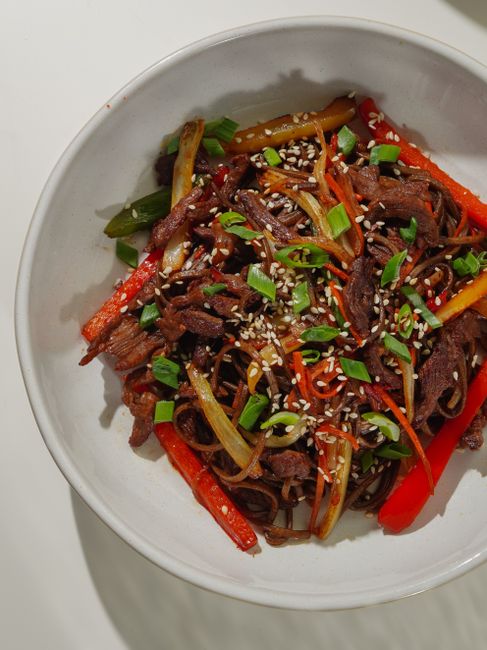
Serving Onion Scallion Beef is typically done immediately after cooking, allowing the diner to experience its optimal texture and heat. It is most commonly served alongside steamed white rice, which acts as a neutral canvas to absorb the rich, savory sauce. The fluffy rice complements the tender beef and crisp-tender vegetables perfectly. Other serving suggestions include noodles, such as lo mein or chow mein, for a more substantial meal, or even as a topping for fried rice. The visual appeal of the dish is also important. The glossy, dark sauce coating the vibrant green of the scallions and the translucent white of the onions, interspersed with the beautifully seared beef, makes for an appetizing presentation. Garnish is usually minimal, as the dish is already so flavorful and visually appealing on its own. A sprinkle of toasted sesame seeds or a few extra slivers of fresh scallion can add a final touch of texture and color. The aroma that wafts from a freshly prepared Onion Scallion Beef is enough to tantalize the senses, promising a deeply satisfying culinary experience. The simplicity of the dish allows it to be a versatile accompaniment to many Asian-inspired meals, or a star attraction on its own.
The SEO appeal of Onion Scallion Beef lies in its discoverability through common search terms related to Chinese cuisine, quick meals, and specific ingredients. Keywords such as "Chinese beef stir fry," "scallion beef recipe," "quick beef dinner," "easy stir fry," "authentic Chinese food," "Cong Ba Niu Rou," and "beef and onion recipe" are all highly relevant. Optimizing content for these terms involves naturally integrating them into headings, subheadings, the body of the article, and image alt text. Providing detailed instructions, ingredient lists, and tips on technique increases the article’s depth and authority, encouraging longer user engagement. The term "ultimate" in the title suggests a comprehensive guide, attracting users seeking detailed information. High-quality images of the dish would also be crucial for visual appeal and social sharing, further enhancing SEO through increased traffic and backlinks. Focusing on the "quick and flavorful" aspect caters to a broad audience looking for efficient yet delicious meal solutions. The inclusion of the Mandarin name "Cong Ba Niu Rou" broadens the search net for those familiar with Chinese culinary terms. By consistently using these keywords and providing valuable, well-structured content, this article aims to rank highly in search engine results for users seeking to create this classic Chinese dish. The emphasis on its speed and flavor profile makes it a highly searchable and desirable recipe.


