The Mediterranean Diet: Adapting This Renowned Eating Pattern for Gluten-Free, Dairy-Free, and Vegetarian Lifestyles

The Mediterranean diet, consistently lauded as the premier dietary approach by health experts and consistently topping "best diet" rankings year after year, offers a wealth of scientifically-backed benefits. These include robust heart protection, improved gut health, significant defense against certain types of cancer, and a notable contribution to longevity. However, for individuals navigating specific dietary restrictions such as gluten intolerance, celiac disease, lactose intolerance, or personal vegetarian preferences, the perception that this celebrated lifestyle is unattainable can arise. Fortunately, the inherent flexibility and emphasis on whole, unprocessed foods within the authentic Mediterranean framework make it remarkably adaptable. This article explores how individuals with these common dietary needs can embrace the principles of the Mediterranean diet, enjoying its full spectrum of nutrient-rich and satisfying meals without resorting to heavily processed modern substitutes.
The Pillars of the Mediterranean Diet
At its core, the Mediterranean diet is not a rigid set of rules but rather a pattern of eating that emphasizes fresh, seasonal produce, whole grains, legumes, nuts, seeds, olive oil as the primary fat source, and moderate consumption of fish and poultry, with limited red meat and sweets. This dietary mosaic, inspired by the eating habits of populations in countries bordering the Mediterranean Sea, has been the subject of extensive research for decades. Landmark studies, such as the Seven Countries Study initiated in the 1950s, provided early epidemiological evidence linking this dietary pattern to lower rates of cardiovascular disease and increased lifespan. More recent research, including the PREDIMED study, has further solidified its benefits, demonstrating significant reductions in cardiovascular events, stroke, and type 2 diabetes among participants following a Mediterranean-style diet.
Adapting for Gluten-Free Needs
For individuals with gluten intolerance or celiac disease, the prospect of adhering to a diet often associated with bread and pasta might seem daunting. However, the Mediterranean diet is inherently rich in naturally gluten-free foods. The foundation of this eating pattern lies in an abundance of vegetables, fruits, legumes, and healthy fats, all of which are gluten-free. When incorporating grains, the focus shifts to naturally gluten-free options.
Naturally Gluten-Free Mediterranean Foods to Embrace:
- Vegetables: A vast array, including leafy greens (spinach, kale, chard), tomatoes, cucumbers, bell peppers, zucchini, eggplant, artichokes, broccoli, cauliflower, carrots, onions, garlic, and sweet potatoes. These form the cornerstone of most Mediterranean meals, providing fiber, vitamins, and antioxidants.
- Fruits: All fresh fruits are excellent choices, such as berries, apples, pears, citrus fruits, figs, grapes, and melons. They offer natural sweetness and essential nutrients.
- Legumes: Lentils, chickpeas, beans (kidney, cannellini, black-eyed peas), and peas are protein powerhouses that are naturally gluten-free and a staple in Mediterranean cuisine. They are versatile and can be incorporated into salads, stews, and dips.
- Nuts and Seeds: Almonds, walnuts, pistachios, sunflower seeds, pumpkin seeds, and sesame seeds provide healthy fats, protein, and fiber. They are perfect for snacks or as additions to meals.
- Grains (Gluten-Free): Rice (brown, white, wild), quinoa, millet, buckwheat, and corn (in its whole form, like polenta or cornmeal) are readily available and can substitute for wheat-based grains.
- Proteins: Fish (salmon, sardines, mackerel, anchovies), seafood, poultry (chicken, turkey), and eggs are excellent sources of protein.
- Dairy Alternatives (where applicable): While not the primary focus for gluten-free, plain yogurt or cheese can be enjoyed if dairy is not also a restriction.
- Olive Oil: Extra virgin olive oil is the primary source of healthy monounsaturated fats, crucial for heart health and nutrient absorption.
Sample Gluten-Free Mediterranean Meal Plan:
- Breakfast: Greek yogurt with berries, honey, and a sprinkle of chopped almonds. Alternatively, a vegetable omelet with spinach and tomatoes.
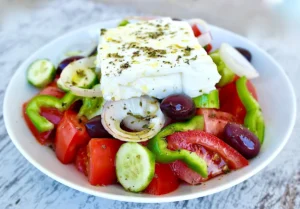
- Lunch: A large Greek salad with mixed greens, cucumber, tomatoes, Kalamata olives, feta cheese (optional), and grilled chicken or chickpeas, dressed with olive oil and lemon juice. A side of quinoa can be added for extra sustenance.
- Dinner: Baked salmon with roasted vegetables (zucchini, bell peppers, onions) and a side of lemon-herb seasoned rice. Another option is lentil soup with a side of a mixed green salad.
- Snacks: A handful of walnuts, an apple with almond butter, or a small bowl of mixed olives.
The emphasis on fresh produce and legumes inherently minimizes gluten exposure. Traditional dishes like Horta (wild greens) with olive oil and lemon, various lentil and bean soups, and rice pilafs are naturally gluten-free.
Embracing Dairy-Free Living
For individuals who are lactose intolerant or choose to avoid dairy products, the Mediterranean diet presents a surprising abundance of naturally dairy-free options. This is rooted in the historical dietary practices of the region. For instance, the traditional Cretan and Greek diet of the mid-20th century, often cited as the prototype for the modern Mediterranean diet, included extended periods of fasting from animal products. Historical records indicate that many communities observed religious fasts that spanned over 200 days a year, necessitating a reliance on plant-based foods and inherently leading to a rich repertoire of dairy-free recipes.
Naturally Dairy-Free Mediterranean Foods to Prioritize:
- Vegetables and Fruits: As with the gluten-free adaptation, these form the foundation and are naturally dairy-free.
- Legumes: Lentils, chickpeas, beans, and peas are essential sources of protein and fiber, entirely free from dairy.
- Nuts and Seeds: A wide variety, including almonds, walnuts, cashews, sunflower seeds, and chia seeds, offer healthy fats and nutrients. Nut butters are also excellent options.
- Whole Grains: Oats, barley, rye, buckwheat, quinoa, and brown rice are typically dairy-free. Ensure to check labels for cross-contamination if opting for pre-packaged products.
- Olive Oil: The cornerstone of healthy fats, providing flavor and nutritional benefits.
- Proteins: Fish, seafood, poultry, and eggs are naturally dairy-free.
- Plant-Based Milks and Yogurts: Unsweetened almond milk, soy milk, coconut milk, and their respective yogurts can be used as alternatives to dairy milk and yogurt, though the emphasis is on whole foods.
- Herbs and Spices: Used generously to add flavor without dairy.
Sample Dairy-Free Mediterranean Meal Plan:
- Breakfast: Oatmeal made with water or unsweetened almond milk, topped with fresh berries and a sprinkle of flaxseeds. Alternatively, a smoothie made with fruit, spinach, and almond milk.
- Lunch: A hearty lentil soup, accompanied by a side salad with a vinaigrette dressing made from olive oil, lemon juice, and herbs. Whole-grain bread (ensure it’s dairy-free) can be included.
- Dinner: Grilled swordfish or shrimp skewers marinated in lemon and herbs, served with a large portion of roasted Mediterranean vegetables (tomatoes, zucchini, eggplant) drizzled with olive oil. A side of quinoa pilaf can be added.
- Snacks: A small bunch of grapes, a handful of almonds, or hummus with vegetable sticks.
The historical context of fasting in Mediterranean cultures provides a strong foundation for dairy-free eating. Many traditional dishes, from vegetable stews to bean-based dishes, were developed without dairy.
The Vegetarian Mediterranean Diet
For vegetarians, the Mediterranean diet is not just compatible but is often considered a natural extension of their eating principles. In fact, the traditional Mediterranean diet is largely vegetarian, with animal products consumed in moderation. Many of its core components align perfectly with a vegetarian lifestyle, offering ample protein and healthy fats without the need for meat. As noted earlier, historical practices, including extended fasting periods, often meant that the diet was predominantly plant-based, bordering on vegan in many instances.
Key Foods for a Vegetarian Mediterranean Diet:
- Abundant Vegetables and Fruits: The variety is limitless, providing essential vitamins, minerals, fiber, and antioxidants.
- Legumes: This group is crucial for vegetarians, providing protein, iron, and fiber. Lentils, chickpeas, and various beans are central to Mediterranean cuisine. Dishes like hummus, falafel, and lentil stews are excellent examples.
- Nuts and Seeds: Offer healthy fats, protein, and essential minerals like magnesium and zinc. They are versatile additions to meals and snacks.
- Whole Grains: Quinoa, barley, oats, brown rice, and whole-wheat pasta (if gluten is not an issue) provide complex carbohydrates for energy and fiber.
- Olive Oil: The primary source of healthy fats, enhancing flavor and nutrient absorption.
- Eggs and Dairy (optional): For lacto-ovo vegetarians, eggs and moderate amounts of dairy like yogurt and cheese can be incorporated. However, the diet is rich enough in nutrients without them if preferred.
- Herbs and Spices: Essential for creating flavorful dishes.
Sample Vegetarian Mediterranean Meal Plan:
- Breakfast: A bowl of Greek yogurt (dairy or plant-based) topped with mixed berries, a drizzle of honey, and a sprinkle of walnuts. Alternatively, whole-grain toast with mashed avocado and a sprinkle of red pepper flakes.
- Lunch: A substantial chickpea and vegetable salad with mixed greens, cucumber, tomatoes, red onion, bell peppers, and a lemon-herb vinaigrette. A side of whole-grain bread or a small portion of quinoa can be added.
- Dinner: A rich and hearty vegetarian moussaka made with layers of eggplant, potatoes, and a lentil-based tomato sauce, topped with a béchamel sauce (which can be made dairy-free with plant-based milk and olive oil). Another option is a vegetable and bean stew served with couscous or brown rice.
- Snacks: A handful of almonds, a piece of fruit, or a small container of hummus with carrot sticks.
The vegetarian Mediterranean diet celebrates the plant kingdom, with dishes like spanakopita (spinach pie, often made with phyllo dough which can be gluten-free), gemista (stuffed tomatoes and peppers with rice and herbs), and fasolada (bean soup) being exemplary of its hearty and nutritious plant-based offerings.
The Broad Impact and Implications
The adaptability of the Mediterranean diet underscores its status as a sustainable and healthy lifestyle choice rather than a restrictive fad. The emphasis on whole, minimally processed foods inherently aligns with many dietary needs. By focusing on the core principles – an abundance of plant-based foods, healthy fats, and lean proteins – individuals can tailor this celebrated eating pattern to fit their specific requirements.
The scientific backing for the Mediterranean diet is extensive, with numerous studies highlighting its efficacy in preventing chronic diseases. For example, research published in the New England Journal of Medicine on the PREDIMED study demonstrated a significant reduction in major cardiovascular events. The diet’s benefits extend to cognitive health, with some studies suggesting a link to slower cognitive decline in older adults.
The implications of making the Mediterranean diet accessible to a wider population are significant. It offers a pathway to improved public health, potentially reducing the burden of diet-related chronic diseases. Furthermore, by promoting the consumption of whole, local, and seasonal foods, it can also support sustainable food systems and culinary traditions. The inherent flexibility means that dietary restrictions, rather than being barriers, can become opportunities to explore the diverse and vibrant culinary heritage of the Mediterranean region.
The author, Elena Paravantes, MS, RD, an expert on the Mediterranean Diet with extensive experience in both the U.S. and Greece, emphasizes this adaptability. Her work aims to demystify the diet and make its health benefits accessible to everyone, regardless of their specific dietary needs. Her insights, honed over two decades of clinical practice, consulting, and lecturing, highlight the natural compatibility of traditional Mediterranean foods with gluten-free, dairy-free, and vegetarian lifestyles, proving that embracing this renowned eating pattern is well within reach for a diverse range of individuals seeking a healthier, more satisfying way of eating.