Mediterranean Baked Lamb Chops with Roasted Root Vegetables: An Easy Sheet Pan Delight

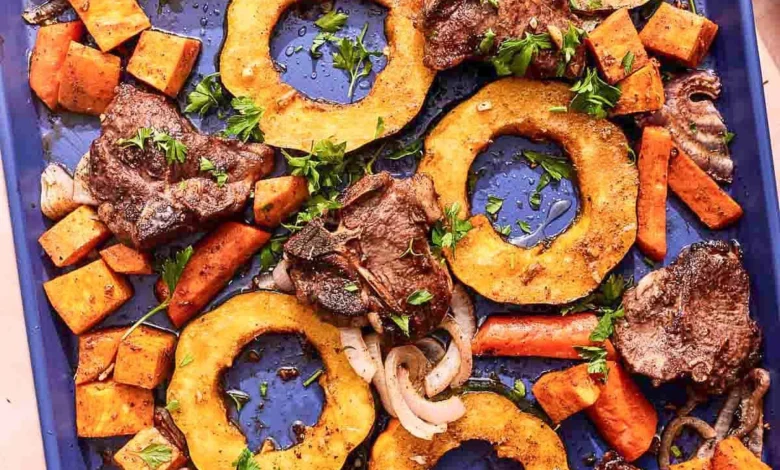
This easy sheet pan dinner features baked lamb chops, roasted carrots, acorn squash, and warm Mediterranean spices, offering a flavorful and convenient meal option. The recipe, originating from The Mediterranean Dish, highlights a Mediterranean garlic marinade and provides insights into achieving perfectly baked lamb chops, making it an ideal choice for weeknight dining and a testament to the vibrant flavors of Mediterranean cuisine.
A Culinary Journey Through Mediterranean Flavors
The appeal of lamb in Mediterranean cultures is deeply rooted, often reflecting ancestral culinary traditions passed down through generations. This particular recipe taps into that heritage, presenting a harmonious blend of protein-rich lamb loin chops with the earthy sweetness of roasted root vegetables. The concept of a one-pan meal is a modern culinary solution that aligns perfectly with the desire for both flavor and efficiency in today’s busy households. By combining the lamb with vegetables like carrots, sweet potatoes, and acorn squash, the dish becomes a complete and gluten-free meal, catering to a wide range of dietary preferences and needs. The inherent quick-cooking nature of lamb loin chops further enhances its suitability for weeknight preparation, a crucial factor for many home cooks seeking nutritious and satisfying meals without extensive time commitments.
The rich, meaty flavor profile of lamb chops makes them an excellent canvas for robust marinades and aromatic spices. This recipe leverages this characteristic by employing a Mediterranean-inspired marinade, featuring extra virgin olive oil, generous amounts of fresh garlic, and a symphony of warm spices. Allspice, paprika, and a hint of ground nutmeg contribute to a complex flavor that complements the lamb without overpowering it. The adaptability of the recipe is another key strength, encouraging cooks to utilize whatever vegetables are readily available in their refrigerators. This flexibility not only reduces food waste but also allows for personalized variations, ensuring the dish remains a favorite while accommodating seasonal produce.
The Art of Mediterranean Marinades and Spice Blends
The foundation of this Mediterranean baked lamb chop recipe lies in its meticulously crafted marinade. Extra virgin olive oil, a cornerstone of Mediterranean cooking, provides a smooth base, while an abundance of fresh garlic infuses the dish with its pungent aroma and savory depth. The spice blend is where the dish truly shines, bringing together the warmth of allspice, the subtle sweetness and color of paprika, and the delicate, almost nutty notes of ground nutmeg. These spices are not merely seasonings; they are integral components that define the dish’s unique Mediterranean character. Allspice, with its complex flavor profile reminiscent of cinnamon, cloves, and nutmeg, adds a layer of aromatic sweetness. Paprika, depending on its variety, can contribute mild warmth or a gentle heat, alongside a vibrant visual appeal. Nutmeg, used judiciously, offers a sophisticated warmth that rounds out the spice profile.
The interplay of these ingredients in the marinade is designed to tenderize the lamb and impart a deep, satisfying flavor that permeates every bite. The olive oil helps to distribute the flavors and ensures the lamb remains moist during the cooking process. Fresh garlic, when exposed to heat, mellows into a sweet, creamy essence that melds beautifully with the spices. This approach to marination is a hallmark of Mediterranean culinary traditions, where simple, high-quality ingredients are allowed to speak for themselves, enhanced by thoughtful seasoning.
A Symphony of Roasted Root Vegetables
Complementing the succulent lamb chops are a medley of roasted root vegetables, including carrots, sweet potatoes, and acorn squash. The roasting process transforms these humble vegetables into caramelized delights, bringing out their natural sweetness and enhancing their earthy flavors. Carrots, when roasted, develop a tender interior and a slightly crisp exterior, their sweetness intensifying. Sweet potatoes become creamy and tender, their inherent sugary notes becoming more pronounced. Acorn squash, with its subtly sweet and nutty flavor, softens beautifully, offering a delightful textural contrast.
The choice of these specific vegetables is deliberate, reflecting their common presence in Mediterranean diets and their ability to hold up well to roasting. Their varying textures and flavors create a balanced and visually appealing plate. The natural sugars in these vegetables caramelize under the heat of the oven, creating delicious browned edges and a depth of flavor that pairs exceptionally well with the seasoned lamb. This combination transforms a simple sheet pan meal into a culinary experience, showcasing the versatility of seasonal produce and the power of simple cooking techniques.
Crafting the Perfect Sheet Pan Meal
The preparation of this Mediterranean baked lamb chop recipe is designed for maximum flavor with minimum fuss, a characteristic that defines successful sheet pan dinners. The process typically involves preparing the vegetables, marinating the lamb, and then bringing it all together on a single baking sheet for efficient cooking.
Step-by-Step Culinary Execution
-
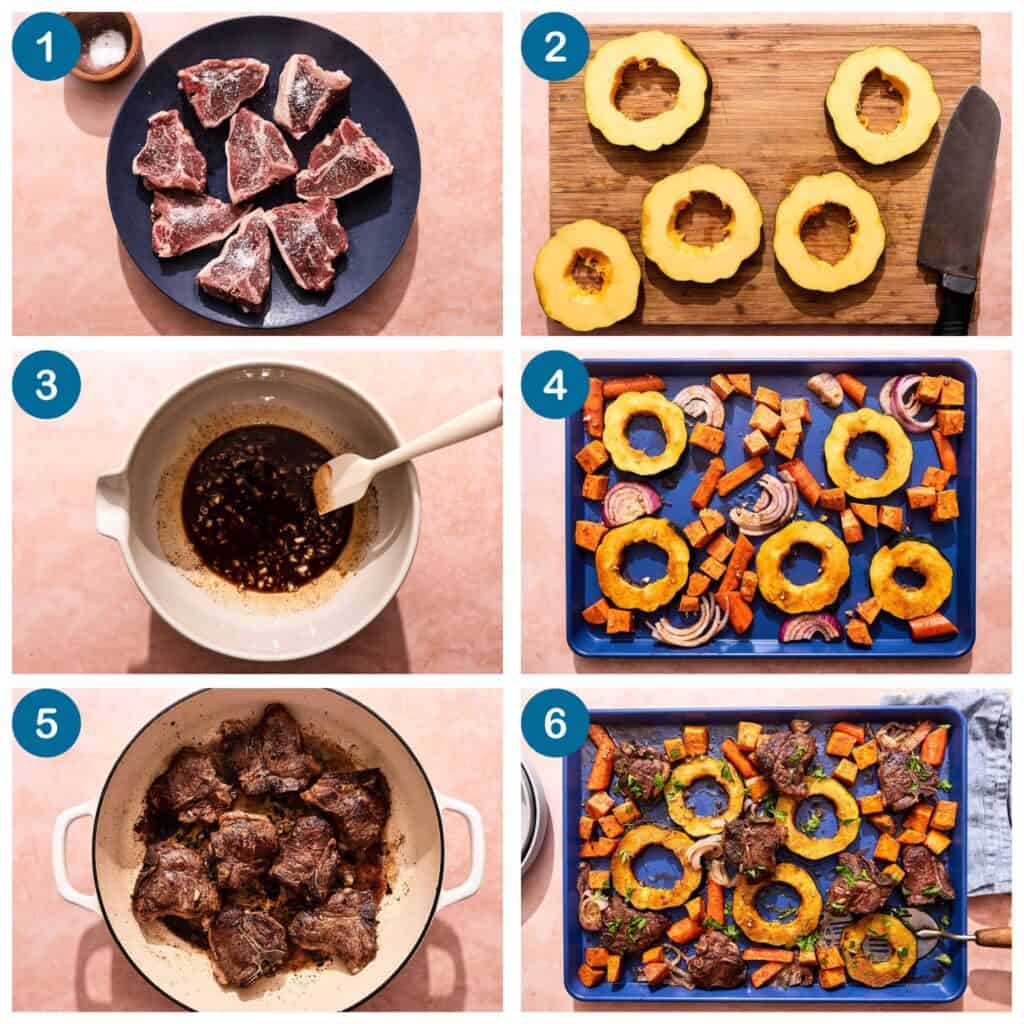
Vegetable Preparation: The foundation of the dish begins with the careful preparation of the root vegetables. Carrots are often cut into uniform pieces, such as planks or thick rounds, to ensure even cooking. Sweet potatoes are similarly chopped into bite-sized cubes. Acorn squash, after being halved and seeded, is typically cut into wedges or cubes, making it easier to distribute and cook alongside the other vegetables. Uniformity in size is crucial for achieving consistent tenderness across all the vegetables.
-
Marinade Creation: The heart of the flavor profile lies in the marinade. This is typically prepared by whisking together extra virgin olive oil, minced fresh garlic, and the chosen Mediterranean spices – allspice, paprika, and nutmeg. A touch of salt and freshly ground black pepper are usually added to enhance the overall taste. The quality of the olive oil is paramount, as it forms a significant part of the marinade’s base and contributes its own fruity notes.
-
Vegetable Coating and Arrangement: Once the marinade is ready, the prepared vegetables are tossed in it, ensuring each piece is thoroughly coated. This allows the flavors to penetrate the vegetables as they roast. The marinated vegetables are then spread in a single layer on a large baking sheet. It’s important not to overcrowd the pan, as this can lead to steaming rather than roasting, inhibiting the development of desirable caramelized edges.
-
Lamb Chop Preparation: While the vegetables are being prepared, the lamb chops are typically seasoned with salt and pepper. Some recipes may recommend a brief sear for the lamb chops before they are added to the sheet pan. This step, known as the Maillard reaction, helps to develop a flavorful crust on the outside of the lamb, adding another layer of complexity to the final dish.
-
The Baking Process: The lamb chops are then placed directly onto the baking sheet alongside the marinated vegetables. The precise cooking time will vary depending on the thickness of the lamb chops and the desired level of doneness. Lamb loin chops are known for their quick cooking time, often achieving a perfect medium-rare within 10-12 minutes. Overcooking can lead to dry, less palatable meat, so monitoring the internal temperature is key. The vegetables, given their denser nature, will likely require a slightly longer cooking time, often starting their roasting before the lamb is added, or being cooked together at an appropriate temperature that allows both to reach their optimal state. A common approach is to roast the vegetables for an initial period, then add the lamb chops to finish cooking together.
Optimal Cooking Temperatures and Times
The success of a sheet pan dinner hinges on achieving the right balance of cooking temperatures and times for all components. For this Mediterranean lamb chop and vegetable dish, a moderate to high oven temperature, typically between 400°F (200°C) and 425°F (220°C), is generally employed. This heat level is sufficient to roast the vegetables, encouraging caramelization, while also cooking the lamb chops quickly and efficiently.
The exact duration will depend on several factors:
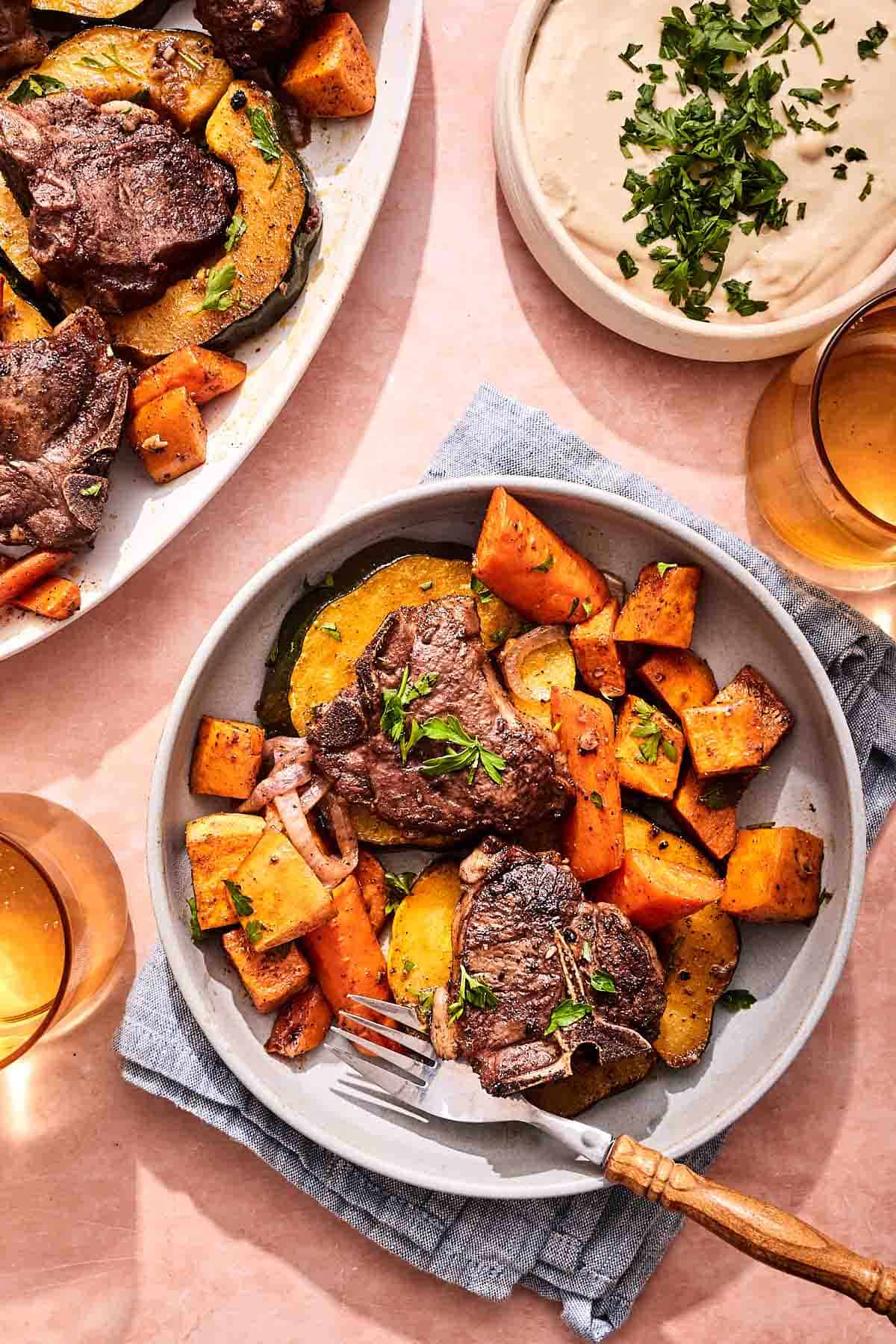
- Vegetable Size: Smaller, uniformly cut vegetables will cook faster.
- Lamb Chop Thickness: Thicker chops will require more time.
- Oven Calibration: Ovens can vary in their actual temperature.
- Desired Doneness: For lamb, medium-rare is often recommended for optimal tenderness and flavor.
A general guideline for medium-rare lamb loin chops is an internal temperature of 130-135°F (54-57°C). This can typically be achieved within 10-12 minutes in a preheated oven at 400°F (200°C). The vegetables, depending on their density and cut size, might require 25-35 minutes of roasting, potentially starting before the lamb is introduced to the pan. A strategic approach involves adding the lamb to the pan during the last 10-15 minutes of the vegetables’ cooking time to ensure everything is ready simultaneously.
Pro Tips for Culinary Excellence
To elevate the experience and ensure consistent success, several pro tips can be applied:
- Preheat the Oven Thoroughly: A properly preheated oven is critical for achieving the desired caramelization and even cooking.
- Don’t Overcrowd the Pan: Allowing adequate space between ingredients promotes air circulation, leading to better roasting and crispier edges. If necessary, use two baking sheets.
- Uniform Vegetable Cuts: Ensuring all vegetable pieces are similar in size guarantees they cook at the same rate.
- Pat Lamb Dry: Before searing or seasoning, patting the lamb chops dry with paper towels helps to achieve a better sear and a crispier exterior.
- Rest the Lamb: After cooking, allowing the lamb chops to rest for 5-10 minutes before serving helps to redistribute their juices, resulting in a more tender and flavorful final product.
- Quality Ingredients: Using high-quality olive oil, fresh garlic, and fresh herbs (if incorporated) significantly enhances the overall flavor of the dish.
Adaptability and Variations: A Culinary Canvas
The beauty of this sheet pan lamb chop recipe lies in its inherent flexibility. While the core components of lamb and roasted vegetables are central, the dish serves as a versatile canvas for culinary creativity and adaptation based on ingredient availability and personal preference.
Swaps and Substitutions for Vegetables
The selection of root vegetables in this recipe—carrots, sweet potatoes, and acorn squash—is a deliberate choice for flavor and texture, but it is by no means exclusive. Cooks are encouraged to explore a variety of other vegetables that roast well and complement the Mediterranean flavor profile.
- Other Squash Varieties: Butternut squash, delicata squash, or even pumpkin can be excellent substitutes for acorn squash, offering similar sweetness and creamy texture when roasted.
- Root Vegetables: Parsnips, turnips, or rutabaga can be incorporated, offering distinct earthy flavors and varying degrees of sweetness. These may require slightly longer cooking times due to their density.
- Alliums: Red onions, shallots, or leeks can add a savory depth. Red onions, in particular, caramelize beautifully when roasted, offering a sweet and slightly pungent counterpoint.
- Cruciferous Vegetables: Broccoli florets, cauliflower florets, or Brussels sprouts can be added. It’s important to note that these may cook faster than root vegetables, so they might need to be added to the pan later in the cooking process.
- Bell Peppers: Slices of red, yellow, or orange bell peppers can add sweetness, vibrant color, and a softer texture to the roasted medley.
When substituting vegetables, it is essential to consider their density and water content, as this will affect their cooking time. Denser root vegetables will generally require more time than softer vegetables like bell peppers or broccoli. It is often advisable to cut vegetables into similar-sized pieces to ensure even cooking.
Exploring Alternative Protein Options
While the recipe specifically features lamb chops, the sheet pan methodology can be adapted for other proteins. For those seeking alternatives or looking to diversify their meal rotation, consider:
- Chicken Thighs: Bone-in or boneless chicken thighs, marinated in a similar Mediterranean-inspired blend, would be a delicious and forgiving option, requiring a slightly longer cooking time than lamb chops.
- Pork Tenderloin: Sliced pork tenderloin can also be marinated and roasted alongside the vegetables. It cooks relatively quickly and absorbs flavors well.
- Salmon Fillets: For a lighter, pescatarian option, salmon fillets can be added to the sheet pan during the last 10-15 minutes of the vegetables’ cooking time. Their rich flavor pairs well with Mediterranean spices.
The key to adapting the recipe for different proteins is to adjust the cooking times accordingly. Understanding the typical cooking temperatures and times for each protein is crucial for achieving a perfectly cooked meal.
Completing the Culinary Ensemble: Sides and Accompaniments
The beauty of a well-executed sheet pan dinner is its self-sufficiency; it often requires minimal additional components to become a complete and satisfying meal. However, for those who enjoy layering flavors and textures, a few thoughtfully chosen accompaniments can further enhance the dining experience.
The Allure of Tahini Sauce and Beyond
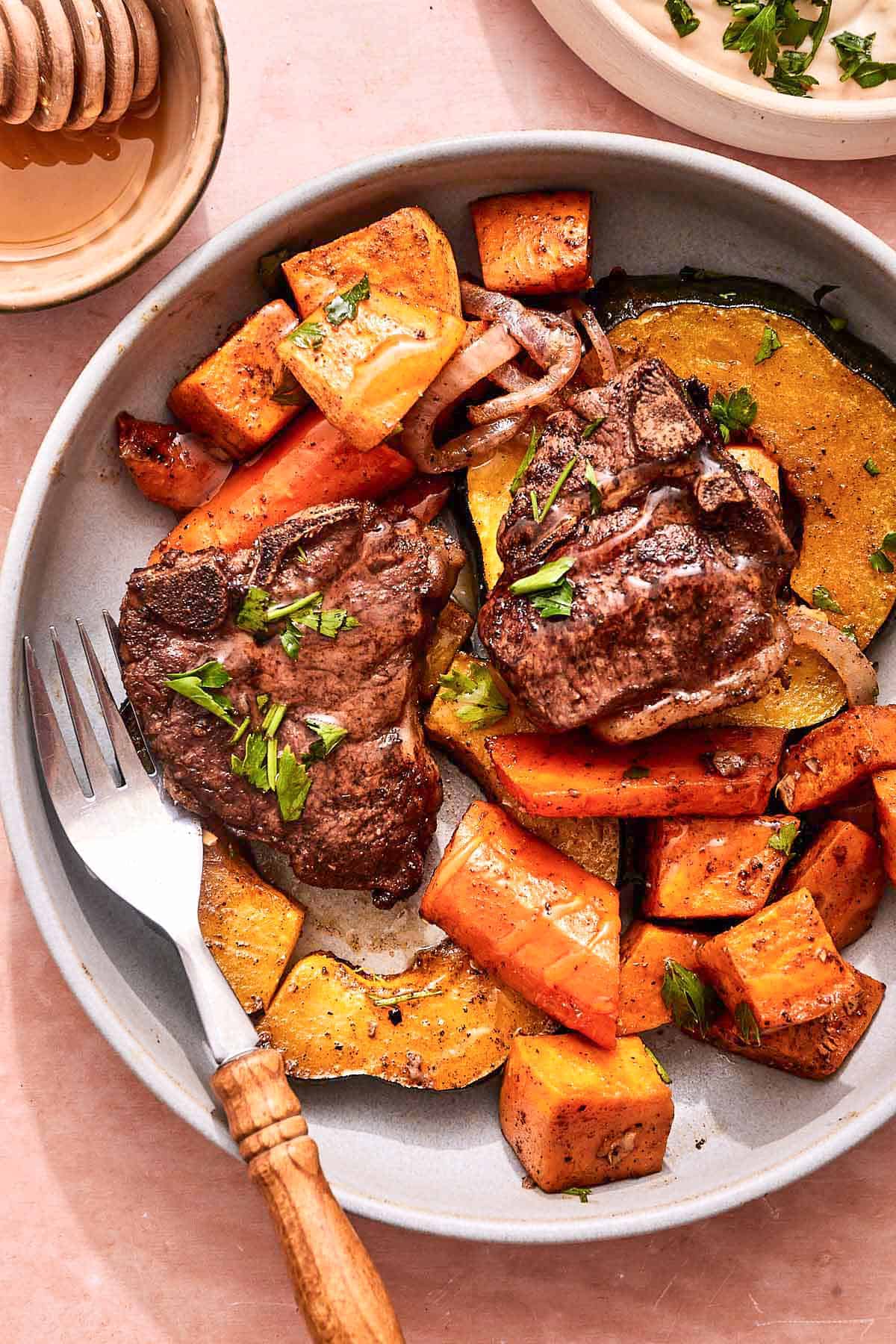
A drizzle of tahini sauce is suggested as an optional but highly recommended addition. Tahini, a paste made from ground sesame seeds, is a staple in Mediterranean and Middle Eastern cuisines. Its creamy, nutty flavor adds a rich and savory dimension that beautifully complements both the lamb and the roasted vegetables. A simple tahini sauce can be made by whisking tahini with lemon juice, garlic, water, and salt until a smooth, pourable consistency is achieved. This condiment provides a delightful contrast to the caramelized sweetness of the vegetables and the savory notes of the lamb.
Beyond tahini, other accompaniments can elevate this meal:
- Fresh Herbs: A generous scattering of fresh parsley, mint, or cilantro over the finished dish can add a burst of freshness and vibrant color.
- Lemon Wedges: Fresh lemon wedges served alongside allow individuals to add a bright, zesty acidity to their individual portions, cutting through the richness of the lamb.
- Yogurt Sauce: A dollop of plain Greek yogurt, perhaps mixed with a touch of garlic and dill, can offer a cooling and tangy counterpoint.
Complementary Salads for a Balanced Meal
For those seeking to incorporate more fresh elements into their meal, pairing the sheet pan dinner with a vibrant salad is an excellent strategy. Two suggested salads offer distinct yet complementary flavor profiles:
-
Easy Mediterranean Orange and Pomegranate Salad: This salad brings a refreshing burst of citrus and tartness. The sweetness of oranges, combined with the jewel-like seeds of pomegranate, offers a delightful contrast to the savory lamb and roasted vegetables. The salad’s bright flavors can cut through the richness of the main dish, creating a balanced and palate-cleansing experience.
-
Shaved Brussels Sprouts Salad with Honey-Citrus Dressing: This salad introduces a different textural element with the crispness of shaved Brussels sprouts. The honey-citrus dressing provides a touch of sweetness and tang, harmonizing with the flavors of the roasted vegetables and lamb. The slightly bitter notes of the Brussels sprouts can add another layer of complexity to the overall meal.
These salads are designed to complement the Mediterranean theme of the main dish, offering a lighter, more refreshing counterpoint that rounds out the meal without overpowering it.
Storage and Reheating: Preserving the Flavors
Leftovers from this flavorful sheet pan dinner can be stored and reheated effectively, ensuring that the delicious flavors are preserved for future enjoyment. Proper storage techniques are key to maintaining the quality and texture of both the lamb and the roasted vegetables.
Optimal Storage Practices
- Cool Completely: Allow the cooked lamb chops and vegetables to cool down to room temperature before storing. This prevents condensation from forming in the storage container, which can lead to sogginess.
- Airtight Containers: Transfer the cooled leftovers into airtight containers. This will help to prevent the food from drying out and will also keep other odors from the refrigerator from penetrating the food.
- Refrigeration: Store the sealed containers in the refrigerator. Properly stored leftovers can typically last for 3 to 4 days. It is advisable to store the lamb and vegetables separately if possible, as they may have different reheating needs.
Effective Reheating Methods
When it comes to reheating, the goal is to bring the food back to a palatable temperature while retaining as much of its original texture and flavor as possible.
-
Oven Reheating: For the best results, especially with the roasted vegetables, reheating in the oven is often recommended. Spread the leftovers on a baking sheet and reheat at a moderate temperature (around 300-350°F or 150-175°C) until warmed through. This method helps to re-crisp any vegetables that may have softened during storage. Lamb chops can also be reheated this way, but care should be taken not to overcook them.
-
Stovetop Reheating: The lamb chops can be gently reheated in a skillet over medium-low heat. Add a splash of water or broth if the chops seem dry. The vegetables can also be reheated in a skillet, though they may not regain their original crispness.
-
Microwave Reheating: While the quickest method, microwaving can sometimes result in uneven heating and a loss of texture, particularly for the roasted vegetables. If using a microwave, ensure the food is covered to retain moisture and reheat in short intervals, stirring occasionally.
It is important to note that lamb, like many meats, can become tougher if reheated too aggressively. Gentle reheating is generally the most effective approach.
Further Culinary Exploration: Expanding the Lamb Repertoire
Lamb is a remarkably versatile ingredient, capable of gracing both casual weeknight tables and elaborate holiday feasts. For those who have discovered the joys of cooking with lamb, exploring other recipes can open up a world of culinary possibilities.
From Weeknight Wonders to Holiday Feasts
While the sheet pan lamb chops offer a convenient and flavorful weeknight option, larger, more celebratory lamb dishes often take center stage during special occasions.
-
Wine-Braised Lamb Shanks: For a truly impressive and comforting dish, wine-braised lamb shanks are unparalleled. This slow-cooking method results in incredibly tender, fall-off-the-bone meat that is infused with the rich flavors of red wine, aromatic vegetables, and herbs. This dish is a testament to the power of slow, gentle cooking to transform tougher cuts of meat into a luxurious culinary experience, making it a perfect centerpiece for a holiday gathering or a special family meal. The long braising time allows the collagen in the shanks to break down, resulting in a deeply savory and gelatinous sauce that is as delightful as the meat itself.
-
Other Lamb Preparations: Beyond braised shanks, other popular lamb preparations include roasted leg of lamb, grilled lamb skewers (kebabs), and lamb stews. Each of these dishes offers a unique way to enjoy the distinctive flavor of lamb, catering to different cooking preferences and occasions. For instance, grilled lamb skewers are ideal for outdoor cooking and can be marinated in a variety of flavor profiles, from classic Mediterranean herbs to more exotic spice blends. A roasted leg of lamb, often prepared for Easter or other festive occasions, provides a substantial and elegant centerpiece that can feed a crowd.
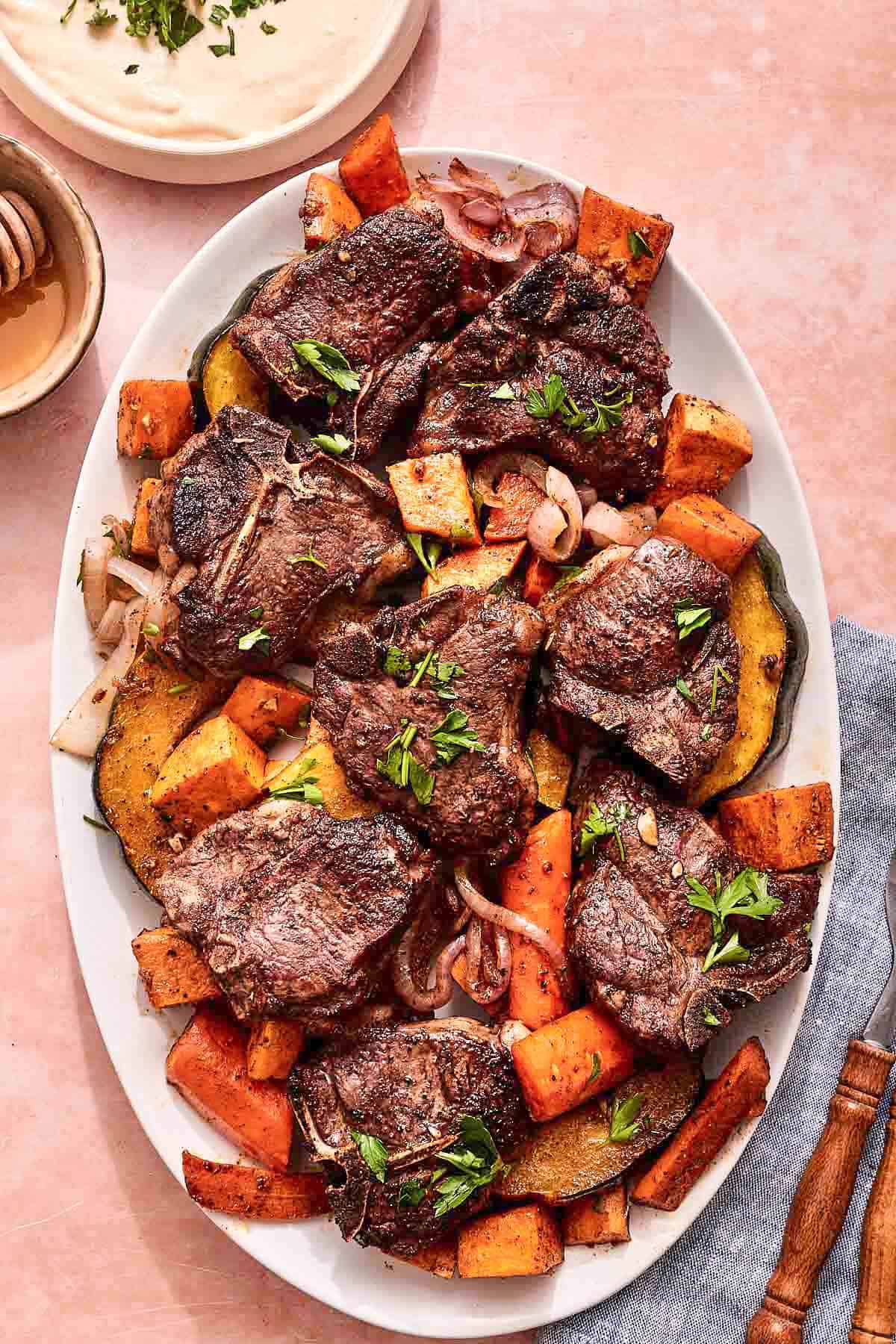
The diversity of lamb cuts and cooking methods underscores its adaptability in the kitchen. Whether seeking a quick weeknight meal or planning an elaborate culinary event, lamb offers a delicious and satisfying option that can be tailored to a wide range of tastes and skill levels.
Nutritional Insights: A Wholesome Choice
The Mediterranean Baked Lamb Chops with Root Vegetables offers a compelling nutritional profile, aligning with the principles of a balanced and healthy diet. The dish is rich in protein, essential vitamins, and minerals, making it a nourishing choice for individuals and families alike.
Key Nutritional Highlights (per serving, approximately):
- Calories: Around 496 kcal, providing a satisfying energy intake.
- Protein: Approximately 20g, crucial for muscle repair and growth, and promoting satiety.
- Healthy Fats: The dish contains around 39.5g of fat, with a significant portion being monounsaturated fats (around 19g) from olive oil, known for their heart-health benefits. Saturated fat content is around 14.7g.
- Carbohydrates: Approximately 15.3g, primarily derived from the natural sugars in the root vegetables, providing essential energy.
- Fiber: Around 2.8g, contributing to digestive health and satiety.
- Vitamins and Minerals: The combination of lamb and vegetables provides a good source of essential nutrients. Notably, the dish is rich in Vitamin A (over 6900 IU), largely from the carrots and squash, vital for vision and immune function. It also contains a modest amount of Vitamin C, calcium, and iron.
- Sodium: The sodium content is relatively low at approximately 93mg, making it adaptable for those monitoring their sodium intake, especially when using low-sodium seasonings.
This nutritional breakdown highlights the dish’s potential to be a cornerstone of a healthy Mediterranean-inspired diet, offering a balance of macronutrients and a wealth of micronutrients. The emphasis on lean protein, healthy fats from olive oil, and nutrient-dense vegetables positions it as a wholesome and satisfying meal option.