The Ultimate Culinary Lifeline: Why Spaghetti Aglio e Olio Remains the Undisputed Champion of Minimalist Cooking

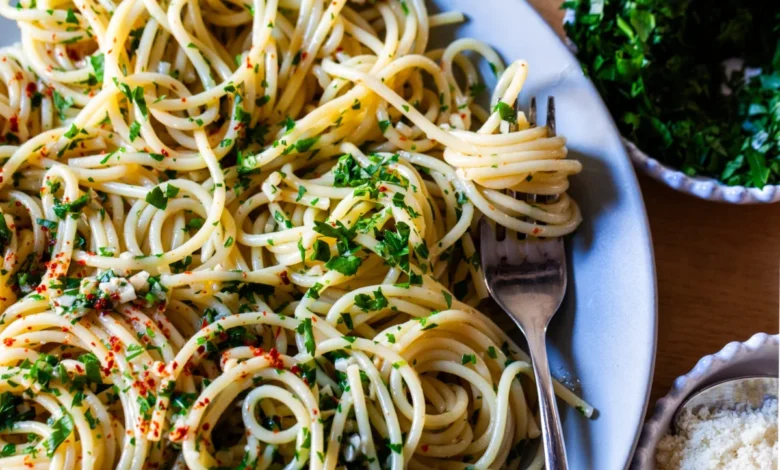
Few culinary creations capture the intersection of resourcefulness, history, and sensory gratification quite as effectively as spaghetti aglio e olio. Hailing from the vibrant and resourceful coastal city of Naples, Italy, this deceptively simple dish of pasta, garlic, and extra virgin olive oil has transcended its humble origins to become a global staple for home cooks navigating fatigue, sparse pantries, and the sweltering heat of late summer. As households across the Northern Hemisphere confront the height of the vacation season and depleted culinary energy reserves, food historians, culinary experts, and exhausted parents alike are once again turning to the aromatic wizardry of garlic sizzling in olive oil as the ultimate antidote to mealtime stress.
Main Facts and Nutritional Realities
At its core, spaghetti aglio e olio is a masterclass in the economy of ingredients. Requiring no more than spaghetti, high-quality extra virgin olive oil, fresh garlic, red pepper flakes, salt, and occasionally fresh flat-leaf parsley, the dish relies entirely on technique rather than a lengthy shopping list. Culinary data consistently ranks aglio e olio among the most cost-effective and time-efficient warm meals available, with a total preparation and cooking time averaging approximately 15 minutes.

Despite its simplicity, the dish offers a balanced carbohydrate profile energized by healthy monounsaturated fats from the olive oil. When executed with precision—specifically by reserving starchy pasta water to emulsify with the fat—the result is a glossy, restaurant-quality emulsion that coats every strand of pasta without the need for heavy creams or complex reductions.
Historical Context and Evolution
The genesis of spaghetti aglio e olio is deeply rooted in the Cucina Povera (poor kitchen) tradition of Southern Italy. Historically, Naples and the surrounding Campania region faced economic fluctuations that frequently limited access to expensive proteins, fresh cheeses, and elaborate sauces. Cooks relied on pantry staples that were shelf-stable, inexpensive, and deeply flavorful.
Garlic and olive oil have formed the backbone of Mediterranean agriculture for millennia, while durum wheat pasta provided a reliable source of sustenance. Originally, aglio e olio was frequently consumed by laborers and fishermen who required high-calorie, easily digestible meals that could be prepared rapidly over open flames or rudimentary stoves. Over the decades, as Italian diaspora communities carried their culinary traditions across the globe, the recipe migrated from regional Italian trattorias into international cookbooks, maintaining its core identity while adapting to local palates through occasional additions like grated Parmigiano-Reggiano, breadcrumbs, or proteins such as grilled shrimp and chicken.

The Chemistry of Sizzle: Technical Execution
Culinary scientists and professional chefs often point to aglio e olio as a prime example of culinary chemistry. The transformation of raw ingredients into a cohesive sauce hinges on the precise manipulation of temperature and starch.
According to traditional culinary methodology, the process begins by combining cold extra virgin olive oil and thinly sliced or minced garlic in a pan before applying heat. This cold-start technique prevents the volatile sulfur compounds in garlic from burning too quickly, which would otherwise impart an unpleasantly bitter flavor. As the pan gradually warms over medium heat, the oil gently infuses with the aromatic compounds of the garlic, turning it a delicate golden hue.
The critical juncture of the recipe occurs when the al dente pasta is transferred directly from its boiling, well-salted water into the aromatic oil, accompanied by a measured amount of starchy pasta water. Vigorous tossing forces the fat, water, and starch molecules to bond, creating a stable emulsion. This technique, fundamental to Italian pasta cookery, ensures that the sauce clings to the spaghetti rather than pooling at the bottom of the serving vessel.

Sociological Impact and Domestic Dynamics
In contemporary domestic life, the appeal of aglio e olio extends far beyond its nutritional and economic metrics; it serves a distinct psychological and social function. Sociologists of food note that meal preparation during peak stress periods—such as the late-summer "dog days," back-to-school transitions, or temporary stays in under-equipped vacation rentals—can significantly elevate household tension.
The sensory profile of garlic frying in olive oil possesses a unique olfactory potency that consistently elicits a positive behavioral response from household members. Culinary psychologists suggest that the aroma acts as an involuntary dinner bell, successfully drawing individuals away from digital screens and inducing an appetite even among those experiencing fatigue or apathy toward food. This universal sensory trigger transforms the act of cooking from a burdensome chore into a communal, anticipated event.
Broader Economic and Cultural Implications
As global food prices fluctuate and consumers increasingly seek ways to minimize kitchen labor without sacrificing quality, minimalist dishes like aglio e olio offer valuable lessons in culinary sustainability. The recipe inherently promotes reduced food waste, serving as a versatile canvas for incorporating leftover roasted vegetables, fading herbs, or stray proteins sitting neglected in the refrigerator.

Furthermore, the enduring popularity of aglio e olio highlights a broader cultural shift away from overly complicated, ingredient-heavy recipes in favor of master-level technique applied to fundamental ingredients. As home cooks continue to re-evaluate their time, energy, and financial resources, the Naples classic stands as a resilient reminder that culinary excellence requires neither complexity nor extravagance—only respect for the ingredients at hand and the fundamental laws of kitchen science.