Watch: 5 Mediterranean Foods That Help Lower Cholesterol and the Science Behind Heart-Healthy Nutrition

For decades, the standard medical advice for managing cardiovascular health focused on a simple, restrictive mantra: if a food contains cholesterol, avoid it. Patients were told to shun eggs, fear dietary fats, and gravitate toward any product labeled "low-fat." However, modern clinical research has shifted the paradigm significantly. Contemporary cardiology recognizes that dietary cholesterol is a minor contributor to serum LDL (low-density lipoprotein) levels compared to the impact of saturated fats and the overall quality of one’s dietary pattern. The Mediterranean Diet has emerged as a gold-standard approach, not because of what it prohibits, but because of the nutrient-dense, heart-protective foods it prioritizes.
The Physiology of Cholesterol and Cardiovascular Risk
To understand why dietary shifts matter, one must first distinguish between cholesterol as a biological necessity and cholesterol as a clinical risk factor. Cholesterol is essential for the production of hormones, vitamin D, and cell membranes. The danger arises when LDL particles become elevated, oxidize, and accumulate within artery walls. This buildup forms plaque, which can narrow arteries and eventually rupture, leading to the formation of blood clots that trigger myocardial infarctions (heart attacks) or strokes.
The primary goal of a heart-healthy diet is to reduce the concentration of these harmful lipoproteins and stabilize vascular health. Rather than chasing a single "magic bullet" ingredient, clinical consensus now favors an integrative, whole-diet approach that addresses inflammation, blood pressure, and metabolic stability simultaneously.
The Shift from Restriction to Replacement
The fundamental strategy in modern nutritional therapy is the "swap." Instead of removing entire food groups—which often leads to poor adherence and nutrient deficiencies—dietitians now advocate for replacing sources of saturated fat with unsaturated fats, fiber, and plant-based proteins. Foods such as butter, processed meats, and refined pastries are high in saturated fats, which the American Heart Association has consistently linked to increased LDL levels. Replacing these with nutrient-rich alternatives like olive oil, fatty fish, and legumes provides the body with the building blocks for long-term cardiovascular resilience.
1. Fatty Fish: The Omega-3 Powerhouse
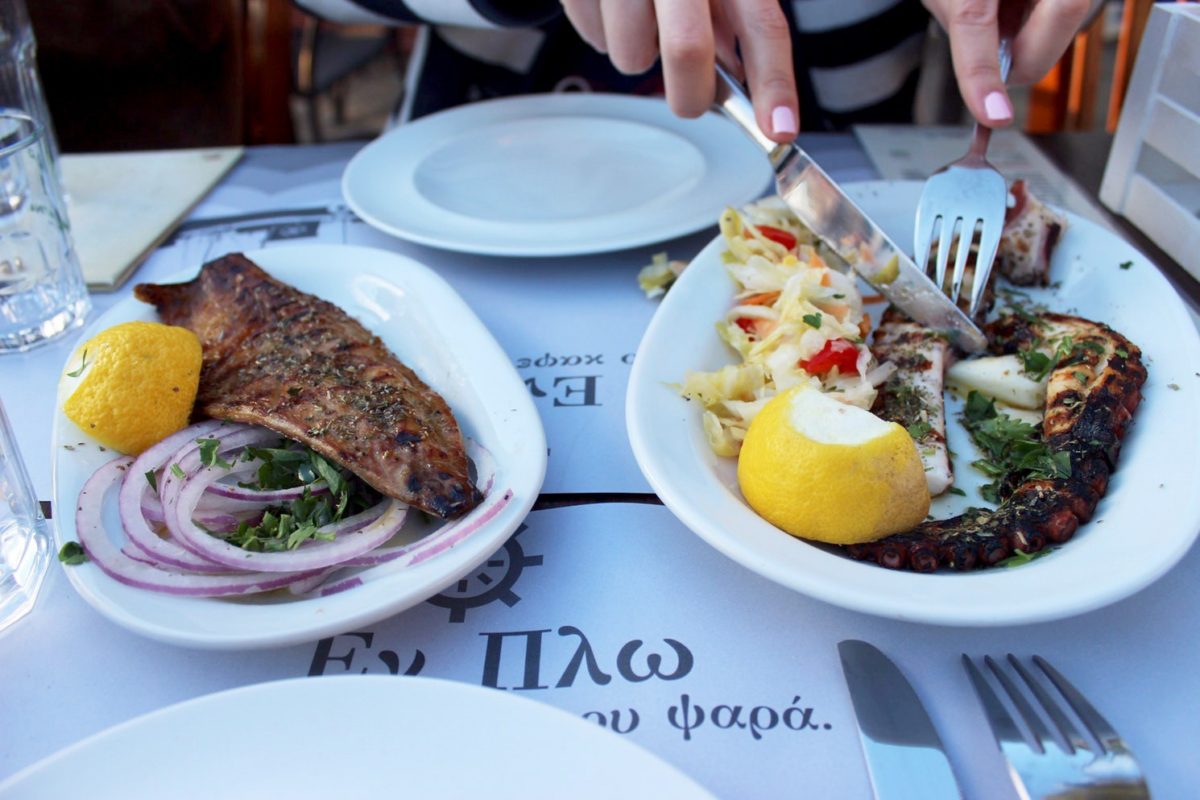
Fatty fish—including salmon, sardines, mackerel, trout, and anchovies—serve as a cornerstone of the Mediterranean lifestyle. While these fish do not directly "scrape" cholesterol from the arteries, they are rich in eicosapentaenoic acid (EPA) and docosahexaenoic acid (DHA). These omega-3 fatty acids are clinically proven to lower triglyceride levels and reduce systemic inflammation.
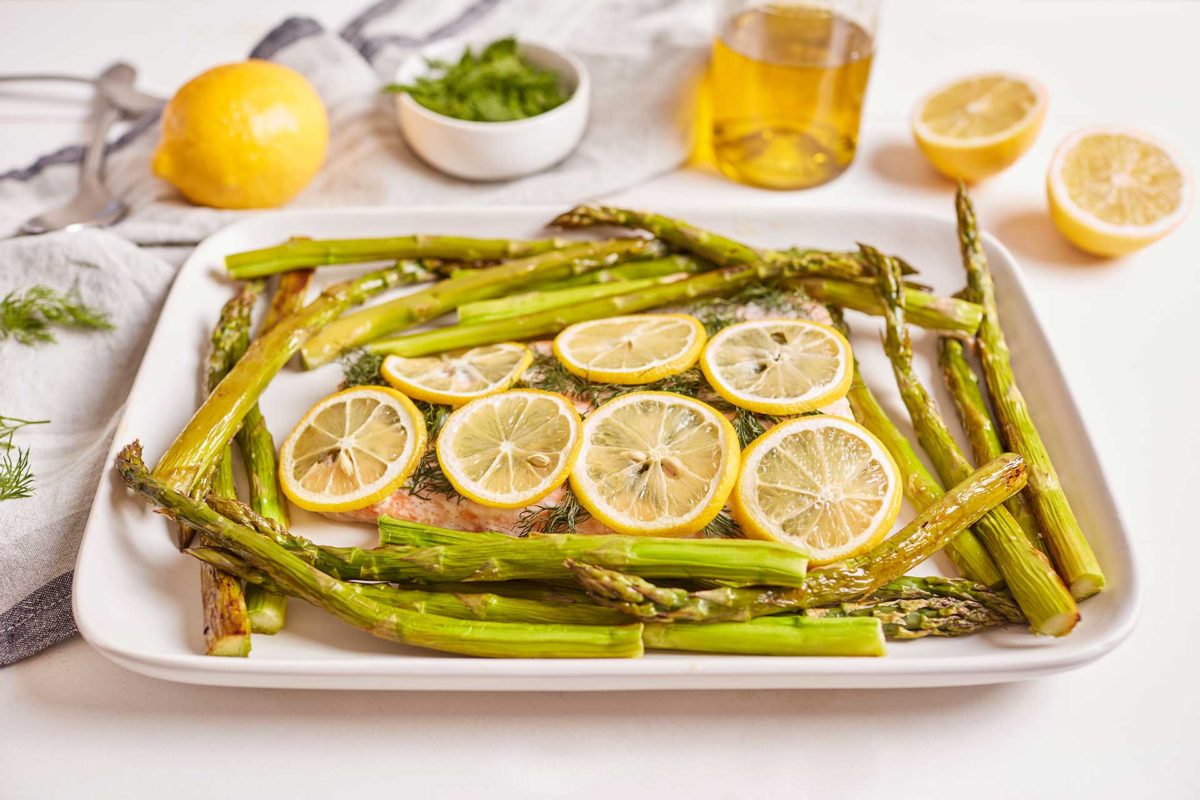
When a patient swaps a fatty steak or processed sausage for wild-caught salmon, they are engaging in a dual-action intervention: they remove the inflammatory saturated fat while introducing heart-protective essential fatty acids. This substitution is a hallmark of the PREDIMED (Prevención con Dieta Mediterránea) study, one of the most comprehensive nutritional trials in history, which demonstrated that such dietary patterns significantly reduced the incidence of major cardiovascular events.
2. Whole Grains and the Role of Soluble Fiber
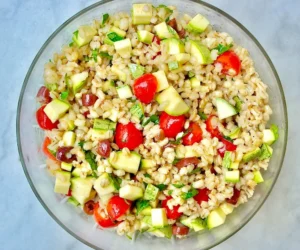
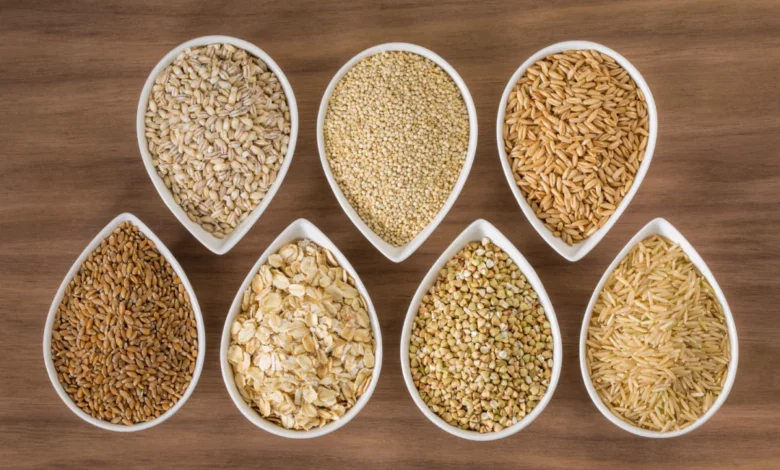
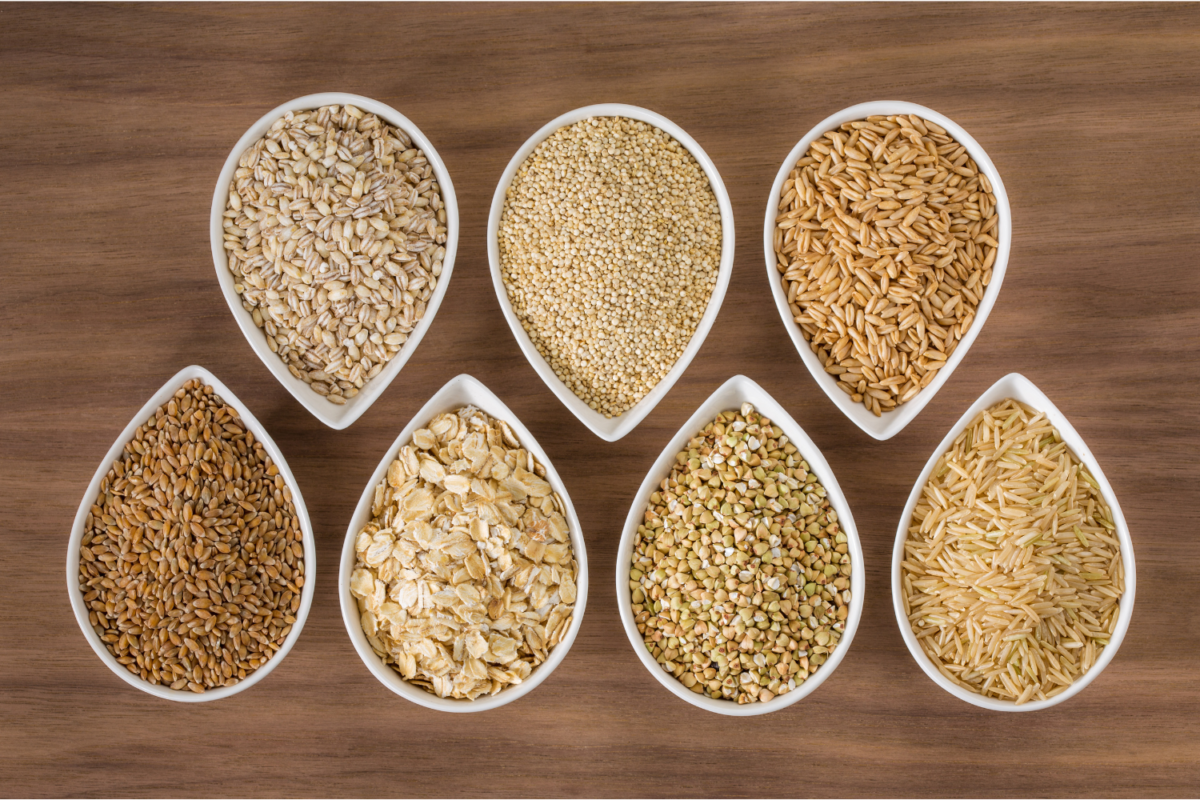
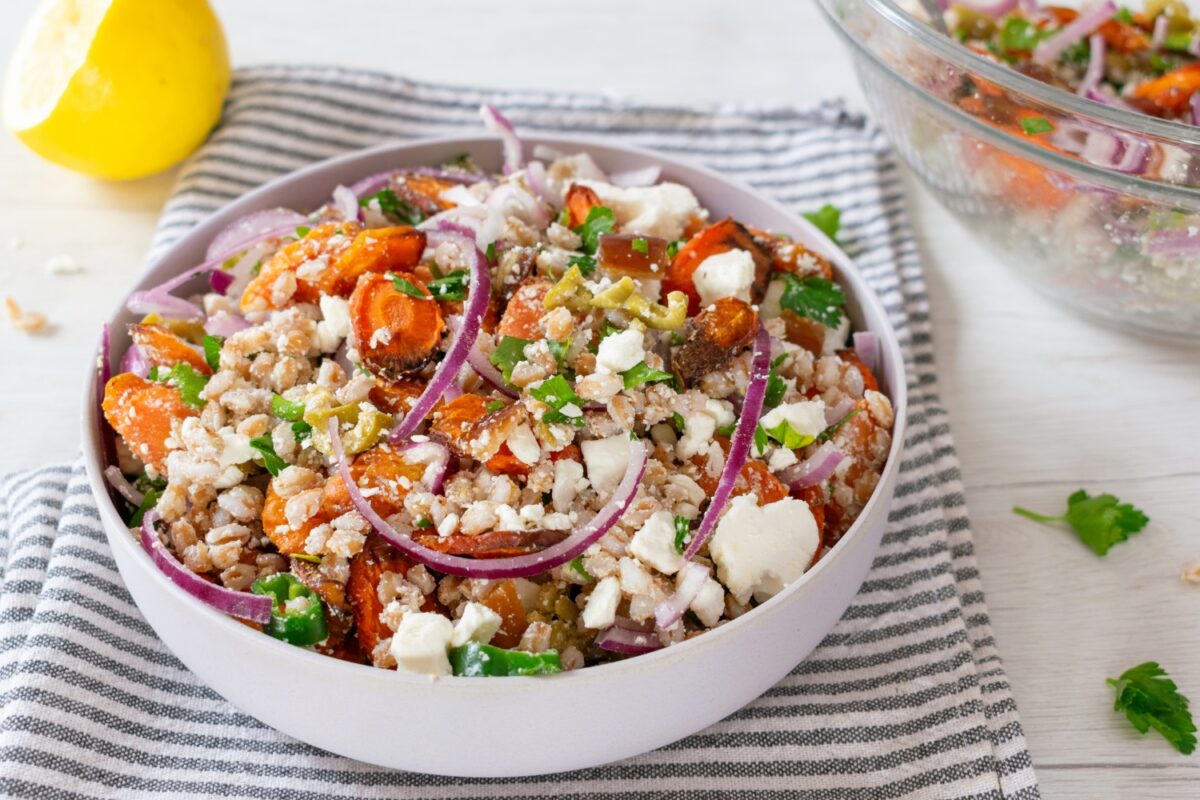
Oatmeal has long been the poster child for cholesterol-lowering foods, but the Mediterranean diet expands this benefit to a diverse array of grains, including barley, farro, and bulgur. These foods are abundant in beta-glucan, a type of soluble fiber.
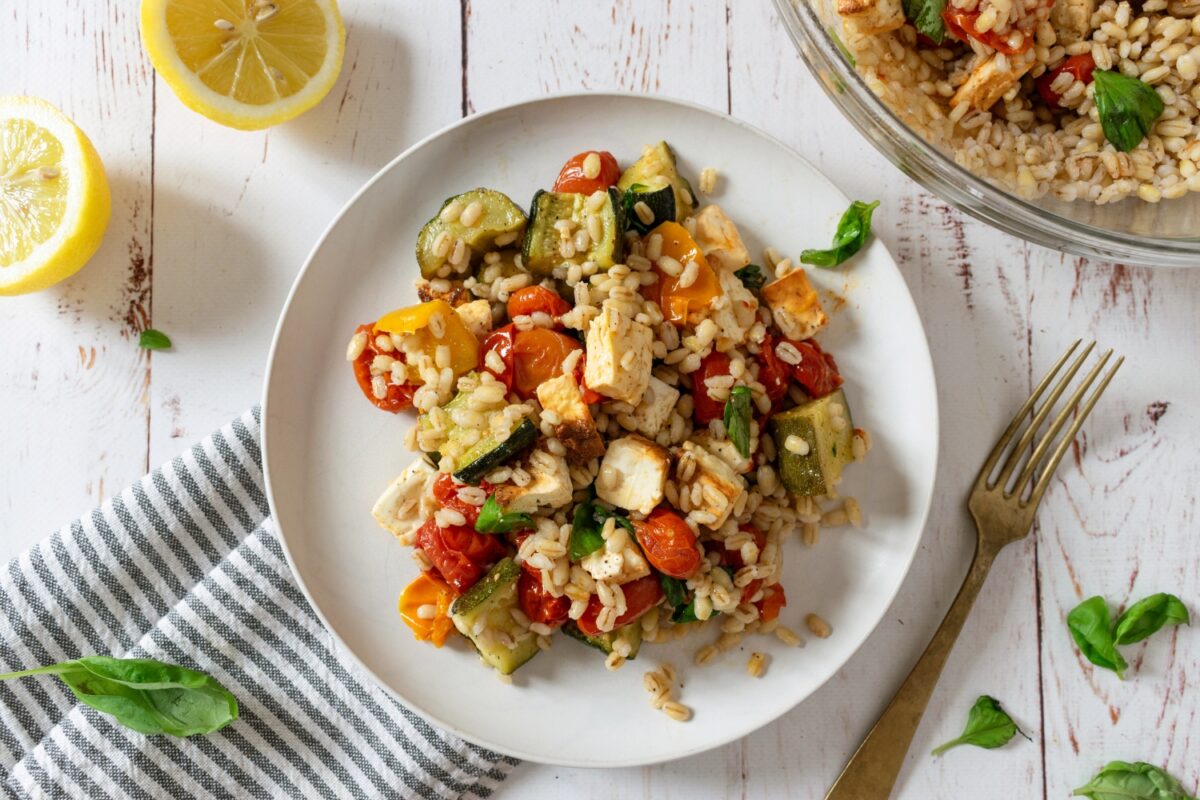
Physiologically, soluble fiber acts as a sequestering agent in the digestive tract. It forms a gel-like substance that binds to bile acids—which are produced by the liver using cholesterol—and prevents their reabsorption into the bloodstream. As the body loses bile acids, the liver is forced to pull more LDL cholesterol from the blood to create new bile, thereby lowering circulating levels of the "bad" cholesterol. Beyond cholesterol, whole grains stabilize blood glucose, preventing the insulin spikes that contribute to arterial damage over time.
3. Extra Virgin Olive Oil: The Polyphenol Advantage
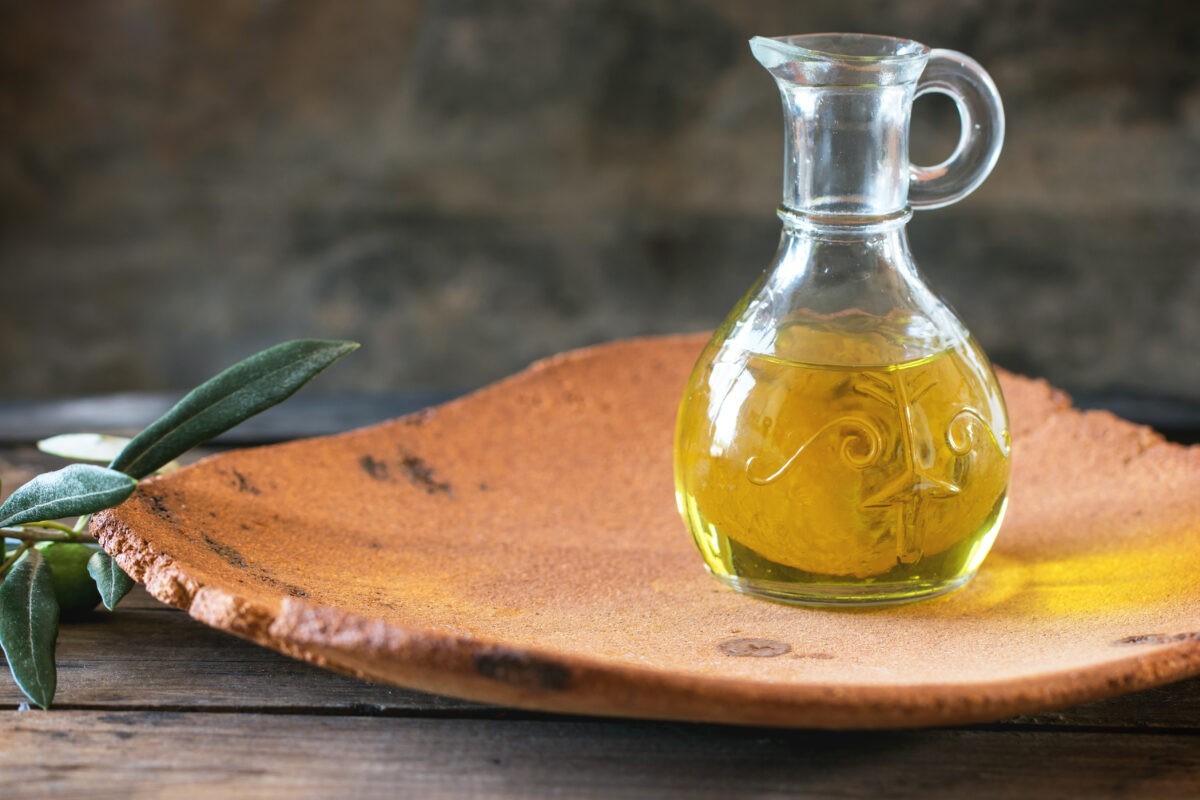
Extra virgin olive oil (EVOO) is perhaps the most iconic component of the Mediterranean diet. It is composed primarily of monounsaturated fatty acids, specifically oleic acid, which is more stable and less prone to oxidation than animal fats. However, the benefits of EVOO extend beyond its fat profile.
EVOO is packed with polyphenols, bioactive compounds that act as powerful antioxidants. Research suggests that these polyphenols help prevent the oxidative modification of LDL particles, a critical step in the development of atherosclerosis. In many Mediterranean cultures, olive oil is not treated as a supplement or a medicine, but as a culinary medium. By using EVOO to sauté vegetables or as a base for dressings, individuals naturally consume more fiber-rich produce, creating a synergistic effect where the fat helps the body absorb fat-soluble vitamins (A, D, E, and K) from the vegetables.
4. Beans and Lentils: The Inexpensive Cardiovascular Safeguard
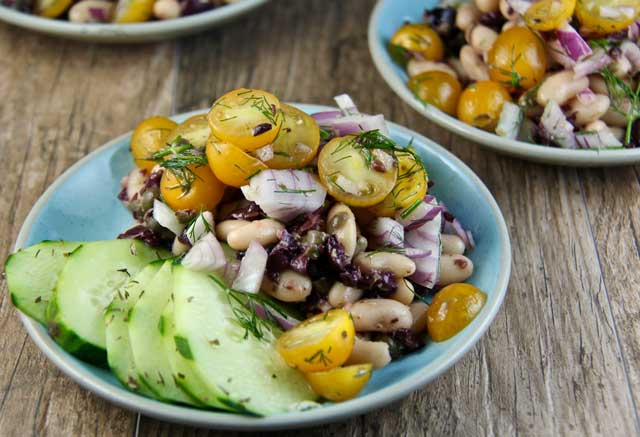
Beans and lentils are among the most cost-effective and nutritionally potent foods available. They offer a unique combination of soluble fiber, resistant starch, and plant-based protein. By replacing meat proteins with legumes, individuals significantly reduce their intake of saturated fat and heme iron, which has been linked to oxidative stress in high quantities.
Furthermore, the fiber in beans feeds the gut microbiome. The gut-heart axis is an emerging field of study, with evidence suggesting that a healthy microbiome produces short-chain fatty acids that influence cholesterol metabolism and systemic inflammation. A diet rich in lentils, chickpeas, and cannellini beans provides a foundation of satiety, preventing the hunger-driven consumption of highly processed, low-fiber snacks.
5. Nuts: Dense Nutrition for Arterial Health
Walnuts, almonds, and pistachios rank as the top-tier "nutraceuticals" for heart health. Studies indicate that regular consumption of nuts can improve the lipid profile, specifically lowering LDL and Apolipoprotein B (ApoB). ApoB is a protein component found in atherogenic particles, and its measurement is increasingly viewed as a more accurate predictor of cardiovascular risk than simple LDL counts.
Nuts are nutrient-dense, providing plant sterols—compounds that structurally resemble cholesterol and compete with it for absorption in the gut. While critics often point to the high caloric density of nuts, clinical trials have repeatedly shown that they do not lead to significant weight gain when consumed in moderation. Their high fiber and protein content induces a strong satiety signal, often leading to a compensatory reduction in the consumption of other, less-healthy snacks.
The Cumulative Impact: An Integrated Approach
The evidence underscores that no single food can mitigate the risks of a poor diet. The efficacy of the Mediterranean approach lies in the "stacking" of these components. A typical day following this pattern—incorporating fatty fish, whole grains, extra virgin olive oil, legumes, and a handful of nuts—creates a protective barrier against cardiovascular disease.
This dietary shift also has broad implications for public health. As healthcare systems grapple with the rising costs of managing chronic heart disease, the emphasis on food-based interventions offers a scalable, sustainable solution. Rather than focusing solely on pharmacological management, integrating these foods into the daily routine offers a preventative strategy that is both palatable and effective.
Clinical Perspective and Implementation
It is imperative to note that dietary changes should not be viewed as a substitute for medical supervision, especially for individuals already diagnosed with cardiovascular disease or those currently prescribed lipid-lowering medications like statins. Instead, these dietary interventions should be seen as a complementary therapy that works in concert with clinical care.
Patients are encouraged to work with registered dietitians to personalize these changes. The goal is not to achieve perfection in a single meal, but to establish a consistent, long-term pattern. By focusing on replacing refined, saturated-fat-heavy foods with the five staples of the Mediterranean diet, individuals can actively participate in their own cardiovascular preservation, shifting the narrative from one of fear and restriction to one of culinary enjoyment and improved health outcomes. The evidence is clear: the most effective way to lower cholesterol is to embrace a holistic, whole-food diet that sustains the heart for a lifetime.