Quick And Easy Skillet Lasagna
One-Pan Skillet Lasagna: The Ultimate Weeknight Dinner Solution
This one-pan skillet lasagna recipe simplifies a classic comfort food, transforming it into a weeknight-ready meal without compromising on flavor or texture. Traditional lasagna requires boiling noodles, layering multiple dishes, and hours of baking. This skillet version streamlines the entire process, cooking everything together in one pot for minimal cleanup and maximum deliciousness. It’s an ideal solution for busy individuals and families seeking a hearty, satisfying meal that comes together in under an hour. The beauty of skillet lasagna lies in its adaptability; while this recipe provides a solid foundation, feel free to customize it with your favorite vegetables, cheeses, and proteins. The key to achieving that classic lasagna taste and texture in a single pan is the careful layering of ingredients and allowing sufficient time for the flavors to meld and the pasta to cook directly in the sauce.
The foundation of any great lasagna, whether baked or in a skillet, is a robust and flavorful sauce. For this quick skillet version, we’ll start with a savory meat sauce. Begin by browning 1 pound of ground beef or Italian sausage (or a combination) in a large, oven-safe skillet (cast iron is ideal for even heating and browning) over medium-high heat. As the meat cooks, break it up into small pieces with a spoon. Once the meat is no longer pink, drain off any excess grease. To this, add 1 medium chopped onion and 2-3 cloves of minced garlic. Sauté for 3-5 minutes, or until the onion is softened and translucent, and the garlic is fragrant. This aromatic base is crucial for building depth of flavor.
Next, we introduce the tomatoes and seasonings. Pour in one 28-ounce can of crushed tomatoes and one 15-ounce can of diced tomatoes. The crushed tomatoes provide a smooth, saucy base, while the diced tomatoes add texture and pockets of juicy tomato goodness. Season generously with 1 teaspoon of dried Italian seasoning (or a blend of dried oregano, basil, and thyme), ½ teaspoon of salt, and ¼ teaspoon of black pepper. For a touch of heat, consider adding a pinch of red pepper flakes. Stir everything to combine, ensuring the meat and aromatics are well distributed throughout the tomato mixture. Bring the sauce to a simmer, then reduce the heat to low, cover, and let it cook for at least 10-15 minutes. This simmering period allows the flavors to meld and the sauce to thicken slightly, creating a more concentrated and delicious base for the lasagna.
The pasta component is where this skillet lasagna truly shines in its simplicity. Instead of precooked or boiled noodles, we use uncooked lasagna noodles, broken into pieces. This technique is essential for the one-pan method. Once the sauce has simmered, carefully arrange approximately 8-10 uncooked lasagna noodles, broken into roughly 2-3 inch pieces, directly into the simmering sauce. Ensure the noodle pieces are as submerged in the sauce as possible. You might need to press them down gently. The liquid from the sauce will hydrate and cook the pasta as it simmers, absorbing the rich flavors. Cover the skillet tightly and continue to simmer for about 15-20 minutes, or until the pasta is al dente. Stir occasionally to prevent sticking and ensure even cooking. The key is to have enough liquid in the sauce to fully cook the pasta; if it appears too dry, you can add a splash of water or broth.
While the pasta is cooking, prepare the creamy ricotta cheese layer, which is vital for that classic lasagna experience. In a medium bowl, combine 15 ounces of whole milk ricotta cheese, ½ cup of grated Parmesan cheese, 1 large egg, and 1 tablespoon of chopped fresh parsley (or 1 teaspoon dried). Season with a pinch of salt and pepper. The egg acts as a binder, helping the ricotta mixture set and become creamy rather than watery. Mix until all ingredients are well combined and the mixture is smooth and homogenous. This cheese mixture will be dolloped over the cooked pasta, creating creamy pockets throughout the lasagna.
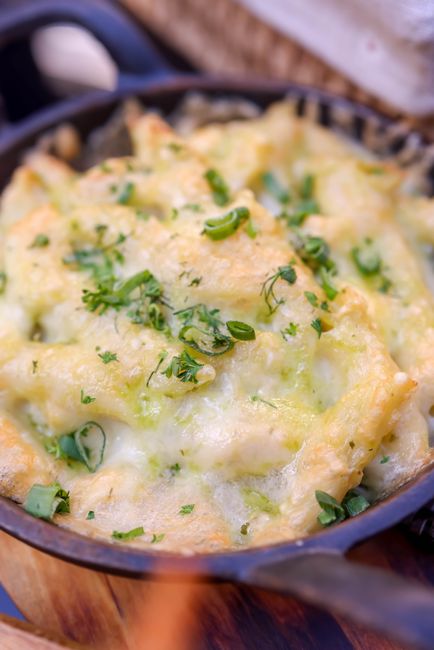
Once the pasta is al dente, it’s time to incorporate the cheese layers. Uncover the skillet. Carefully dollop spoonfuls of the ricotta cheese mixture evenly over the cooked pasta and sauce. Don’t worry about making it perfectly smooth; uneven dollops create delightful pockets of creamy goodness. Following the ricotta layer, sprinkle 1-2 cups of shredded mozzarella cheese evenly over the top. For an extra cheesy experience, a blend of mozzarella and provolone or Monterey Jack can be used. The mozzarella will melt and create that signature gooey, stretchy cheese topping that makes lasagna so irresistible.
For the final touch and to achieve a beautifully browned and bubbly cheese topping, transfer the oven-safe skillet to a preheated oven. Bake in a preheated oven at 400°F (200°C) for 10-15 minutes, or until the cheese is melted, golden brown, and bubbly. If your skillet doesn’t have oven-safe handles, you can carefully transfer the contents to a baking dish before placing it in the oven. This final bake allows the flavors to meld further and ensures the cheese topping is perfectly cooked. The aroma emanating from your kitchen at this stage will be incredible.
Allow the skillet lasagna to rest for 5-10 minutes after removing it from the oven. This resting period is crucial. It allows the cheese to set slightly, prevents the lasagna from being too soupy when served, and allows the flavors to continue developing. Garnish with fresh basil leaves or extra chopped parsley before serving. This one-pan skillet lasagna is a complete meal on its own, but it pairs wonderfully with a simple side salad or some crusty bread for dipping into any leftover sauce. The beauty of this recipe lies in its simplicity and the minimal cleanup required, making it a go-to option for busy weeknights.
To optimize this recipe for search engines, consider the following keywords and phrases: quick skillet lasagna, easy one-pan lasagna, weeknight lasagna recipe, no-boil lasagna, simple lasagna, ground beef lasagna skillet, Italian sausage lasagna, cheesy lasagna, comfort food recipe, family dinner ideas. Emphasizing terms like "one-pan," "quick," and "easy" will attract users looking for speedy and convenient meal solutions. Including variations like "no-boil" and different protein options ("ground beef," "Italian sausage") will broaden the reach of the article.
For variations and substitutions, consider incorporating a variety of vegetables. Sautéed mushrooms, bell peppers, zucchini, or spinach can be added along with the onions and garlic, adding extra nutrients and flavor. For a vegetarian version, omit the meat and sauté a medley of vegetables instead, or use plant-based crumbles. Lentils can also be used as a meat substitute for a hearty vegetarian option. Different types of cheese can be experimented with; a sharp cheddar could add a different flavor profile to the mozzarella topping, or a sprinkle of goat cheese could offer a tangy counterpoint. For those with dietary restrictions, gluten-free lasagna noodles are available and can be used in this recipe, though cooking times might vary slightly. Dairy-free cheese alternatives can also be incorporated.
The success of this skillet lasagna hinges on proper ingredient ratios and cooking times. Too little liquid will result in undercooked pasta, while too much liquid can lead to a watery sauce. The initial simmer of the sauce is vital for building flavor. Breaking the lasagna noodles into manageable pieces ensures they are fully submerged and cook evenly. Not overcrowding the skillet is also important for even cooking. If you’re doubling the recipe, consider using a larger skillet or two separate skillets to avoid compromising the cooking process. The oven-bake stage is relatively short and primarily for melting and browning the cheese, so keep an eye on it to prevent burning.
The SEO value of this article is enhanced by its directness and comprehensive coverage of the topic. By providing a detailed recipe, explaining the "why" behind certain steps (like breaking the noodles or resting the lasagna), and offering variations, the article becomes a valuable resource for home cooks. The inclusion of specific keywords throughout the text naturally boosts its ranking in search engine results. The practical nature of the recipe, addressing common weeknight dinner challenges, also contributes to its appeal and shareability. Ultimately, this skillet lasagna recipe is a testament to how traditional comfort food can be reimagined for modern, busy lifestyles without sacrificing flavor or the satisfaction of a home-cooked meal. The ease of preparation, minimal cleanup, and delicious results make it a standout recipe for any occasion, especially those demanding a quick yet impressive dinner.