English Muffin Pizzas: A Timeless Solution for Rapid Meal Preparation

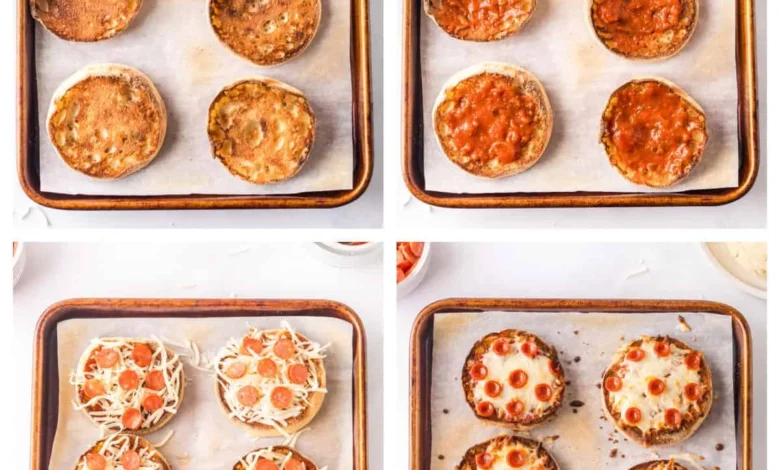
The evolution of home cooking in the 21st century has seen a significant shift toward efficiency, particularly regarding the preparation of quick, cost-effective meals. Among the various culinary staples that have sustained popularity over decades, the English muffin pizza stands out as a paradigm of functional convenience. Requiring only four primary ingredients—English muffins, tomato-based sauce, mozzarella cheese, and protein toppings—this dish serves as a case study in how simple pantry items can be repurposed into a nutritious and versatile meal. While often associated with childhood nostalgia, the practice of using leavened bread as a pizza substrate has become an established technique for busy households, university students, and those seeking to reduce food waste.
The Culinary Mechanics of the English Muffin Pizza
The primary appeal of the English muffin as a pizza base lies in its unique structural composition. Unlike traditional pizza dough, which requires fermentation, proofing, and rolling, the English muffin is pre-baked and possesses a distinct internal texture characterized by "nooks and crannies." When halved, these crevices provide a structural advantage, allowing sauce and melted cheese to penetrate the surface rather than merely sitting on top.
Culinary experts emphasize a critical procedural step: the pre-toasting of the muffin halves. Subjecting the muffins to heat—typically via a broiler or convection source—before the application of toppings is essential to maintaining the structural integrity of the dish. By dehydrating the surface, the bread forms a barrier that prevents the moisture from the sauce and cheese from permeating the crumb, which would otherwise result in a soggy or unpalatable texture. This process mirrors industrial-scale baking techniques where moisture control is vital to product quality.

Historical Context and Consumer Adoption
The origins of the English muffin pizza are difficult to pinpoint, though historians of American domestic life trace its emergence to the post-World War II era. As convenience foods began to populate supermarket shelves in the 1950s and 60s, the concept of "do-it-yourself" snacks gained traction. The English muffin pizza became a staple of home economics curricula and popular cookbooks in the 1970s and 80s, promoted as a way to engage children in the kitchen while providing a controlled, portioned meal.
Data from recent market research indicates that the demand for "assembly-only" meals has risen by approximately 15% over the last five years. Consumers are increasingly prioritizing time-to-table metrics, with the 20-minute threshold serving as a benchmark for what constitutes a "quick meal." The English muffin pizza, which typically requires 10 minutes of preparation and 10 minutes of heating, falls perfectly within this consumer demand window.

Nutritional and Economic Considerations
From an economic perspective, the English muffin pizza remains one of the most cost-efficient options for a main course. With inflation impacting grocery prices globally, the ability to utilize modular, low-cost ingredients provides a buffer for budget-conscious families. A standard serving, consisting of one to two muffin halves, typically contains roughly 160–200 calories, making it a manageable option for lunch or a post-school snack.
Nutritionally, the dish is highly customizable. While traditional recipes lean on processed pepperoni and high-sodium sauces, modern iterations often incorporate fresh vegetables such as bell peppers, mushrooms, and spinach, or lean proteins like grilled chicken or turkey sausage. The ability to control the fat and sodium content of the cheese and sauce allows for a more balanced profile compared to frozen or delivered commercial pizzas, which are often characterized by high levels of preservatives and saturated fats.

Diversification of Preparation Methods
While the conventional method utilizes an oven broiler, technological advancements in kitchen hardware have expanded the preparation methods for this dish. The integration of air fryers into the domestic kitchen has provided a more energy-efficient alternative to the full-size oven. Air fryers utilize rapid air circulation to achieve a crisp finish in a fraction of the time, often yielding results superior to those produced by a standard microwave, which tends to soften the bread structure rather than crisping it.
The adaptability of the dish extends to the freezer, where it serves as an ideal candidate for meal prep. By assembling the pizzas—minus the cooking step—and flash-freezing them on a baking sheet, consumers can create their own "frozen pizzas" that are ready to be placed directly into a toaster oven or air fryer. This practice significantly reduces reliance on processed, pre-packaged convenience foods while maintaining the same level of accessibility.

Social and Cultural Implications
The rise of the English muffin pizza as a social meal-building activity—particularly in settings like youth sleepovers or casual gatherings—underscores a shift in how families approach communal dining. By providing a base (the muffin) and a variety of toppings, the host facilitates an interactive experience that accommodates diverse dietary preferences. This "buffet-style" assembly removes the logistical burden of preparing multiple distinct meals for individuals with varying tastes or allergies.
Furthermore, the longevity of this recipe speaks to a broader cultural trend: the "democratization of the kitchen." As professional culinary techniques have become more accessible through digital media, the barrier to entry for cooking has lowered. The English muffin pizza requires no specialized equipment or culinary training, serving as an entry point for younger generations to begin learning the basics of food assembly and flavor balance.

Expert Perspectives on Future Trends
Food scientists and industry analysts have noted that the popularity of such "hybrid" dishes is likely to continue as urbanization increases and kitchen space decreases. In high-density living environments, the compact nature of the English muffin pizza is a distinct advantage. Unlike a large pizza stone or a long pizza paddle, the required tools for this dish are minimal: a baking sheet and a heat source.
"The endurance of this dish is a testament to its functional design," says Dr. Elena Rossi, a consultant in food technology. "It is not merely a nostalgia-driven snack; it is an efficient, scalable, and highly adaptable meal system. We are seeing a trend where consumers are looking for ways to maximize the utility of their pantry staples, and this recipe is a primary example of that optimization."

Conclusion: A Staple for the Modern Era
As the global food landscape continues to evolve, the English muffin pizza remains a consistent element of the modern diet. By bridging the gap between convenience and customization, it addresses the fundamental needs of the contemporary consumer: speed, affordability, and personal agency. Whether being served as a quick dinner on a busy weeknight or acting as a canvas for culinary experimentation, the English muffin pizza has transitioned from a childhood novelty to a recognized, reliable staple of domestic life. Its ability to remain relevant across generations is a reflection of its simplicity, proving that even the most basic ingredients, when combined with the right preparation techniques, can remain a cornerstone of home cooking for years to come.