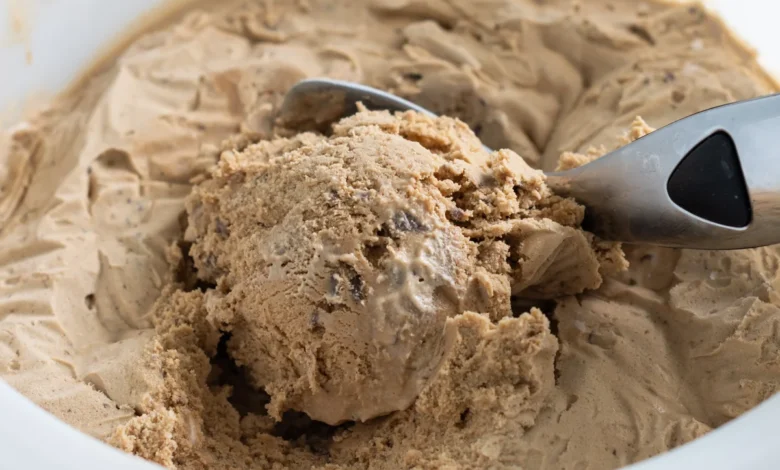
Achieving the ideal homemade coffee ice cream requires a precise balance between chemical composition and culinary technique. For culinary professionals and home enthusiasts alike, the objective is to capture the complex, aromatic profile of premium roasted coffee while maintaining the structural integrity of a high-fat dairy custard. Recent testing into production methods reveals that the choice of coffee medium—specifically the use of instant espresso powder versus steeped whole beans—is the single most significant variable in determining both flavor intensity and the physical texture of the final frozen product.
The Evolution of Dairy-Based Frozen Desserts
Ice cream production relies on the stabilization of an emulsion consisting of milk, cream, and sugar. The inclusion of additional liquids, such as brewed coffee, introduces excess water content, which disrupts the delicate balance of fat and protein. When water concentration exceeds optimal levels, the resulting ice cream is prone to the formation of large ice crystals, leading to a gritty texture rather than the desired smooth, scoopable mouthfeel.
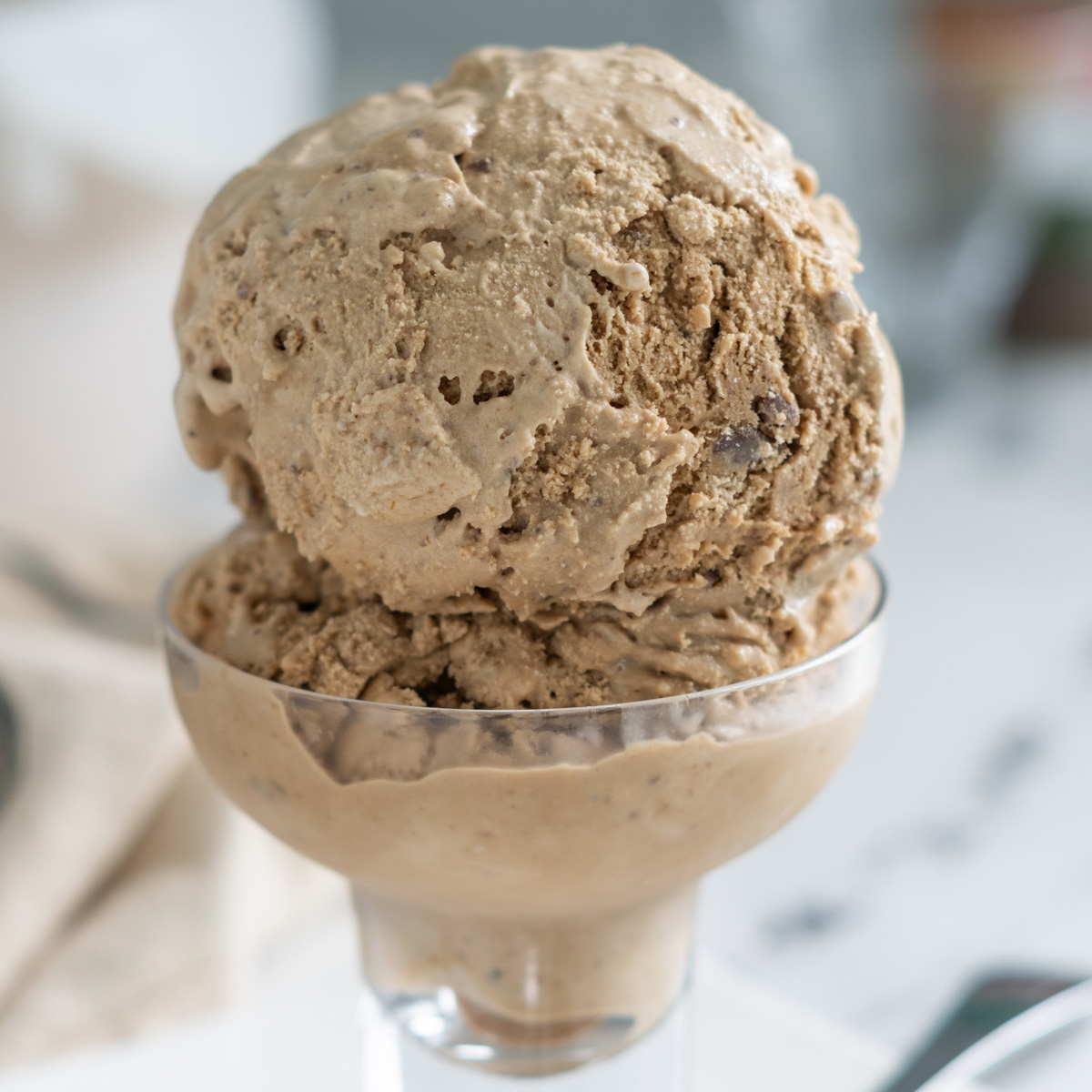
Historically, coffee-flavored desserts often relied on cold-brewing or steeping methods. While these techniques are effective in beverage applications, they are less suited for high-fat dairy bases. Research indicates that the tannins present in fresh coffee beans interact with dairy proteins in a process that "muddies" the flavor profile. By binding with these proteins, the nuanced aromatic compounds—the volatile oils that provide coffee its signature brightness—are effectively masked or neutralized during the heating and churning process.
Comparative Analysis: Espresso Powder vs. Fresh Grounds
In a controlled trial assessing the efficacy of flavor delivery, two distinct methods were evaluated. The first involved the infusion of freshly ground coffee beans directly into the scalded dairy base. The second utilized concentrated instant espresso powder, which was incorporated directly into the custard.
The findings demonstrated a distinct superiority in the espresso powder method. Because espresso powder is derived from a highly concentrated brew that has already been dehydrated, it introduces the potent flavor of coffee without the structural hazard of added water. Furthermore, the fine particulate nature of the powder allows for a uniform distribution throughout the custard, ensuring that the flavor profile remains consistent from the first scoop to the last. Participants in sensory testing reported that the espresso powder method yielded a "cleaner" and more "vibrant" coffee experience, successfully cutting through the inherent richness of the heavy cream and egg yolk base.
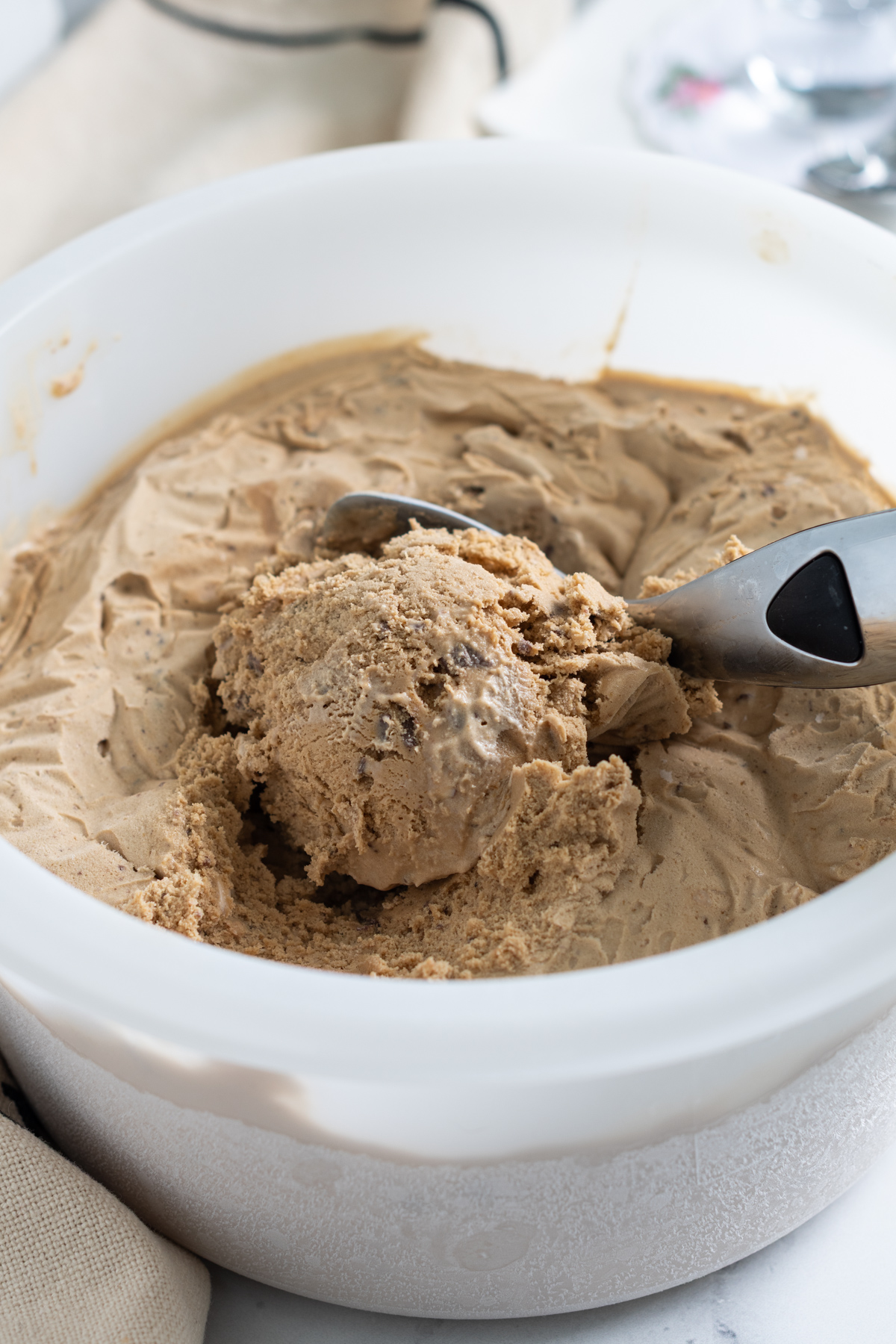
Chronology of the Custard Preparation Process
The standard methodology for high-quality, custard-based ice cream follows a rigorous timeline designed to optimize both safety and flavor development.
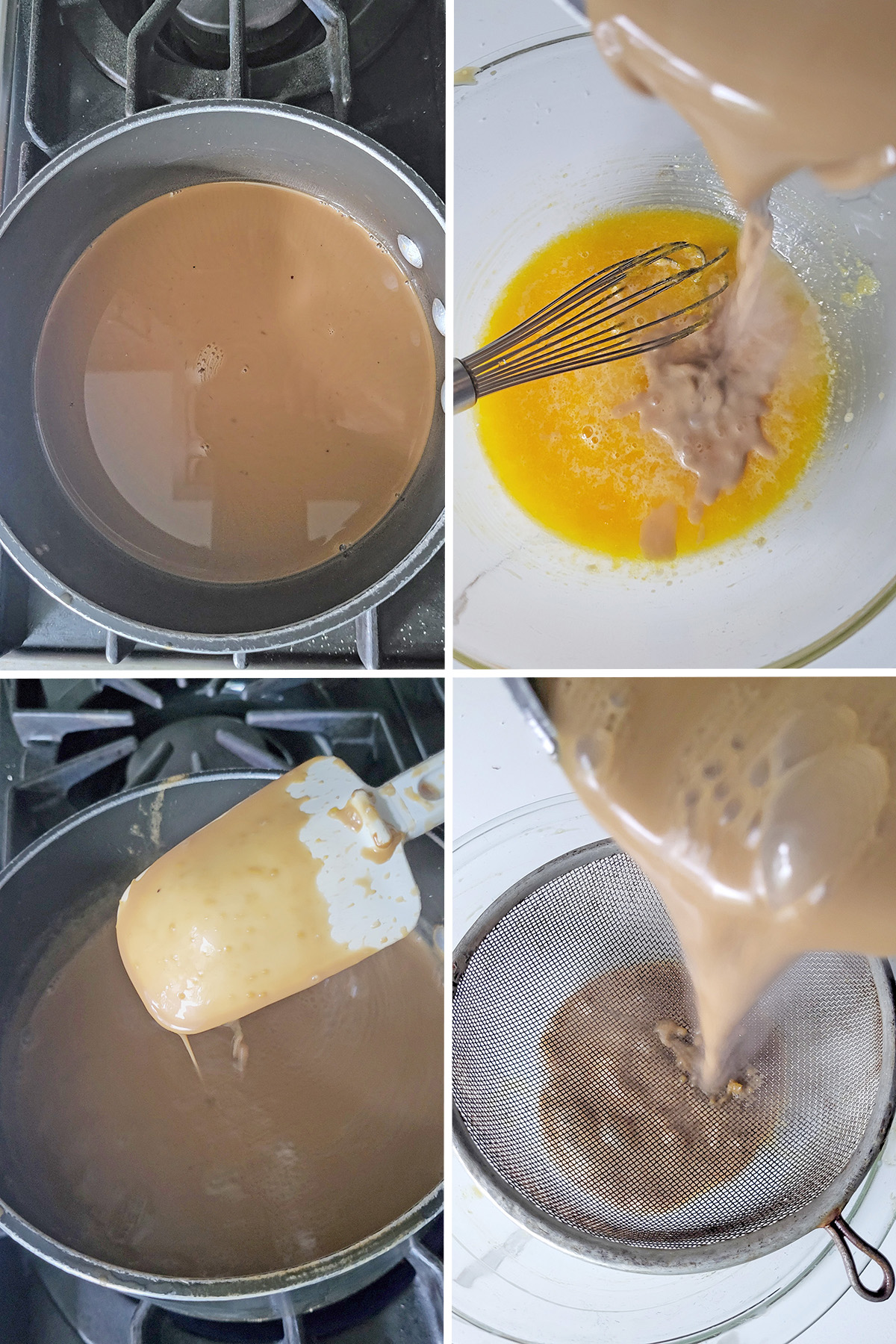
- Base Creation (0–20 minutes): The process begins with the heating of milk and heavy cream to a precise temperature, just below the boiling point. This heat is essential for the activation of stabilizers and the dissolution of sugars.
- Tempering and Thickening (20–40 minutes): Egg yolks are introduced to the mixture through a tempering process, where a portion of the hot dairy is slowly whisked into the yolks to prevent curdling. The mixture is then returned to the heat until it achieves a "nappe" consistency—thick enough to coat the back of a spoon.
- Flavor Integration: Once the custard is removed from the heat, the espresso powder is whisked into the warm liquid, ensuring full dissolution.
- Maturation and Chilling (4–8 hours): The custard must be cooled rapidly and then refrigerated. This "aging" process is vital; it allows the fat molecules to crystallize and the proteins to hydrate, which directly influences the viscosity of the mixture before it enters the churner.
- Churning and Incorporation: The mixture is processed in an ice cream maker, where air is whipped into the custard to create the desired overrun (the volume of air relative to the base). Mix-ins, such as toffee bits or dark chocolate, are typically added during the final minutes of churning to ensure even dispersion.
Data and Nutritional Profiling
From a nutritional perspective, a standard half-cup serving of high-fat custard-based coffee ice cream contains approximately 322 calories. The composition is primarily driven by the fat content, with 20 grams of total fat per serving—12 grams of which are saturated. The high sugar content, averaging 32 grams per serving, serves a dual purpose: it contributes to the sensory sweetness and acts as a freezing point depressant, which is necessary to prevent the ice cream from becoming a solid block of ice at standard freezer temperatures.
Culinary Implications and Mix-in Compatibility
The versatility of a well-executed coffee base allows for a wide range of flavor pairings. Culinary experts suggest that the inherent bitterness of coffee acts as a "flavor bridge" to several complementary profiles:
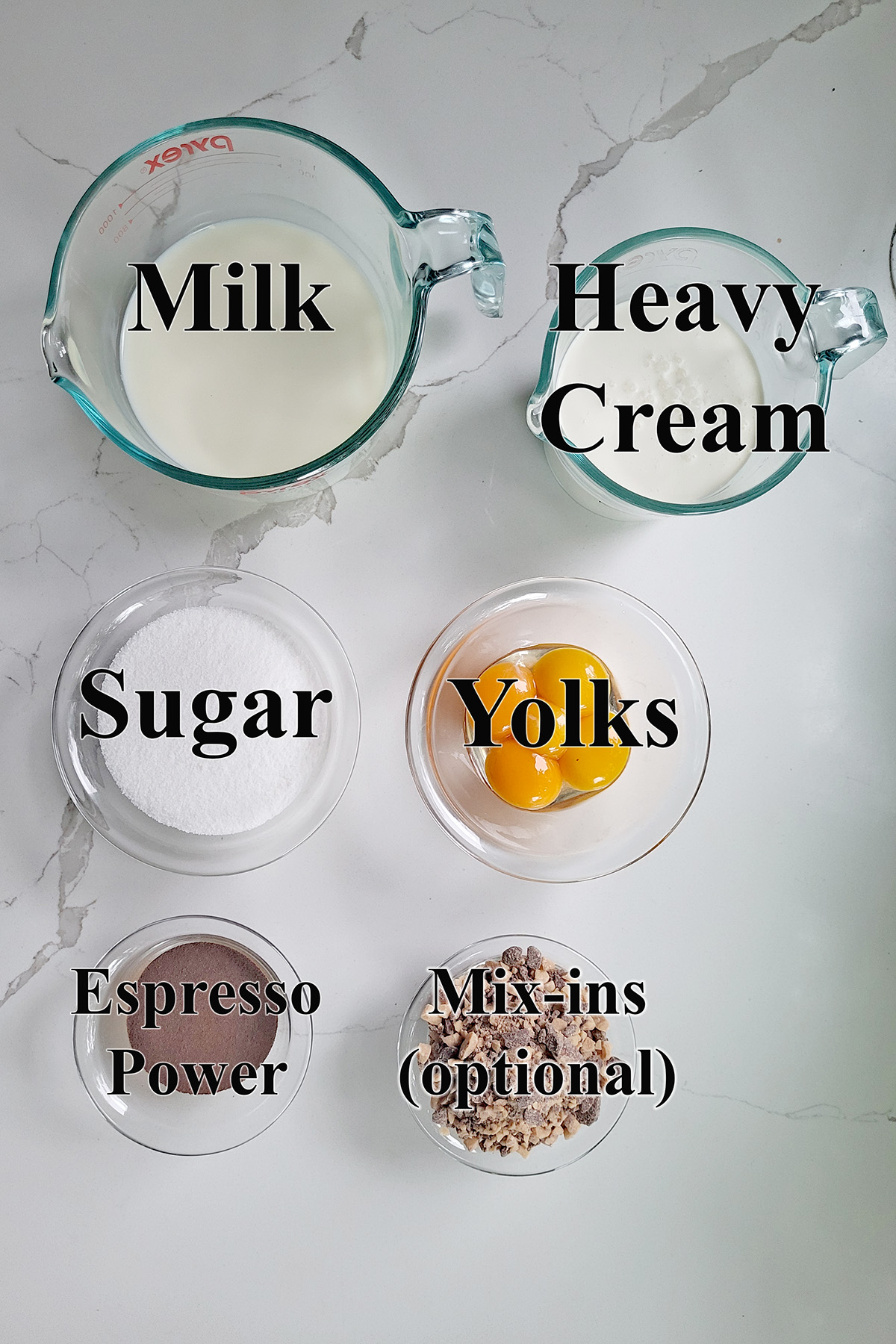
- Toffee and Caramel: The buttery, scorched sugar notes of Heath bar or toffee bits provide a textural contrast and balance the roasted bitterness of the espresso.
- Chocolate: Both white and dark chocolate are frequently used. Dark chocolate provides a bitter-on-bitter synergy, while white chocolate offers a neutral, creamy buffer that emphasizes the aromatic top notes of the coffee.
- Nut-Based Additions: Toasted almonds or hazelnuts introduce a savory, earthy element that complements the natural oils found in coffee beans.
Storage and Shelf-Life Management
The shelf life of homemade ice cream is significantly shorter than that of commercial varieties, which utilize industrial stabilizers and emulsifiers. In a standard domestic freezer, the product maintains optimal quality for approximately three months. The primary threat to quality is freezer burn—a result of sublimation where ice crystals migrate to the surface of the ice cream and evaporate.
To mitigate this, professional advice suggests placing a layer of plastic wrap directly against the surface of the ice cream before securing the container lid. This reduces the amount of air exposure, maintaining the moisture content and preventing the formation of large ice crystals on the surface.
Industry Perspective
The shift toward using instant espresso as a flavoring agent in professional kitchens represents a broader trend of prioritizing flavor intensity over traditional infusion techniques. As the culinary industry continues to refine the science of frozen desserts, the focus has increasingly moved toward ingredient stability. By treating the custard base as a scientific medium, pastry chefs are able to achieve complex flavor profiles that were previously difficult to replicate outside of a commercial laboratory setting.
The success of this recipe lies not in the complexity of the ingredients, but in the understanding of how those ingredients react at a molecular level. By avoiding the dilution caused by liquid coffee and embracing the concentrated power of espresso powder, one can achieve a product that meets professional standards for flavor, texture, and mouthfeel, proving that the best results in the kitchen often come from balancing tradition with modern technical precision.