The Timeless Appeal and Culinary Science of the Southern Coca Cola Cake

The Coca Cola Cake stands as a cornerstone of American culinary history, particularly within the Southern United States, where it has evolved from a regional curiosity into a staple of festive gatherings and community events. While often categorized as a "soda cake," this dessert transcends its carbonated ingredient to become a sophisticated study in chemical leavening and flavor enhancement. As a mainstay in cookbooks and community archives for decades, the cake’s enduring popularity is rooted in its unique textural profile—a result of the interaction between acidic carbonated beverages and traditional baking components like cocoa powder and buttermilk.
Historical Context and Evolution
The origin of the Coca Cola Cake is intrinsically linked to the mid-20th-century Southern home kitchen. During the 1950s and 1960s, the rise of convenience cooking led home bakers to experiment with shelf-stable ingredients. The integration of Coca-Cola into cake batters was not merely a gimmick; it was a practical application of the beverage’s chemical properties. By the late 1950s, recipes for "Coca-Cola Chocolate Cake" began appearing in local newspaper columns and church cookbooks across the South, often marketed as an efficient way to achieve a moist, tender crumb without the labor-intensive creaming methods required for more traditional butter cakes.
Cultural historians note that this recipe mirrored the broader trend of American industrial food integration. The Coca-Cola Company, based in Atlanta, Georgia, became a symbol of regional identity, making it a natural choice for domestic innovation. By the 1970s, the cake had cemented its status as a potluck essential, favored for its ability to remain moist under the varied conditions of outdoor reunions and communal dining environments.

The Chemistry of the Crumb
At the heart of the Coca Cola Cake is a scientific synergy. The acidity of the soda, which typically ranges from 2.5 to 3.0 on the pH scale, performs several critical functions. First, it activates the leavening agents—specifically baking soda—ensuring the cake rises uniformly in a large 9×13-inch pan. Second, the carbonic acid in the beverage helps to tenderize the gluten in the flour, resulting in a fine, delicate crumb that is often difficult to achieve in larger sheet cakes.
The addition of cocoa powder further complicates this chemical reaction. The acidic environment provided by the cola and the buttermilk helps "bloom" the cocoa, intensifying the chocolate flavor profile. This is why the cake is frequently described as having a deep, complex flavor rather than a taste reminiscent of the soda itself. The inclusion of miniature marshmallows—a hallmark of the traditional recipe—serves an additional purpose; as they melt into the batter, they contribute to the structure of the cake, providing a subtle, sweet density that prevents the crumb from drying out during the baking process.

The Frosting Method: A Technical Necessity
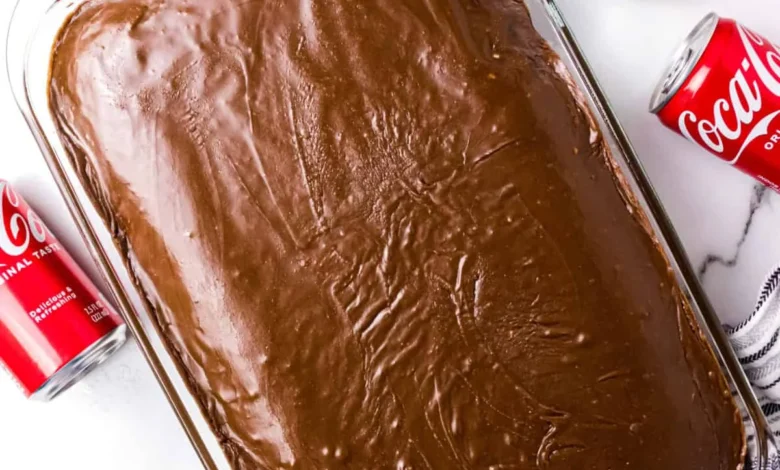
One of the defining characteristics of a genuine Southern Coca Cola Cake is the application of the frosting. Unlike traditional buttercream, which is applied once the cake has cooled completely to avoid melting, the Coca Cola Cake utilizes a hot-pour technique. The frosting, a mixture of cocoa, butter, and warm cola, is applied while both the cake and the icing are near their peak temperatures.
This method is rooted in the "Texas Sheet Cake" tradition. By pouring the warm liquid frosting over the hot cake, the icing penetrates the surface layer, creating a distinct, fudgy, and slightly translucent glaze that sets into a firm, glossy shell. This technique is not merely aesthetic; it serves as a seal that locks in the cake’s moisture, ensuring that the product remains palatable for several days—a factor that contributed to its popularity in pre-refrigeration-focused home kitchens.

Nutritional Profile and Dietary Considerations
In contemporary culinary analysis, the Coca Cola Cake is categorized as a high-density, indulgent dessert. A standard serving of this cake, typically calculated as a 1/12th portion of a 9×13-inch pan, averages approximately 591 calories. The composition of the dessert is heavily weighted toward carbohydrates and fats, derived from the sugar content of both the cake batter and the reduction of the cola used in the icing.
The following data outlines the typical nutritional breakdown for a single serving:

- Total Carbohydrates: 90 grams
- Sugars: 69 grams
- Total Fat: 26 grams (16 grams of which are saturated)
- Protein: 5 grams
While the recipe is not designed for low-sugar or low-fat dietary requirements, it remains a consistent reference point in American food science for its high yield and efficiency of production.
Cultural Impact and Social Significance
The Coca Cola Cake occupies a unique space in American social life. It is rarely viewed as a "gourmet" dessert; rather, it is positioned as a communal, utilitarian, and nostalgic dish. Its presence at church potlucks, family reunions, and holiday gatherings is emblematic of a specific era of American hospitality—one that prioritized quantity, accessibility of ingredients, and reliability of outcome.

Sociologists observing food trends suggest that the cake serves as a "comfort food bridge." Because the recipe relies on pantry staples—flour, sugar, cocoa, butter, and soda—it is accessible to home bakers across varying socioeconomic backgrounds. Furthermore, the ability to modify the recipe—such as adding chopped pecans or using different variations of cola (e.g., Dr. Pepper or Pepsi)—has allowed the cake to retain its relevance even as culinary trends have shifted toward more complex flavor profiles.
Variations and Modern Adaptations
While the foundational recipe remains constant, variations have emerged to meet contemporary tastes. The most common modification involves the addition of toasted nuts, specifically pecans, which provide a textural contrast to the soft, fudgy surface of the cake. Some modern iterations have experimented with the use of diet sodas or low-sugar cocoa alternatives, though professional bakers often note that the sugar content is essential for the structure and final texture of the crumb.

Another common adaptation involves the temperature at which the cake is served. While traditionally served at room temperature, many practitioners now suggest that the cake is best consumed 24 hours after preparation. This "resting period" allows the flavors to integrate and the frosting to reach its optimal consistency, a common practice in the preparation of legacy Southern desserts.
Broader Implications for Baking Trends
The longevity of the Coca Cola Cake provides a case study in the success of "legacy recipes." In an era dominated by high-end patisserie and complex, labor-intensive desserts, the Coca Cola Cake maintains its standing by offering a reliable, high-quality result with minimal technical overhead. Its survival in the digital age, through recipe sharing platforms and online archives, highlights a consumer preference for dishes that carry historical significance and emotional weight.

As food technology continues to advance, the basic principles of this cake remain unchanged. The reliance on simple, acidic-based leavening and heat-sensitive icing techniques serves as a reminder that some of the most effective culinary solutions were developed in home kitchens decades ago. Whether viewed through the lens of history, chemistry, or social tradition, the Coca Cola Cake remains a quintessential example of the adaptability and enduring nature of American regional baking.