The Evolution of the Sunken Chocolate Cake: How a Classic Cookbook Recipe Transformed into a Holiday Centerpiece

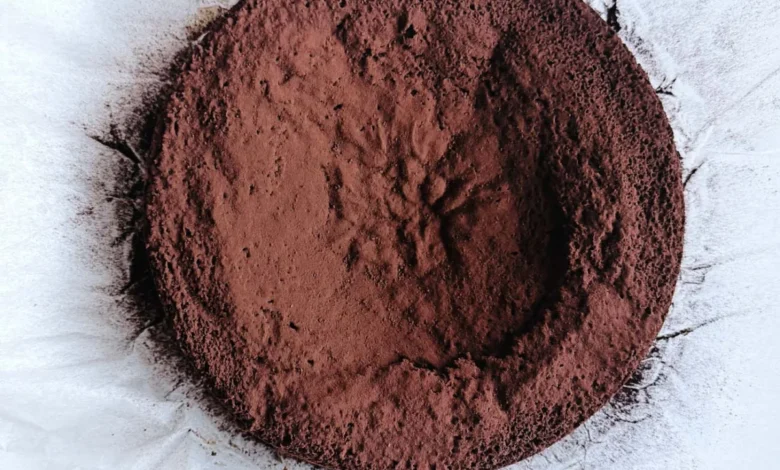
The culinary world has long embraced the alchemy of transforming simple pantry staples into complex, indulgent desserts, and few baked goods illustrate this phenomenon quite as effectively as the modern sunken chocolate cake. Originating as a rustic, hearty chocolate loaf featured in an inaugural cookbook, this beloved recipe has recently undergone a sophisticated structural and flavor-driven evolution. By transitioning from a traditional loaf tin into a refined springform pan and introducing the warming, aromatic depth of freshly grated nutmeg, home bakers and pastry professionals alike are redefining how deep, intense chocolate desserts are presented and experienced during the winter holiday season.
This culinary development reflects a broader trend in contemporary baking toward elevated comfort food. As consumers seek out desserts that offer both nostalgic warmth and visual elegance, recipe developers have focused on refining foundational techniques—such as incorporating hot coffee to bloom cocoa solids and utilizing meticulous mixing methods—to achieve superior texture and flavor profiles. The recent popularization of this specific sunken chocolate cake underscores a shift in how classic recipes are adapted for modern tables, balancing ease of preparation with upscale presentation.
The Evolution from Rustic Loaf to Elegant Centerpiece
The lineage of the sunken chocolate cake traces directly back to foundational rustic baking traditions, specifically a popular chocolate bread recipe featured in the author’s debut cookbook. While the original iteration prioritized the comforting, unpretentious qualities of a standard loaf cake—baked in a rectangular tin and designed for casual afternoon slicing—recent culinary adaptations have reimagined the dessert for formal gatherings and holiday celebrations.
The most significant physical modification in this latest evolution is the shift to a springform pan. This adjustment not only alters the visual architecture of the dessert, lending it a sleek and sophisticated silhouette suitable for festive tables, but it also alters the baking dynamics. Because the cake bakes up notably tall before settling into its characteristic sunken center, the higher sides of a springform pan are essential to prevent structural overflow during the rising phase.
Baking experts note that this transformation addresses a common consumer demand: the desire for recipes that require straightforward techniques yet deliver high-end visual results. By altering the baking vessel and introducing a finishing grating of high-grade spice, a routine weekday bake is successfully elevated into a show-stopping holiday centerpiece without requiring advanced confectionery skills.
The Science of Depth: Coffee and Cocoa Integration
At the heart of the sunken chocolate cake’s intense flavor profile is a well-established pastry technique: the incorporation of hot coffee or boiling water into chocolate batter. Culinary science dictates that hot liquids help to "bloom" cocoa powder, dissolving agglomerated particles and releasing trapped volatile aromatic compounds. This chemical process deepens the overall chocolate flavor, transforming a pale, flat batter into a rich, dark consistency that eventually bakes into an exceptionally moist crumb.
While hot water has historically sufficed for this purpose, discerning bakers frequently utilize specific coffee roasts to impart subtle, complementary flavor notes. Connoisseurs of the recipe have highlighted medium-to-dark profiles—such as Peace Coffee’s Tree Hugger blend—for their ability to enhance the bitterness of dark chocolate without overpowering the palate. The acidity and roasted undertones of the coffee act as a natural flavor enhancer, functioning similarly to how a pinch of salt elevates sweetness in baked goods.
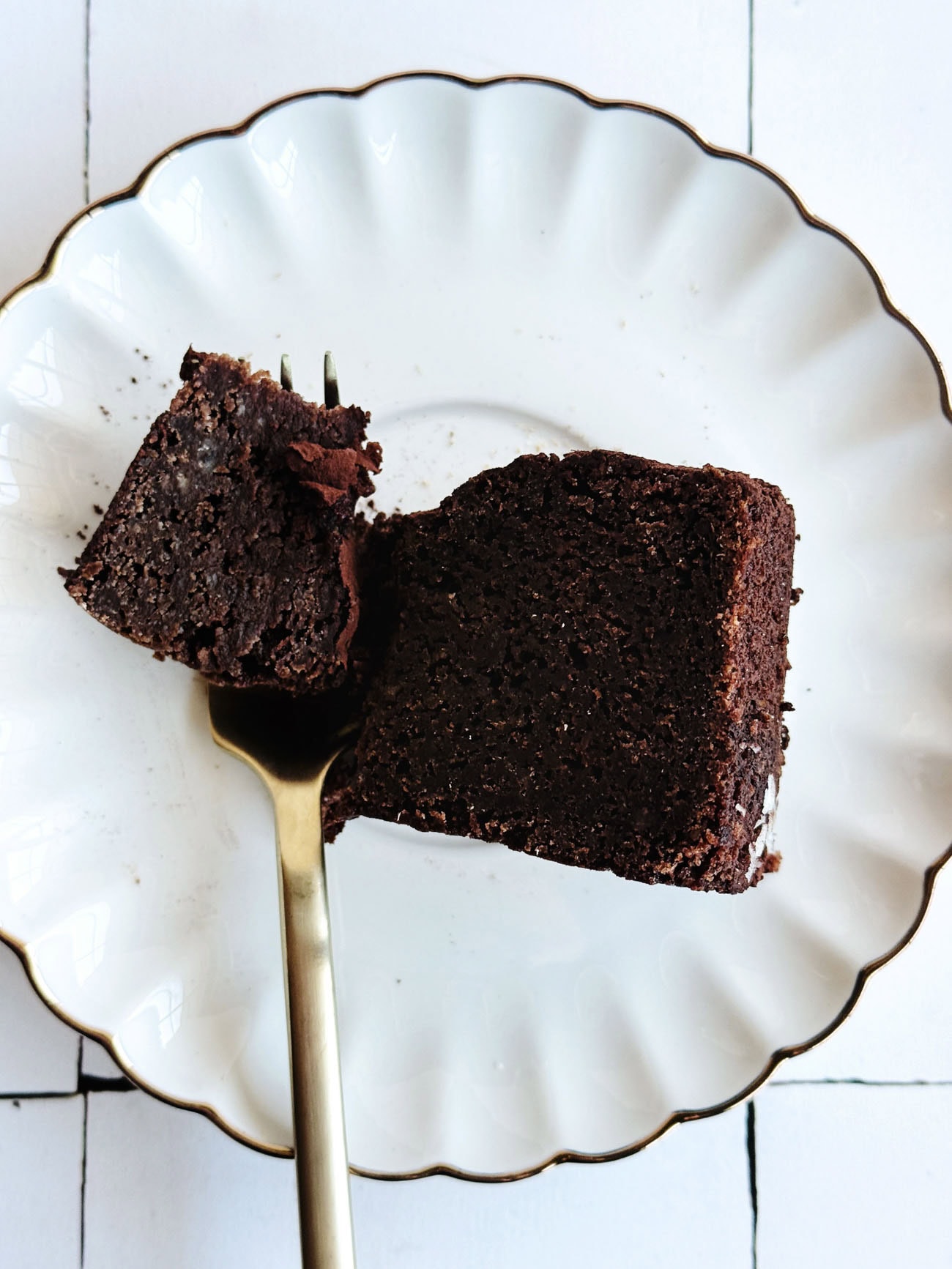
Furthermore, culinary timelines and taste-testing data indicate that the flavor profile of this specific cake matures significantly over time. Professional bakers and recipe developers have observed that the intensity of the chocolate deepens approximately 24 to 48 hours after baking, as the fats and moisture fully redistribute throughout the crumb. Consequently, the cake is frequently recommended as an ideal make-ahead dessert for holiday hosts, mitigating last-minute kitchen stress while paradoxically improving the overall dining experience.
The Renaissance of Nutmeg in Contemporary Baking
A defining characteristic of this newly refined chocolate cake is the prominent integration of nutmeg, a spice historically relegated to autumn pumpkin treats and winter beverages, but increasingly utilized across diverse baking applications. Over the past year, culinary trends have shown a marked surge in the appreciation of single-origin spices, with brands like Diaspora Co. highlighting regional nuances in nutmeg production, such as the prized harvests from the Anamalai hills.
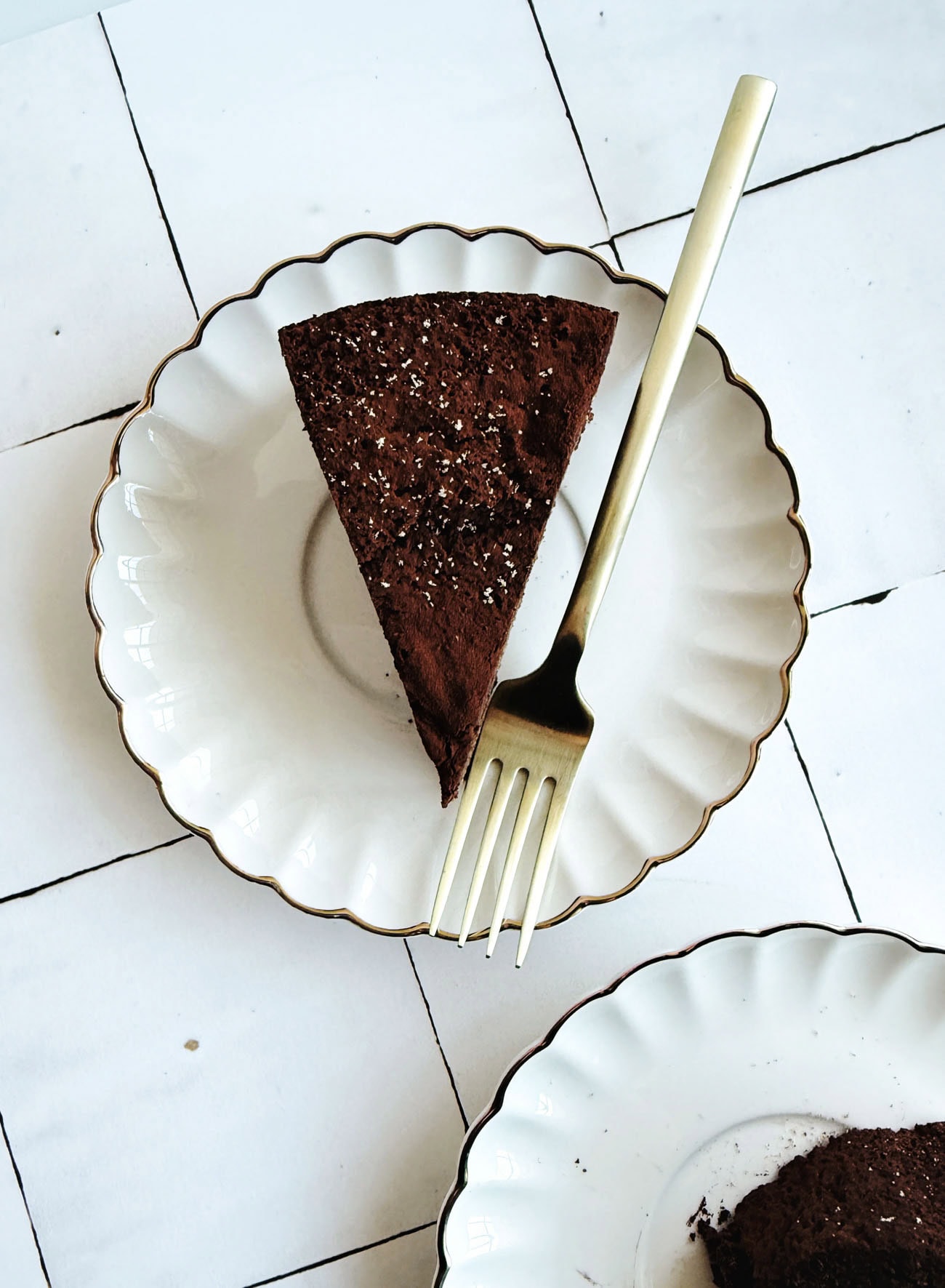
In the context of rich, dark chocolate, nutmeg provides a warm, woody, and slightly nutty counterpoint that cuts through heavy fats and sugar. When grated fresh over the surface of the cake immediately prior to serving, the volatile oils in the spice release an immediate aromatic burst that signals sensory warmth—qualities heavily associated with holiday festivities.
Culinary flexibility remains a core tenet of this recipe’s widespread appeal. Food historians and recipe testers emphasize that while nutmeg introduces a contemporary, sophisticated layer of complexity to the dessert, the underlying chocolate structure remains robust and delicious even in its absence. This adaptability ensures that the recipe can accommodate various dietary preferences and pantry constraints without compromising its structural integrity.
Technical Precision: Achieving the Ideal Batter
Beyond flavor pairings, the success of the sunken chocolate cake relies heavily on strict adherence to fundamental mixing mechanics. In delicate chocolate cakes, structural flaws—such as unmixed pockets of flour, dense streaks, or uneven rises—frequently stem from inadequate bowl scraping and improper folding techniques.
Professional pastry standards dictate that frequent scraping down of the mixing bowl is non-negotiable. Ingredients tend to cling to the sides and bottom of mixing vessels, escaping the reach of standard paddle attachments. To combat this, bakers are advised to employ a flexible plastic spatula during the final stages of mixing, manually turning the batter to ensure total incorporation from the very bottom of the bowl. This mechanical intervention prevents pockets of dry flour or unblended fat from ruining the crumb structure.
Additionally, ingredient standardization plays a critical role in recipe replication. Discrepancies in flour measurement remain one of the most common pitfalls in home baking. While various culinary sources calculate a standard cup of all-purpose flour anywhere from 120 grams to 142 grams, rigorous testing of this specific recipe establishes 142 grams per cup as the optimal density for consistent results, based on unbleached flours such as Gold Medal all-purpose. Protein content variations across flour brands can drastically alter structural rise and crumb tenderness, reinforcing the importance of standardized dry-to-wet ratios in modern baking instructions.
Broader Implications for the Holiday Baking Landscape
The introduction and rapid adoption of refined rustic desserts like the sunken chocolate cake signal a broader shift in consumer behavior during the holiday season. As inflationary pressures and busy modern schedules prompt many consumers to reevaluate traditional, highly labor-intensive holiday baking projects, there is a distinct preference for high-yield, low-complexity recipes that offer gourmet results.
Desserts that rely on pantry staples—cocoa powder, flour, coffee, and spices—minimize the need for specialty shopping trips while still delivering the sensory gratification expected of festive gatherings. Furthermore, the trend toward make-ahead viability aligns with the growing consumer interest in time-management efficiency in the kitchen.
As food media continues to highlight the intersection of rustic comfort and elegant presentation, recipes that bridge this gap are expected to dominate seasonal culinary trends. The evolution of the sunken chocolate cake demonstrates that traditional baking is not a static art, but a dynamic craft capable of continuous reinvention through thoughtful ingredient pairings and refined presentation techniques.