Decoding the Mediterranean Diet: Why Small, Affordable Fish Trump Expensive Salmon

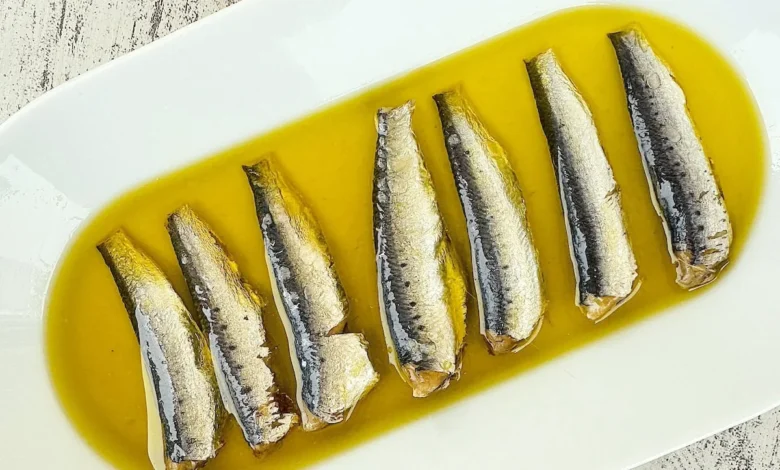
The global reputation of the Mediterranean diet has long centered on its generous inclusion of fish, frequently cited by nutritionists and cardiologists alike as a cornerstone of cardiovascular health and human longevity. However, a widespread misconception persists regarding the nature, frequency, and species of fish consumed by traditional Mediterranean populations. Contemporary consumer habits often dictate that adopting a Mediterranean lifestyle requires daily consumption of expensive, fresh seafood—most notably Pacific or Atlantic salmon. Historical evidence, nutritional science, and culinary anthropology reveal a vastly different reality: the traditional Mediterranean diet relied heavily on small, oily, preserved, and remarkably affordable fish such as sardines and anchovies, which were eaten sparingly rather than daily.
Historical Realities and Geographical Constraints
To understand the true role of seafood in traditional Mediterranean societies, one must examine the topography of the region. Greece, for instance, is approximately 80 percent mountainous. Historically, large segments of the population lived in inland, elevated communities with minimal access to daily supplies of fresh marine fish.
During the mid-20th century and earlier eras, logistics dictated diet. Coastal fishmongers typically visited mountainous villages only once or twice a week during the summer months, and even less frequently during the winter. Consequently, coastal and inland communities alike mastered preservation techniques. Preservation methods included salting, curing, and marinating. Fish served primarily as a savory, nutrient-dense side dish or a meze accompaniment to abundant plant-based staples, such as lentils, chickpeas, wild greens, and seasonal vegetables, rather than as the primary centerpiece of every meal.
Salmon, a staple of modern Western health food culture, is entirely absent from the Mediterranean Sea and never formed part of the historical culinary tradition of the region. Instead, the historical baseline of the diet consisted of small, pelagic fish that traveled well when preserved and remained exceptionally accessible to rural households.
Nutritional Science: The Vital Role of Omega-3 Fatty Acids
At the core of the nutritional acclaim for fish is its high concentration of omega-3 polyunsaturated fatty acids. These essential fatty acids are categorized as vital because the human body cannot synthesize them independently, necessitating intake via dietary sources.
Extensive epidemiological and clinical research demonstrates that omega-3 fatty acids—specifically eicosapentaenoic acid (EPA) and docosahexaenoic acid (DHA)—exert protective effects on the cardiovascular system. Regular consumption is associated with a statistically significant reduction in the risk of myocardial infarctions, ischemic strokes, and overall cardiovascular mortality. Furthermore, neuroepidemiological studies indicate that higher dietary intake of marine omega-3 fatty acids correlates with a decreased incidence of cognitive decline, dementia, and Alzheimer’s disease, alongside general improvements in cognitive processing speed.
Beyond neurological and cardiac benefits, omega-3s are recognized for their potent anti-inflammatory properties. Chronic, low-grade systemic inflammation is a primary pathological driver in numerous modern non-communicable diseases, including type 2 diabetes, metabolic syndrome, and autoimmune disorders. In traditional Mediterranean populations, omega-3s were derived not from a single source, but from a mosaic of foods including wild greens, walnuts, grass-fed animal products, and, crucially, small fatty fish like sardines and anchovies.
Sardines: Nutritional Powerhouses of the Lower Food Chain
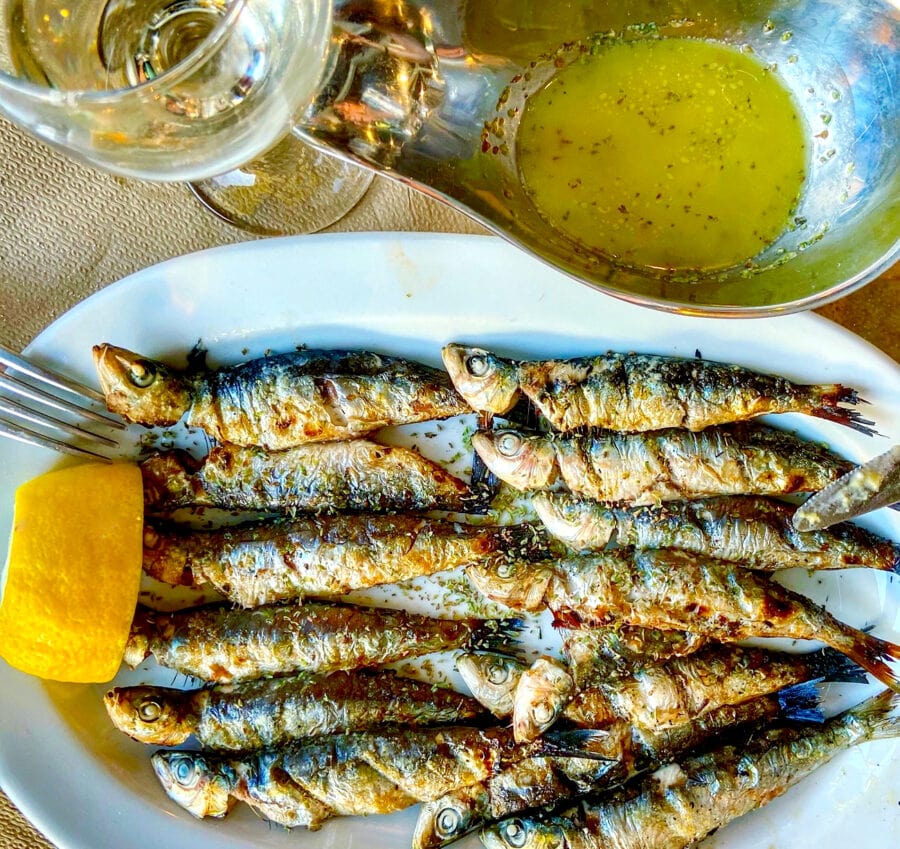
Among marine resources, the humble sardine stands out as an exceptionally dense source of macro- and micronutrients. Because sardines are typically consumed whole—including their soft, edible bones, particularly when canned—they provide an extraordinary concentration of bioavailable calcium and vitamin D, two nutrients notoriously difficult to obtain in adequate quantities through unfortified foods.
Furthermore, sardines are rich in high-quality protein, vitamin B12, selenium, and iron. Because they occupy a low trophic level in the marine food chain—feeding primarily on plankton rather than smaller predatory fish—they accumulate negligible amounts of heavy metals, most notably methylmercury. This biological reality positions sardines among the safest seafood choices available for regular consumption, allowing individuals to incorporate them into their weekly meal plans multiple times without heavy-metal accumulation concerns.
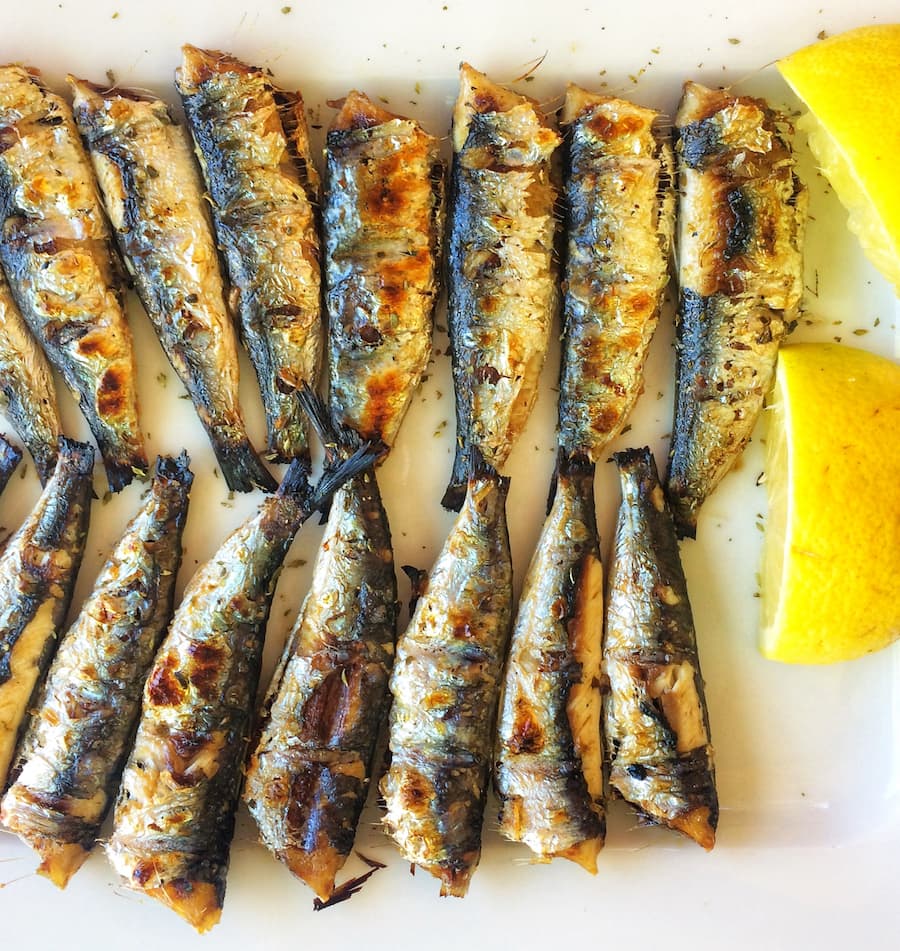
From an economic perspective, canned sardines offer a high-yield protein source at a fraction of the cost of fresh fillets or premium species. Food science analyses confirm that commercial canning processes do not degrade or destroy omega-3 fatty acids, ensuring that canned sardines packed in olive oil retain the identical nutritional integrity of fresh catches.
Anchovies: Beyond the Pizza Topping
Similarly undervalued are anchovies, which suffer from a modern culinary reputation largely restricted to a salty, polarizing pizza topping or Caesar dressing ingredient. Historically, anchovies formed a cornerstone of the Mediterranean preservation economy.
Nutritionally, anchovies mirror sardines: they are small, oily fish packed with omega-3 fatty acids, protein, B vitamins, and essential minerals. When consumed whole or utilized as a foundational flavor-enhancing ingredient in sauces and stews, they deliver substantial calcium and micronutrients while maintaining an exceptionally low mercury profile.
In traditional Greek and broader Mediterranean cuisines, fresh anchovies are frequently prepared as gavros marinatos—cured in fresh lemon juice and extra virgin olive oil—and served as a classic meze. Salt-packed anchovies, similarly, possessed the durability required to travel deep inland, providing isolated communities with a reliable, shelf-stable source of animal protein and micronutrients.
The Modern Seafood Paradox: Salmon, Cod, and Herring
While contemporary marketing frequently elevates Atlantic and Pacific salmon as the definitive healthy fish, nutritionists emphasize that alternative species can achieve identical physiological outcomes with lesser environmental and financial costs. Salmon remains an excellent source of omega-3s, high-quality protein, and astaxanthin—a potent carotenoid antioxidant. However, its high market price and lack of historical presence in the Mediterranean basin render it an optional, rather than mandatory, component of the diet.
Similarly, other traditional preserved species occupy unique niches within the broader European and Mediterranean foodways. Salt cod (bakaliaros in Greece, bacalhau in Portugal, and baccalà in Italy) served for centuries as a vital protein lifeline for inland European communities. Because salt cod is heavily desalted and rehydrated before cooking, it provides lean protein, though the salting and preservation process largely strips away the delicate omega-3 fatty acids found in oily fish. Consequently, while salt cod remains a culturally authentic component of Mediterranean cuisine, it functions primarily as a versatile protein rather than a primary vehicle for essential fatty acids.
Herring, conversely, represents a Northern European species that nevertheless infiltrated the Greek domestic table through trade and preservation. Known in Greece as renga, smoked and salted herring has long been consumed in small quantities alongside traditional legumes such as lentils and chickpeas. While herring delivers a robust nutritional profile rich in omega-3s and selenium, its higher position in the marine food chain translates to slightly elevated mercury concentrations compared to sardines, reinforcing the traditional practice of consuming it sparingly as a savory accompaniment rather than an everyday main course.
Broader Economic and Environmental Implications
The re-evaluation of traditional Mediterranean fish consumption patterns carries significant implications for both public health economics and environmental sustainability. Global demand for high-trophic-level predatory species, such as salmon and tuna, places immense strain on wild marine ecosystems and drives up aquaculture carbon footprints.
Conversely, the promotion of small pelagic species—sardines and anchovies—aligns public health nutrition goals with marine conservation principles. Small forage fish reproduce rapidly, exist in vast global biomass abundance, and possess a minimal carbon footprint. By debunking the myth that the Mediterranean diet demands expensive, fresh, high-end seafood, consumers can access superior cardiovascular and cognitive health benefits while simultaneously reducing household grocery expenditures and supporting sustainable fisheries management.