The Cilantro Lime Slaw A Versatile and Nutrient-Dense Addition to Modern Culinary Practices

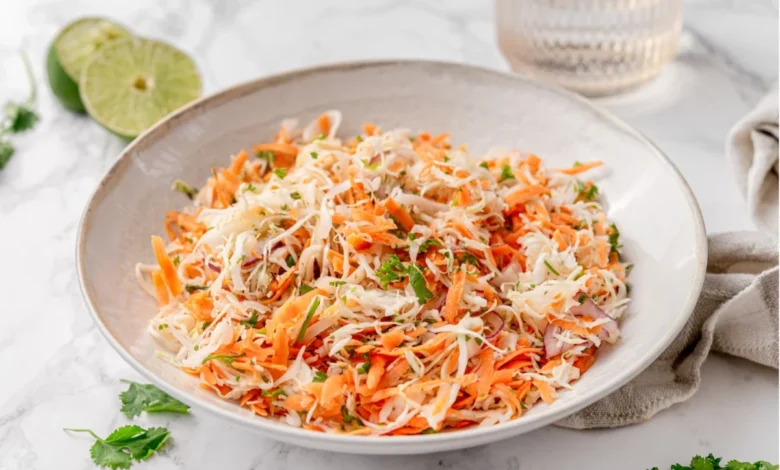
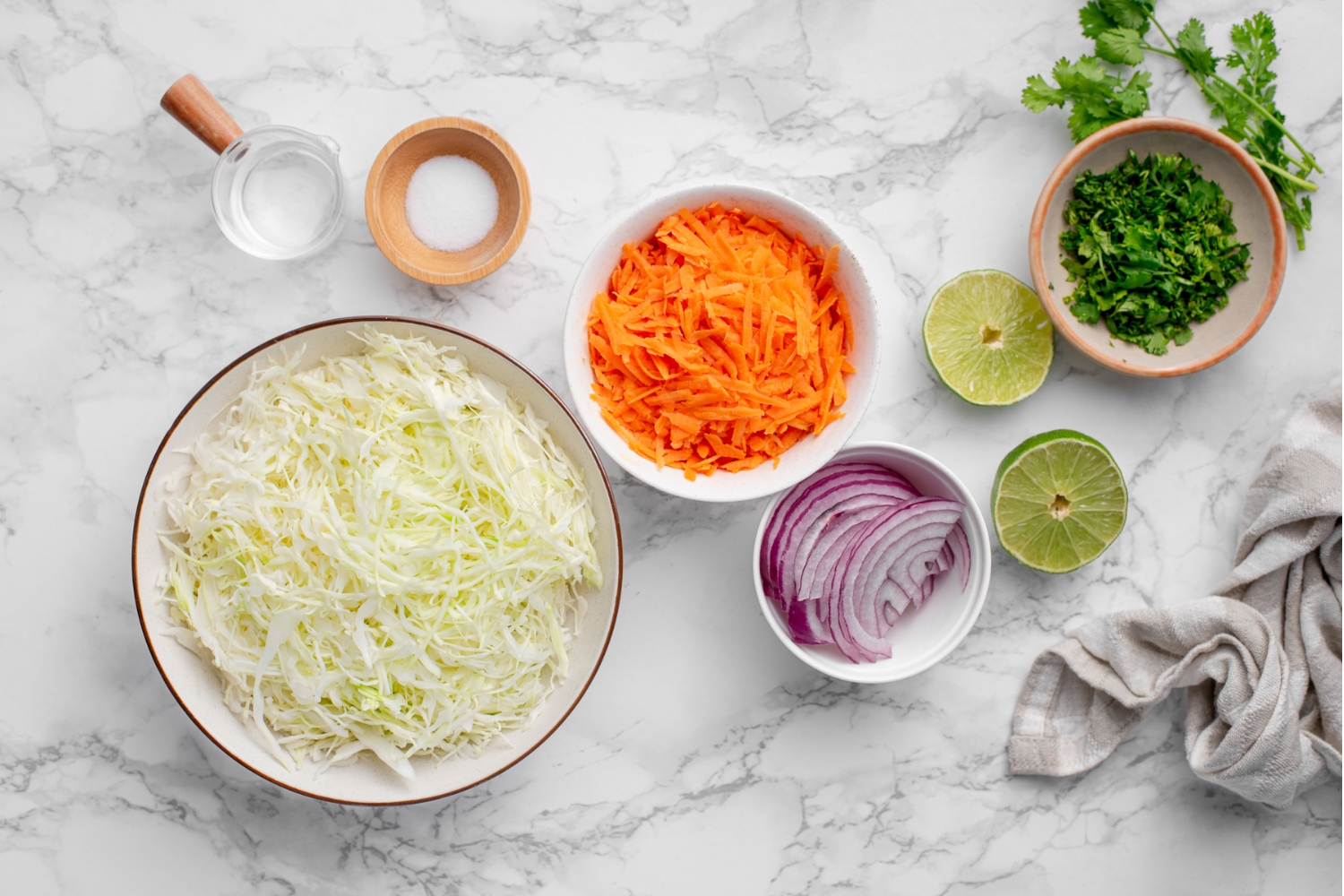
The modern culinary landscape has seen a significant shift toward plant-forward side dishes that prioritize minimal processing and high nutritional density. Among these, the Cilantro Lime Slaw has emerged as a staple for both home cooks and professional chefs, favored for its simplicity, efficiency, and role in balancing the flavor profiles of diverse main courses. Composed of thinly sliced cabbage, grated carrots, red onion, and a vibrant dressing of fresh lime juice and white wine vinegar, this dish represents an evolution away from traditional, mayonnaise-heavy coleslaws, offering a lighter alternative that aligns with contemporary dietary guidelines.
Nutritional Profile and Dietary Alignment
The popularity of the Cilantro Lime Slaw is supported by its impressive nutritional profile. At approximately 35 kilocalories per serving, it offers an efficient way to increase vegetable intake without contributing significant caloric load to a meal. The primary ingredient, cabbage, serves as a robust source of dietary fiber and Vitamin C, both essential for digestive health and immune function. Carrots provide a substantial amount of beta-carotene, a precursor to Vitamin A, which is vital for vision and skin health.
From a clinical perspective, the inclusion of fresh herbs like cilantro is significant. Beyond its distinct aromatic properties, cilantro contains potent antioxidants and Vitamin K, which is necessary for bone health and blood coagulation. The reliance on lime juice and white wine vinegar as the base of the dressing—rather than fats or emulsifiers—reduces the total fat content to approximately 0.2 grams per serving, making it an ideal inclusion for those adhering to heart-healthy diets or those seeking to manage blood sugar levels.
The Science of Flavor Integration
The preparation of this slaw involves a specific temporal requirement: a 10-minute resting period. Culinary experts emphasize that this step is not merely a suggestion but a chemical necessity for flavor development. When salt, lime juice, and vinegar are introduced to the raw vegetables, they initiate a process of osmosis. This draws moisture out of the cabbage cells, softening the fibers and allowing the acidity of the citrus and the vinegar to penetrate the structure of the vegetable.
This "marination" phase is critical to the dish’s success. If served immediately, the components remain disjointed; the sharpness of the red onion can be overpowering, and the cabbage remains excessively rigid. After ten minutes, the ingredients achieve a state of equilibrium, where the natural sugars in the carrots and the herbal notes of the cilantro are amplified by the acidic dressing, resulting in a cohesive flavor profile that is both sharp and refreshing.
Comparative Analysis: Traditional vs. Modern Slaw
Historically, the American coleslaw has been characterized by heavy, fat-laden binders such as mayonnaise or sour cream. While these provide a creamy texture, they often mask the flavor of the fresh vegetables and significantly increase the caloric and saturated fat intake of the dish.
The transition toward the Cilantro Lime Slaw marks a broader trend in food culture toward "clean" eating, which emphasizes fresh, whole ingredients. By replacing heavy emulsions with a simple vinaigrette, this slaw functions more as a palate cleanser than a heavy accompaniment. This characteristic makes it particularly effective when paired with rich, grilled proteins—such as lamb or fatty fish—where the acidity acts as a digestive aid and a flavor balancer.
Culinary Applications and Pairing Dynamics
The versatility of the Cilantro Lime Slaw has made it a preferred choice for various global cuisines. In Mexican-inspired dishes, it provides the essential crunch for fish tacos. In Mediterranean contexts, it serves as a crisp contrast to warm, spice-heavy proteins like chicken shish tawook or lamb kebabs.
Professional chefs often utilize such slaws to add textural complexity to a plate. The combination of the firm, shredded cabbage and the soft, grated carrot ensures a multidimensional mouthfeel. Furthermore, the bright color palette—ranging from the deep purple of red onions to the vibrant orange of carrots and the lush green of cilantro—enhances the visual appeal of the meal, a factor that is increasingly prioritized in both home and restaurant dining.
Economic and Practical Considerations
For the home cook, the economic advantages of this recipe are notable. The ingredients—cabbage, carrots, and onions—are among the most affordable and shelf-stable vegetables available in the produce section. A single head of cabbage can yield several batches of slaw, making it a cost-effective solution for meal planning.
Furthermore, the lack of cooking required significantly reduces energy consumption and preparation time. The "no-cook" aspect is particularly relevant in warmer months or in high-volume kitchens where stove space is at a premium. The process is straightforward:
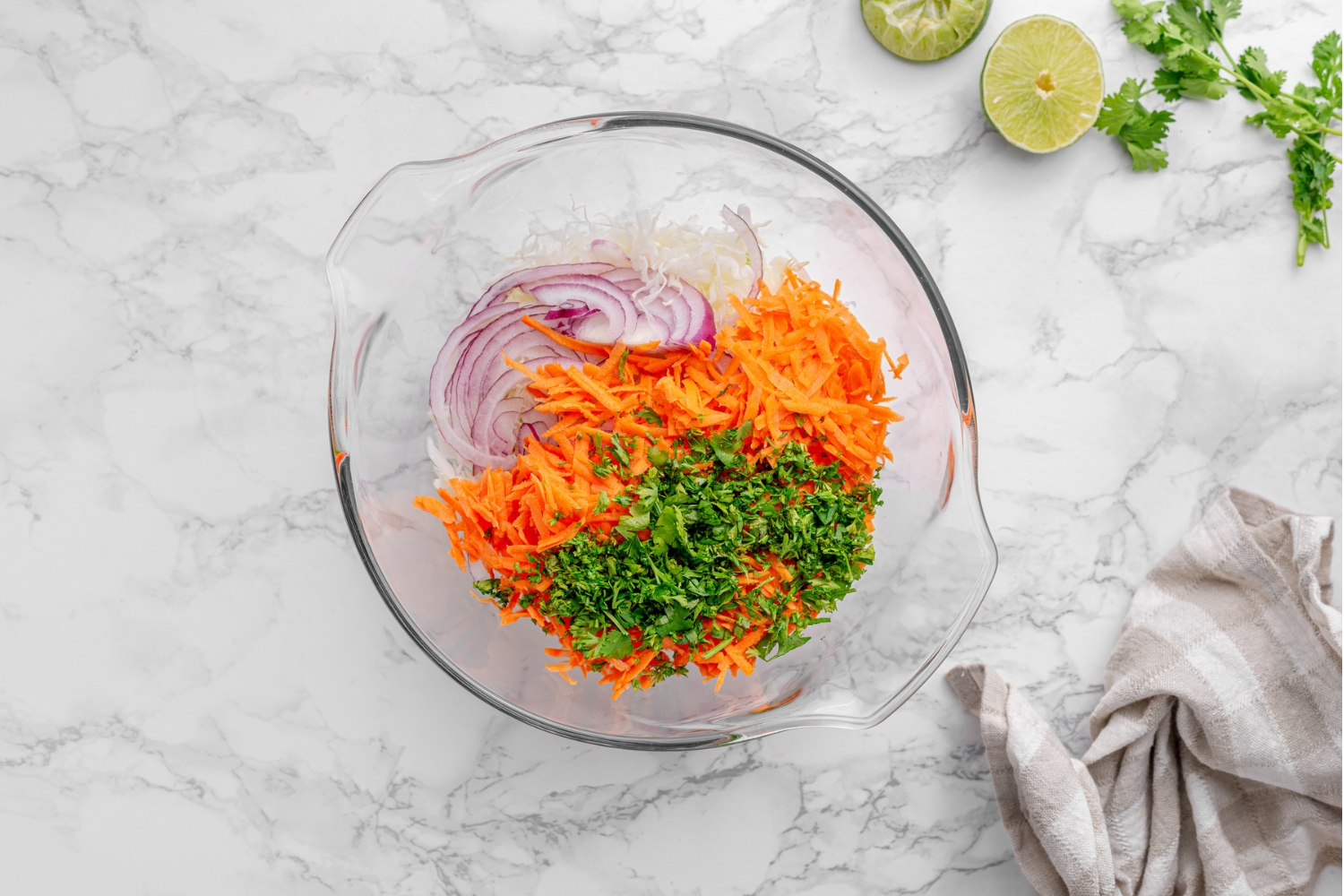
- Dressing preparation: Mixing lime juice, vinegar, and salt in the base of the bowl.
- Vegetable integration: Incorporating the sliced cabbage, carrots, and onions.
- Resting phase: Allowing the mixture to stand for 10 minutes to ensure optimal texture.
- Final adjustment: A quick toss and a final taste test to adjust for individual preferences.
Long-term Storage and Food Safety
While this slaw is best consumed fresh, it is notably more resilient than cream-based salads. The acidity of the lime and vinegar acts as a mild preservative, extending the shelf life of the dish when stored in an airtight container. However, consumers should be aware that the texture will degrade over time; as the cabbage continues to absorb the dressing, it will eventually lose its structural integrity and become soft. For those preparing the dish for events or meal prep, it is recommended to keep the dressing separate if the slaw is to be stored for more than 24 hours, or to prepare it no more than four hours before consumption.
Broader Implications for Dietary Habits
The widespread adoption of recipes like the Cilantro Lime Slaw reflects a growing public interest in the Mediterranean diet, which is consistently ranked by health organizations as one of the most effective patterns for long-term health. The emphasis on plant-based components, the use of fresh herbs, and the avoidance of ultra-processed dressings align perfectly with the core tenets of this diet.
By incorporating such dishes into a weekly rotation, individuals can easily meet the recommended daily intake of vegetables. The success of this specific recipe in home kitchens suggests that when healthy food is made simple and flavorful, it is more likely to be adopted as a permanent dietary habit. As culinary education continues to move toward more accessible, health-conscious preparations, the Cilantro Lime Slaw serves as an excellent model for how traditional sides can be reimagined for modern nutritional standards.
In conclusion, the Cilantro Lime Slaw is more than a simple side dish; it is a manifestation of contemporary culinary values. It balances the need for convenience with the demand for health, providing a template that is as nutritious as it is versatile. Whether serving as a base for a taco, a topping for a sandwich, or a standalone side to a grilled entrée, its role in modern meal composition is both functional and significant, offering a sustainable path toward better eating habits without sacrificing the joy of flavor.