Unlocking the Secrets of Longevity: Five Essential Staples of the Authentic Mediterranean Diet

The modern global wellness industry is saturated with restrictive dietary protocols, fleeting fads, and an endless cycle of demonized food groups. Yet, for decades, nutritional scientists and public health officials have consistently pointed to a different paradigm: the traditional Mediterranean diet. Far from a rigid prescription of deprivation, this centuries-old dietary pattern—recognized by UNESCO as an Intangible Cultural Heritage of Humanity—emphasizes abundance, flavor, and community. According to registered dietitian, nutritionist, and wellness expert Elena Paravantes, the true secret to achieving a balanced and healthy lifestyle lies not in eliminating beloved foods, but in embracing the wholesome, nutrient-dense staples that have sustained Mediterranean populations for generations.
Historical Context and Evolution of the Mediterranean Diet
The dietary habits of the Mediterranean basin first gained significant international attention in the mid-20th century, largely due to the pioneering epidemiological research of American physiologist Ancel Keys. Through the landmark Seven Countries Study, initiated in the late 1950s, Keys and his colleagues observed a striking correlation between the traditional dietary patterns of populations in Greece (particularly Crete) and Southern Italy and notably lower rates of chronic cardiovascular disease and longer overall life expectancy compared to cohorts in the United States and Northern Europe.
Over the subsequent decades, thousands of peer-reviewed clinical trials and epidemiological studies have corroborated these initial findings. The modern understanding of the Mediterranean diet has evolved from a regional curiosity into a gold standard of preventive cardiology, metabolic health, and longevity science. Rather than focusing on isolated macronutrients, contemporary nutritional science views the Mediterranean diet as a synergistic matrix of whole foods, healthy fats, aromatic herbs, and communal eating practices.
The Core Pillars: Five Indispensable Kitchen Staples
To understand how this dietary pattern operates in daily life, one must examine the specific ingredients that form its foundation. Based on decades of traditional practice and nutritional expertise, five foundational elements consistently anchor the authentic Mediterranean kitchen.
1. Nutrient-Dense Whole Grains
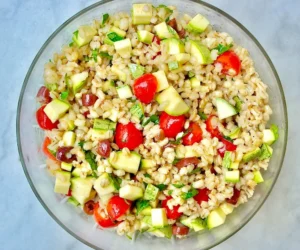
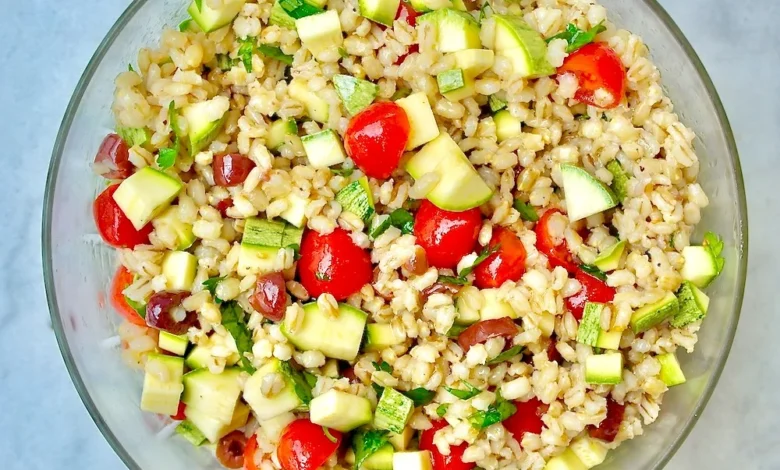
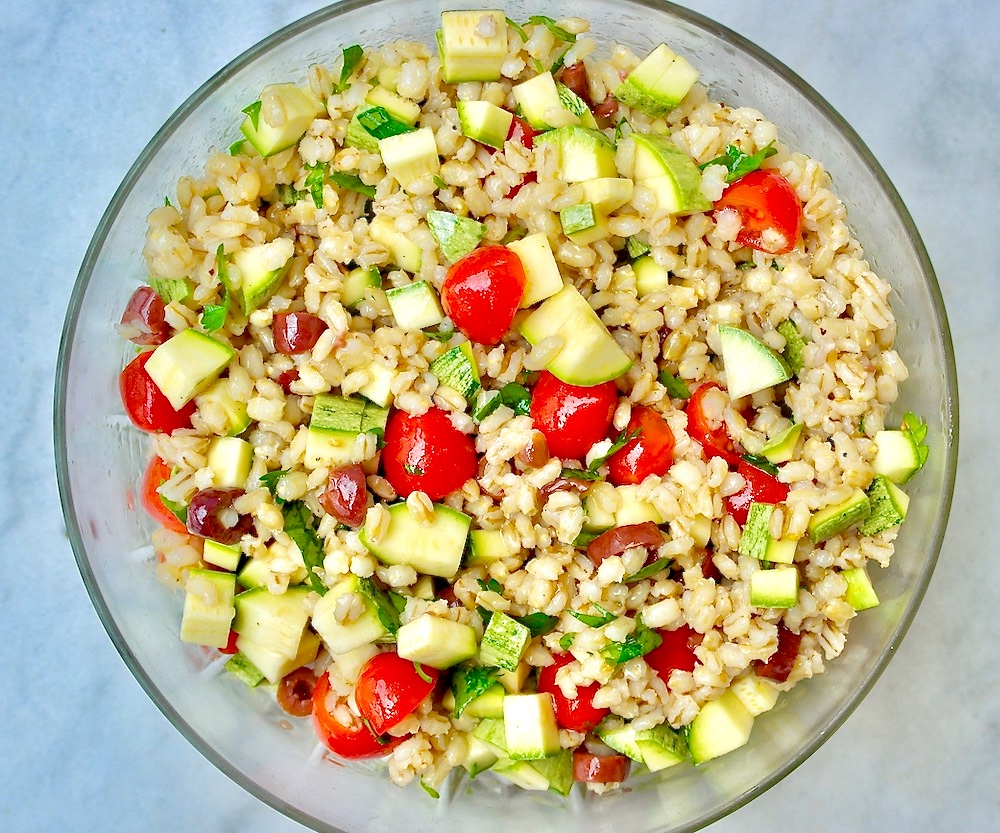
In contemporary Western diets, grains are frequently vilified or reduced to heavily processed, refined white flour products. In stark contrast, traditional Mediterranean kitchens have long relied on unrefined whole grains. Depending on the specific micro-region—whether the sun-drenched islands of Greece or the agricultural plains of Southern Italy—tables have historically featured hardy grains such as barley, bulgur, farro, and whole-grain rustic breads.
Nutritionally, whole grains retain the complete grain structure, including the fiber-rich bran, the vitamin-packed germ, and the starchy endosperm. This composition provides a sustained release of glucose, ensuring prolonged satiety and steady energy levels. When paired with seasonal vegetables, legumes, fresh herbs, and extra virgin olive oil, whole grains transform into deeply satisfying, complex meals that support optimal gastrointestinal and metabolic health.
2. Aromatic Herbs, Particularly Greek Oregano
Flavor is a critical determinant of dietary adherence. Traditional Mediterranean cooking achieves extraordinary culinary depth without relying on heavy cream-based sauces, excessive sodium, or artificial flavor enhancers. Herbs, particularly Greek oregano, are utilized generously as primary flavoring agents rather than mere decorative garnishes.
Dried Greek oregano, cultivated under intense Mediterranean sunlight, develops a robust, highly aromatic profile capable of elevating simple ingredients such as tomatoes, root vegetables, legumes, and grilled fish. Beyond its sensory benefits, oregano is rich in potent antioxidant and antimicrobial compounds, including carvacrol and thymol. Public health researchers note that the strategic use of herbs and spices makes nutrient-dense, plant-forward foods exceptionally palatable, encouraging higher long-term consumption of health-promoting ingredients.
3. Traditional Fermented Dairy: Authentic Greek Yogurt
While fermented dairy products have gained immense popularity globally as functional "high-protein health foods," yogurt has served as an everyday dietary staple in Greece for centuries. Authentic strained Greek yogurt is characterized by its thick, creamy texture, achieved through the removal of liquid whey.
Traditionally consumed plain or lightly sweetened with raw honey and seasonal fruit, Greek yogurt is also the primary vehicle for iconic preparations such as tzatziki, a garlic and cucumber infused condiment. From a nutritional perspective, authentic yogurt provides a rich matrix of high-quality protein, bioavailable calcium, and live probiotic cultures that support a robust and diverse gut microbiome.
4. The Golden Foundation: Extra Virgin Olive Oil
It is impossible to discuss the Mediterranean dietary framework without addressing its undisputed cornerstone: extra virgin olive oil (EVOO). In nations such as Greece, which boasts the highest per capita consumption of olive oil globally, this culinary fat is utilized universally—infusing everything from raw salads and cooked vegetable stews to rustic breads and even traditional baked goods.
Extra virgin olive oil is uniquely distinguished by its high concentration of monounsaturated fatty acids (primarily oleic acid) and a complex profile of bioactive minor components, most notably polyphenols. These compounds exhibit powerful anti-inflammatory and antioxidant properties. Nutritional experts emphasize that the traditional Mediterranean diet is, by definition, a moderate-to-high fat dietary pattern; true adherence is fundamentally incompatible with low-fat restrictions. Furthermore, the palatable nature of olive oil enhances the absorption of fat-soluble vitamins (A, D, E, and K) found in accompanying vegetables, rendering even traditionally unappealing produce delicious.
5. Abundant Seasonal Vegetables
Vegetables form the visual and volumetric center of the Mediterranean plate. Ranging from nightshades like tomatoes, eggplants, and bell peppers to leafy greens, zucchini, and cruciferous vegetables like cauliflower and broccoli, seasonal produce is treated with culinary reverence.
Preparation methods remain remarkably unpretentious: vegetables are frequently roasted alongside olive oil and oregano, simmered slowly in olive-oil-based tomato broths (known in Greek as ladera), or stuffed with aromatic rice and fresh herbs. This culinary approach ensures a high intake of dietary fiber, essential vitamins, minerals, and diverse phytochemicals, directly supporting immune function and lowering systemic inflammation.
Broader Economic and Public Health Implications
As global healthcare systems grapple with rising rates of non-communicable diseases—such as type 2 diabetes, obesity, and cardiovascular disorders—policymakers and public health organizations increasingly look to dietary lifestyle interventions as a cost-effective mitigation strategy.
Economic analyses suggest that widespread adoption of a Mediterranean-style dietary pattern could significantly reduce direct healthcare expenditure related to chronic disease management. However, experts caution that successful implementation requires more than individual behavioral changes; it necessitates agricultural policies that support sustainable farming, local supply chains for fresh produce, and consumer education that demystifies cooking with whole, unrefined ingredients.
Conclusion: Beyond the Plate
Ultimately, the enduring appeal of the Mediterranean diet lies in its holistic philosophy. As highlighted by wellness practitioners and cultural historians alike, the diet is not merely a collection of isolated superfoods or a restrictive set of nutritional guardrails. Rather, it represents an entire cultural ecosystem—one centered on the pleasures of shared meals, seasonal eating, culinary simplicity, and respect for the natural rhythms of daily life. In an era dominated by nutritional confusion, returning to these foundational principles offers a sustainable, scientifically validated pathway toward genuine, long-term wellness.