The Sun-Drenched Flavors of Amalfi Coast: A Deep Dive into Linguine Positano

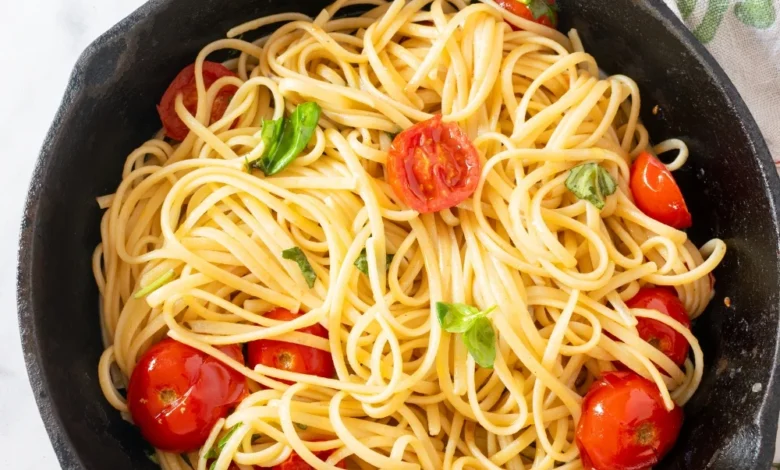
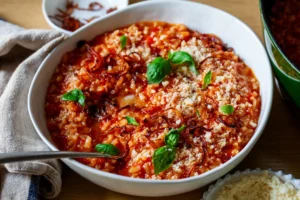
Linguine Positano stands as a testament to the power of simplicity in Italian cuisine, a dish that encapsulates the vibrant, sun-kissed essence of Italy’s Amalfi Coast. This seemingly straightforward pasta preparation, built upon a foundation of sweet cherry tomatoes, fragrant garlic, fresh basil, and the liquid gold of extra virgin olive oil, is a celebration of high-quality, unadulterated ingredients. Its minimal preparation time and reliance on common pantry staples underscore a profound culinary truth: some of the most deeply satisfying meals are often the most elemental. Named in homage to the picturesque seaside town of Positano, a jewel on the Amalfi Drive, this dish embodies the relaxed elegance and unhurried pace characteristic of Mediterranean culinary traditions. It eschews the need for heavy creams or complex, time-consuming sauces, instead allowing the natural sweetness and succulence of ripe tomatoes to meld into a rich, clinging sauce that perfectly coats each strand of linguine. The finishing touches of fresh basil and premium olive oil create a dish that is simultaneously light, invigorating, and profoundly comforting.
Furthermore, Linguine Positano aligns seamlessly with the principles of the Mediterranean diet, a dietary pattern consistently lauded by health organizations for its numerous health benefits. This diet emphasizes the consumption of whole foods, healthy fats, abundant vegetables and herbs, and moderate portions of nutrient-rich carbohydrates like pasta. When thoughtfully paired with a fresh, crisp salad or delicate grilled seafood, Linguine Positano transforms into a balanced and nourishing meal that is as beneficial for well-being as it is delightful to the palate. Whether one is seeking a swift and elegant weeknight dinner or aiming to impress guests with an authentic taste of Italy, this classic Mediterranean-inspired pasta consistently delivers restaurant-quality flavor with an admirable lack of culinary fuss.
The Art of Simplicity: Crafting Linguine Positano
The inherent beauty of Linguine Positano lies in its minimalist approach, where each ingredient plays a crucial role. Consequently, the selection of fresh, high-quality produce is paramount to achieving the dish’s signature flavor profile.
The culinary journey begins with bringing a generous pot of well-salted water to a rolling boil. The linguine is then cooked until it achieves an "al dente" texture, meaning it retains a slight firmness to the bite, according to the package instructions. A critical step in ensuring the sauce’s perfect consistency involves reserving approximately half a cup of the starchy pasta cooking water before draining. This humble liquid acts as a secret ingredient, emulsifying with the olive oil and tomato juices to create a silky, cohesive sauce that adheres beautifully to every strand of pasta.
Concurrently, while the pasta is at its cooking stage, a large skillet is heated over medium heat with a generous pour of extra virgin olive oil. Thinly sliced garlic is then introduced, cooked gently until it releases its intoxicating aroma and achieves a pale, golden hue. Vigilance is key during this stage; overcooked or burnt garlic can impart an unwelcome bitterness that detracts from the dish’s overall harmony.
Once the garlic is fragrant, the halved cherry tomatoes are added to the skillet. If a touch of subtle heat is desired, red pepper flakes can be incorporated at this juncture. The tomatoes are then seasoned with salt and freshly ground black pepper. As they begin to cook, they soften, burst, and release their natural juices, forming the flavorful foundation of the sauce that is the hallmark of Linguine Positano. This slow release of tomato essence is what gives the dish its vibrant color and rich, yet light, tomato character.
As the tomatoes break down and meld into a sauce, the cooked linguine is transferred directly into the skillet. The ingredients are tossed together, with a judicious splash of the reserved pasta water added as needed to achieve the desired sauce consistency. The starch present in the pasta water acts as a natural emulsifier, binding the olive oil and tomato juices into a smooth, glossy coating that envelops the pasta.
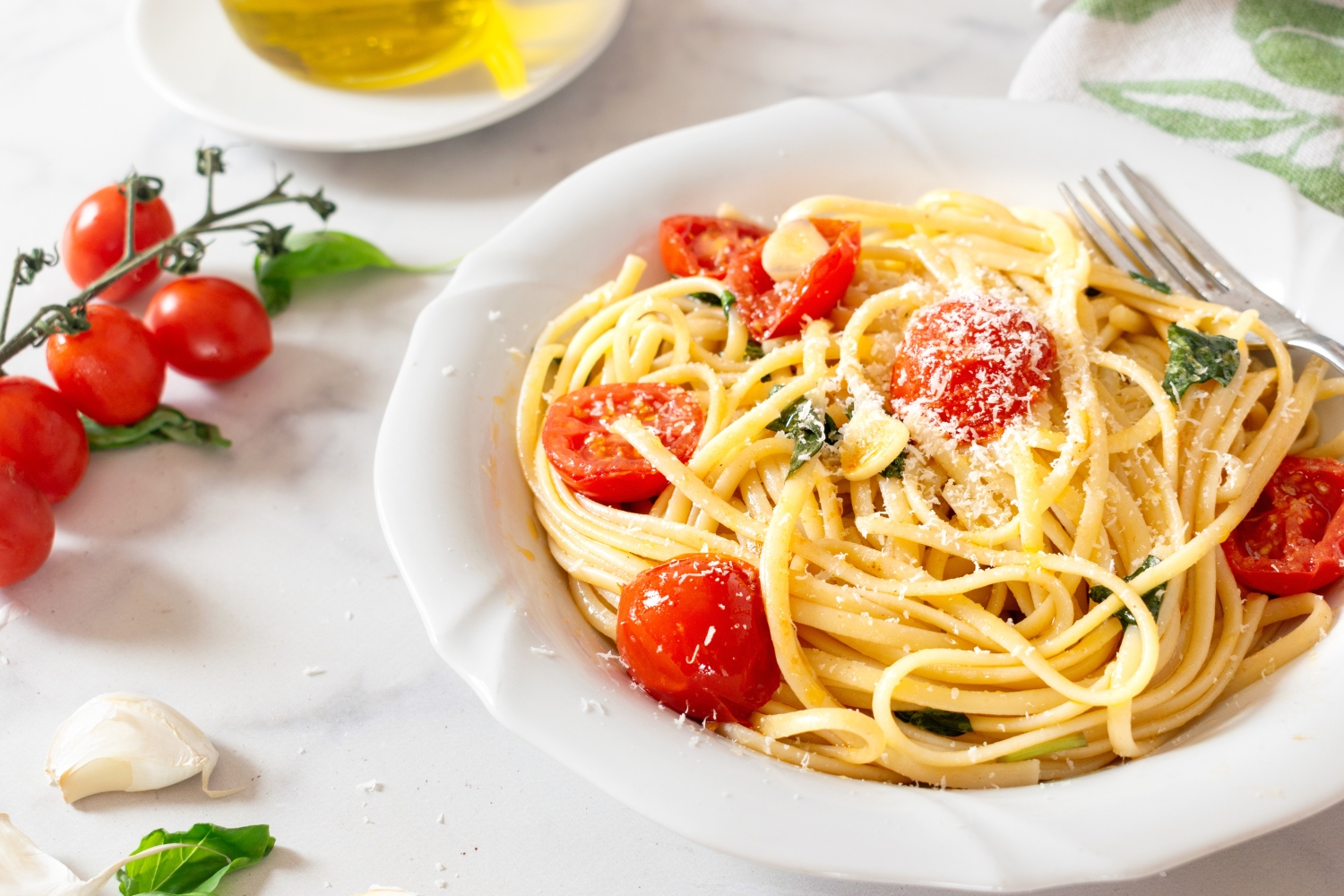
The final flourish involves removing the skillet from the heat and stirring in torn fresh basil leaves. The residual warmth of the dish is sufficient to gently wilt the basil, releasing its vibrant aroma and fresh, peppery notes without overcooking it. A final touch of freshly grated Parmesan cheese, if desired, adds a subtle savory depth before the dish is served immediately, capturing its peak freshness.
The culmination of this straightforward process is a bowl of Linguine Positano that is not only visually appealing but also a symphony of fresh, comforting, and unmistakably Mediterranean flavors.
Elevating the Everyday: Pro Tips for Perfection
Given the inherent simplicity of Linguine Positano, meticulous attention to detail regarding ingredient quality and preparation techniques can significantly elevate the final dish from good to exceptional.
The Tomato’s Tale: Prioritize ripe cherry tomatoes whenever possible. Their inherent sweetness provides a delightful counterpoint to the pungent garlic and rich olive oil, contributing to a more robust and flavorful sauce. During the peak of summer months, sourcing local, vine-ripened tomatoes can make a truly remarkable difference in the dish’s overall profile. The subtle nuances of flavor from sun-ripened produce are irreplaceable.
The Olive Oil’s Embrace: The quality of extra virgin olive oil is of paramount importance, as it is one of the primary flavor components of Linguine Positano. Opting for a high-quality, robust extra virgin olive oil will impart a richness and a complex, fruity character that simply cannot be replicated with lesser oils. Consider an oil with notes of peppery finish or herbaceous undertones for an added layer of complexity.
The Garlic’s Gentle Whisper: The key to perfectly cooked garlic lies in slow, gentle cooking over moderate heat. The garlic should become fragrant and develop a light, golden hue, rather than turning dark brown and bitter. This careful technique preserves its sweet, mellow flavor, allowing it to enhance rather than overpower the delicate tomato notes. A general rule of thumb is to cook garlic until it is just fragrant, about 1-2 minutes for thinly sliced pieces.
The Pasta’s Perfect Bite: Avoid overcooking the pasta. Linguine cooked to a perfect al dente will continue to cook slightly when tossed with the hot tomato sauce, ensuring a tender yet firm texture that is characteristic of authentic Italian pasta dishes. Overcooked pasta can become mushy and detract from the overall experience. Aim for a cooking time that leaves a slight resistance when bitten.
The Water’s Magic: Always reserve pasta cooking water before draining. This seemingly minor step is crucial for achieving the silky, emulsified sauce that makes Linguine Positano feel like a dish from a high-end Italian trattoria. The starchy water helps to bind the oil and tomato juices, creating a cohesive and luscious sauce.
The Finishing Touches: For an added burst of freshness, garnish the finished dish with a few extra torn basil leaves just before serving. A small squeeze of fresh lemon juice can also be a revelation, brightening the flavors and adding a zesty counterpoint to the richness of the olive oil. This acidic element can cut through the richness and lift the overall flavor profile.
Harmonizing Flavors: What to Serve with Linguine Positano
While Linguine Positano is a satisfying dish in its own right, it also serves as an exceptional canvas for a variety of complementary Mediterranean-inspired side dishes, transforming a simple meal into a complete culinary experience.
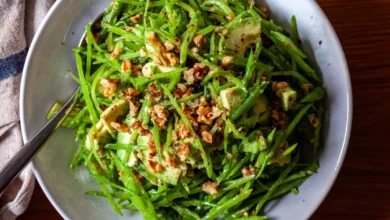
A Verdant Counterpoint: A crisp green salad, featuring ingredients such as peppery arugula, tender mixed greens, refreshing cucumbers, and a light, zesty lemon vinaigrette, provides a vibrant counterpoint to the richness of the olive oil and the sweetness of the tomatoes. The acidity of the vinaigrette cuts through the pasta’s richness, while the fresh greens add a welcome textural contrast and a burst of clean flavor.
The Bread’s Loyal Service: Warm, crusty whole-grain bread is an indispensable accompaniment, perfect for sopping up every last drop of the delectable tomato sauce. For an authentic Italian touch that elevates this simple act, lightly grill slices of bread until golden brown and then rub them with a halved clove of garlic before serving. This infuses the bread with a subtle garlic essence that harmonizes beautifully with the pasta.
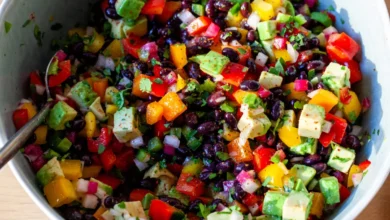
Grilled Vegetable Harmony: A selection of grilled vegetables, such as tender zucchini, smoky eggplant, crisp asparagus, or sweet bell peppers, makes an excellent side dish. Their inherent smoky flavors, developed through the grilling process, pair naturally and delightfully with the sweet tomatoes and aromatic basil of the pasta. Grilling caramelizes the natural sugars in the vegetables, enhancing their sweetness.
Protein Pairings: For those seeking to incorporate a protein element, several options complement Linguine Positano without overpowering its delicate flavors. Grilled shrimp, succulent roasted salmon, tender grilled chicken breast, or perfectly seared scallops all offer a delightful addition that enhances the meal’s substance and sophistication. The key is to choose proteins that are not overly seasoned or heavily sauced.
An Antipasto Prelude: When entertaining, consider beginning the meal with a traditional Mediterranean antipasto platter. This can feature a colorful array of olives, marinated vegetables, roasted peppers, tender artichoke hearts, and a selection of fresh, creamy cheeses. This provides a delightful prelude to the main course, showcasing a variety of Mediterranean flavors and textures.
Preserving the Sunshine: Storage and Leftovers
Linguine Positano proves to be a remarkably adaptable dish, storing well and making it an excellent option for meal preparation or enjoying the delicious leftovers.
Proper Storage: Allow the pasta to cool completely before transferring it to an airtight container. Refrigerate for up to three days. Proper cooling prevents condensation from forming in the container, which can lead to a soggy texture.
Reheating with Care: When ready to enjoy leftovers, gently warm the pasta in a skillet over medium-low heat. Adding a splash of water or a drizzle of extra virgin olive oil will help restore the silky consistency of the sauce and prevent the pasta from drying out. This stovetop method generally yields the best texture, mimicking the original dish’s appeal.
Microwave Alternative: While reheating on the stovetop is preferred for optimal texture, microwaving is also a viable option. Ensure the pasta is covered loosely to retain moisture.
A New Beginning as Pasta Salad: Leftover Linguine Positano can also be repurposed into a delightful pasta salad. Simply toss the cooled pasta with fresh arugula, creamy mozzarella pearls, briny olives, or additional halved cherry tomatoes for an entirely new and refreshing meal. The flavors meld beautifully when served cold.
The Cream-Free Advantage: A significant advantage of Linguine Positano is its absence of cream, which often causes other pasta dishes to become heavy or separate upon reheating. This cream-free preparation ensures that leftovers maintain their appealing texture and flavor.
The Healthful Heart of the Mediterranean
Linguine Positano is more than just a delicious meal; it is a culinary embodiment of the Mediterranean diet’s healthful principles, showcasing ingredients renowned for their nutritional benefits.
Olive Oil’s Virtues: Extra virgin olive oil is a cornerstone of the Mediterranean diet, providing heart-healthy monounsaturated fats and a wealth of antioxidants that contribute to cardiovascular well-being. These beneficial compounds also aid in the absorption of fat-soluble vitamins present in other ingredients like tomatoes and basil. Scientific studies have repeatedly linked regular consumption of olive oil to reduced risk of heart disease and stroke.
Tomato’s Potency: Cherry tomatoes are not only a source of vibrant flavor but also packed with essential nutrients. They are rich in vitamin C, potassium, and lycopene, a powerful antioxidant that has been associated with numerous health benefits, including a reduced risk of certain cancers. Interestingly, cooking tomatoes actually enhances the bioavailability of lycopene, making this dish a delicious way to consume this beneficial compound.
Basil’s Aromatic Benefits: Fresh basil contributes a delightful aroma and flavor, but it also offers nutritional value. It contains antioxidants, vitamin K, and various aromatic compounds believed to possess anti-inflammatory properties, further enhancing the dish’s wellness profile.
Pasta’s Balanced Role: While pasta has sometimes faced undeserved criticism, its inclusion in moderate portions, as part of a balanced meal rich in vegetables and healthy fats, fits comfortably within the Mediterranean dietary framework. Pasta, particularly when made from durum wheat, provides complex carbohydrates that offer sustained energy. When paired thoughtfully with vegetables and fresh herbs, Linguine Positano creates a meal that is both energizing and satisfying.
By prioritizing whole, unprocessed ingredients and eschewing heavy sauces, Linguine Positano offers a lighter, more nourishing approach to pasta that is both deeply satisfying and beneficial for overall health.
Frequently Asked Questions About Linguine Positano
Can I use a different type of pasta?
Absolutely. While linguine provides a classic texture, spaghetti, fettuccine, bucatini, or even penne would all work wonderfully if linguine is unavailable. The key is to choose a pasta that can hold the sauce well.
Is it possible to make this recipe gluten-free?
Yes. Simply substitute your preferred gluten-free pasta for traditional linguine, following the same cooking and preparation instructions. The sauce itself is naturally gluten-free.
Can I add protein to this dish?
Certainly. Grilled shrimp, chicken, salmon, or scallops are excellent additions that complement the delicate flavors of Linguine Positano without overpowering them, maintaining its Mediterranean character.
Can this recipe be prepared in advance?
While Linguine Positano is best enjoyed fresh, the tomato sauce component can be prepared several hours ahead of time. The pasta should be cooked and tossed with the sauce just before serving to ensure optimal texture.
What if cherry tomatoes are not in season?
Fresh cherry tomatoes are ideal for their signature flavor and texture. However, high-quality canned diced tomatoes can be used as a substitute when fresh tomatoes are not readily available. Opt for varieties packed in their own juice for the best flavor.
In conclusion, Linguine Positano is a shining example of how simple, high-quality ingredients can converge to create extraordinary culinary experiences. The harmonious blend of sweet cherry tomatoes, aromatic garlic, fresh basil, and the unparalleled richness of extra virgin olive oil results in a pasta dish that is both light and deeply satisfying. Rooted in the timeless principles of the Mediterranean diet, this recipe celebrates seasonal produce, wholesome components, and uncomplicated cooking methods. Whether prepared for a quick weeknight meal or a leisurely gathering with loved ones, Linguine Positano is poised to become a cherished staple, a dish that diners will return to time and again throughout the year.