Historical Context and Evolution of the Dish
The origins of the Sloppy Joe are often debated, with various accounts placing its inception in the early 20th century. Culinary historians frequently point to the "loose meat" sandwich—a staple of the American Midwest—as a precursor to the modern Sloppy Joe. The primary difference lies in the sauce; while a loose meat sandwich is seasoned with simple spices and aromatics, the Sloppy Joe relies on a tomato-based mixture.

The name itself gained traction during the 1930s, particularly in Havana, Cuba, where "Sloppy Joe’s Bar" became a global sensation. While the bar’s namesake owner, José Abeal Otero, was known for his hospitality, the connection to the sandwich remains anecdotal. By the 1940s and 1950s, the concept of a "saucy" ground beef sandwich became a household name in the United States, further popularized by the introduction of commercial canned sauces in the late 1960s. These canned products streamlined the cooking process for the post-war suburban demographic, though they also introduced high-fructose corn syrup and preservatives that many modern home cooks now choose to avoid by crafting their own sauces from scratch.
Culinary Composition and Nutritional Profiles
A standardized serving of homemade Sloppy Joes typically provides roughly 360 calories, 30 grams of protein, and 43 grams of carbohydrates. Unlike processed versions, which can contain upward of 800 to 1,000 milligrams of sodium per serving, a homemade approach allows for the modulation of salt levels, utilizing the natural acidity of tomato paste and the tang of apple cider vinegar to create depth of flavor.

The essential components of a well-balanced Sloppy Joe include:
- The Protein Base: 80/20 or 90/10 ground beef is standard, though modern dietary shifts have seen an increase in the use of ground turkey or plant-based crumbles as viable alternatives.
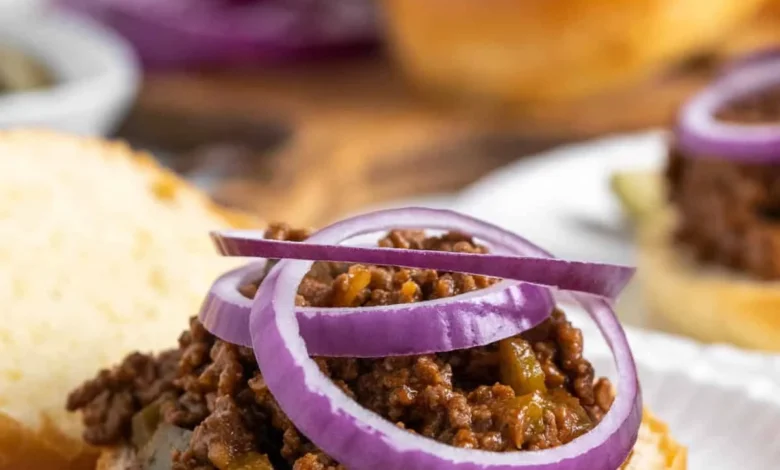
- The Aromatics: Finely diced bell peppers and yellow onions serve as the foundation, providing essential texture and natural sweetness.
- The Sauce Matrix: A combination of ketchup, Worcestershire sauce, and soy sauce creates a "umami-rich" profile. Brown sugar is frequently added to balance the acidity of the tomatoes and the vinegar.
- Spices: Chili powder, smoked paprika, and ground cumin provide the signature warmth, while optional hot sauce allows for heat customization based on regional preferences.
Preparation Timeline and Efficiency Analysis
The primary appeal of the Sloppy Joe in a contemporary context is its minimal time-to-table ratio. A typical preparation takes approximately 25 minutes:

- Preparation (10 minutes): Dicing the peppers and onions while heating a large, heavy-bottomed skillet.
- Searing (5-7 minutes): Browning the ground beef with the aromatics until the meat is fully cooked and the vegetables are softened.
- Simmering (8-10 minutes): Incorporating the sauce ingredients and allowing the mixture to reduce. The reduction phase is critical; it ensures the sauce adheres to the meat, preventing the sandwich from becoming overly "runny" or disintegrating the bun.
This efficiency makes the dish a strategic choice for busy weeknights, aligning with current consumer trends that favor "scratch-cooking" that requires less than 30 minutes of active kitchen time.
Economic and Practical Implications
Beyond the nutritional benefits, the transition toward homemade Sloppy Joes reflects a broader trend of inflation-conscious grocery shopping. Ground beef, while subject to market volatility, remains a cost-effective protein source. By utilizing pantry staples—such as soy sauce, vinegar, and sugar—to create a signature sauce, households reduce the need for niche, single-use condiments.

Furthermore, the dish exhibits high "reheatability," a key factor for families engaging in meal prep. The meat mixture can be stored in an airtight container for up to four days or frozen for up to three months. This longevity minimizes food waste, as the flavor profile often improves after resting for 24 hours in the refrigerator, allowing the spices to permeate the meat more thoroughly.
Expert Culinary Variations and Adaptations
Professional kitchens and home cooks alike often experiment with regional variations to elevate the dish. Common adaptations include:

- Cheese Incorporation: Adding sharp cheddar, pepper Jack, or provolone directly to the bottom bun before adding the hot meat mixture facilitates a controlled melt, preventing the sandwich from sliding apart.
- Bun Selection: While standard hamburger buns are the traditional choice, the use of toasted brioche or pretzel buns adds a structural integrity that handles the moisture of the sauce more effectively.
- Heat Adjustment: The inclusion of chili flakes or habanero-infused hot sauce allows for a sophisticated heat profile, catering to the growing consumer preference for spicy, globally-influenced flavors.
Addressing Common Technical Failures
Culinary experts emphasize that the most common failure in preparing Sloppy Joes is an overly watery consistency. This is almost exclusively a result of insufficient simmering time. When the liquid (ketchup and vinegar) is added, it must be allowed to evaporate until the sauce reaches a thick, glossy, and slightly tacky consistency. If the mixture is served immediately after the ingredients are combined, the excess liquid will rapidly soak into the bun, leading to a compromised eating experience.
Additionally, the choice of protein impacts the final result. If utilizing very lean turkey or chicken, adding a small amount of olive oil during the browning phase is necessary to replicate the mouthfeel and richness traditionally provided by beef fat.

The Broader Cultural Impact
The persistence of the Sloppy Joe in American culture can be attributed to its "low-stakes" nature. It is a dish that invites customization and communal dining. Unlike complex culinary feats, the Sloppy Joe is forgiving, making it an excellent entry point for novice cooks or a reliable fallback for experienced ones.
As food trends continue to oscillate between extreme convenience—such as meal delivery kits—and a return to traditional, home-cooked, "comfort" foods, the Sloppy Joe occupies a unique middle ground. It is an unpretentious, high-utility meal that serves as a canvas for personal culinary expression, whether through the addition of bold spices, artisanal buns, or locally sourced ground meats.

In summary, the transition from canned, preservative-heavy Sloppy Joes to a refined, homemade version represents a positive shift in household food management. It provides a blueprint for how simple, inexpensive, and accessible ingredients can be combined to produce a meal that satisfies both the demand for speed and the requirement for quality. As households continue to navigate the balance between time constraints and nutritional goals, recipes that emphasize foundational cooking techniques—such as the proper reduction of a sauce and the layering of aromatics—will remain essential components of the modern American kitchen.