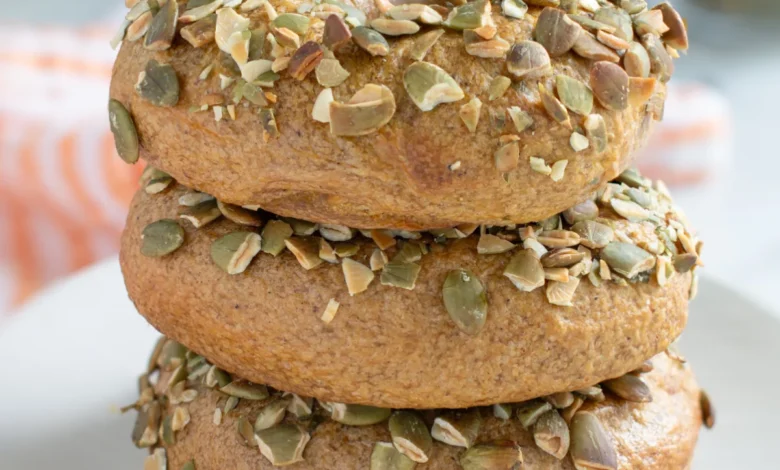
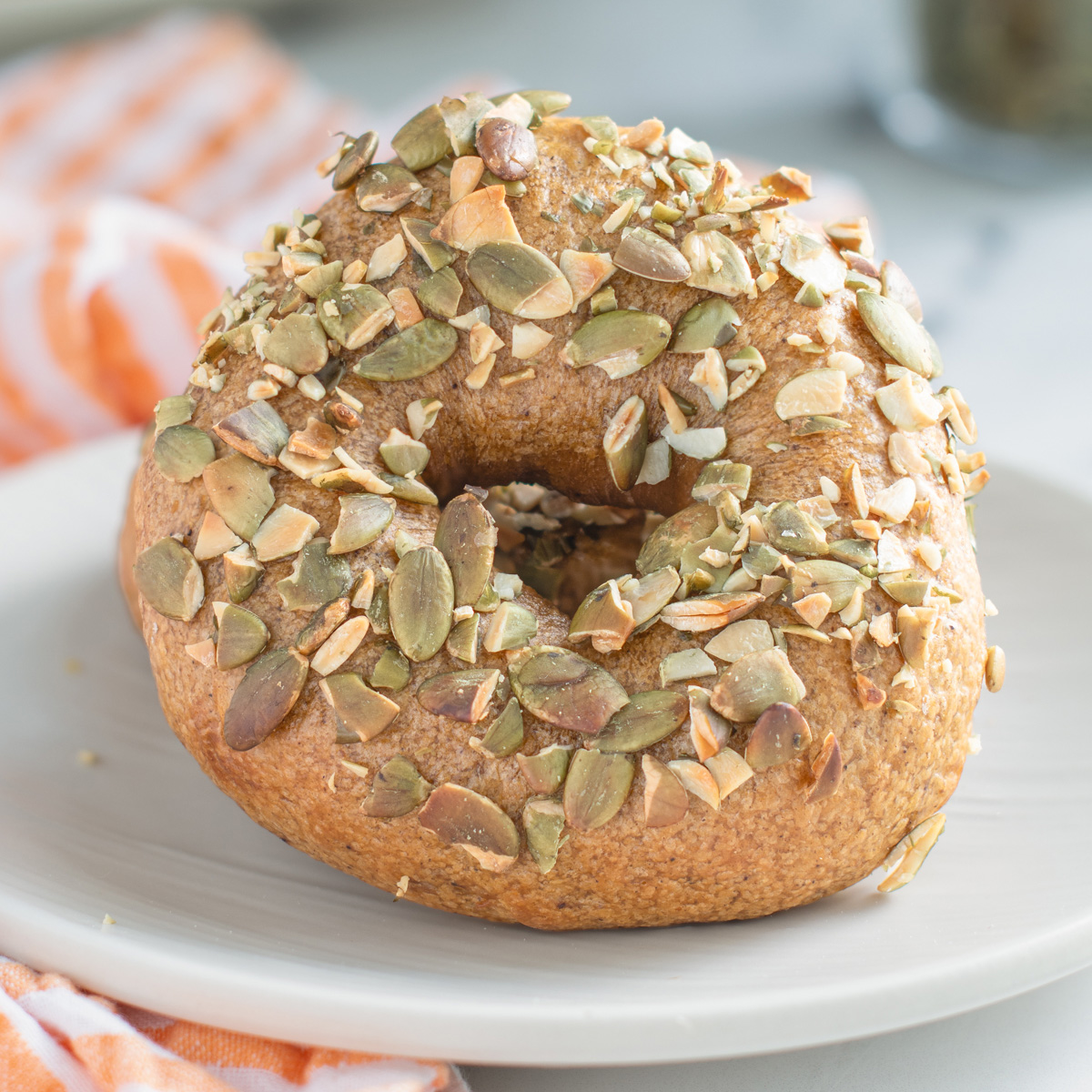
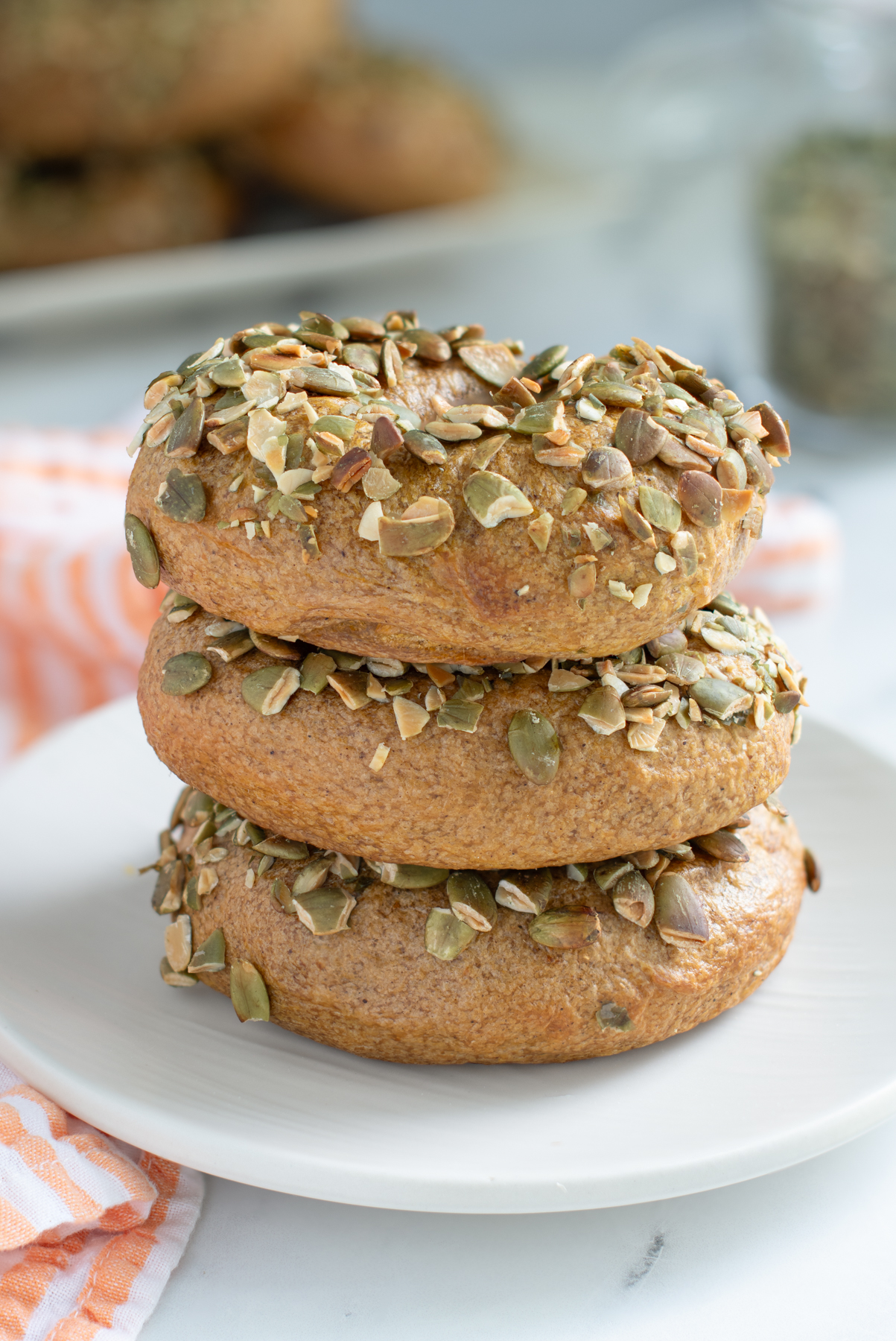
The intersection of traditional sourdough fermentation and seasonal flavor profiles has reached a new level of culinary refinement with the introduction of sourdough pumpkin bagels. Moving away from commercial yeast, this artisan method utilizes active sourdough starter to achieve the characteristic dense, chewy texture synonymous with New York-style bagels while incorporating the nuanced, earthy notes of real pumpkin. This development represents a shift in home-baking trends, where practitioners are increasingly prioritizing long-fermentation techniques and natural leavening agents to enhance the nutritional profile and digestibility of enriched breads.
The Science of Natural Fermentation in Enriched Doughs
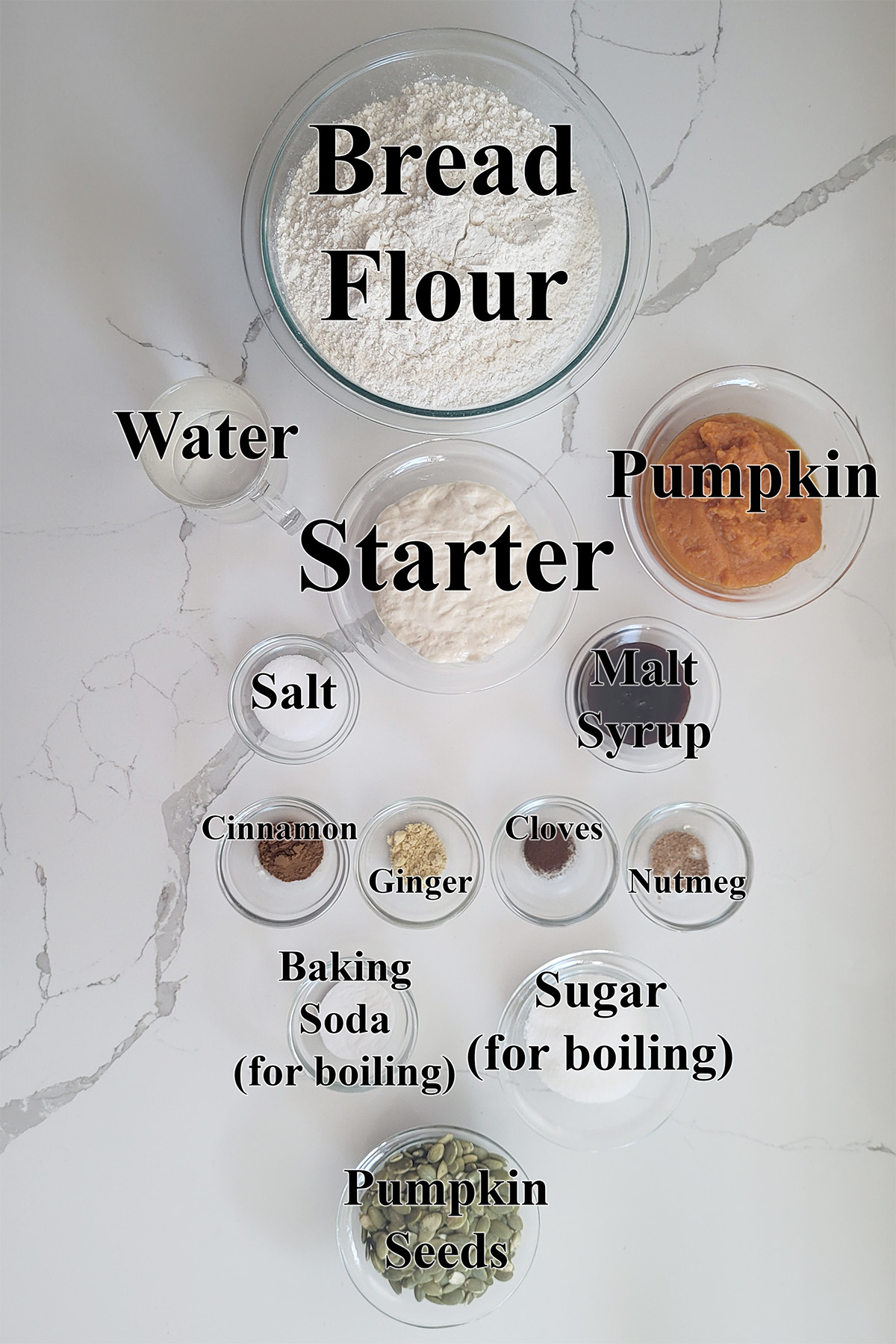
Traditional sourdough baking relies on the symbiotic relationship between wild yeast and lactic acid bacteria. When pumpkin puree—an ingredient rich in moisture and fiber—is introduced into this ecosystem, the dynamics of the dough shift significantly. Unlike lean doughs, which consist primarily of flour, water, and salt, the addition of pumpkin and traditional sweeteners like barley malt syrup creates an "enriched" environment.
Professional bakers note that sugar and certain spices act as mild inhibitors to yeast activity. Consequently, the bulk fermentation process for a pumpkin-infused sourdough requires a more patient approach. By extending the fermentation window, the dough develops a more complex flavor profile, allowing the pumpkin’s natural sugars to caramelize during the baking process without overwhelming the palate with excessive sweetness. This careful balancing act is essential for maintaining the integrity of the bagel’s structure, ensuring that the crumb remains robust enough to withstand the traditional boiling and baking sequence.
A Chronological Guide to the Two-Day Process
The production of these bagels is inherently tied to a multi-day schedule, dictated by the metabolic rate of the sourdough starter. A typical timeline for a professional-grade result involves:
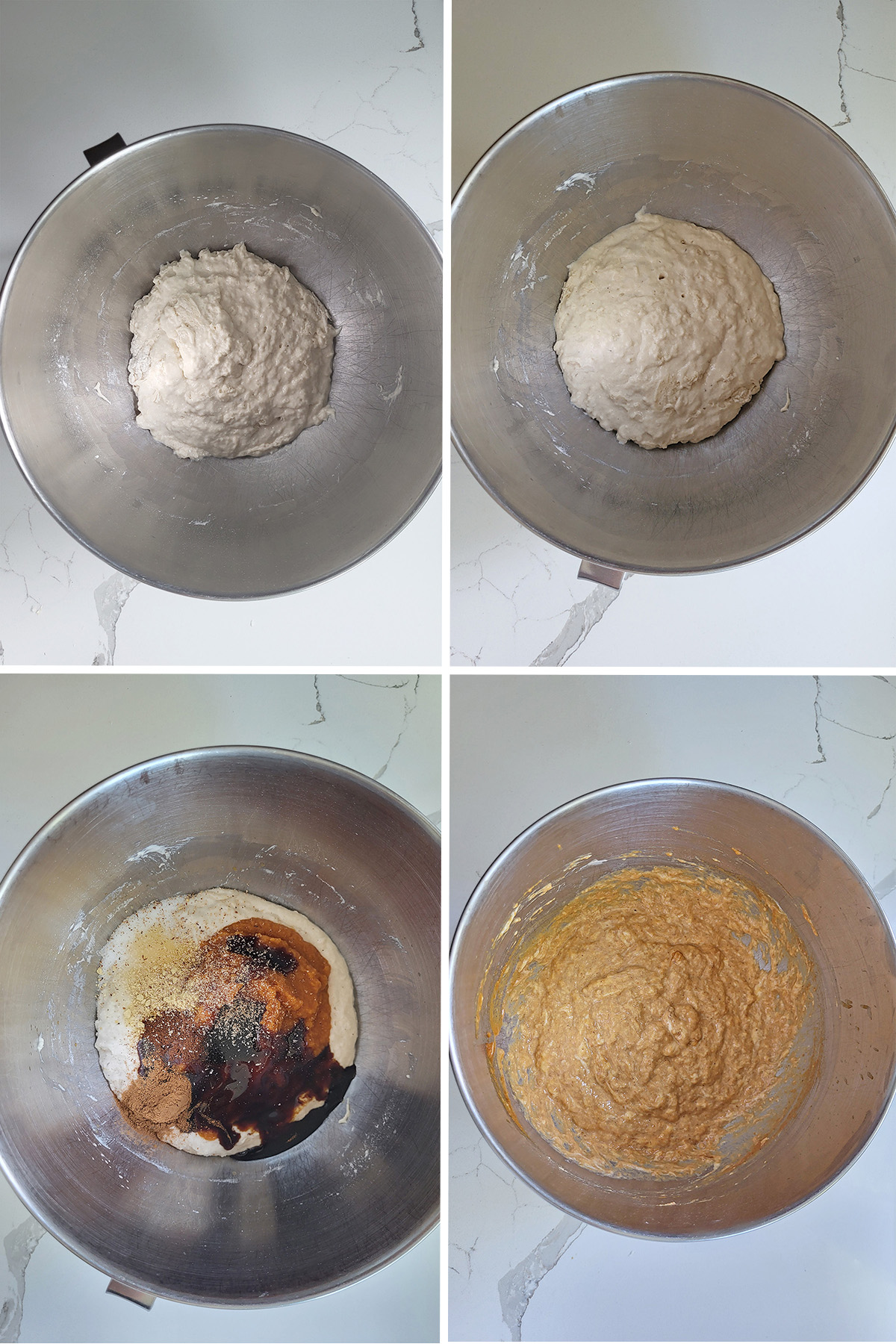
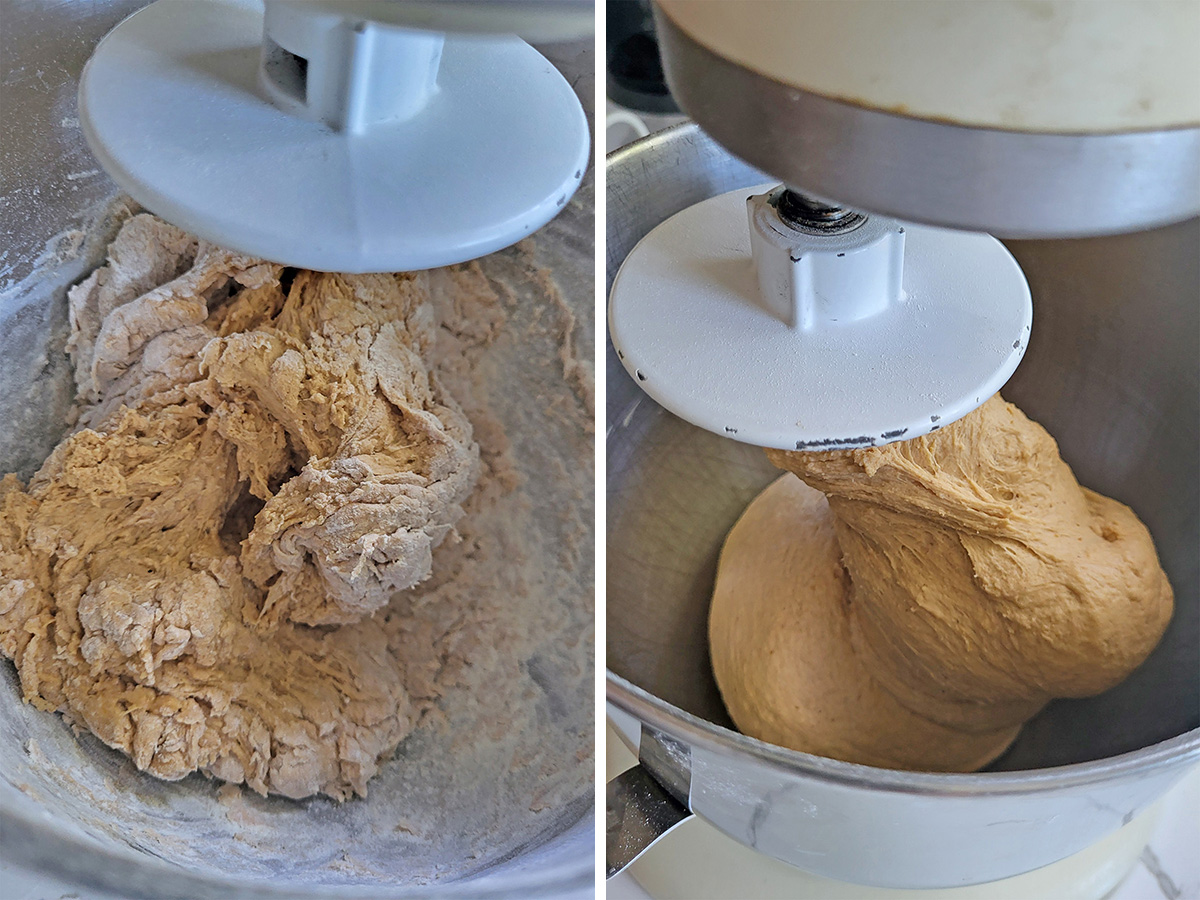
- Day One: Activation and Mixing: The process begins with feeding the sourdough starter to ensure it is at its peak of activity. Once the starter is ready, it is incorporated into the flour, water, pumpkin puree, and spices. The mixing phase is critical; the dough must reach a state of full gluten development to ensure the final product has the signature "chew."
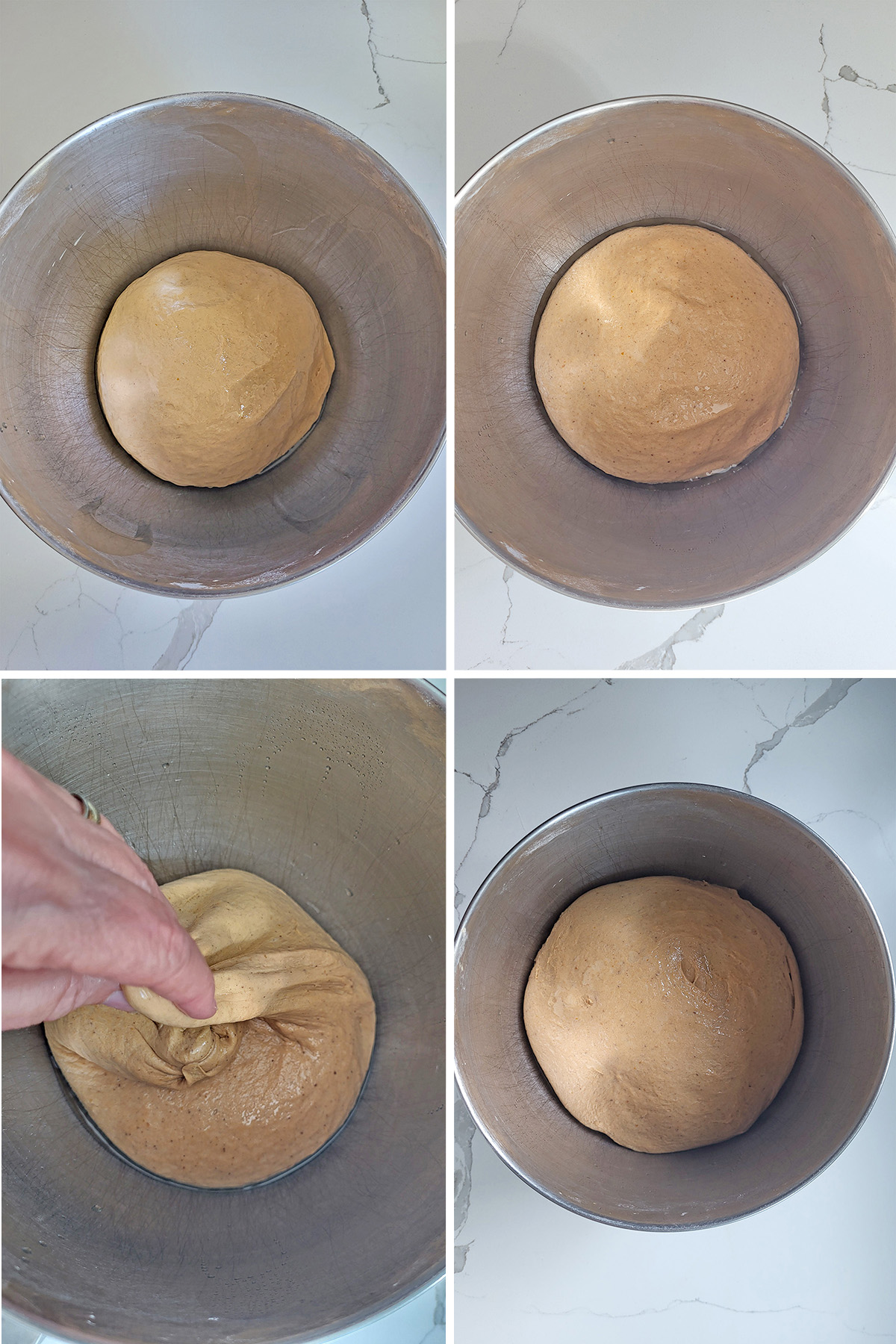
- Bulk Fermentation: The dough undergoes a lengthy rest period. During this time, the sourdough culture breaks down starches and proteins, which not only provides leavening but also improves the potential bioavailability of nutrients in the wheat.
- Shaping and Retarding: Once the bulk fermentation is complete, the dough is divided and shaped. A "cold proof"—placing the shaped bagels in a refrigerator overnight—is a standard industry practice. This step serves a dual purpose: it makes the dough easier to handle and allows for the development of deeper, more acidic flavor notes that are absent in rapid-rise commercial breads.
- Day Two: The Boil and Bake: On the second day, the bagels are briefly boiled in water, often infused with barley malt syrup, before being moved to a hot oven. This boiling step gelatinizes the exterior starch, creating the distinct, shiny, and crisp crust that defines a premium bagel.
Market Trends and Consumer Demand for Artisan Sourdough
The rise of the sourdough pumpkin bagel aligns with broader shifts in consumer preference toward "slow food" movements. According to recent data from the baking industry, there has been a 15% year-over-year increase in interest regarding sourdough-based specialty goods. Consumers are increasingly seeking transparency in ingredient lists, opting for items that avoid commercial preservatives and artificial enhancers.
The use of pumpkin also taps into the growing consumer demand for seasonal, nutrient-dense ingredients. Pumpkin is an excellent source of Vitamin A, fiber, and potassium. While a bagel remains a carbohydrate-heavy product, the use of sourdough fermentation—which has been linked in various nutritional studies to a lower glycemic index compared to standard yeasted breads—positions this item as a premium choice for health-conscious enthusiasts.
Technical Perspectives on Texture and Structure
Achieving the perfect texture in a pumpkin sourdough bagel is a technical challenge. Because pumpkin puree adds moisture, the hydration ratio of the recipe must be carefully adjusted. If the dough is too wet, the bagel will lose its shape during the boiling process; if it is too dry, the crumb will be dense and crumbly rather than chewy.
Baking experts emphasize the importance of the "boil-to-bake" transition. The water bath should be maintained at a steady simmer rather than a rolling boil to prevent the bagel from tearing. Furthermore, the use of high-protein bread flour is non-negotiable. The high gluten content provides the necessary structural scaffold to support the weight of the pumpkin puree and the gas bubbles produced during the long fermentation period.
Strategic Implications for Home and Professional Bakers
The popularity of these bagels underscores a wider trend where complex, multi-day baking projects are being embraced by home cooks. The "baking sense" philosophy—which encourages bakers to understand the "why" behind every step—has transformed the kitchen from a place of mere production into a space of technical experimentation.
The implications for the broader culinary sector are significant. As individuals become more adept at managing sourdough starters and understanding fermentation, the market for pre-made, highly processed breads may face continued pressure. When consumers realize they can achieve professional-quality results through a structured, multi-day process, they are less likely to rely on mass-produced alternatives that lack the depth and nutritional benefits of naturally leavened products.
Storage and Preservation Protocols
Proper storage is the final, often overlooked, step in the production of high-quality sourdough. Because these bagels do not contain chemical preservatives, their shelf life is naturally shorter than commercially manufactured bread. Experts recommend that these bagels be consumed within 24 hours of baking for the optimal experience.
For longer storage, the industry standard is to slice the bagels (ideally three-quarters of the way through to maintain structural integrity) and freeze them immediately. This halts the staling process—a phenomenon known as starch retrogradation—which occurs most rapidly at room temperature. When ready to consume, the bagel can be placed directly into a toaster, which restores the crispness of the exterior while thawing the interior.
Conclusion: The Future of Seasonal Bread
The sourdough pumpkin bagel is more than a seasonal fad; it is a testament to the versatility of sourdough as a foundation for culinary innovation. By marrying the ancestral techniques of wild fermentation with modern flavor profiles, bakers are creating products that honor tradition while meeting the tastes of a contemporary audience. As the industry continues to evolve, the emphasis on quality ingredients, extended fermentation, and the mastery of the baking process will likely remain the gold standard for those who view bread-making as both a science and an art form. Whether for the casual home baker or the dedicated artisan, the sourdough pumpkin bagel serves as a compelling example of how traditional methods can be adapted to keep pace with modern culinary expectations.