Panera Broccoli Cheddar Soup Copycat Recipe Analysis and Culinary Overview


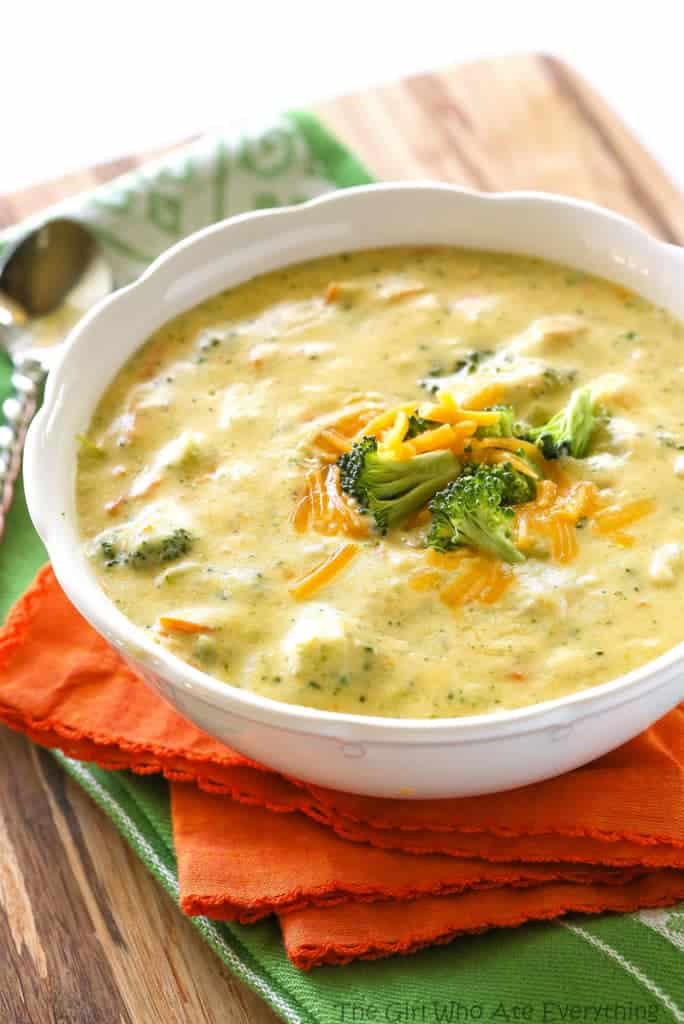
The enduring popularity of Panera Bread’s signature Broccoli Cheddar Soup has cemented its status as a staple in American casual dining. Originally introduced as a cornerstone of the bakery-café’s menu, the soup has transcended its commercial origins to become a highly sought-after home cooking project. Replicating this dish involves a precise balance of texture, flavor profile, and nutritional composition, requiring a combination of fresh produce, dairy-based thickeners, and controlled thermal application. For home cooks, the pursuit of the "copycat" version is more than a culinary endeavor; it is an exercise in reverse-engineering a mass-market classic that has maintained high consumer demand for decades.
Historical Context and Menu Development
Panera Bread, founded in 1987 as St. Louis Bread Company, built its brand identity on the concept of high-quality, artisanal baked goods paired with soups and salads. The Broccoli Cheddar soup was designed to complement the company’s signature crusty baguettes. Market data over the last thirty years suggests that the soup’s success stems from its "comfort food" appeal—a combination of creamy texture and savory, sharp flavor profiles that perform well across various demographics.
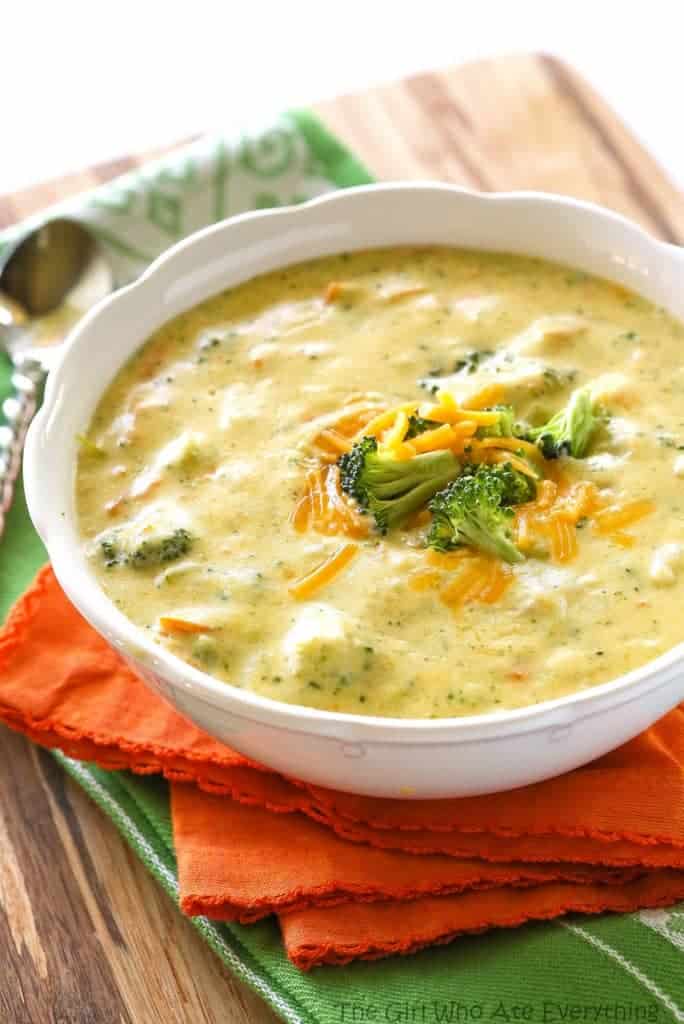
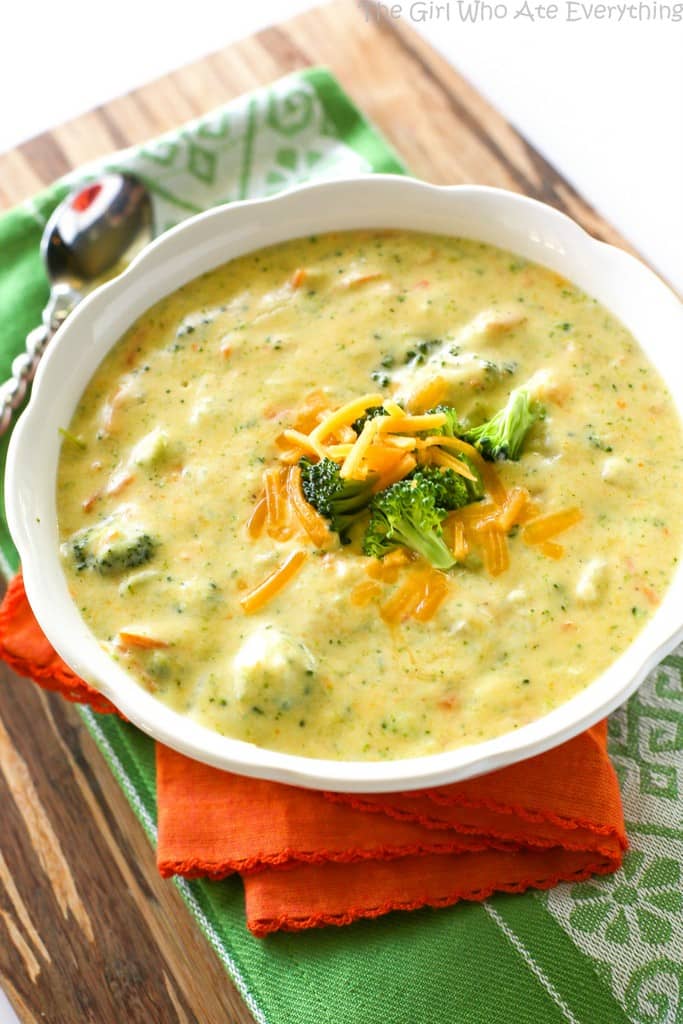
The recipe’s design is deceptively simple, relying on a roux-based thickening agent, a vegetable base of broccoli florets and julienned carrots, and a sharp cheddar cheese finish. While commercial production utilizes industrial-grade emulsifiers to maintain consistency during transport and holding, the home version relies on traditional French culinary techniques—specifically the preparation of a velouté-style base—to achieve a similar mouthfeel without artificial additives.
Culinary Methodology and Technical Requirements
Achieving a result that mirrors the original requires attention to three critical variables: the base thickness, the consistency of the vegetables, and the cheese integration.
- The Roux and Base: The foundation of the soup is a roux, typically composed of equal parts flour and fat. This provides the necessary viscosity. The integration of stock (usually chicken or vegetable) must be gradual to prevent lumping.
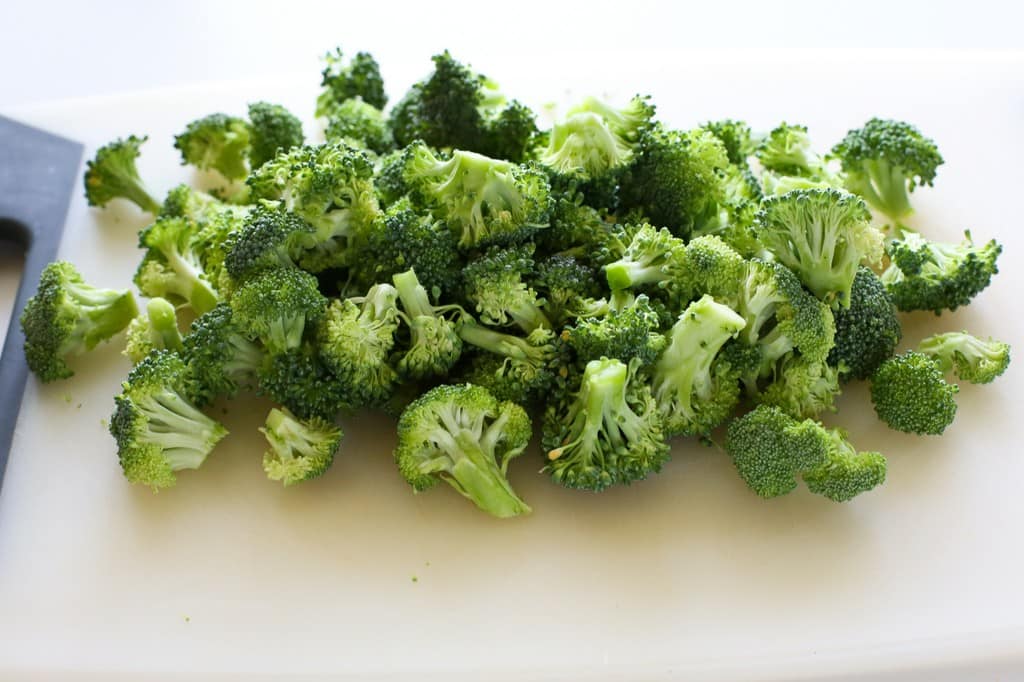
- Vegetable Preparation: The texture of the broccoli is paramount. Industrial versions often use finely diced florets that maintain structural integrity. Home cooks often opt for pre-cut "matchstick" carrots to streamline the process, as the surface area of these cuts allows for uniform softening during the simmering phase.
- The Cheese Emulsion: Perhaps the most technical aspect of the recipe is the final incorporation of cheese. Professional kitchen standards mandate that cheese be added off-heat to prevent the separation of fats, which results in a "grainy" or "oily" texture. Utilizing a high-quality sharp cheddar is essential, as the acidity and protein structure of aged cheese provide the characteristic depth of flavor that defines the dish.
Nutritional Profile and Dietary Considerations
A standard serving of this soup, typically estimated at one-sixth of a batch, contains approximately 413 to 417 calories. The macronutrient breakdown generally consists of 19 grams of carbohydrates, 17 grams of protein, and 31 grams of fat.
From a dietary standpoint, the dish poses challenges for those with specific intolerances. The traditional roux contains wheat flour, making it unsuitable for individuals with celiac disease or gluten sensitivity. However, culinary analysts note that the recipe is highly adaptable. Replacing the wheat-based roux with a cornstarch slurry—a mixture of cornstarch and cold water added toward the end of the cooking process—can effectively achieve the required viscosity without gluten. Furthermore, the saturated fat content, derived primarily from the heavy cream and cheddar cheese, remains a point of focus for those monitoring cardiovascular health, leading some home practitioners to experiment with lower-fat dairy alternatives, though these adjustments often necessitate a trade-off in flavor intensity and creaminess.
Market Impact and Consumer Behavior
The rise of "copycat" recipe culture reflects a broader trend in consumer behavior where individuals seek to replicate restaurant experiences within the domestic sphere. This shift was accelerated by the COVID-19 pandemic, which saw a significant increase in home cooking and a surge in searches for restaurant-standard recipes. The Broccoli Cheddar soup serves as a primary example of this phenomenon, as it is frequently cited in culinary forums as a "gateway" recipe for amateur cooks transitioning to more complex, multi-step dishes.

Consumer feedback, often aggregated through online recipe databases, indicates a high degree of success for home cooks who adhere to the strict temperature-controlled cheese incorporation method. Reports from users consistently highlight the efficiency of the one-pot method, which minimizes cleanup while maintaining the flavor profile associated with the commercial product. The ability to control the quality of the cheddar—moving away from pre-shredded varieties, which often contain anti-caking agents that hinder proper melting—is frequently cited by culinary experts as the key to elevating the home version above the commercial standard.
Broader Culinary Implications
The proliferation of these recipes underscores a shift in how food brands engage with their audience. While companies once guarded their proprietary recipes with extreme secrecy, the modern culinary landscape encourages engagement through transparency. By providing the public with the tools to recreate their favorite items, brands like Panera, or those associated with the style of their menu, foster a deeper emotional connection with the consumer.
The technical requirements for this specific soup—patience with the roux, careful monitoring of heat, and the selection of high-quality, sharp cheddar—offer a lesson in the importance of fundamental cooking techniques. It serves as a reminder that "easy" does not necessarily mean "low effort." Even a soup that is widely considered a staple of casual dining requires an understanding of how starch, heat, and protein interact.
Conclusion
The quest to replicate Panera’s Broccoli Cheddar soup at home is supported by a robust framework of culinary techniques and nutritional awareness. By prioritizing the quality of ingredients, such as choosing sharp cheddar over mild varieties and utilizing fresh broccoli rather than frozen, the home cook can achieve a result that is both nutritionally comparable and culinarily satisfying. As the demand for convenient yet high-quality home-cooked meals continues to rise, the significance of such recipes will likely persist, serving as a benchmark for comfort food in the modern kitchen. Whether one is preparing the dish for a large gathering or a quiet weeknight dinner, the success of the soup rests on the adherence to established culinary principles, ensuring that the final product remains as velvety and flavorful as the original iteration that inspired it.