Culinary Context and Nutritional Foundation
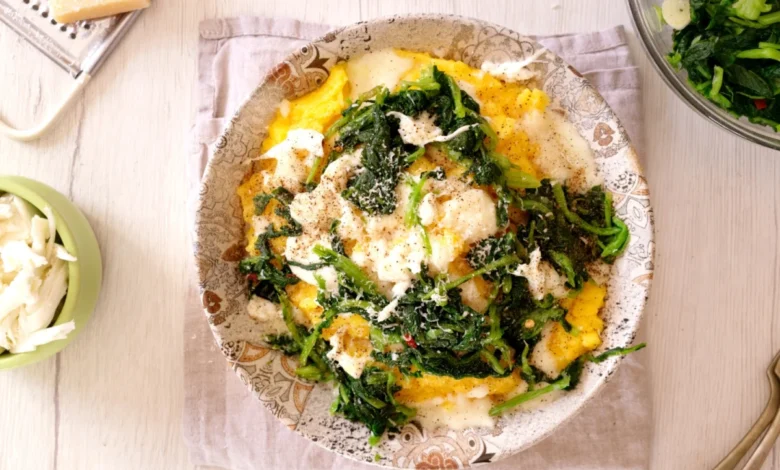
The Mediterranean diet, widely recognized by global health organizations for its potential to reduce the risk of chronic disease, is defined by a high intake of plant-based foods, healthy fats, and a moderate consumption of dairy. This recipe serves as a practical application of these dietary guidelines. Polenta, a staple of Northern Italian cuisine traditionally crafted from ground corn, acts as a complex carbohydrate base that offers a satisfying, allergen-friendly alternative to wheat-based pasta.
Broccoli rabe, also known as rapini, is a nutrient-dense vegetable characterized by its high concentrations of vitamins A, C, and K, as well as essential minerals such as calcium and iron. The deliberate inclusion of garlic and red pepper flakes serves a dual purpose: they enhance the aromatic profile of the dish while introducing antioxidants known for their anti-inflammatory properties. The use of extra virgin olive oil as the primary lipid source further aligns the dish with cardiovascular-friendly eating habits, replacing higher-saturated-fat alternatives like butter.
Chronological Preparation and Execution Strategy
The preparation of this meal is structured into three distinct phases: blanching, sautéing, and grain preparation. This modular approach is essential for achieving the optimal texture profile.
-
Phase One: The Blanching Process (Minutes 0–7)
The initial step requires the immersion of trimmed broccoli rabe into a large vessel of boiling, salted water. This five-to-six-minute process is critical for tempering the natural bitterness of the leaves and stalks. By blanching, the cook achieves a uniform tenderness and preserves the chlorophyll content, ensuring the greens maintain their vibrant aesthetic. The subsequent submersion in cold water—or an ice bath—effectively halts the cooking process, a standard culinary technique to prevent over-softening. -
Phase Two: The Polenta Synthesis (Minutes 5–15)
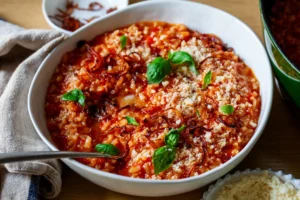
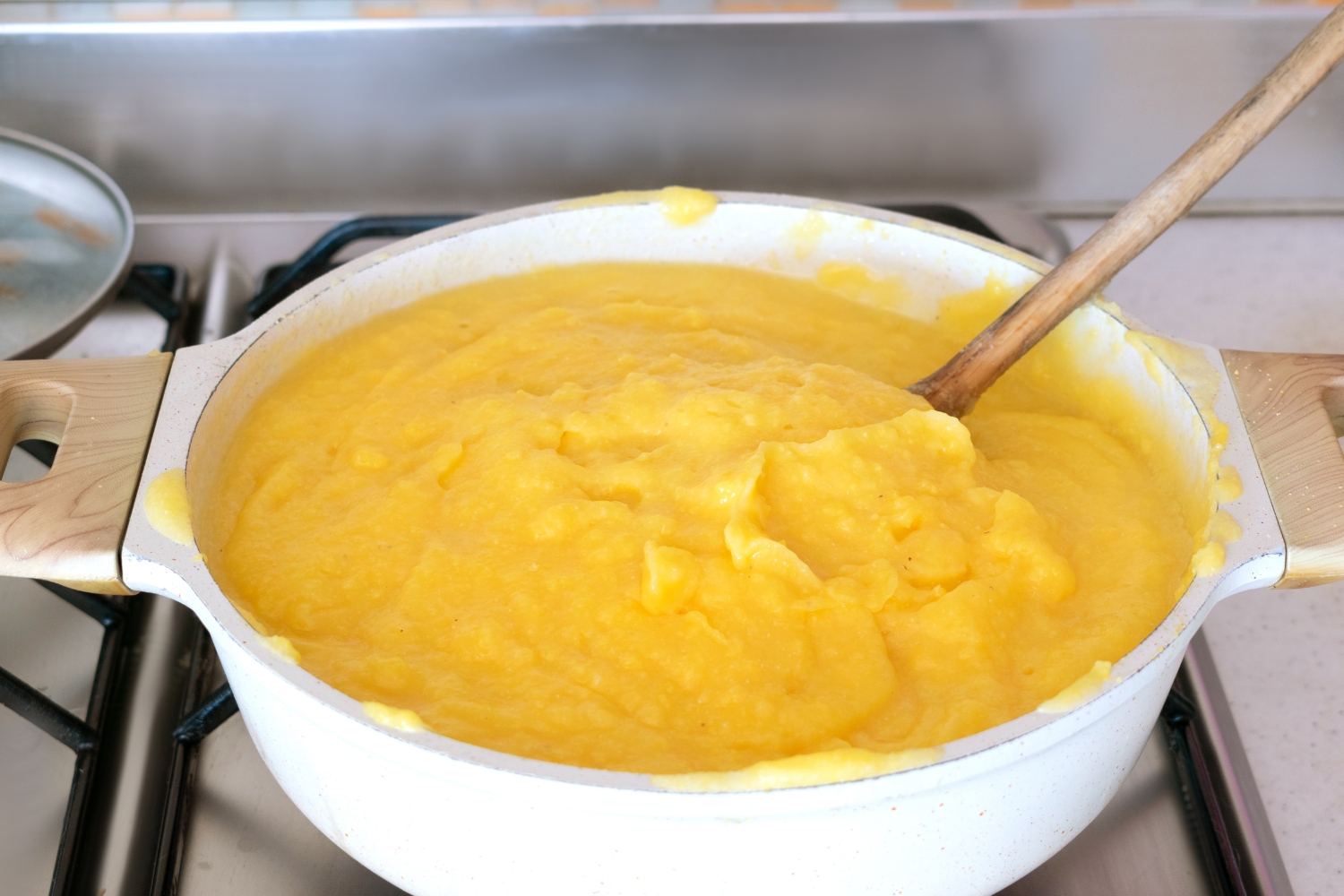
Concurrent with the preparation of the greens, the polenta is hydrated. By utilizing quick-cooking polenta, the total duration is significantly reduced compared to traditional varieties that can require up to 45 minutes of constant agitation. Whisking the cornmeal into boiling, salted water is a critical procedural step; it facilitates the uniform hydration of the starch granules, preventing the formation of clumps and ensuring a smooth, velvety consistency. Following the thickening stage, the addition of olive oil contributes to the mouthfeel and overall richness of the final product.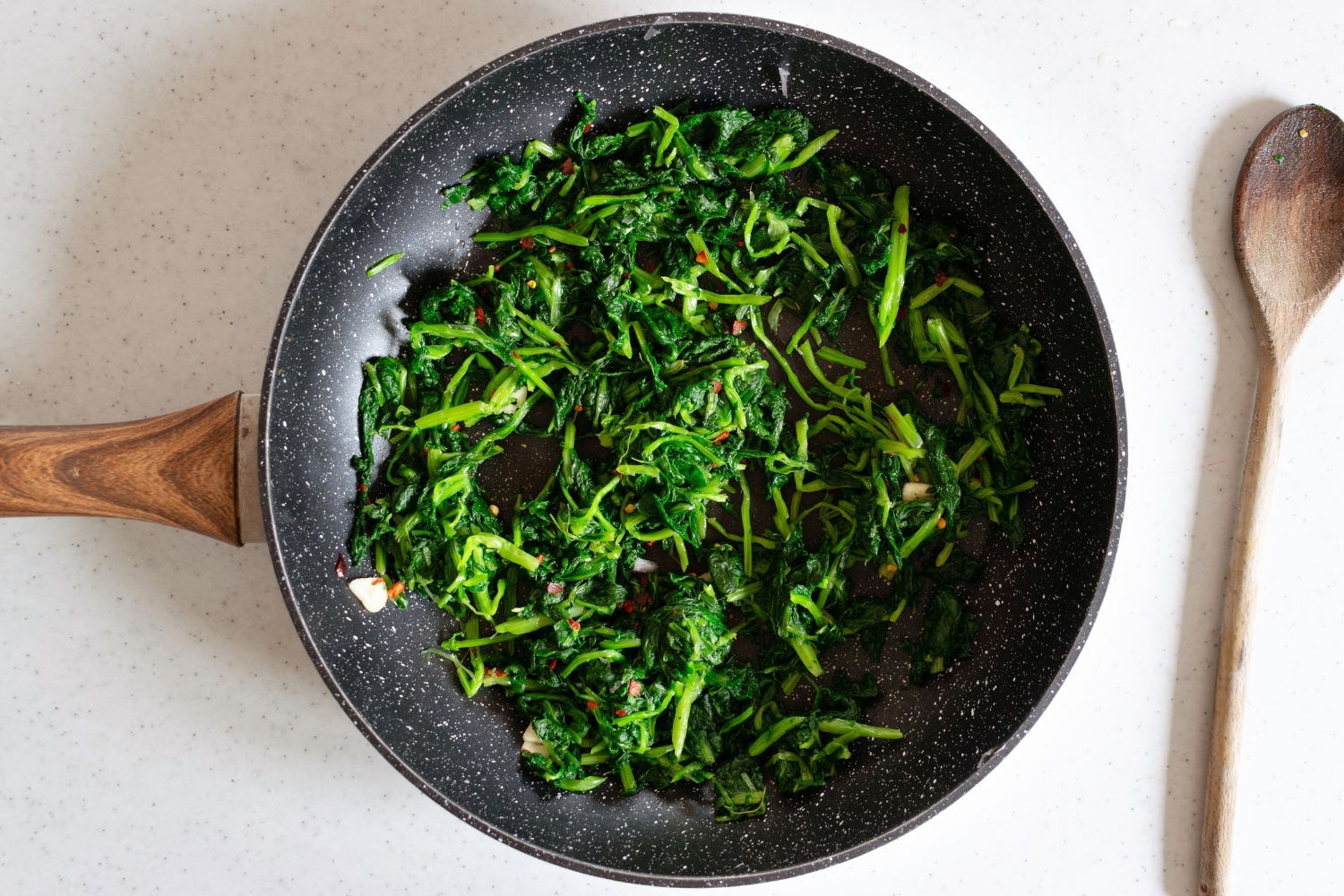
-
Phase Three: The Sauté and Assembly (Minutes 15–25)
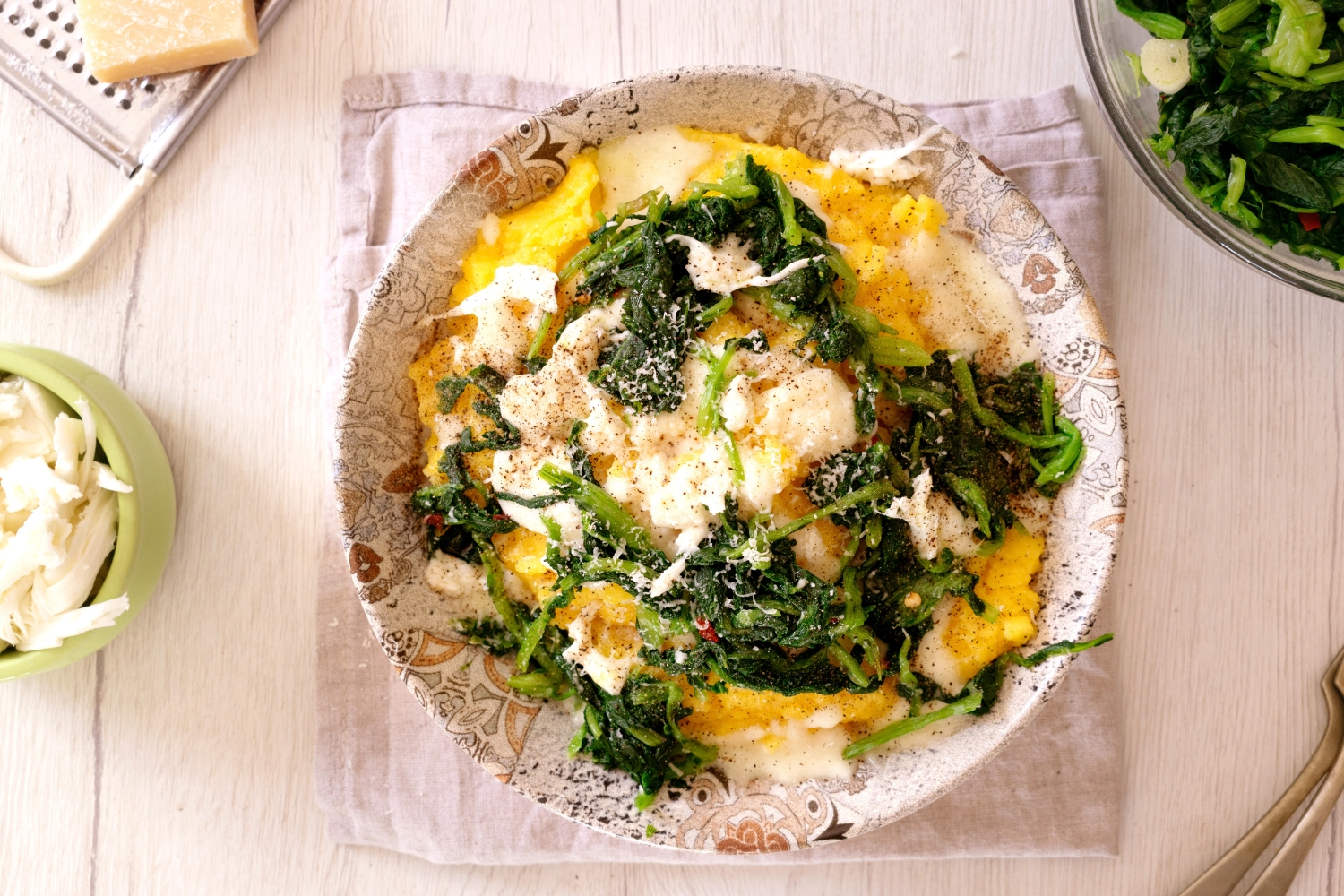
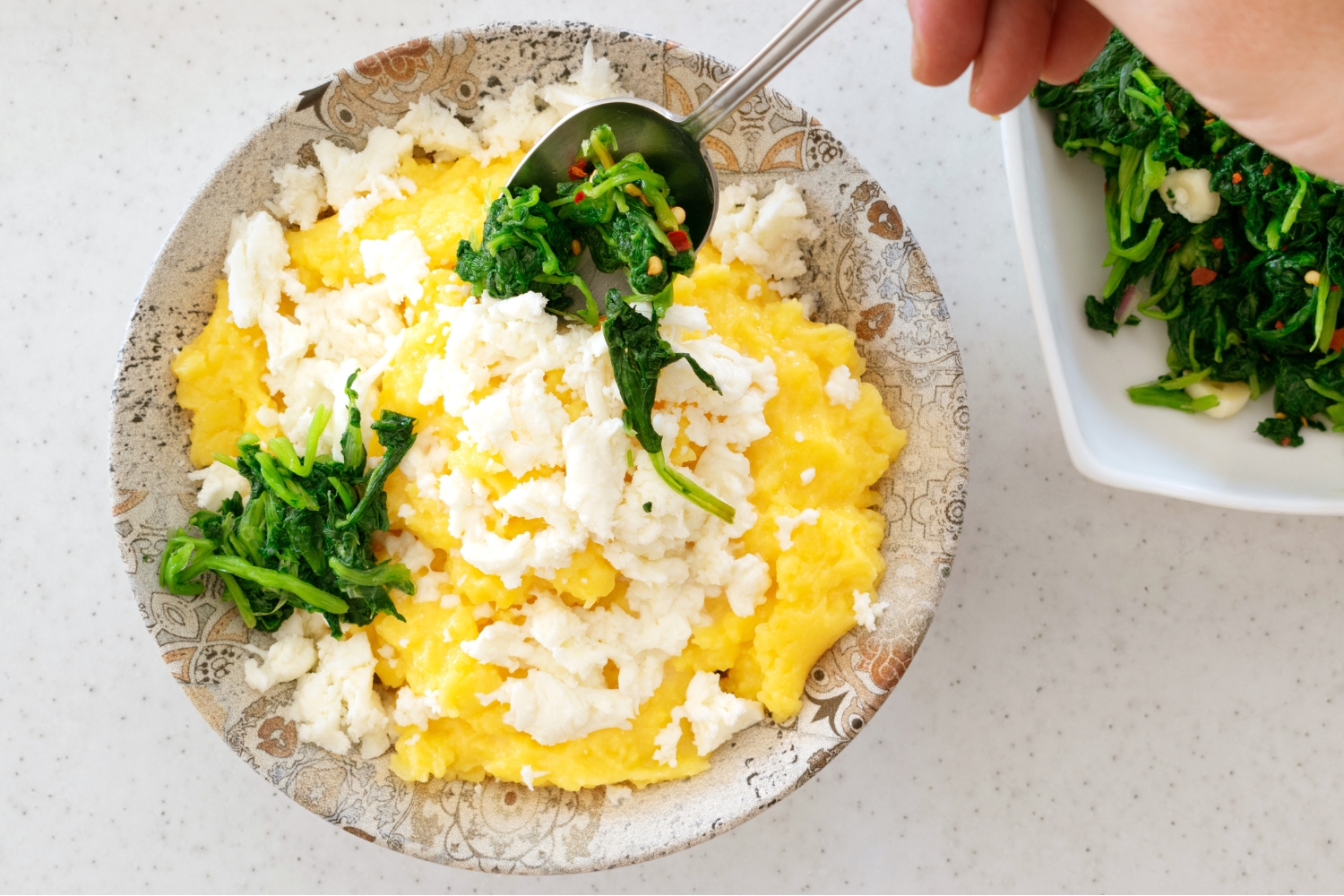
The final phase involves the sautéing of the blanched, dried greens in a pan with olive oil, garlic, and red pepper flakes. This step is designed to facilitate the Maillard reaction, where the sugars and amino acids in the greens undergo a chemical transformation that creates complex flavor compounds and browned edges. Once the moisture has evaporated, the assembly process begins by layering the hot, creamy polenta with fresh mozzarella, which melts upon contact, followed by the greens and a final garnish of salty pecorino Romano.
Supporting Data and Dietary Implications
Analysis of the nutritional profile indicates that a single serving of this dish provides approximately 397 kilocalories, with 14 grams of protein and 23 grams of fat. The fiber content, derived primarily from the cornmeal and broccoli rabe, contributes to satiety, while the 282 milligrams of calcium provided by the cheeses offers a substantial boost to the daily recommended intake.
From a public health perspective, the shift toward plant-forward meals like this one represents a significant move away from the highly processed, sodium-heavy convenience foods that characterize much of the modern Western diet. By prioritizing whole ingredients—corn, greens, garlic, and high-quality fats—this recipe demonstrates that the barrier to entry for healthy cooking is often a matter of technique rather than time or ingredient availability.
Professional Culinary Perspectives
Expert chefs often emphasize that the success of such simple dishes lies in the quality of the raw ingredients. Because the recipe relies on a limited list of components, the freshness of the broccoli rabe and the quality of the extra virgin olive oil are paramount. In professional kitchens, this dish is viewed as a "blank canvas," allowing for minor variations such as the addition of toasted pine nuts for texture, lemon zest for brightness, or even the incorporation of white beans to increase the protein-to-carbohydrate ratio.
The inclusion of pecorino Romano—a sharp, aged sheep’s milk cheese—provides a necessary salty contrast to the mild, earthy cornmeal. This balance of flavors is a fundamental principle of Italian gastronomy, where the "less is more" philosophy prevails. The use of red pepper flakes adds a subtle heat that cuts through the fat of the cheese, ensuring that the palate remains engaged throughout the meal.
Broader Impact and Consumer Adaptation
The surge in popularity of such recipes reflects a broader cultural trend toward "mindful eating." Consumers are increasingly seeking meals that are not only efficient to prepare but also align with environmental and health-conscious values. The flexibility of this recipe allows it to be adapted for various dietary needs, including vegan and gluten-free diets, without compromising the integrity of the dish.
For instance, those following a plant-based diet can substitute the traditional dairy cheeses with artisanal nut-based cheeses or nutritional yeast to achieve a savory "umami" profile. The ability to store and repurpose leftovers—such as by pan-frying cooled polenta cakes—adds an element of food waste reduction, further enhancing the appeal of the recipe for environmentally conscious households.
Future Outlook for Home Cooking
As home cooking continues to evolve in response to technological advancements and changing lifestyle patterns, the emphasis on dishes that bridge the gap between "gourmet" and "accessible" will likely persist. This polenta recipe serves as a prime example of the "25-minute meal" category, which is increasingly favored by demographic groups ranging from busy professionals to families seeking to instill healthy habits in their children.
By demystifying the preparation of ingredients like polenta and broccoli rabe, this culinary guide empowers the home cook to move beyond the limitations of pre-packaged meals. The reliance on standard pantry staples—olive oil, salt, pepper, garlic—suggests that sophisticated flavor is accessible at any budget. Ultimately, the recipe underscores that culinary excellence is not defined by the complexity of the process, but by the thoughtful selection and execution of core ingredients. As consumers continue to prioritize health-conscious, time-efficient, and sustainable meal solutions, the popularity of dishes such as this, which are deeply rooted in the traditions of the Mediterranean, is expected to remain a permanent fixture in the modern kitchen.