Deconstructing the Diaspora: How Modern Jewish Cookbooks Reflect Identity, Assimilation, and Culture in the 21st Century

The contemporary culinary landscape has experienced a profound surge in publications dedicated to Jewish and Israeli cuisine, prompting deeper discussions regarding how modern cookbooks define, reflect, and occasionally reframe Jewish identity. Writers and journalists Charlotte Druckman and Rebecca Flint Marx, both secular New York-based culinary enthusiasts, recently convened to analyze five prominent Jewish cookbooks published over the last decade. Their dialogue illuminates a complex intersection of culture, religion, ethnicity, and nationality, offering a mirror to the evolving ways American Jews connect with their heritage through food.
The Multifaceted Nature of Jewish Identity and Food
Defining Jewish food inherently presents a distinct challenge because defining Jewishness itself remains deeply debated. Sociological and cultural frameworks often categorize Jewish identity into four interconnected pillars: cultural affiliation, religious observance, ethnic background, and national or geopolitical ties, particularly concerning Israel.
Historically, diasporic cuisines are characterized by shifting borders, global migrations, and the synthesis of local ingredients with ancient traditions. As these culinary traditions intersect with the modern American food movement—which has heavily emphasized artisanal production, localization, and the elevation of traditional dishes—cookbook authors face the task of presenting heritage foods to a diverse audience. Consequently, contemporary Jewish cookbooks often act less as rigid instruction manuals and more as cultural artifacts that capture the anxieties, aspirations, and nostalgic impulses of modern diaspora populations.
A Chronological Examination of Modern Jewish Cookbooks
The recent renaissance in Jewish culinary publishing began in earnest during the mid-2010s, running parallel to broader gastronomic trends that sought to modernize and elevate overlooked ethnic foods.
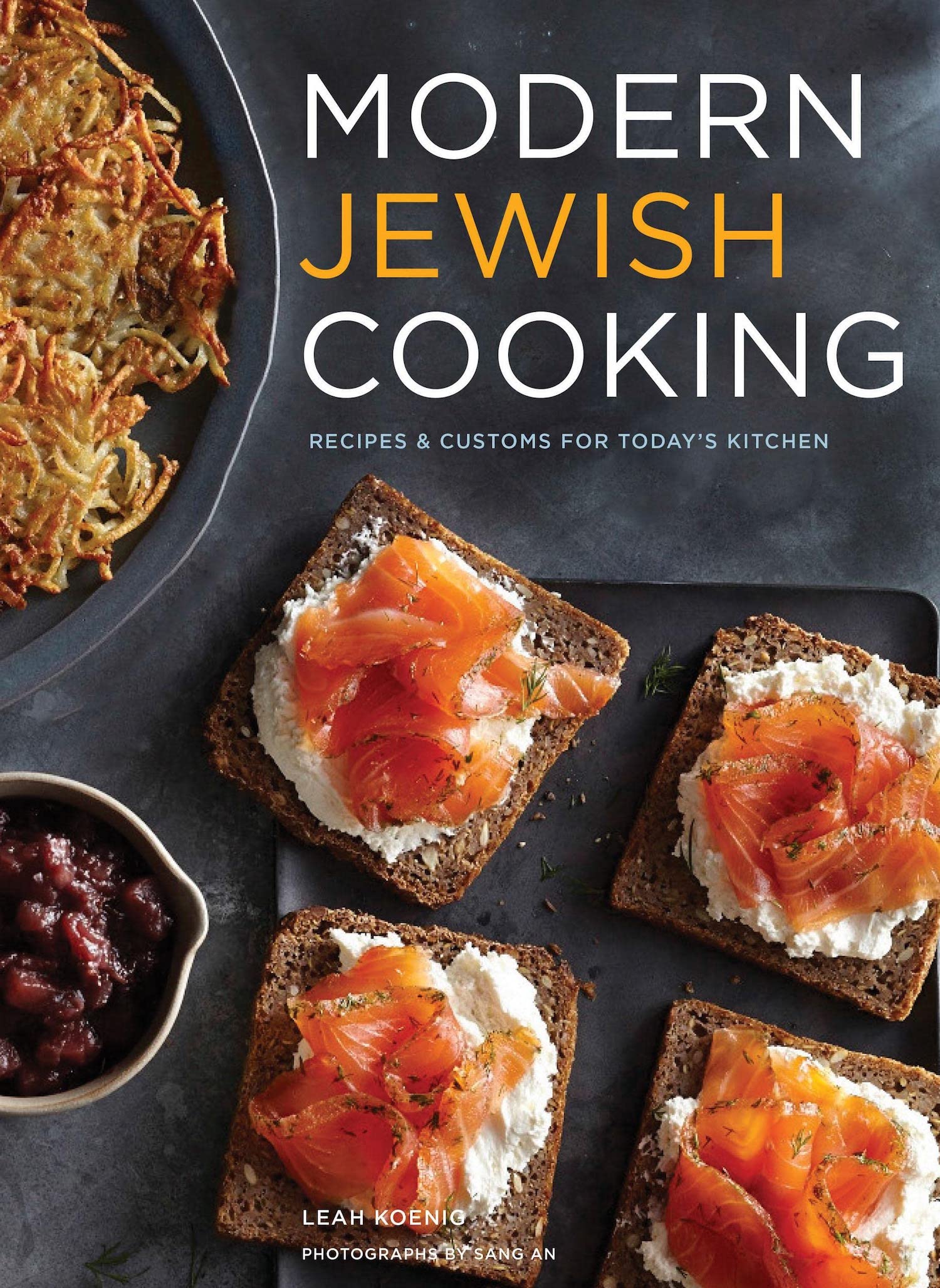
Modern Jewish Cooking by Leah Koenig (2015)
Published in 2015, Leah Koenig’s Modern Jewish Cooking arrived at the forefront of the traditional food rebirth. Evaluated as a cultural object, the book utilized the term "modern" as a subtle euphemism for assimilation into mainstream American food culture. While praised for its restrained, elegant recipes and reliable testing, critics noted that the volume largely bypassed explicit statements regarding what made specific dishes—such as fennel gratin or pan-roasted turnips—uniquely Jewish, instead offering food that felt appropriate for contemporary Sabbath tables. By focusing on vegetable-forward updates, the book effectively challenged popular perceptions of Jewish cuisine as predominantly heavy, beige, and outdated, while primarily addressing an audience already familiar with traditional touchstones.
The 100 Most Jewish Foods by Alana Newhouse (2019)
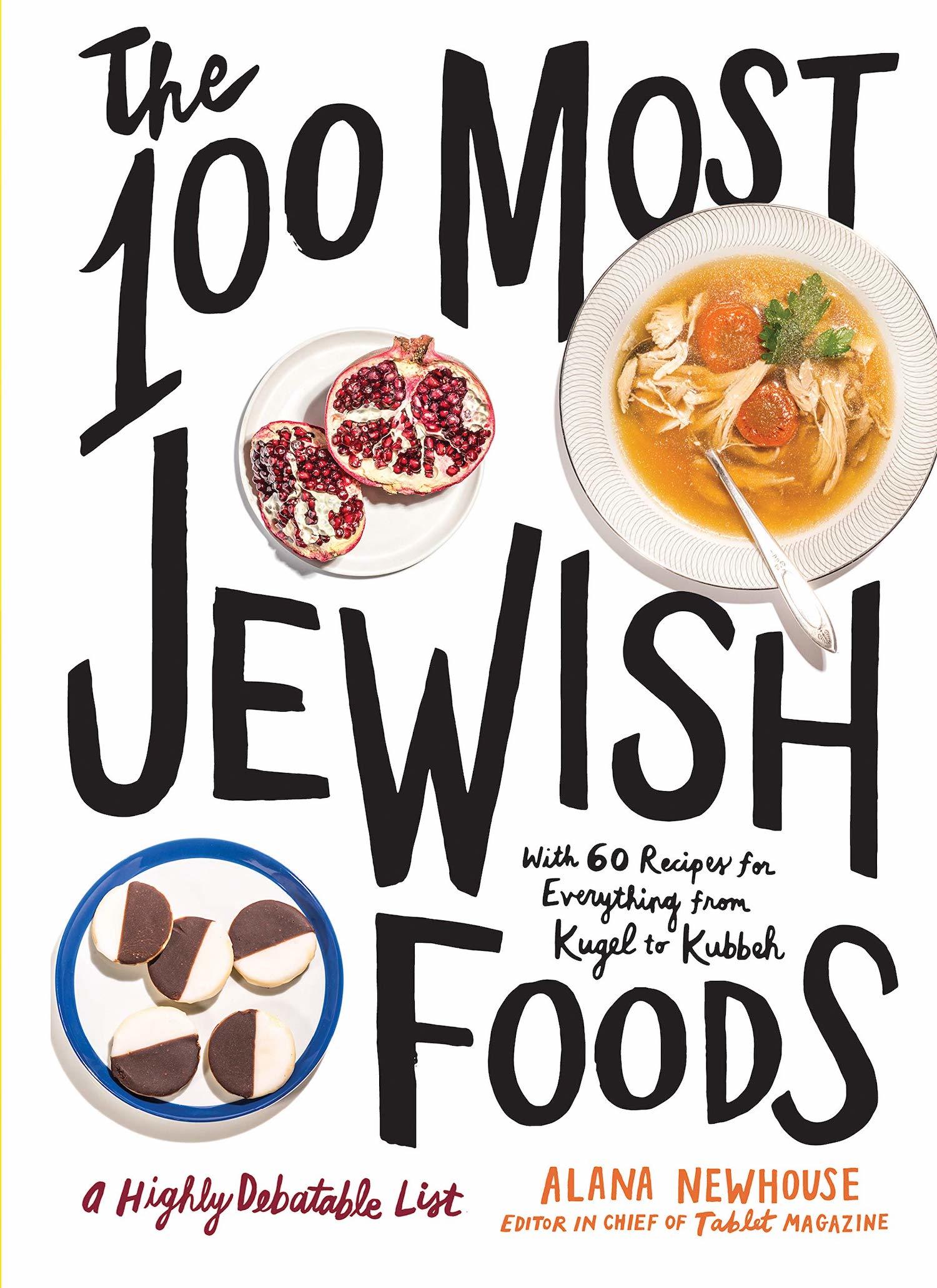
Functioning primarily as an anthology of essays rather than a traditional recipe book, The 100 Most Jewish Foods, edited by Tablet magazine editor-in-chief Alana Newhouse, directly tackled the philosophical impossibility of defining a definitive list of Jewish foods. Featuring contributions from a diverse roster of writers and chefs—including some non-Jewish figures—the volume sparked debate regarding representation and authority. Reviewers highlighted that the book epitomized a distinct, slightly neurotic New York Jewish sensibility, emphasizing the generational gap between contemporary secular Jews and their immigrant ancestors.
Eat Something: A Wise Sons Cookbook for Jews Who Like Food and People Who Like Jews by Evan Bloom and Rachel Levin (2020)
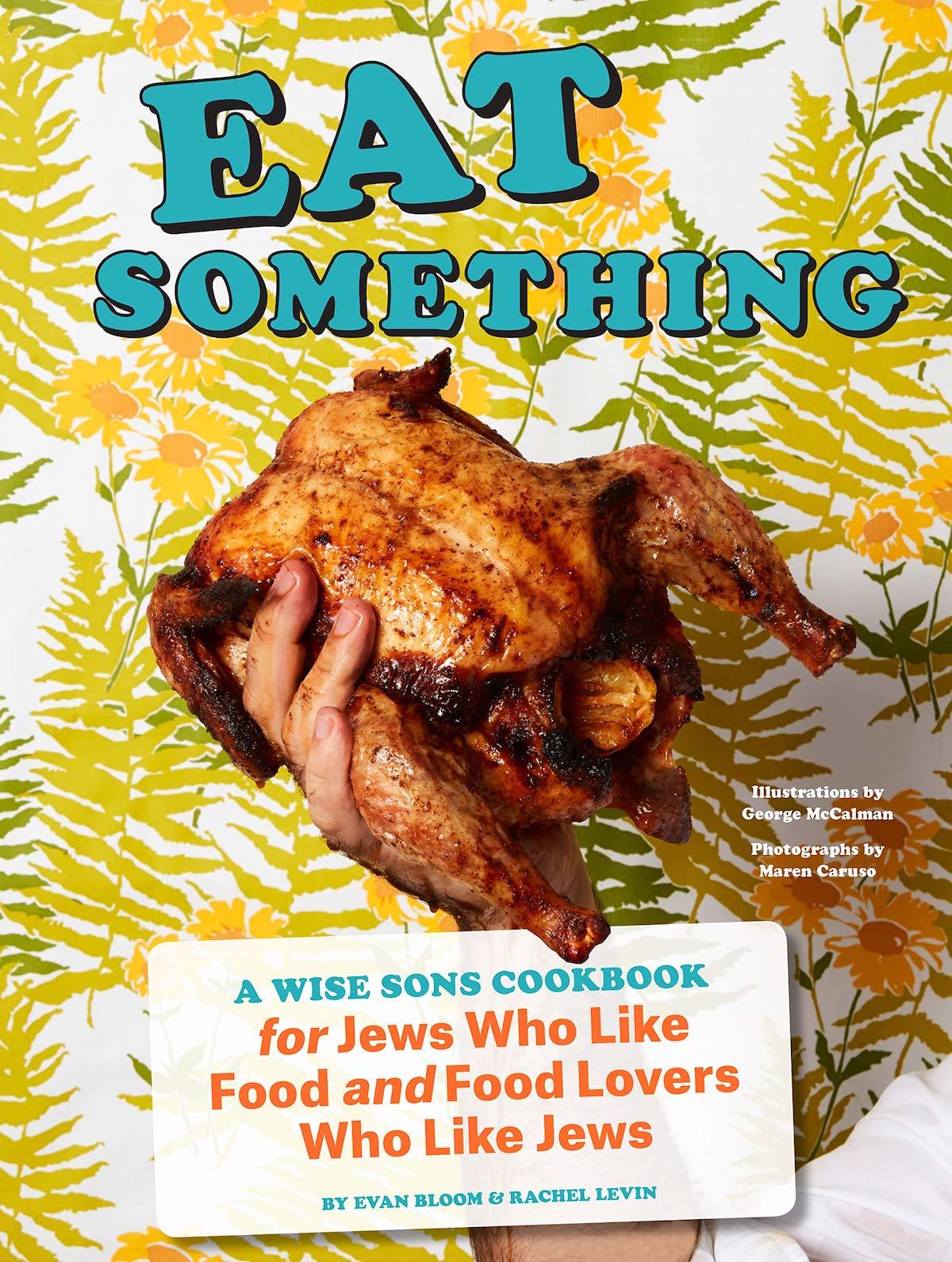
Authored by the founders of San Francisco’s Wise Sons Jewish Delicatessen, Eat Something leaned heavily into humor, camp, and generational nostalgia. Heavily inspired by the cultural touchstones of Gen-X suburban childhoods and the Borscht Belt aesthetic, the cookbook addressed the deep-seated longing for community and large-scale family gatherings. However, critics noted that framing religious rituals through a heavily comedic, lifestyle-oriented lens risks flattening a complex cultural heritage into caricature and feeding into recognizable stereotypes.
Jew-Ish: Invented Recipes from a Modern Mensch by Jake Cohen (2021)
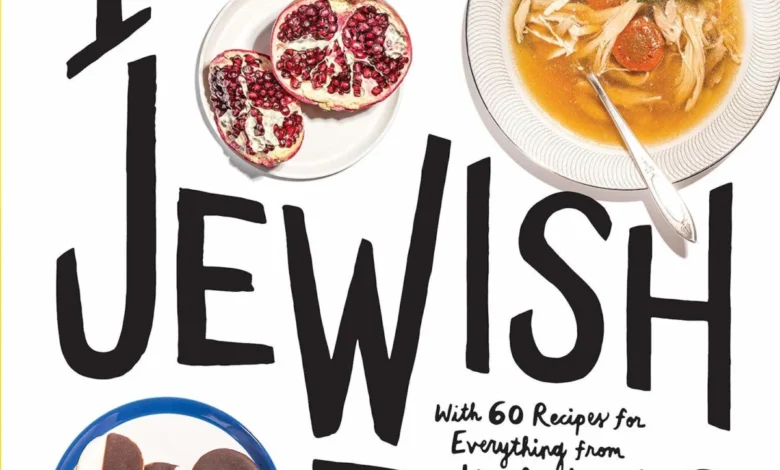
Jake Cohen’s Jew-Ish generated significant critical discussion regarding the branding of Judaism as an aspirational lifestyle. Featuring unconventional recipes such as pumpkin spice babka and everything bagel-seasoned tomato galettes, the book positioned Friday night dinner parties as a primary vehicle for cultural connection. Reviewers expressed frustration with introductory framing that suggested secular or non-observant individuals occupied a lesser degree of Jewishness, critiquing the reduction of ancient religious practices to trendy, decontextualized entertaining formats.
52 Shabbats: Friday Night Dinners Inspired by a Global Jewish Kitchen by Faith Kramer (2021)
Concluding the retrospective, Faith Kramer’s 52 Shabbats, released in late 2021, received praise for adopting a rigorous, journalistic approach to the global diaspora. By systematically exploring how Jewish communities across disparate geographies—from Shanghai to North Africa—celebrate the Sabbath, Kramer demonstrated how migration and fusion define Jewish culinary history. The book successfully integrated religious ritual with seasonality, offering comparative recipes that underscored the dynamic, evolving nature of global Jewish foodways without reducing the culture to a monochromatic New York-centric narrative.

Demographic Shifts and Representation in Culinary Media
A central critique emerging from the dialogue between Druckman and Flint Marx involves the homogenization of Jewish culinary narratives. For decades, mainstream commercial publishing has predominantly amplified Eastern European, Ashkenazi perspectives rooted in a New York sensibility. This market saturation has frequently marginalized the rich culinary traditions of Sephardic Jews, Mizrahi Jews, and Jews of color, creating a monochromatic representation of a deeply diverse global population.
Observers note that this narrow focus speaks to a broader generational disconnect. As younger generations become increasingly removed from immigrant family histories and traditional religious practices, publishers have frequently catered to a demand for comfort, nostalgia, and accessible fusion. Yet, cultural critics caution that packaging religious heritage as lifestyle branding risks stripping the food of its historical context, overlooking the geopolitical upheavals, forced migrations, and resilience that shaped the diaspora.
Broader Implications for the Publishing Industry
The evolution of Jewish cookbooks reflects wider anxieties within modern diaspora communities regarding authenticity, assimilation, and representation. As cookbook authors continue to experiment with global flavors, fusion concepts, and secular adaptations, the publishing industry faces increasing pressure to broaden its scope.
The dialogue surrounding these five texts underscores a fundamental truth: while food remains one of the most powerful conduits for cultural preservation and community building, it also defies simple categorization. Ultimately, modern culinary guides serve not only as instructions for the kitchen, but as evolving testaments to how a diverse, global people continues to negotiate its place in the modern world.
Related posts: