Horchata Rice Krispies Treats Bring Traditional Mexican Flavors to the Modern Kitchen

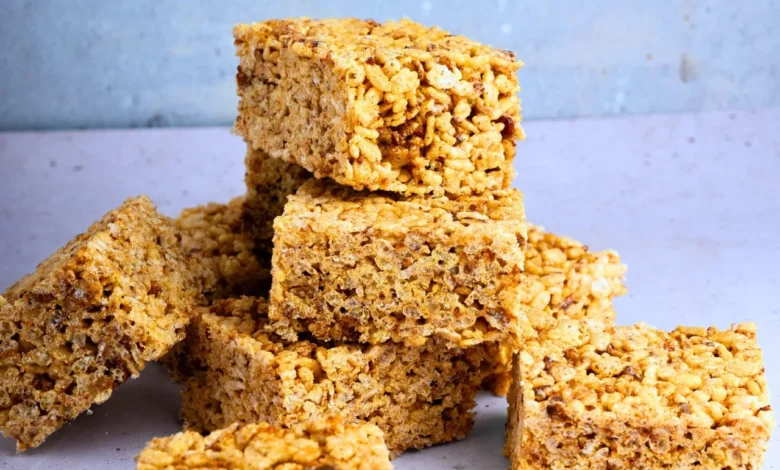
The intersection of traditional Latin American beverage culture and contemporary American snack foods has yielded a novel culinary innovation: horchata-flavored crispy rice treats. Developed by cookbook author and culinary creator Alejandra Graf, this recipe reimagines the quintessential Mexican refreshing drink—traditionally made from ground rice, soaked almonds, cinnamon, and vanilla—into a chewy, butter-toasted cereal bar. Featured as a bonus recipe in Graf’s cookbook Comemos, the treat achieves its distinct flavor profile without the use of artificial extracts or moisture-heavy liquids, relying instead on a precise chemical technique involving browned powdered milk and aromatic cinnamon.
Main Facts and Culinary Mechanics
The primary challenge in transforming a liquid beverage into a stable, chewy confection lies in moisture management. Confectionery experts note that introducing traditional liquids, such as liquid horchata or milk, into marshmallow-based cereal treats disrupts the structural integrity of the melted sugar, rendering the mixture soggy and preventing it from setting properly. Graf’s formulation circumvents this obstacle by utilizing dry milk powder toasted directly in butter.

When powdered milk is heated in fat, it undergoes the Maillard reaction—a chemical reaction between amino acids and reducing sugars that gives browned food its distinctive flavor. Within one to two minutes of gentle heat, the powdered milk develops complex notes reminiscent of caramel and toasted nuts. This technique introduces the dairy richness inherent to Mexican horchata without adding water content.
Furthermore, the recipe incorporates a substantial quantity of ground cinnamon, specifically recommending Ceylon cinnamon over the more common Cassia variety. Ceylon cinnamon, frequently utilized in traditional Mexican cuisine, offers a milder, sweeter, and more floral profile compared to the sharper, pungent notes of supermarket Cassia. By blooming the cinnamon in warm butter prior to the introduction of the marshmallows, the aromatic compounds disperse evenly throughout the mixture, ensuring a balanced flavor distribution free of localized powdery pockets.
Background Context and Cultural Fusion
The introduction of horchata-infused snack bars highlights a broader demographic and culinary shift within North American households. According to cultural food historians, the blending of Hispanic ingredients with mainstream American convenience foods reflects the lived experiences of multi-ethnic families residing in the United States. Dishes like these serve as a culinary bridge, merging the nostalgic comfort of immigrant heritage with the familiar textures of childhood American treats.

Horchata itself has deep historical roots, originating from North Africa (where it was known as orxata and made from tiger nuts) before evolving in Spain and subsequently taking on a distinctly rice-and-cinnamon-based identity in Mexico. Adapting this centuries-old flavor profile into a lunchbox-friendly, no-bake snack demonstrates the dynamic evolution of immigrant cuisines as they integrate into contemporary global pantries.
Chronology of Development and Preparation
The creation of the horchata crispy treats follows a streamlined, no-bake culinary timeline designed for home kitchens:
- Preparation Phase (5 minutes): Gathering the seven standard pantry staples, including crispy rice cereal, marshmallows, butter, powdered milk, cinnamon, salt, and vanilla.
- Cooking Phase (10 minutes): Melting the butter in a saucepan, toasting the powdered milk until golden brown, blooming the cinnamon, and gently melting the marshmallows over low heat to maintain a pliable, chewy texture.
- Integration and Setting (30 minutes): Folding the crispy rice cereal into the marshmallow mixture, transferring it to an 8-by-8-inch pan with minimal compaction to prevent hardness, and allowing the bars to set at room temperature.
- Preservation and Storage: Culinary testing indicates that while the treats remain fresh at room temperature for up to three days in an airtight container, freezing individual wrapped portions extends their viability and maintains their chewy texture for future consumption.
Dietary Adaptations and Technical Variations

To accommodate modern dietary restrictions, the recipe framework allows for specific substitutions without compromising the structural integrity of the dessert.
For consumers requiring a gluten-free diet, standard crispy rice cereal must be substituted with certified gluten-free alternatives, as traditional commercial brands frequently utilize barley malt flavoring. Similarly, vegans can replicate the recipe by substituting plant-based butter, vegan marshmallows, and coconut milk powder—provided the chosen coconut powder is free from sodium caseinate, a milk-derived protein additive.
For larger gatherings or commercial kitchen scaling, duplicating the ingredient measurements allows the mixture to be pressed into a standard 9-by-13-inch baking pan, yielding double the output while preserving the desired thickness and structural density of the bars.
Broader Economic and Culinary Implications

The popularity of recipes that elevate pantry staples through technique points to a wider trend in home economics and food media. As inflation and supply chain fluctuations influence consumer purchasing habits, culinary creators increasingly emphasize accessible, pantry-driven ingredients over specialty items like commercial flavoring extracts.
Moreover, the integration of distinct ethnic flavor profiles into standard baking formats broadens the commercial appeal of culturally diverse ingredients. By utilizing accessible components such as powdered milk and cinnamon, home cooks can replicate complex, traditional flavor profiles without specialized shopping trips. Food analysts suggest that this accessibility accelerates the mainstream adoption of Latin American flavors, moving them from niche specialty markets into everyday domestic cooking.
As culinary platforms continue to champion hybrid recipes, innovations like the horchata crispy rice treat demonstrate how traditional flavors can successfully transition across formats, offering both nostalgic comfort and modern culinary utility.