Mexican Tuna Salad: A Culinary Tradition and Its Evolution in Modern Nutrition

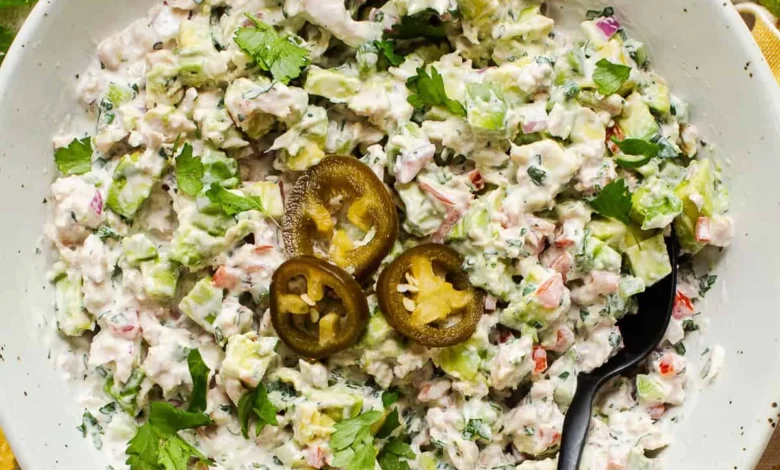
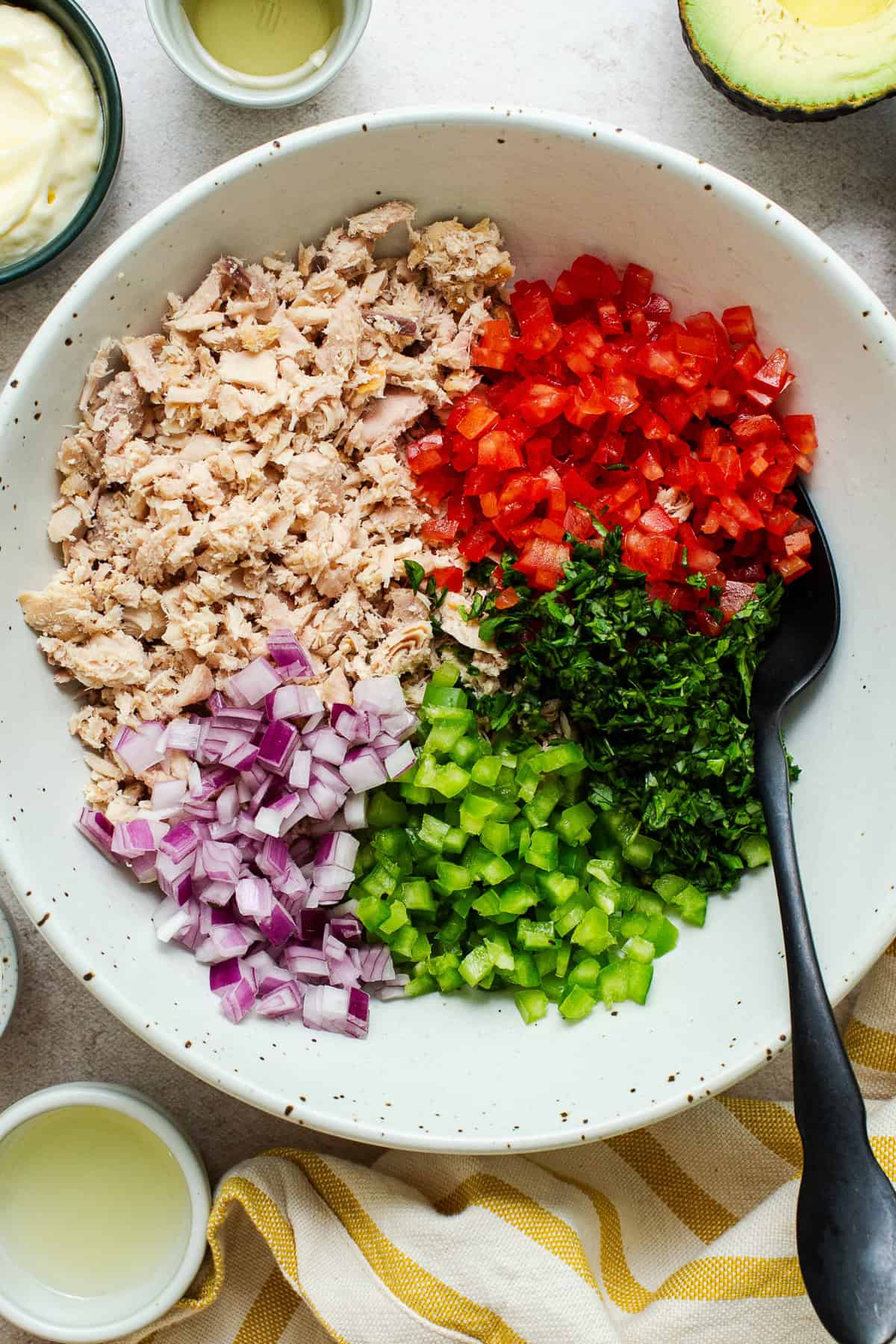
Mexican tuna salad, locally recognized as ensalada de atún, has transitioned from a humble, regional staple of Mexican households to a globally recognized, high-protein meal solution. Characterized by its fresh, vibrant composition of canned tuna, tomatoes, onions, jalapeños, and cilantro, the dish serves as a significant case study in the intersection of traditional culinary heritage and the contemporary demand for fast, nutrient-dense meal preparation. Recent data from food industry analysts suggests that the demand for canned seafood products—specifically tuna—has surged by approximately 15% in urban demographics, driven by the need for shelf-stable, high-protein options that require minimal cooking time.
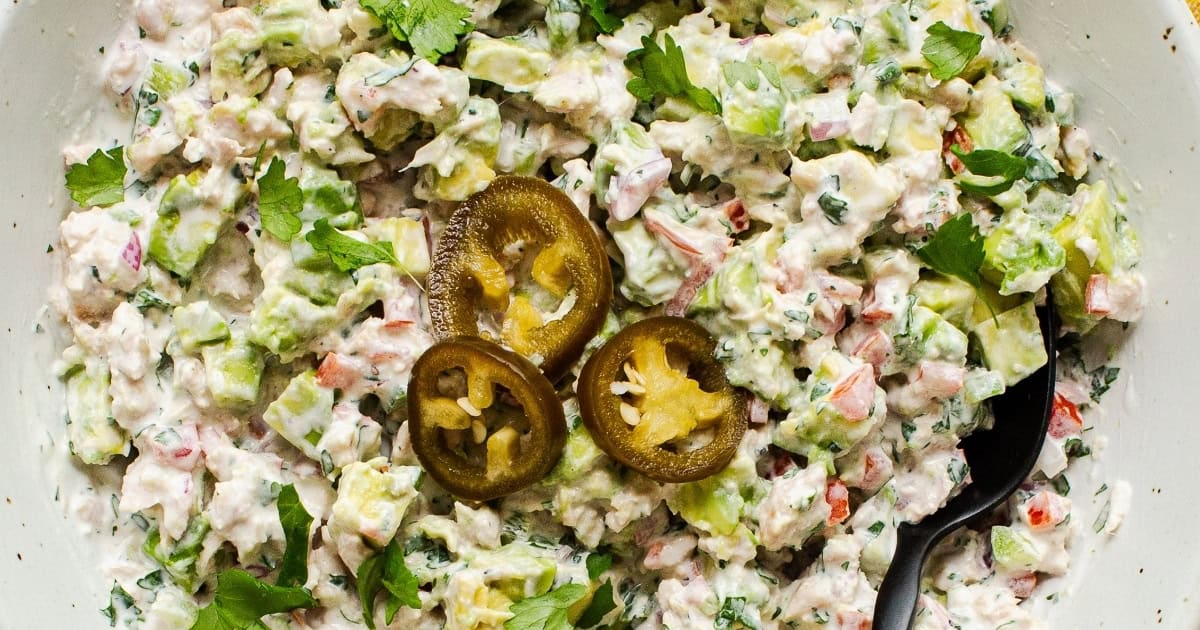
The historical context of the dish is rooted in the practical necessity of mid-century Mexican domestic life. Historically, ensalada de atún emerged as a common "no-cook" lunch option, particularly suitable for warmer climates where limiting kitchen heat was a priority. It was frequently served during family gatherings or as a staple for children returning from school. The standard preparation evolved through a reliance on readily available pantry items, emphasizing the balance between the salinity of the fish and the acidity of fresh aromatics.
The structural evolution of the recipe highlights a shift toward more complex flavor profiles. Traditionally, the dish was served with a side of pickled jalapeños and carrots, allowing consumers to control the level of spice and acidity per bite. Modern interpretations, however, have integrated the pickling brine directly into the emulsified base—a mixture typically consisting of mayonnaise, sour cream, and Mexican crema. This technique, which prioritizes the infusion of brine into the dressing, has gained traction in culinary circles for its ability to create a more cohesive, well-rounded dish that reduces the need for additional seasoning.
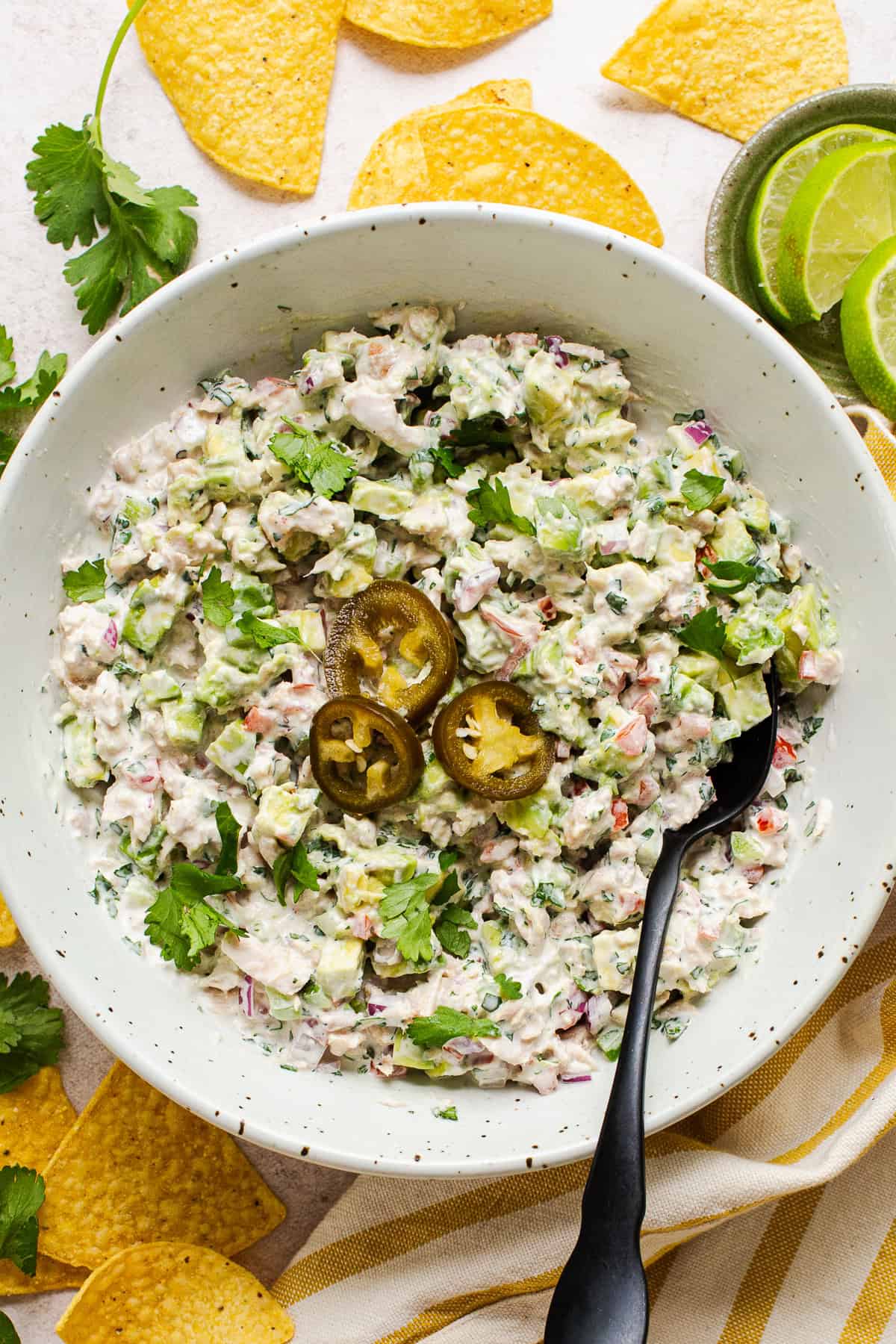
Nutritional data confirms that the dish is a robust source of essential macronutrients. A single serving, typically containing approximately 100 to 150 grams of flaked albacore or light tuna, yields roughly 25 grams of protein. When prepared with standard ratios of avocado—a critical component for healthy monounsaturated fats—the meal provides a caloric density of approximately 400 to 450 calories, making it a viable option for weight-management and muscle-recovery diets. The integration of raw vegetables, such as diced Roma tomatoes and red onions, adds essential fiber and micronutrients, including Vitamin C and potassium, which are often lacking in processed convenience meals.
Comparative Analysis: Traditional vs. Contemporary Variations
The distinction between authentic Mexican tuna salad and its international derivatives remains a subject of culinary debate. The traditional preparation is defined by the absence of heavy starches like corn or legumes within the mix. In contrast, many iterations popularized in the United States, often categorized as Tex-Mex, incorporate black beans, corn, and sometimes bell peppers. Culinary historians note that the "raw-fresh" approach of the traditional Mexican recipe preserves the integrity of the tuna, whereas the inclusion of heavy legumes often masks the flavor profile of the fish.

Furthermore, the choice of protein has shifted in the current market. While chunk light tuna remains the most cost-effective option, a growing segment of health-conscious consumers is opting for pole-and-line caught Albacore packed in water. This preference is linked to increased awareness regarding heavy metal accumulation in larger fish and the desire for a cleaner flavor profile.
Culinary Methodology and Best Practices
Professional chefs and home economists emphasize that the success of the dish depends on the quality of the emulsion and the timing of the ingredient assembly. To achieve a high-quality result, the following steps are recommended:
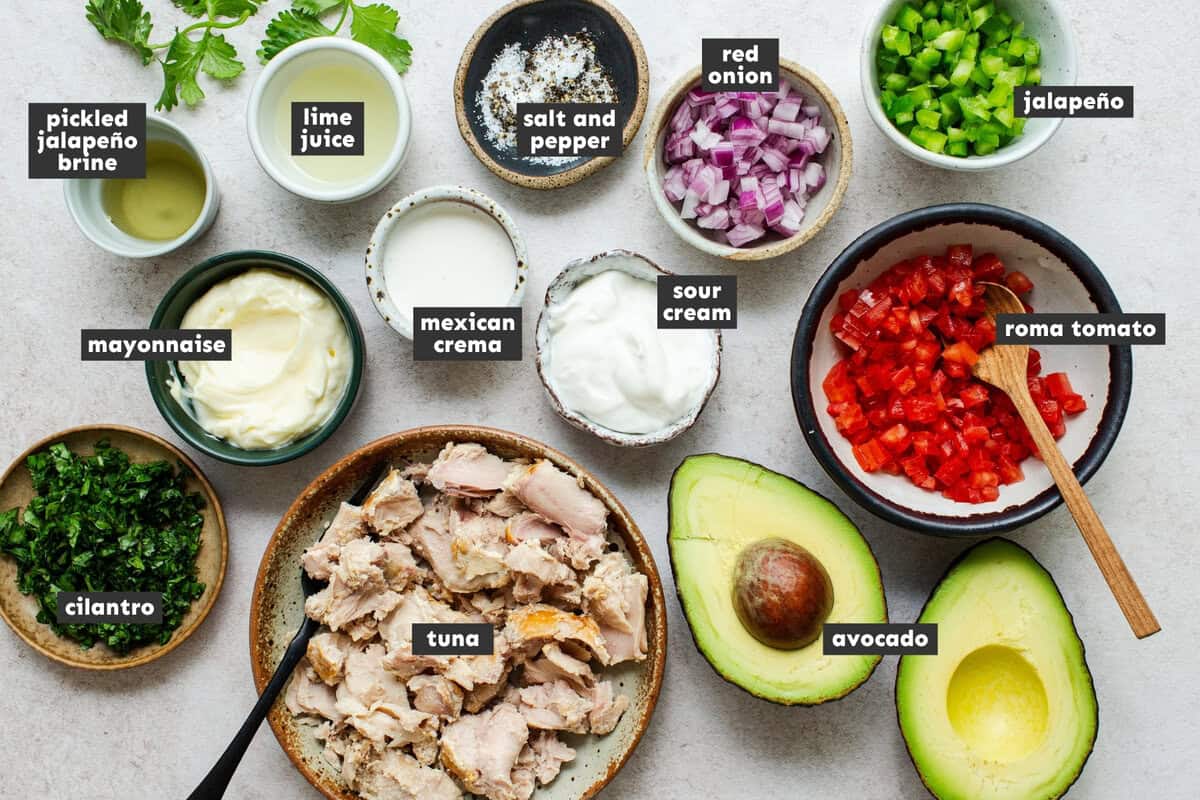
- The Emulsion Base: Whisking the mayonnaise and Mexican crema with lime juice and brine creates a stable dressing that prevents the salad from becoming watery, a common issue when using fresh tomatoes.
- Moisture Control: Draining the canned tuna thoroughly is imperative. Excess liquid in the fish will degrade the texture of the salad within minutes.
- Avocado Integration: To maintain the structural integrity of the avocado, it should be folded in at the final stage of preparation. If the dish is intended for later consumption, the avocado should be added immediately before service to prevent oxidation and discoloration.
- Acidity Balance: The use of fresh lime juice acts as a natural preservative and brightens the palate, cutting through the richness of the dairy and mayo.
Market Implications and Future Trends
The resurgence of ensalada de atún on digital media platforms has prompted a shift in how retailers market canned seafood. There is a marked increase in demand for "tuna kits" that include pre-measured packets of lime and hot sauce, catering to an on-the-go demographic. This trend reflects a broader move toward "convenience-luxury," where consumers are willing to pay a premium for high-quality, pre-portioned ingredients that allow them to replicate traditional recipes in less than 15 minutes.
Industry experts observe that this trend is likely to continue as urbanization increases and the time available for daily cooking decreases. The ability to pivot between serving the salad on traditional saltine crackers, which provide a necessary crunch, or on crispy tostada shells, offers a versatility that appeals to diverse consumer preferences.
Official Guidelines and Food Safety
When preparing the dish, food safety protocols are paramount. Because the recipe includes raw vegetables and dairy-based dressing, the final product is highly perishable. Regulatory agencies, including the FDA, advise that such mixtures should not be kept at room temperature for more than two hours. For those preparing the salad in advance, it is recommended to store the tuna-and-vegetable base separately from the avocado, combining the components only when ready to serve. If mixed fully, the salad should be stored in an airtight container with plastic wrap pressed directly against the surface of the mixture to minimize oxygen exposure, effectively extending the shelf life by up to 24 hours under refrigeration.
Broader Impact on Global Cuisine
The widespread adoption of Mexican tuna salad serves as an example of how regional dishes can attain universal appeal through simplicity and accessibility. By removing the barrier of complex cooking techniques and relying on staple pantry ingredients, this dish has managed to transcend its geographic origins. As more consumers prioritize protein-heavy diets that do not require extensive preparation, the ensalada de atún is poised to remain a staple in the modern culinary landscape. Its success validates the theory that the most enduring recipes are those that balance nutritional value with traditional, time-honored flavor profiles.