The global culinary landscape has witnessed a profound and sustained shift toward the Mediterranean diet, celebrated not merely as a regional cuisine but as a cornerstone of nutritional health and preventative medicine. At the heart of this gastronomic tradition lies the Mediterranean salad—a deceptively simple assembly of seasonal produce, high-grade olive oil, ancient grains, legumes, and artisanal cheeses. Far from being relegated to the status of a preliminary course or a mundane side dish, contemporary culinary innovation has elevated the Mediterranean salad into a versatile, nutrient-dense main meal suitable for any season. As nutritionists and public health advocates continue to champion the diet’s emphasis on heart-healthy fats, fiber, and antioxidants, home cooks and professional chefs alike are continually expanding the boundaries of what constitutes a Mediterranean salad, moving far beyond standard tomato-and-cucumber combinations to incorporate roasted root vegetables, ancient grains, sustainable proteins, and foraged greens.

The Evolution and Nutritional Foundations of Mediterranean Salads

The historical roots of Mediterranean salads trace back thousands of years across the coastal basins of Southern Europe, the Levant, and North Africa. Historically driven by necessity and local agrarian cycles, these dishes relied on what the immediate landscape provided: sun-ripened tomatoes from the Greek islands, bitter chicory from the hills of Italy, robust white beans from the Anatolian plateau, and wild herbs gathered from rocky hillsides. The overarching philosophy of this culinary tradition centers on ingredient integrity. Rather than masking flavors with heavy, highly processed sauces, Mediterranean cooks utilize acidity—primarily through fresh lemon juice and wine vinegars—and cold-pressed extra virgin olive oil to elevate the natural flavor profiles of raw or minimally cooked vegetables.

From a nutritional standpoint, the widespread clinical endorsement of the Mediterranean diet is well documented. Extensive longitudinal studies published in medical journals over the past several decades consistently link diets rich in monounsaturated fats, polyphenols, and complex carbohydrates to reduced incidents of cardiovascular disease, type 2 diabetes, and cognitive decline. Salads incorporating staples such as chickpeas, lentils, bulgur, and farro provide a sustained release of energy through complex dietary fiber, while additions of fresh seafood, poultry, and fermented cheeses supply essential amino acids and probiotics. Consequently, the integration of these thirty diverse salad recipes represents a convergence of ancient culinary wisdom and modern nutritional science.
Traditional Classics: The Bedrock of Mediterranean Flavor

The foundation of any exploration into Mediterranean salad culture begins with its most enduring regional classics. Among these, the traditional Greek horiatiki (Greek salad) stands out for its deliberate simplicity. Eschewing lettuce entirely, authentic preparations feature thick wedges of vine-ripened tomatoes, crisp cucumbers, sliced red onions, green bell peppers, Kalamata olives, and a block of authentic sheep’s-milk feta cheese left uncubed, seasoned simply with dried oregano and sea salt. Food historians note that this rustic preparation reflects the daily reality of Greek farming communities, where preservation methods and seasonal harvesting dictated the daily menu.
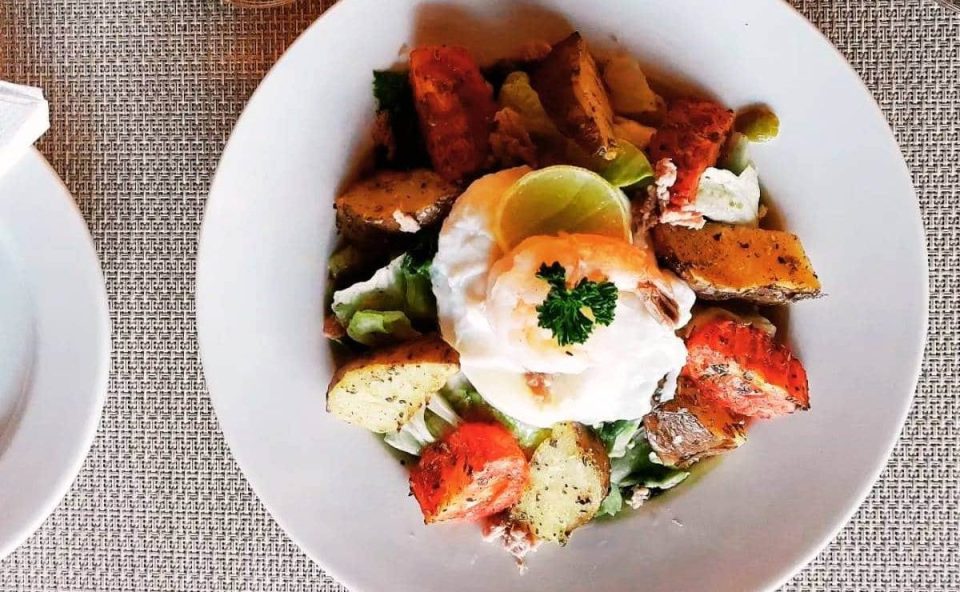
Similarly, the Italian Insalata Caprese exemplifies the Italian principle of cucina povera—the art of creating exceptional dishes from very few, exceedingly high-quality ingredients. Originating from the island of Capri, the classic arrangement of sliced fresh buffalo mozzarella, ripe tomatoes, and sweet basil leaves drizzled with extra virgin olive oil has become a global symbol of summer dining. In parallel, the French Salade Niçoise, hailing from the Mediterranean coastal city of Nice, provides a masterclass in transforming fresh produce and pantry staples into a complete meal. While culinary purists often debate the inclusion of boiled potatoes and green beans—arguing that traditional Nice recipes relied exclusively on raw vegetables, hard-boiled eggs, anchovies, and tuna—the dish demonstrates the adaptability of Mediterranean culinary traditions across national borders.

Expanding Horizons: Legumes, Grains, and Substantial Suppers

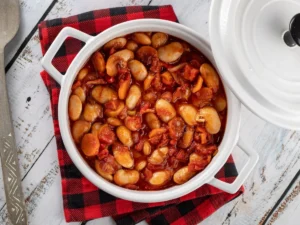
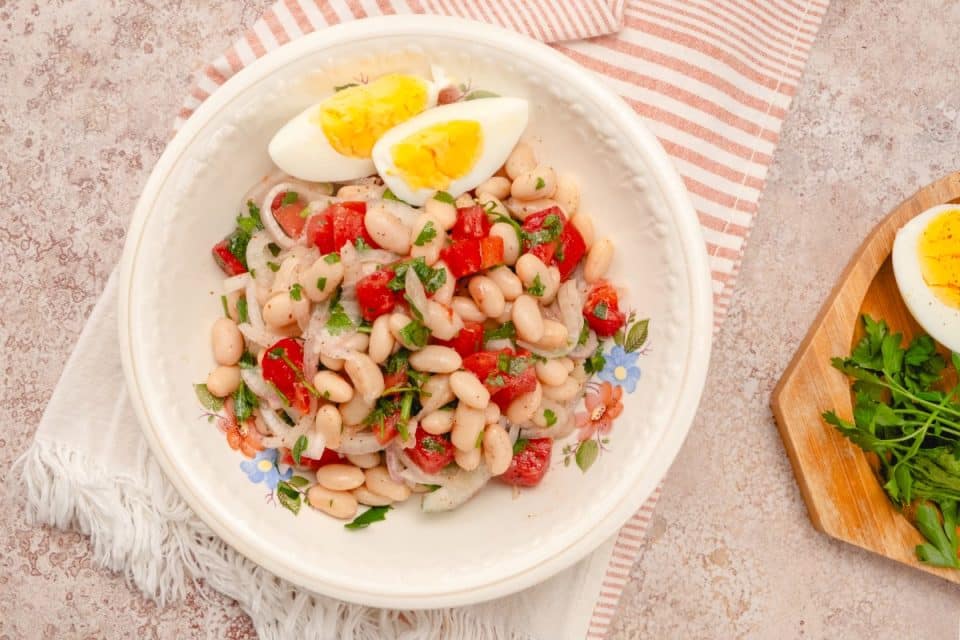
As consumer preferences shift toward plant-forward dining and protein-rich vegetarian meals, Mediterranean salad repertoires have expanded to incorporate robust legumes and ancient grains. Dishes such as the Turkish white bean salad, known locally as piyaz, elevate humble dried beans into a centerpiece. Enhanced by the subtle bitterness of tahini, the sharpness of raw onions rubbed with salt, and the bright, citrusy notes of sumac—a spice derived from dried and crushed sumac berries native to the Middle East—piyaz offers a compelling study in textural and flavor contrast.
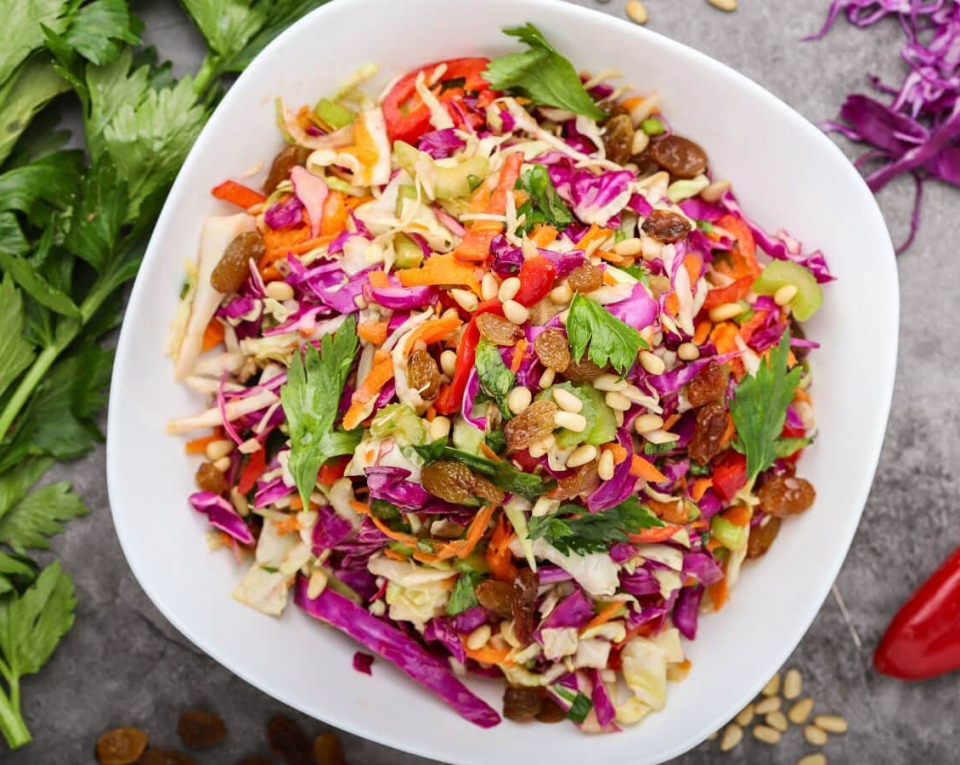
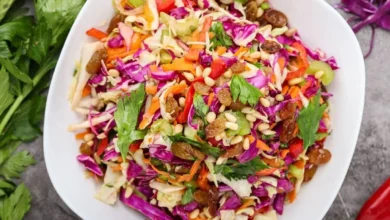
Grain-based salads have likewise gained prominence in professional and home kitchens. The integration of ancient grains such as farro, bulgur, and quinoa provides a nutty flavor profile and a chewy texture that holds up exceptionally well to robust dressings. The Mediterranean Bulgur Salad, often enhanced with seasonal additions like blood oranges and pomegranate arils, bridges the gap between traditional Middle Eastern tabbouleh and contemporary festive dining. Pomegranate arils and citrus segments not only introduce vibrant color to the plate but also supply a tart, enzymatic acidity that cuts through the earthy density of the grains and the creamy saltiness of crumbled feta.
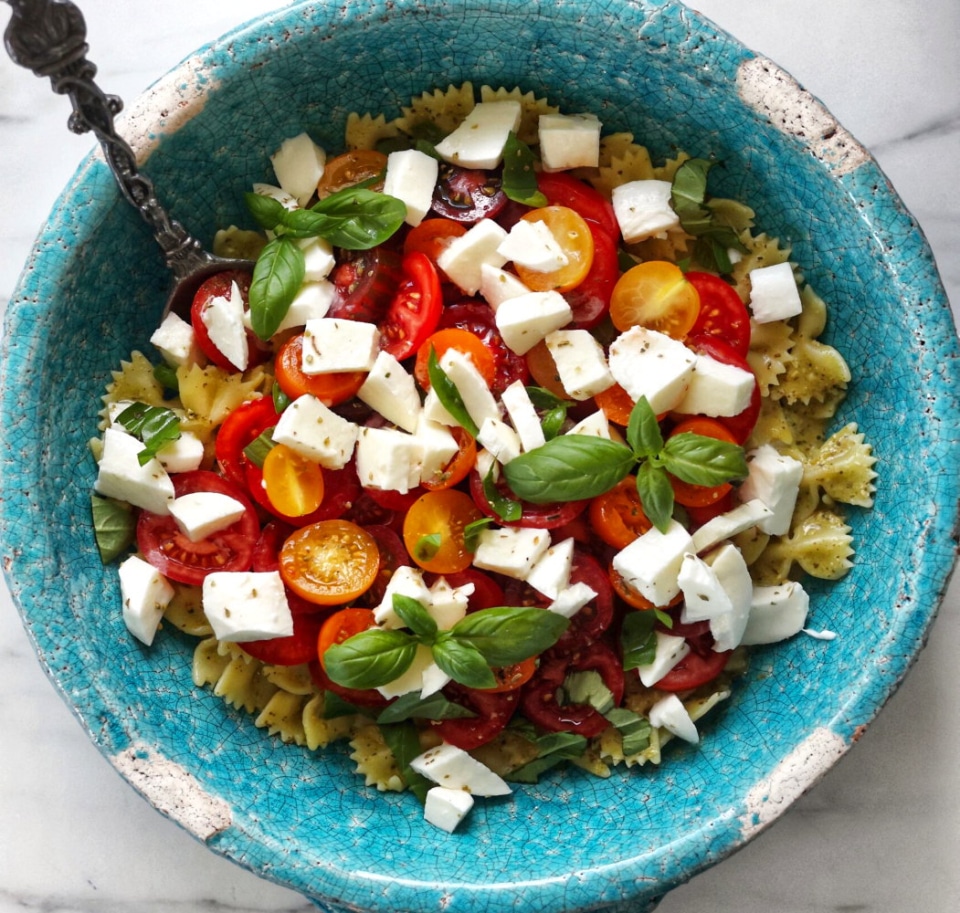
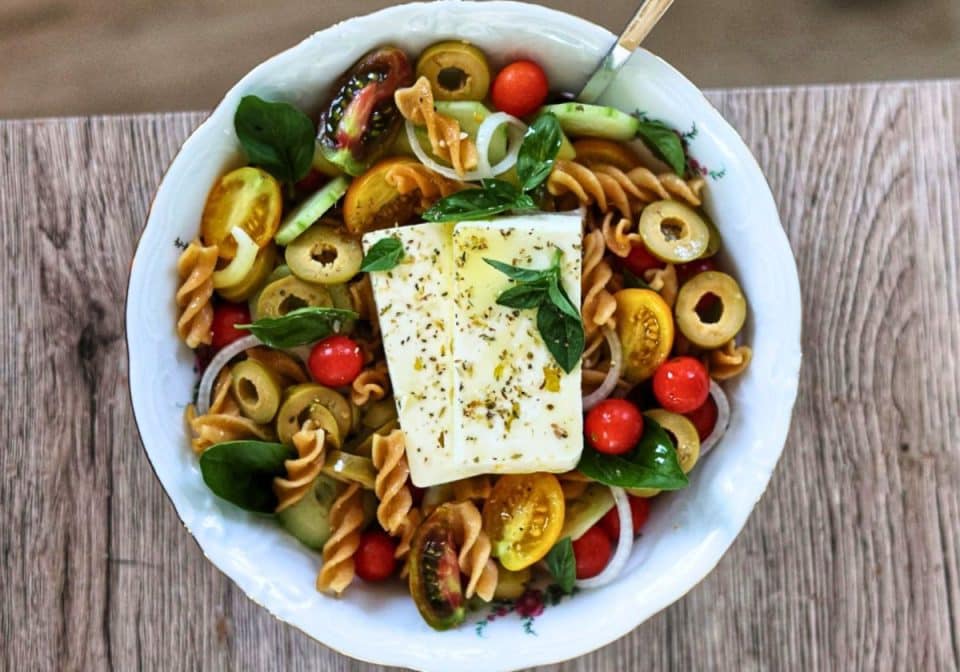
Furthermore, pasta-based variations such as the Lemon Basil Chickpea Pasta Salad and the Greek-inspired Orzo Pasta Salad offer practical solutions for meal-prep enthusiasts and caterers. Culinary experts note that small pasta shapes like orzo act as culinary sponges, absorbing the aromatic profiles of garlic-infused olive oil, Dijon mustard, and fresh herbs while retaining structural integrity over several days in refrigerated storage.
Textural Innovation: Bitter Greens, Fruit Pairings, and Seafood

Modern interpretations of Mediterranean salads frequently challenge traditional boundaries by incorporating unexpected flavor pairings, such as bitter greens, sweet fruits, and sustainably sourced proteins. The Radicchio Salad with Blue Cheese, Honeyed Walnuts, and Cabernet, for instance, departs from the milder profiles of romaine and butterhead lettuce. By utilizing the inherent bitterness of radicchio and peppery watercress, the dish creates a sophisticated palate cleanser that pairs naturally with full-bodied red wines. The inclusion of walnuts caramelized in honey introduces a textural crunch, while blue cheese provides a pungent, umami-rich counterpoint.

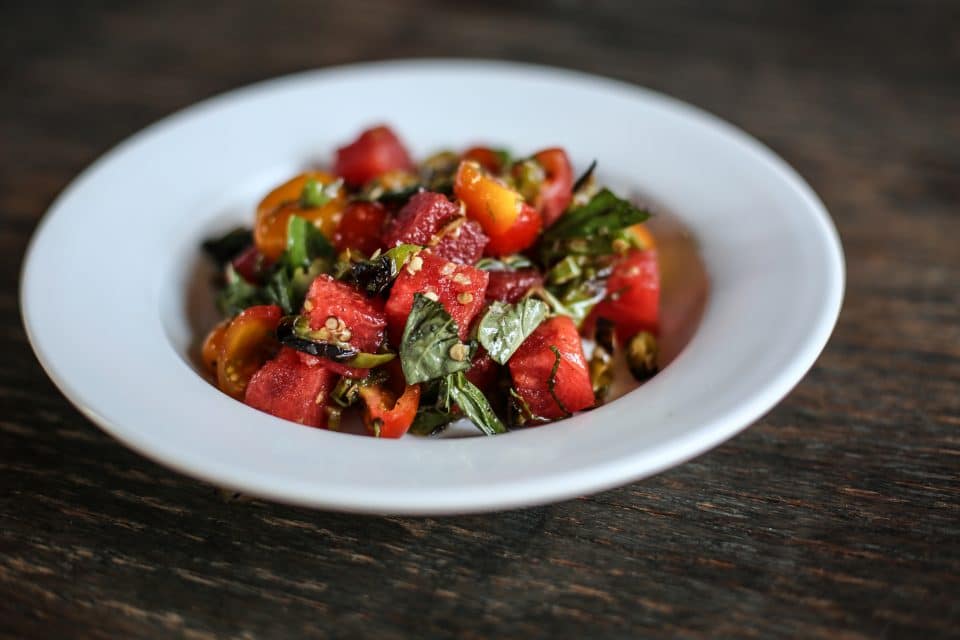
In the realm of fruit-and-savory combinations, the Watermelon and Feta Salad has cemented itself as a warm-weather staple across the Mediterranean basin. The science behind this pairing lies in the chemical interplay between the sulfur compounds in fresh mint, the sodium chloride in aged feta, and the high water and sugar content of chilled watermelon. By introducing toasted pita croutons, chefs elevate the dish from a simple refreshment to a texturally complex starter.
Seafood also plays a vital role in elevating Mediterranean salads from side dishes to primary courses. Preparations featuring seared peppered tuna, grilled asparagus, and soft-centered quail eggs—or smoked duck breast paired with a blackberry-balsamic reduction—demonstrate how regional ingredients can be reinterpreted through a fine-dining lens. These recipes reflect a growing culinary trend toward luxury-casual dining, where high-end proteins are integrated into approachable, vegetable-forward formats.

Implications for Modern Culinary Trends and Home Cooking
The enduring popularity of Mediterranean salads underscores a broader cultural movement toward mindful, health-conscious eating that refuses to compromise on flavor. Industry analysts point out that the global market for Mediterranean-inspired food products has experienced steady compound annual growth, driven by consumer demand for transparency, clean labeling, and nutrient density. Salads that utilize shelf-stable pantry items—such as canned chickpeas, tuna, olives, and grains—alongside fresh, seasonal produce offer a practical solution for households seeking to minimize food waste while maintaining a balanced diet.

Ultimately, the comprehensive collection of thirty distinct Mediterranean salads highlights the remarkable flexibility of a culinary tradition rooted in geography and climate rather than rigid culinary dogma. Whether preparing a lightning-fast, five-minute traditional Greek salad for an impromptu backyard gathering or investing time in a complex roasted vegetable and grain bowl for weekly meal prep, the underlying philosophy remains unchanged: respect for the ingredient, balance in the dressing, and an unwavering commitment to freshness. As chefs and home cooks continue to experiment with global spices, alternative grains, and seasonal produce, the Mediterranean salad will undoubtedly remain a dynamic and essential fixture of modern gastronomy.