The Origins and Evolution of the Monster Cookie
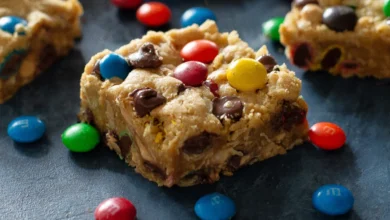
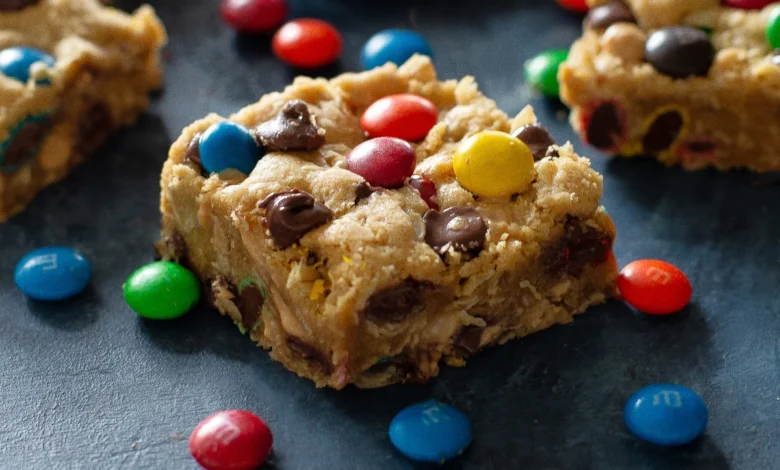
The "Monster Cookie" has deep roots in American culinary history, particularly within the Midwest. While the exact provenance of the cookie remains a subject of anecdotal debate, its defining characteristics—a base of peanut butter and oats packed with a high ratio of chocolate chips and colorful candy-coated chocolates—emerged in the mid-20th century. Historically, these cookies were popularized as a way to utilize various pantry staples, essentially functioning as a "kitchen sink" dessert.
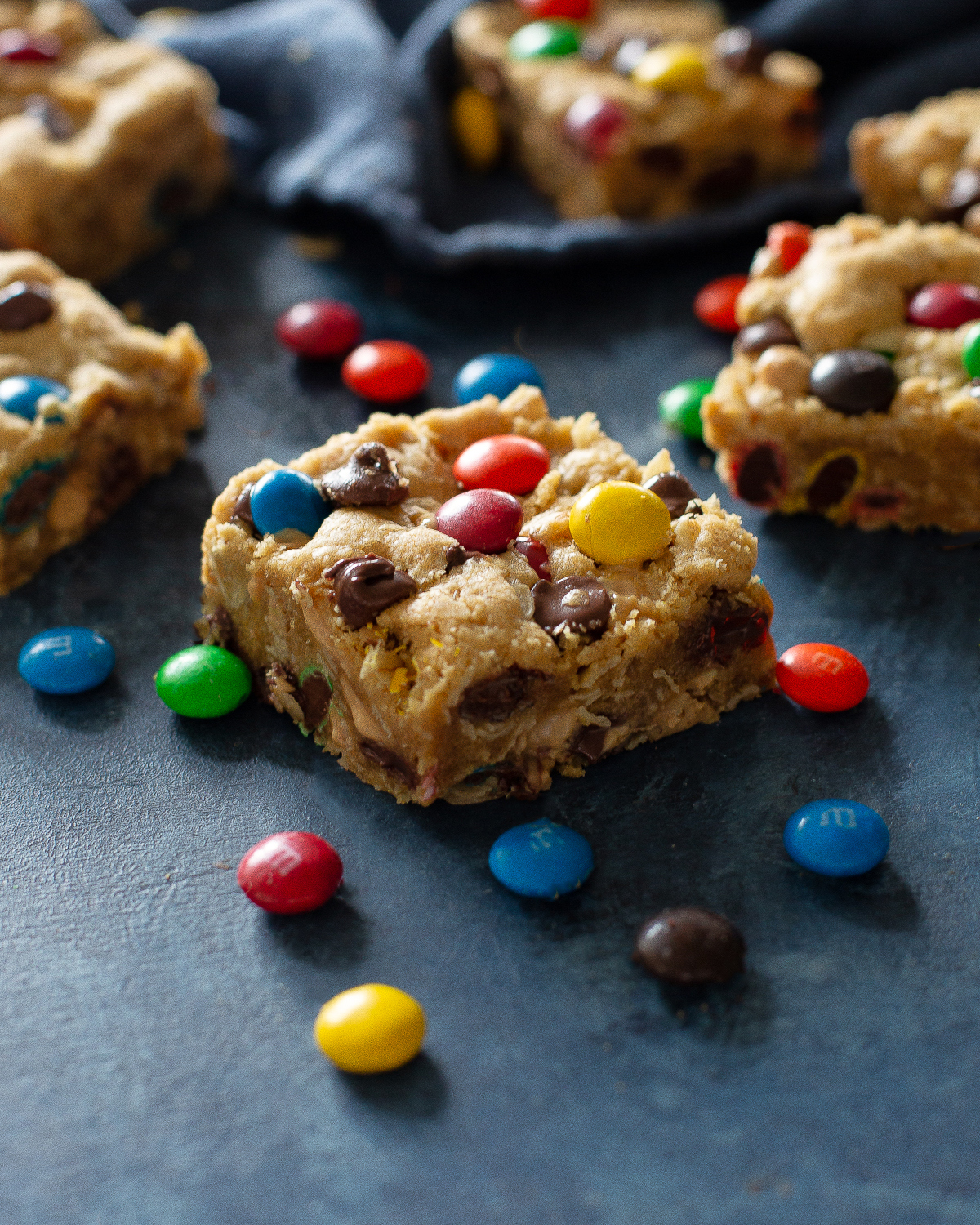
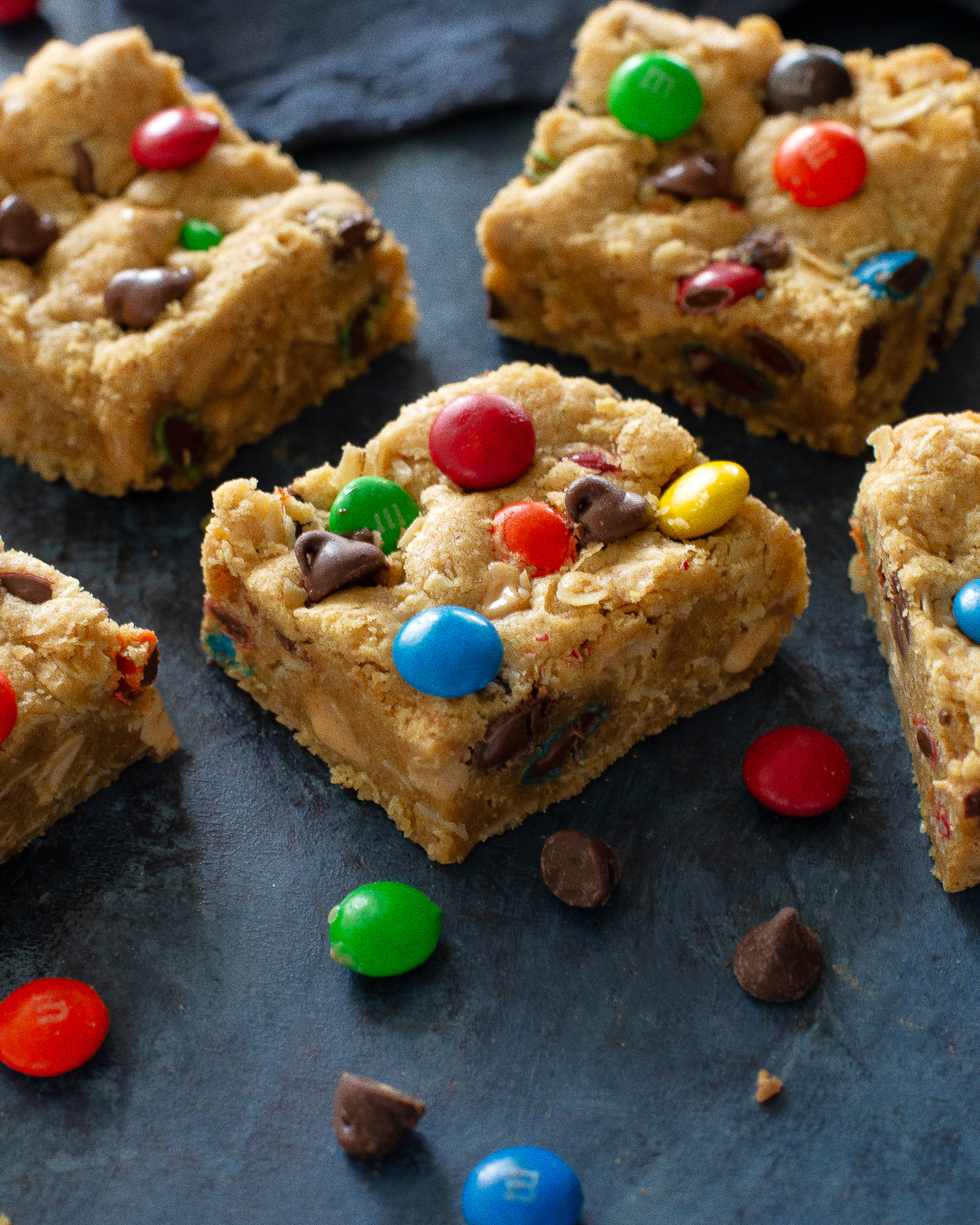
In recent years, the transition from individual cookies to bar format has gained traction in professional and domestic kitchens alike. Culinary experts note that baking the dough as a solid sheet provides a different texture profile: while individual cookies are often crisp at the edges and chewy in the center, bar formats allow for a uniformly soft, dense, and moist consistency throughout. This structural change is achieved by modifying the hydration levels of the dough and adjusting the baking temperature to ensure the interior sets without over-browning the exterior.
Technical Composition and Culinary Science
The success of these bars relies on precise chemical ratios that differentiate them from standard drop cookies. A primary factor in their texture is the inclusion of extra egg yolks. In baking, yolks contain fats and proteins that contribute to a richer, denser crumb and increased moisture retention. When applied to the dense mixture of oats and peanut butter, the additional yolk ensures the product remains soft for several days, extending the shelf life of the dessert beyond the typical 24-hour window for standard cookies.
Furthermore, the integration of both chocolate chips and peanut butter chips serves to balance the flavor profile. The salt content in the dough is critical; it acts as a flavor enhancer that cuts through the intense sweetness of the chocolate and the heaviness of the peanut butter. Food scientists emphasize that the use of standard, shelf-stable creamy peanut butter is essential for structural integrity. Natural peanut butter, which contains higher levels of separated oils, can lead to a greasy, crumbly texture that fails to bind the oat-based structure effectively.
Chronology of Preparation and Optimal Baking Conditions
The preparation process for these bars is designed to maximize output while minimizing active labor. The methodology typically follows a standard sequence:
- Creaming and Emulsification: The butter and sugars are combined until light and aerated, providing the necessary lift.
- Binding: The addition of peanut butter, eggs, and vanilla creates the primary emulsion.
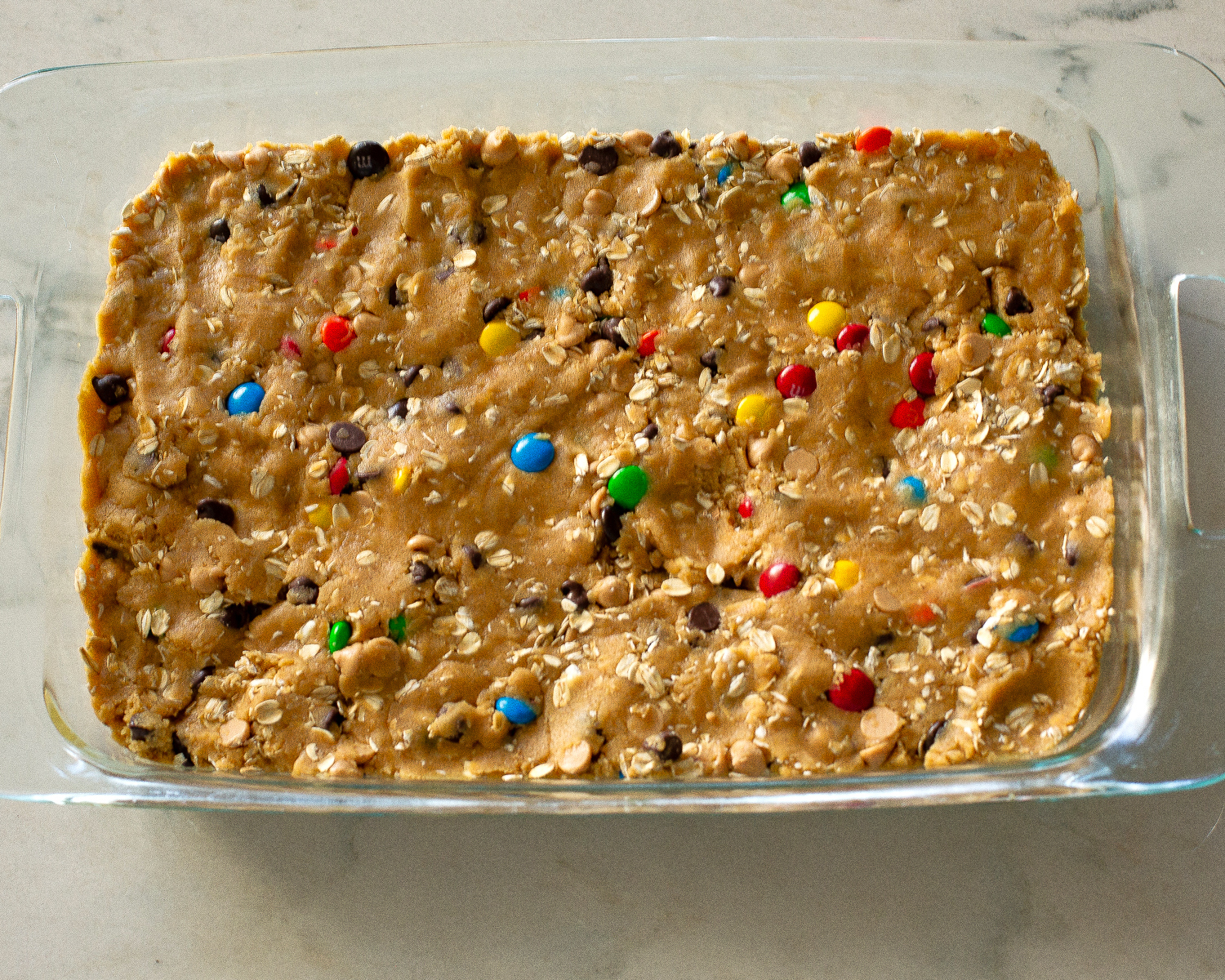
- Integration of Dry Ingredients: Oats, flour, and leavening agents are folded in, followed by the "inclusions"—the chocolate chips, peanut butter chips, and M&Ms.
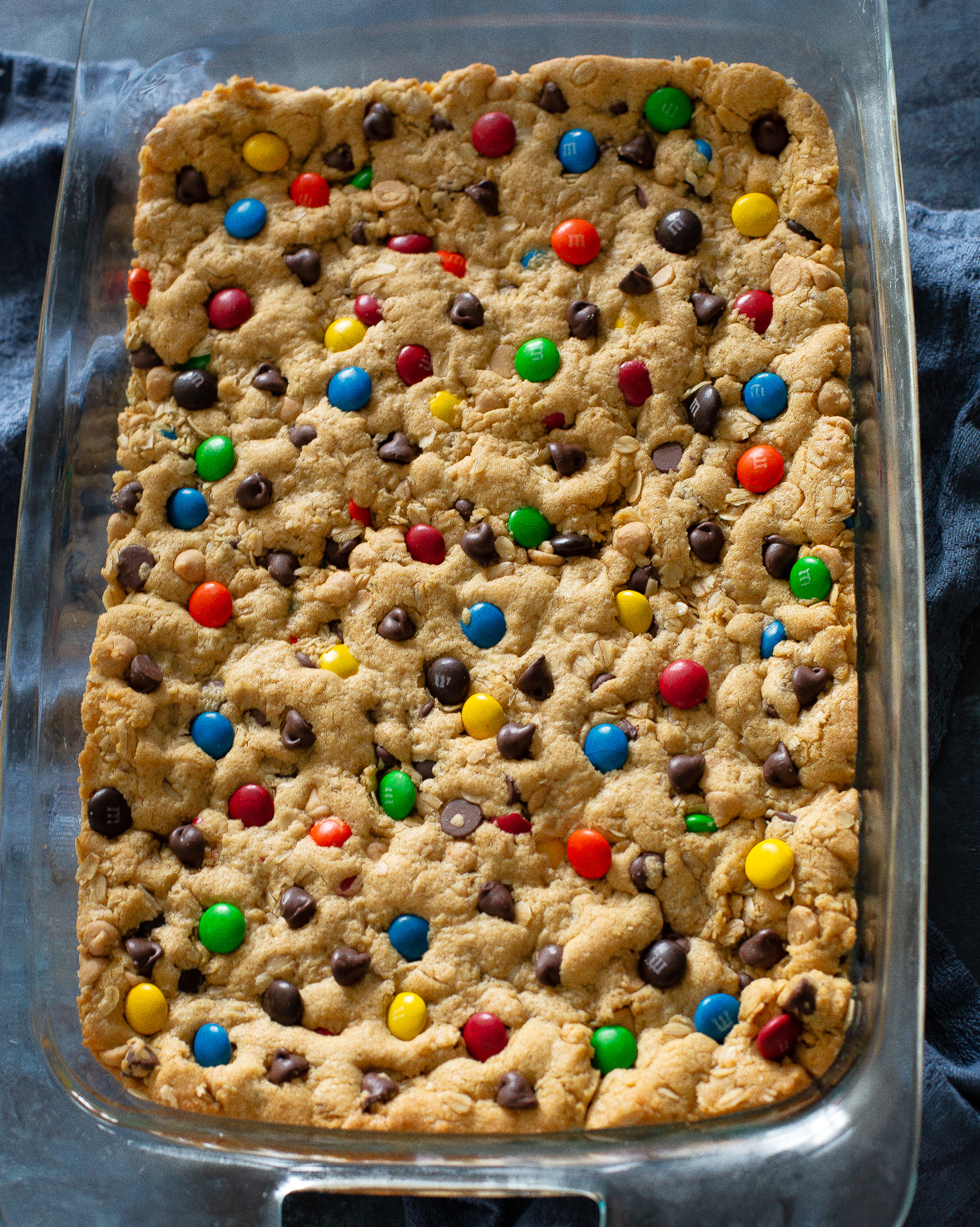
- Thermal Processing: The dough is pressed into a 9×13 pan and baked for approximately 20 minutes at a moderate temperature (usually 350°F).
The critical juncture in the baking process is the timing of removal. Removing the bars when the center remains slightly soft is vital, as the residual heat—often referred to as "carry-over cooking"—allows the center to solidify while the edges remain tender. If the bars are baked until fully firm in the oven, the risk of over-baking and resultant dryness increases significantly.
Nutritional and Dietary Considerations
In the current climate of nutritional awareness, desserts like Monster Cookie Bars are frequently analyzed for their caloric density. Each serving, typically defined as one-twenty-fourth of a 9×13 pan, offers a concentrated source of energy due to the high fat content from peanut butter and butter, and the simple carbohydrates from the sugar and candy inclusions.
While these bars are often criticized by health advocates for their high sugar-to-nutrient ratio, they remain a staple at community gatherings and public events. The widespread popularity of the recipe is largely attributed to its reliability; it is a "crowd pleaser" that requires minimal specialized equipment, making it an accessible option for amateur bakers who may lack the professional-grade tools required for more complex pastry techniques.
Industry Impact and Broader Culinary Trends
The rise of "one-pan" recipes signals a change in the way consumers interact with baking content. Digital publishers, such as those documenting this specific method, have observed a shift in user preference toward "time-to-table" efficiency. Data from home cooking platforms indicates that users are increasingly gravitating toward recipes that can be executed in under 45 minutes from start to finish.
This trend has broader implications for the baking industry. Companies producing baking mixes and standardized ingredients have begun to tailor their marketing toward this "minimal effort, maximum result" demographic. The popularity of the Monster Cookie Bar is a prime example of how traditional recipes can be adapted to suit the pace of contemporary life without sacrificing the perceived quality or nostalgia of the original dish.
Storage and Logistics for Large-Scale Consumption
For institutional or large-scale event settings, the logistics of storage become a point of operational importance. The bars are designed to be shelf-stable at room temperature for up to four days when stored in an airtight container, a longevity that is rarely achieved by smaller, thinner cookies. For longer-term storage, the bars are highly amenable to freezing. Individual wrapping allows for portion control and ensures that the moisture profile remains intact for up to three months. This makes the recipe particularly effective for charitable organizations or professional caterers who require items that can be prepared in advance and transported without loss of quality.
Conclusion: The Future of the Bar Format
As the culinary landscape continues to evolve, the Monster Cookie Bar remains a testament to the enduring appeal of comfort food. Its success lies in the balance between the complex textures of oats and the familiar, indulgent flavors of peanut butter and chocolate. By standardizing the format into a 9×13 pan, home bakers have effectively streamlined a classic recipe, demonstrating that high-quality results can be achieved through efficiency and precise, evidence-based techniques. The enduring nature of this recipe suggests that, while trends in dessert may come and go, the demand for reliable, crowd-pleasing, and efficient baking solutions will remain a permanent fixture in the modern kitchen.