Rusty Taco Expands Commitment to Local Communities Through New Force4Good Partnership


Rusty Taco, the Dallas-based fast-casual brand renowned for its authentic, street-style tacos and neighborhood-centric hospitality, has officially launched a strategic partnership with Force4Good to formalize and scale its community engagement efforts. As of October 2026, 18 corporate and franchise-operated Rusty Taco locations have integrated the Force4Good technology platform into their daily operations. This initiative is designed to bridge the gap between neighborhood organizations—including K-12 schools, youth sports leagues, and local non-profits—and the restaurant brand, streamlining the fundraising process to foster deeper community roots.
This development marks a significant shift in how the brand approaches corporate social responsibility. Rather than relying on decentralized, ad-hoc fundraising events that often impose administrative burdens on both the restaurant staff and the organizations involved, Rusty Taco is moving toward a tech-enabled model. This ensures that community support becomes a repeatable, measurable, and sustainable part of the brand’s business architecture.
A Strategic Evolution in Community Engagement
The origins of this partnership can be traced back to the brand’s ongoing efforts to reinforce its "neighborhood taco stand" identity. Founded in 2010 by the late Rusty Fenton, the chain has built its reputation on the concept of simple, high-quality food served in an approachable environment. As the brand has scaled to 28 locations, leadership recognized that maintaining that "local" feel requires more than just menu consistency; it requires active participation in the daily lives of the neighborhoods it serves.
By partnering with Force4Good, a platform specifically engineered for restaurant-nonprofit synergy, Rusty Taco is addressing the logistical friction points that often derail community outreach. Traditionally, managing a fundraiser—tracking participation, calculating proceeds, and coordinating scheduling—can take hours of management time. The Force4Good platform automates these tasks, providing a digital dashboard that allows franchisees to manage requests, promote events to local databases, and ensure that the financial outcomes of these fundraisers are transparent and easily tracked.
The Mechanics of the Partnership
The operational rollout, which began in October 2026, provides a structured framework for local engagement. When a nonprofit or school initiates a request through the platform, the restaurant manager is provided with a turnkey solution to approve the event. The platform’s integrated marketing tools then assist in generating awareness within the immediate geographic vicinity of the participating restaurant.
For the community partners, the benefit is significant. Many local schools and youth sports teams lack the resources to organize large-scale independent fundraisers. By utilizing the existing infrastructure of a established restaurant brand, these organizations gain access to a professional marketing engine and a physical venue designed to host social gatherings. This synergy drives foot traffic to the restaurant while simultaneously providing the organization with a predictable source of revenue based on a percentage of sales generated during the event.
Industry Data and Market Context
The decision to adopt the Force4Good platform comes at a time when the restaurant industry is increasingly focused on "hyper-local" marketing. According to industry analysis, consumers—particularly Gen Z and Millennials—show a marked preference for brands that demonstrate a tangible commitment to their immediate surroundings.
Data provided by Force4Good underscores the scale of the potential impact. The platform currently supports over 9,500 retail locations across the United States. In 2025 alone, the technology facilitated more than 2,250 individual fundraising events, contributing approximately $1.77 million in aggregate sales to participating businesses. For a brand like Rusty Taco, these figures suggest that the partnership is not merely a philanthropic endeavor, but a sophisticated marketing strategy that aligns social good with customer acquisition and retention.
By integrating this system, Rusty Taco joins a growing cohort of quick-service and fast-casual operators who view community giving as an essential pillar of their operational strategy. The ability to measure the return on investment (ROI) for these events allows franchise operators to make data-driven decisions about which community partnerships are most effective, thereby optimizing their charitable budget.
Leadership Perspectives and Strategic Alignment
Michael Meche, President of Rusty Taco, has framed this partnership as an extension of the brand’s foundational values. "Rusty Taco has always been about more than just the food; it’s about the environment we cultivate," Meche stated during the announcement. "Our goal is to ensure that our restaurants remain the heartbeat of their neighborhoods. By removing the technical and administrative barriers that have historically made community fundraising difficult, we are empowering our franchisees to say ‘yes’ to more requests and to build relationships that extend well beyond a single night of dining."
Meche emphasized that the partnership is intended to be sustainable. Rather than a one-off campaign, the infrastructure allows for recurring events, which helps create a cycle of engagement. When a local school holds a fundraiser at Rusty Taco, students, parents, and faculty are introduced to the brand, potentially converting them into repeat, daily customers. This creates a virtuous circle where the restaurant’s success becomes inextricably linked to the success of the local organizations it supports.
Chronology and Future Expansion
The initiative is currently in its first phase, covering 18 key locations. This cohort will serve as a pilot group to refine the integration of the software with the brand’s existing POS (Point of Sale) and operational procedures.
The timeline for expansion is already set. Following the initial launch, the company has confirmed plans to integrate three additional locations during the first quarter of 2027. This phased approach allows the leadership team to monitor performance metrics, such as event frequency and community sentiment, before finalizing a full-scale rollout across the remaining franchise network. By the end of 2027, the brand expects to have a significantly larger percentage of its total footprint optimized for this community-giving model.
Broader Implications for the Fast-Casual Sector
The shift toward automated, platform-based community engagement has several implications for the fast-casual dining sector:

- Standardization of Philanthropy: By using a centralized platform, brands can ensure a consistent standard of support across disparate locations, preventing the "luck of the draw" where some neighborhoods receive more support than others based on a specific manager’s initiative.
- Marketing Efficiency: The use of digital tools to manage these events allows for real-time tracking, which can be integrated into broader regional marketing campaigns. This transforms local community outreach into a form of hyper-local digital advertising.
- Employee Morale: Engaging in community support often improves employee retention and morale. When staff members see their workplace actively contributing to the success of their own local schools or sports teams, it fosters a sense of pride and ownership in their roles.
- Operational Sustainability: The move toward automation reduces the likelihood of administrative errors in donation tracking, ensuring that the brand maintains its reputation for integrity in its charitable dealings.
Conclusion: A New Standard for Neighborhood Relations
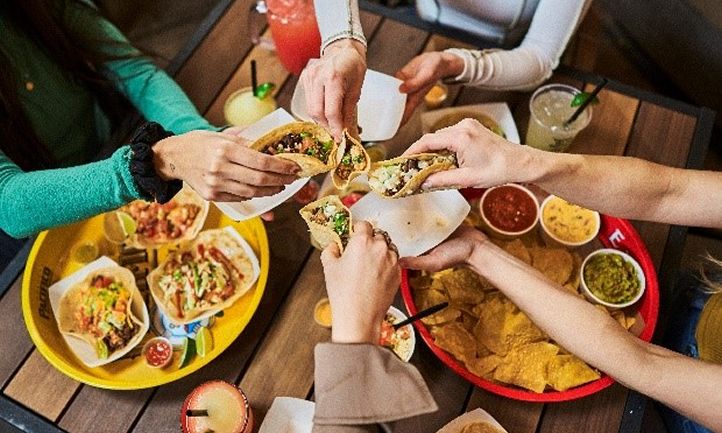
As Rusty Taco moves into 2027, the partnership with Force4Good positions the brand to navigate the challenges of a competitive fast-casual market by doubling down on its most significant asset: its community connections. While the menu—featuring signature tacos, burritos, and handcrafted margaritas—will continue to draw customers in for breakfast, lunch, and dinner, the underlying operational strategy is evolving to ensure those customers feel a personal stake in the restaurant’s success.
The integration of the Force4Good platform represents a professionalization of the "neighborhood taco stand" concept. By blending the tradition of local hospitality with modern, data-driven technology, Rusty Taco is setting a precedent for how mid-sized restaurant chains can effectively manage their role as corporate citizens. As the program expands, the success of these 18 initial locations will serve as the blueprint for a brand that is increasingly committed to the idea that the best way to grow a business is to help its community thrive in tandem.
For the neighborhoods involved, this means more than just access to funding; it means a more reliable, consistent, and engaged partner in their local restaurant, one that is equipped to turn the simple act of sharing a meal into a catalyst for positive local impact.