The Mediterranean Cottage Cheese Bowl Redefines High-Protein Convenience for Modern Dieters

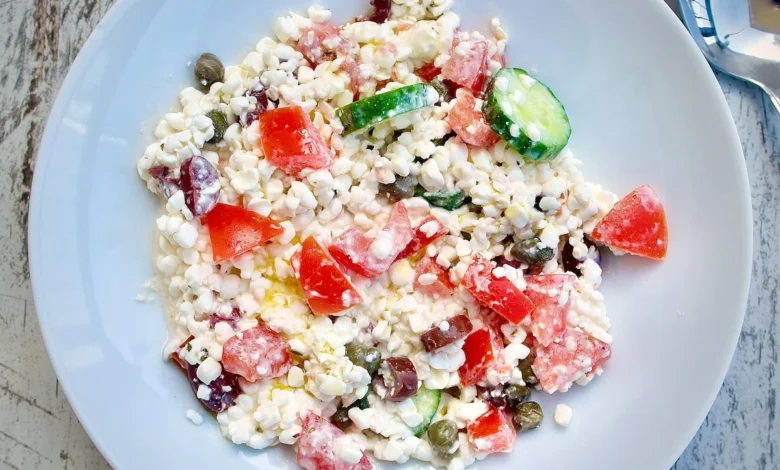
The intersection of modern nutritional trends and traditional dietary patterns has given rise to a novel culinary creation: the Mediterranean Cottage Cheese Bowl. Developed by registered dietitian and nutrition expert Elena Paravantes, this no-cook, five-minute meal represents a contemporary shift in how everyday consumers approach quick, nutrient-dense eating. Combining the protein density of a dairy staple from the mid-20th century with the vibrant, heart-healthy flavor profile of the Mediterranean region, the dish has captured the attention of health-conscious consumers looking for efficient ways to meet daily nutritional goals without sacrificing flavor or spending hours in the kitchen.
Historical Context and the Evolution of Cottage Cheese
To understand the current popularity of the Mediterranean Cottage Cheese Bowl, one must examine the fluctuating reputation of its primary ingredient. Cottage cheese enjoyed a massive surge in popularity throughout the United States during the 1970s and 1980s, largely pigeonholed as a bland, austere diet food favored by dieters trying to restrict calories. Often consumed straight from the tub with a slice of canned pineapple or a sprinkling of black pepper, it became synonymous with post-war diet culture.
However, as dietary science evolved away from low-fat fads toward a more nuanced understanding of whole foods, protein adequacy, and metabolic health, the culinary perception of cottage cheese underwent a profound transformation. The recent high-protein movement across social media platforms and fitness communities catalyzed a renaissance for the curd-based cheese. Consumers rediscovered its exceptional protein-to-calorie ratio, versatility, and neutral base flavor, which lends itself equally well to sweet and savory applications. By stripping away its outdated stigma and pairing it with robust global flavors, nutritionists and culinary creators have successfully reintroduced cottage cheese to a younger, wellness-oriented demographic.
Nutritional Profile and Dietary Analysis
From a clinical perspective, the Mediterranean Cottage Cheese Bowl offers a compelling balance of macronutrients and micronutrients, designed to promote satiety, sustained energy, and long-term metabolic health. According to nutritional data provided by Paravantes, a standard single-serving bowl clocks in at approximately 310 calories while delivering an impressive 25 grams of protein.
The primary driver of this protein content is roughly 200 grams of cottage cheese, which also serves as a robust source of essential micronutrients including calcium and vitamin B12. Calcium is critical for maintaining bone mineral density and structural integrity, whereas vitamin B12 plays an indispensable role in neurological function, red blood cell formation, and cellular energy metabolism.

To elevate the nutritional scope beyond simple protein delivery, the bowl incorporates classic elements of the Mediterranean diet. Crisp cucumbers and juicy tomatoes contribute dietary fiber, hydration, and essential vitamins alongside a spectrum of antioxidants, such as lycopene. Furthermore, the inclusion of Kalamata olives and a generous drizzle of extra-virgin olive oil introduces high concentrations of monounsaturated fatty acids. Nutritional science consistently links these healthy fats to improved cardiovascular markers, reduced systemic inflammation, and enhanced absorption of fat-soluble vitamins. The addition of crumbled feta cheese and capers provides a controlled burst of sodium and tangy flavor, rounding out the profile without overwhelming the dish with excess empty calories.
Preparation and Culinary Versatility
Designed for maximum efficiency, the Mediterranean Cottage Cheese Bowl requires zero cooking and can be assembled in five minutes or less. The preparation process relies on layering textures and flavors over a smooth, creamy dairy base.
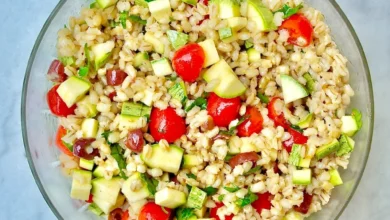
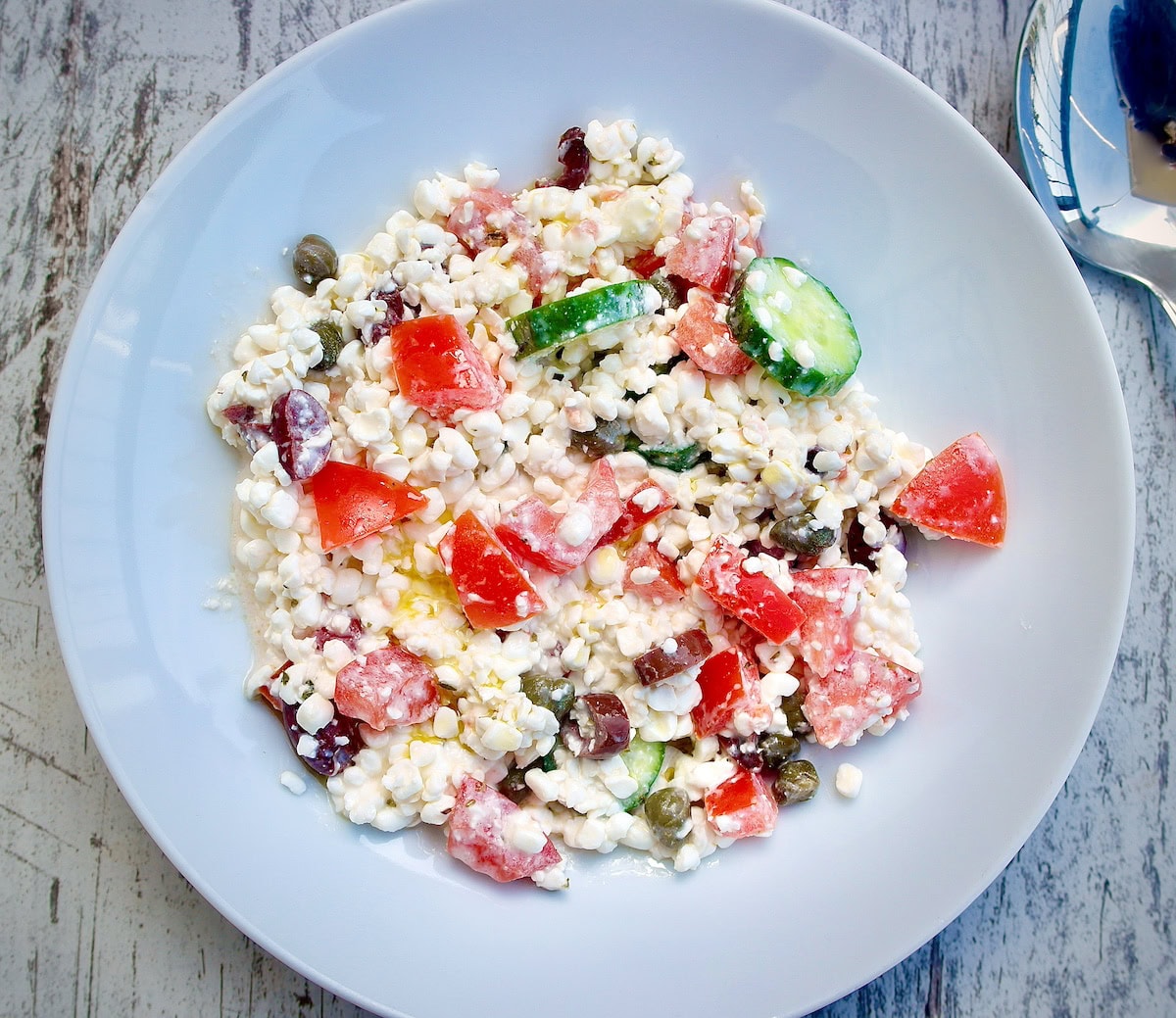
The culinary construction begins with a foundation of fresh cottage cheese placed in a shallow bowl. Cooks then arrange chopped crisp cucumbers and juicy tomatoes atop the cheese, creating a vibrant visual and textural contrast between the cool, soft dairy and the crisp, refreshing produce. Briny Kalamata olives and capers are interspersed to provide sharp, savory flavor notes, while a moderate sprinkling of crumbled feta cheese adds a salty, tangy finish. The dish is unified by a final drizzle of high-quality extra-virgin olive oil, which ties the components together and enhances the overall mouthfeel.
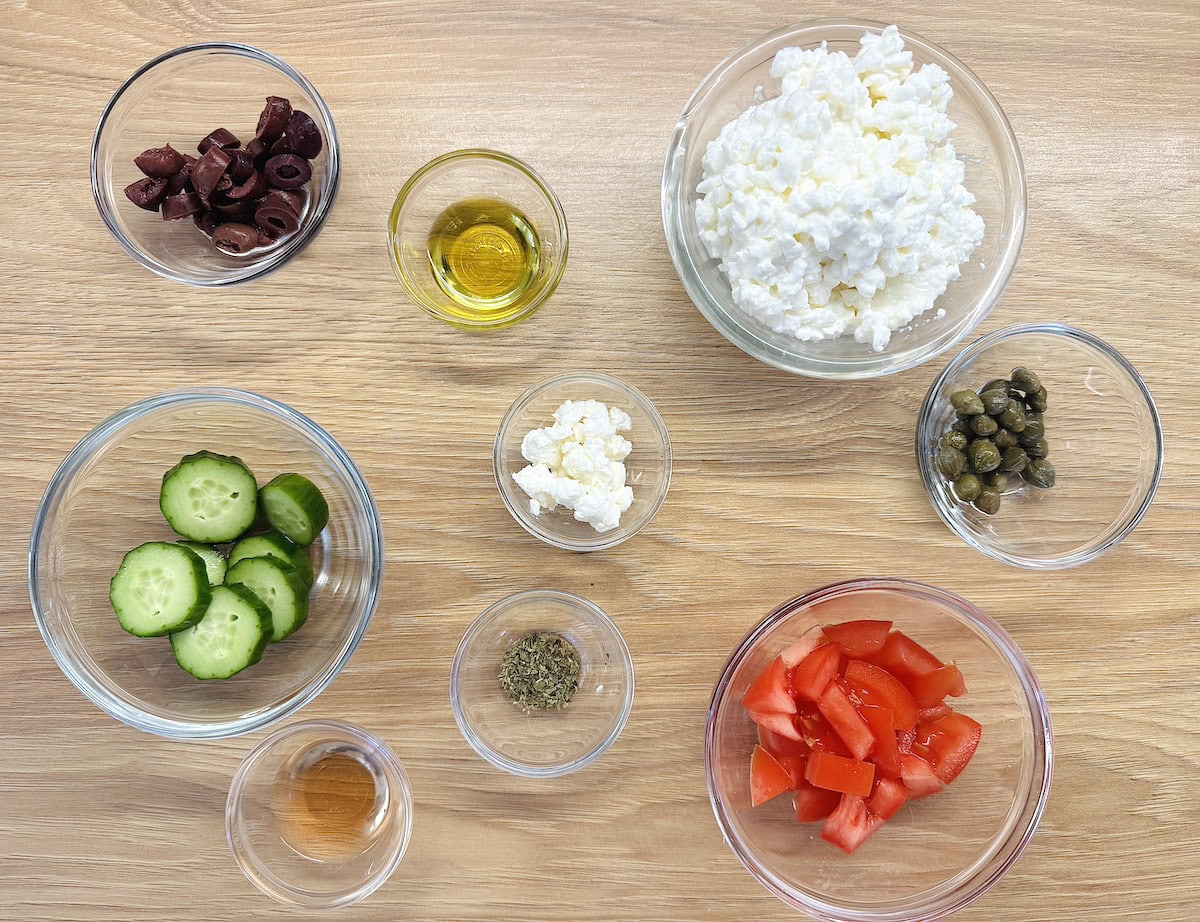
For individuals seeking customization or specific micronutrient boosts, the formulation remains highly adaptable. Alternative toppings can include chopped fresh herbs such as dill, parsley, or oregano, toasted pine seeds or slivered almonds for added crunch, a dusting of sumac or za’atar for earthy depth, or roasted red peppers. This flexibility allows consumers to tailor the meal to individual caloric needs or pantry availability while maintaining the core Mediterranean flavor architecture.
Expert Insights and Professional Consensus
Elena Paravantes, MS, RDN, an internationally recognized authority on the Greek Mediterranean Diet with two decades of clinical and consulting experience across the United States and Greece, emphasizes that while cottage cheese is not historically native to the Mediterranean basin, it seamlessly aligns with the underlying philosophy of the diet.
"Cottage cheese is not a traditional Mediterranean cheese, but it can fit within a Mediterranean-style diet because of its natural production methods," Paravantes explains, noting that authentic versions rely strictly on milk and active cultures without unnecessary chemical additives or artificial stabilizers. "When combined with Mediterranean staples like extra-virgin olive oil, tomatoes, olives, and herbs, it transforms into a balanced, satisfying meal that honors the principles of whole-food nutrition."

Dietitians and nutrition researchers increasingly advocate for meals that balance high protein density with fiber and healthy fats, noting that such combinations trigger the release of satiety hormones like peptide YY and cholecystokinin, thereby reducing snacking and stabilizing blood glucose levels throughout the afternoon.
Broader Implications for Contemporary Diets
The emergence of recipes like the Mediterranean Cottage Cheese Bowl highlights a broader trend in contemporary nutrition: the democratization of healthy eating through fusion and ingredient repurposing. As consumers grow fatigued by restrictive, complicated meal plans that demand extensive preparation times, simple, nutrient-dense formats that bridge traditional dietary wisdom with modern convenience are gaining traction.
By bridging the gap between historical diet culture tropes and modern macro-tracking paradigms, this five-minute dish demonstrates that healthy eating does not require complex culinary techniques or expensive specialty ingredients. As the high-protein trend continues to shape consumer purchasing and home cooking habits, innovations that elevate affordable kitchen staples into vibrant, culturally inspired meals are likely to remain a cornerstone of modern nutritional guidance.