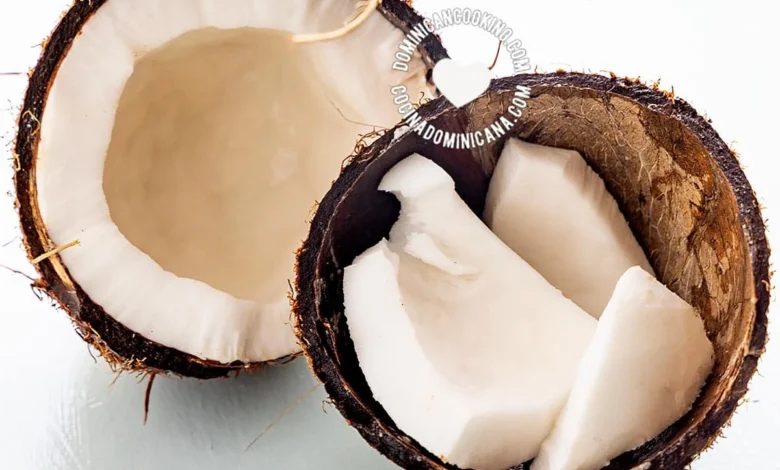
The humble coconut, scientifically known as Cocos nucifera, has sustained human populations across tropical and subtropical regions for millennia. Beyond its cultural significance in traditional cuisines throughout the Caribbean, Latin America, Southeast Asia, and the Pacific Islands, the fruit has experienced a significant surge in global demand over the past two decades. Driven by the rising popularity of plant-based diets, coconut water as an isotonic beverage, and coconut oil for culinary and cosmetic applications, the global coconut market has expanded exponentially. According to recent agricultural and market data, millions of metric tons of coconuts are harvested annually to meet international commercial needs. Yet, despite its widespread availability in modern supermarkets, the mature brown coconut remains an intimidating culinary obstacle for the average home cook. Encased in a dense, fibrous husk—though typically sold bare—and protected by a rock-hard woody endosperm shell, gaining access to the nutrient-dense water and rich white meat inside requires a precise blend of physics, safety precautions, and mechanical leverage. Culinary expert Clara Gonzalez has outlined a systematic, accessible methodology to demystify this process, transforming a hazardous kitchen chore into a manageable culinary routine.
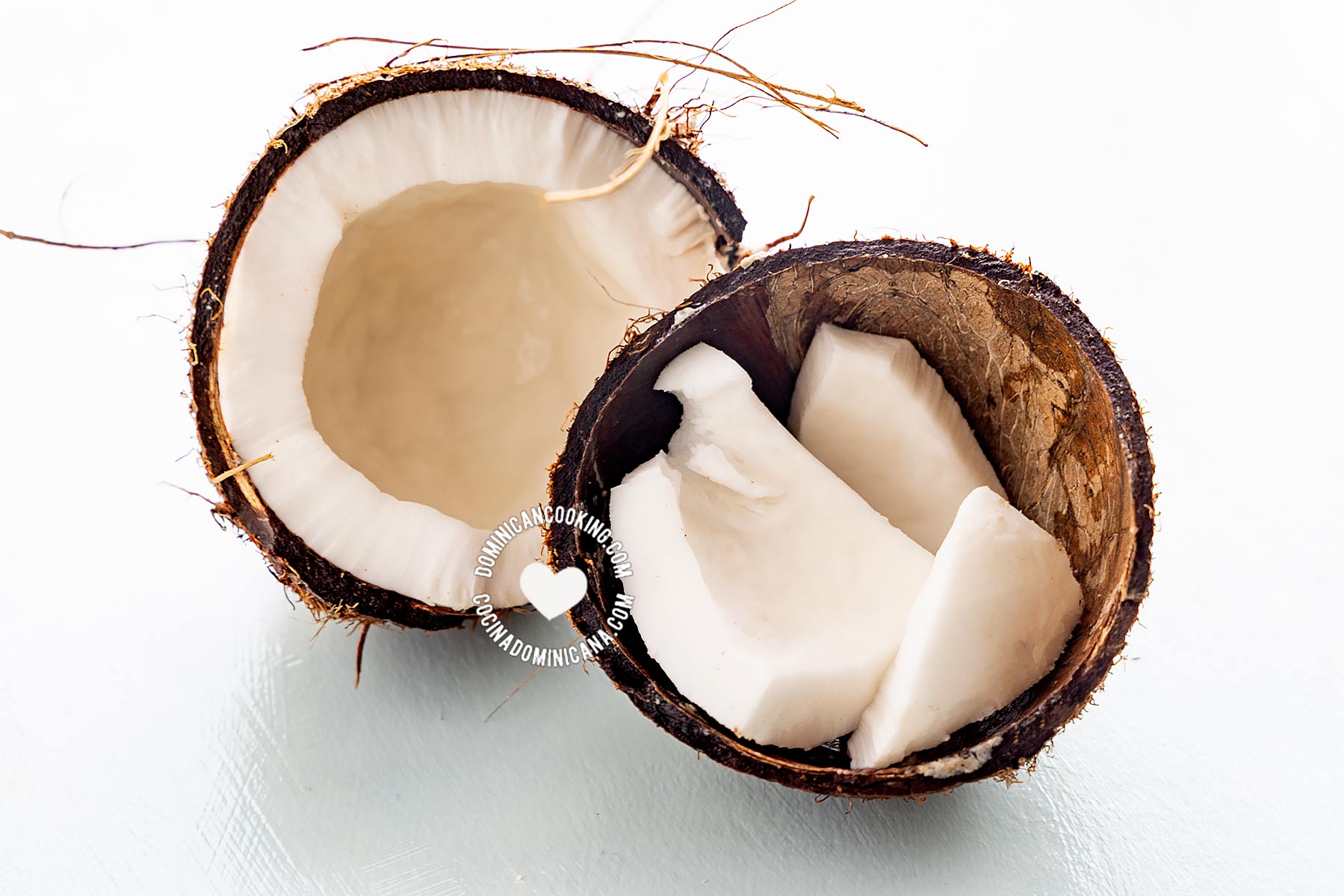
The traditional challenges of breaking open a mature coconut stem from its botanical architecture. Unlike young green coconuts, which are harvested prematurely primarily for their abundant water and soft, gelatinous jelly, mature brown coconuts are valued for their high oil content and firm, dense meat. This maturity brings a formidable defense mechanism: a lignified endocarp shell designed by nature to protect the seed during long ocean voyages and environmental trauma. Historically, home cooks relied on brute force, improvised machetes, or dangerous countertop strikes that frequently resulted in kitchen accidents, ruined ceramic tile, or wasted coconut water. Recognizing the need for a standardized, safe protocol, modern culinary education has shifted toward controlled kinetic impact and strategic structural exploitation.
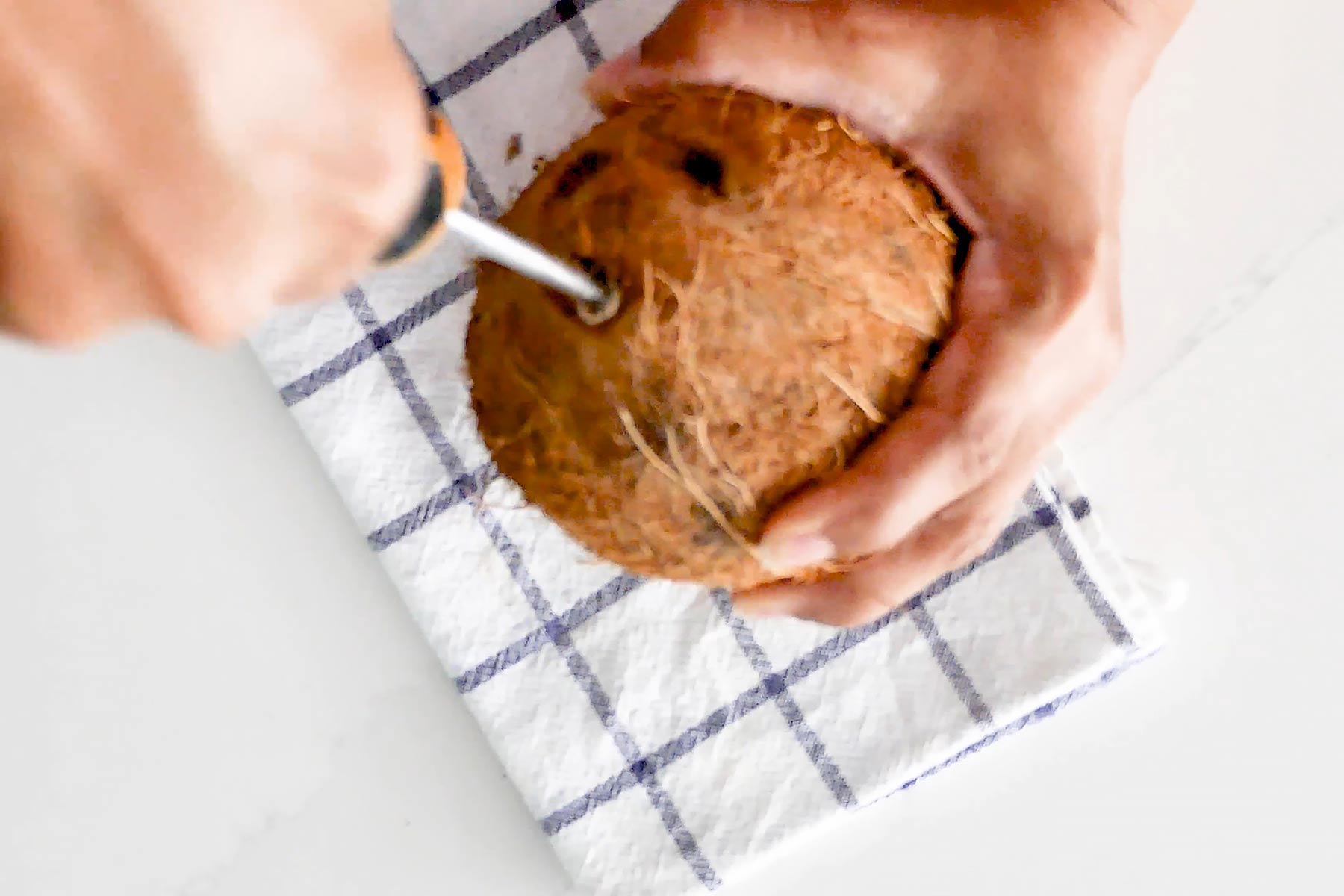
The step-by-step methodology formalized by Gonzalez relies on identifying the fruit’s inherent biological weaknesses. A mature coconut features three distinct indentations on one end, commonly referred to as the "eyes." These circles represent the softest points of the shell, where the germinating shoot will eventually emerge. By utilizing a clean, flat-head screwdriver, a home cook can puncture the most vulnerable of these eyes—which is typically covered only by a thin layer of exterior meat—without requiring excessive force. Once pierced, the screwdriver can be manipulated to clear away obstructing flesh, creating an aperture large enough to drain the internal fluid.
Following perforation, the extraction of the coconut water constitutes the second critical phase. Rather than letting the nutrient-rich liquid spill onto the countertop or contaminate the exterior husk debris, the inverted coconut is placed securely over a glass or vessel. Gentle agitation or shaking accelerates the drainage process, ensuring that the naturally sterile, electrolyte-laden water is fully salvaged for drinking or cooking applications before the structural integrity of the shell is compromised.
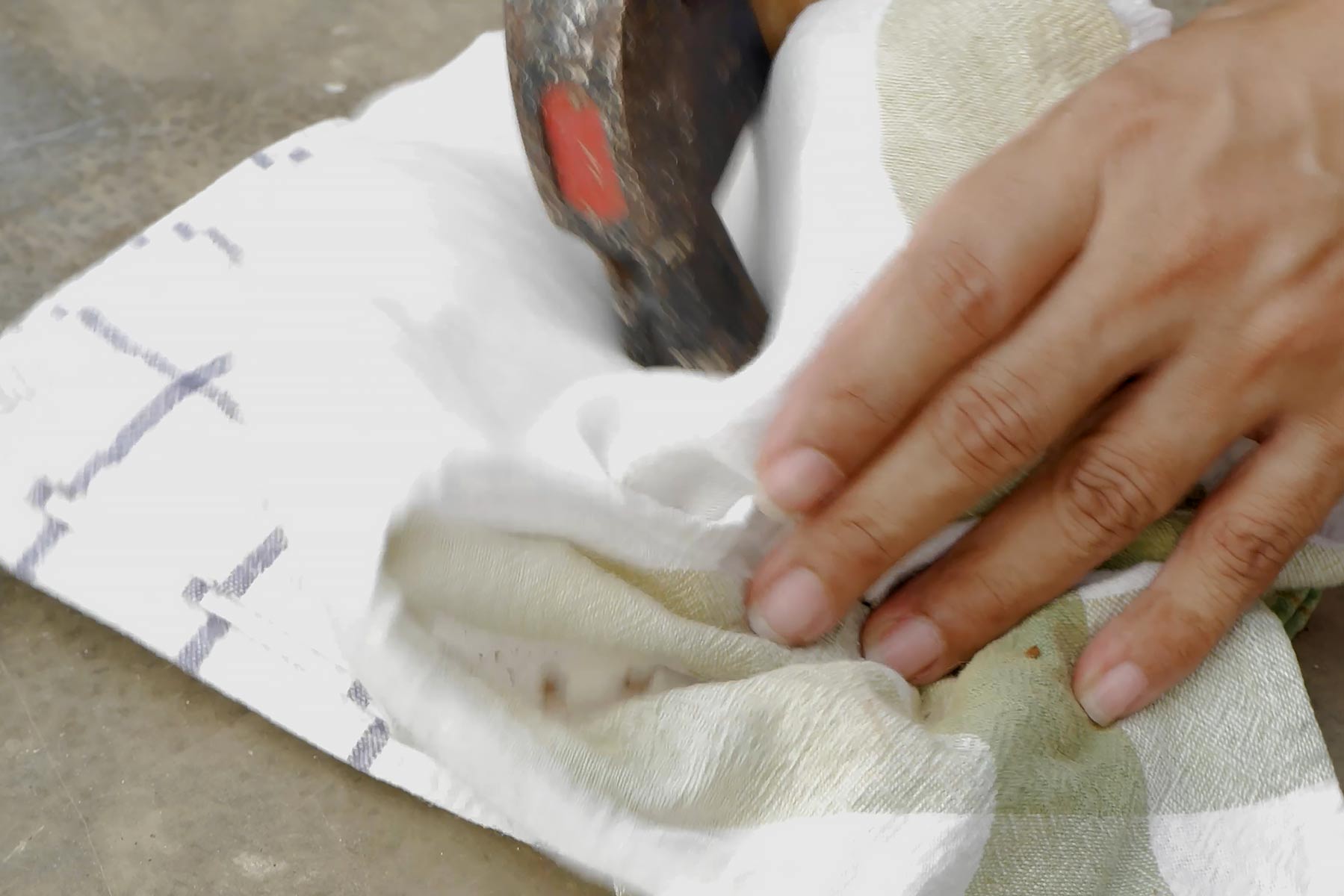
The most physically demanding phase of the process involves fracturing the woody endocarp. Culinary safety standards dictate that this operation should never be performed on delicate interior surfaces like granite countertops, ceramic tile, or hardwood flooring, which can fracture under the concentrated impact of a hammer. Instead, professional kitchens and experienced home cooks recommend utilizing a stable concrete floor padded with folded, heavy-duty textiles such as old cotton tea towels. The coconut itself must be wrapped entirely in a sacrificial cloth to contain flying shell fragments and minimize safety hazards.

Executing the fracture requires striking the coconut precisely along its equator—the geometric circumference perpendicular to the face bearing the eyes. By delivering measured blows with a household hammer while rotating the sphere along the same axis, the natural fault lines of the shell give way, splitting the fruit cleanly into two hemispheres. Subsequent strikes near the newly formed edges allow the cook to break these halves down into smaller, manageable wedges.
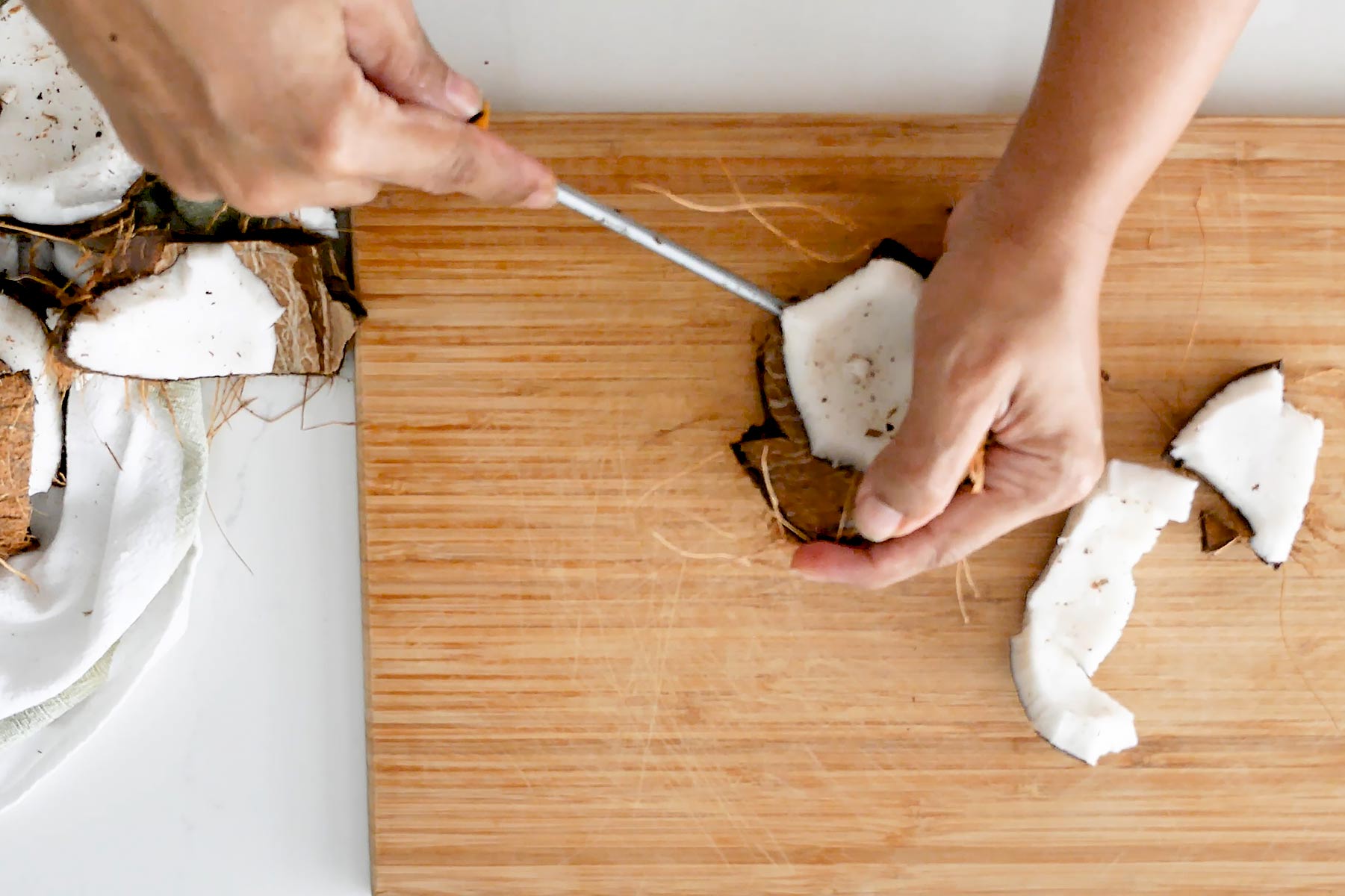
Once the shell is fragmented, separating the white coconut meat from the woody endocarp requires mechanical leverage rather than cutting force. Jamming a flat-head screwdriver between the rigid shell and the meat allows the cook to pry the flesh away incrementally. Safety guidelines emphasize extreme caution during this step, as the edges of the broken shell can be razor-sharp, and a slipping tool can cause soft-tissue hand injuries.
To prepare the harvested meat for culinary utilization or preservation, standard food preparation protocols require refinement steps. The thin, astringent brown skin adhering to the exterior of the white meat—known scientifically as the testa—is routinely removed using a standard kitchen potato peeler. While edible, this brown rind imparts a bitter flavor profile and a coarse texture that can compromise the silky consistency of homemade coconut milk, grated flakes, or purées. Following peeling, the clean white pieces must undergo a thorough rinse under cold running water to eliminate any residual shell dust, wood fibers, or airborne particulate matter accumulated during the cracking process.
Long-term preservation of fresh coconut meat requires strict adherence to food safety standards to prevent lipid rancidity and microbial spoilage. Due to its exceptionally high oil and moisture content, fresh coconut meat spoils rapidly at room temperature. After air-drying the rinsed pieces on a clean kitchen towel, immediate refrigeration can preserve the fresh flavor profile for a period of two to three days when tightly sealed in plastic film or an airtight container. For extended storage, commercial and domestic culinary experts recommend freezing the pieces. When vacuum-sealed or stored in freezer-safe containers, fresh coconut meat can maintain its structural and flavor integrity for up to one month, though culinary purists maintain that fresh processing yields superior results in traditional recipes.
The broader implications of mastering domestic coconut processing extend far beyond individual kitchen convenience. From an economic and nutritional standpoint, the ability to process whole, mature coconuts empowers consumers to bypass heavily processed commercial alternatives laden with added sugars, stabilizers, and preservatives. As global interest in authentic ethnic cuisines—particularly Caribbean, Afro-Latino, and Southeast Asian gastronomy—continues to rise in mainstream culinary culture, foundational techniques like those detailed by Gonzalez bridge the gap between traditional heritage cooking and modern domestic efficiency. By replacing hazardous improvisation with structured, science-based kitchen techniques, home cooks can safely integrate one of nature’s most resilient superfoods into their daily culinary repertoires.