The Historical and Cultural Context of Chop Suey
The origins of chop suey are widely debated, but it is fundamentally recognized as a product of the Chinese diaspora in the United States during the late 19th century. Historically, the dish was characterized by its improvisational nature, utilizing whatever ingredients were available in the kitchen, typically meat, bean sprouts, and various vegetables bound together by a thickened, savory starch-based sauce.

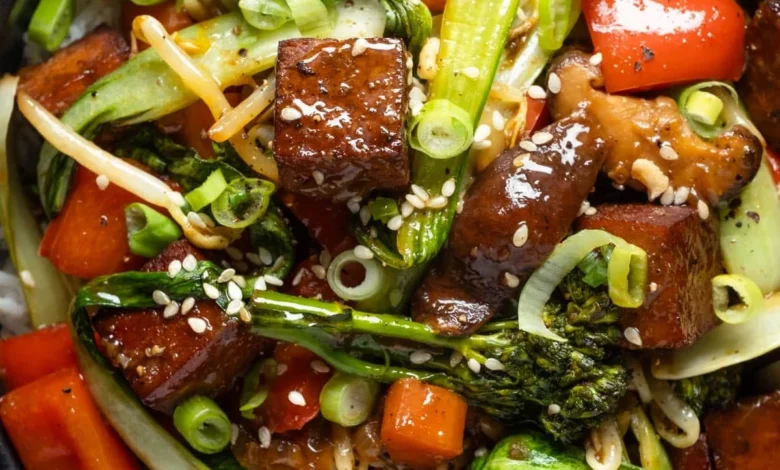
In the contemporary landscape, the "veganization" of this dish serves as a significant intersection between traditional stir-fry techniques and modern ethical consumption. By replacing conventional proteins with tofu—a soybean derivative that has been a staple of Asian cuisine for centuries—this recipe preserves the structural integrity and cultural essence of the dish while lowering the carbon footprint associated with livestock production.

Nutritional Profile and Dietary Implications
Modern dietary analysis of plant-based stir-fry recipes underscores the health benefits of such meals. A standard serving of this vegan chop suey contains approximately 305 calories, 12 grams of protein, and 5 grams of fiber. The inclusion of tofu provides a complete amino acid profile, making it a viable protein alternative for those adhering to vegetarian or vegan diets.

From a health perspective, the reliance on a variety of crisp, fresh vegetables—often including bell peppers, snap peas, carrots, and onions—ensures a high intake of micronutrients such as Vitamin C, Vitamin A, and potassium. Furthermore, the use of sesame oil, ginger, and garlic not only enhances the flavor profile but also introduces anti-inflammatory compounds into the daily diet. The lower sodium content, when prepared at home, offers a distinct advantage over commercial takeout versions of the dish, which are frequently criticized by public health officials for excessive salt and refined oil content.

Culinary Methodology: The Science of the Stir-Fry
The technical execution of vegan chop suey relies on the "mise en place" method, a culinary practice of preparation that is essential for high-heat cooking. Because stir-frying occurs at high temperatures over short durations, the success of the dish depends on the timing of ingredient introduction.

- The Marination Process: The tofu must be pressed to remove excess moisture, allowing it to absorb the soy-based marinade. This chemical interaction between the tofu and the amino-rich sauce is critical to developing the "savory" or umami depth that is otherwise difficult to achieve in plant-based cooking.
- Thermal Management: The cooking process involves flash-frying the tofu until it reaches a golden, firm texture, followed by the sequential cooking of vegetables. Harder vegetables like carrots are introduced first, while leafy or softer greens are added toward the end to maintain a crisp, vibrant texture.
- Emulsification: The final step, the integration of the sauce, creates a glossy, cohesive coating. This is typically achieved through a starch-based thickener, which allows the sauce to cling to the ingredients rather than pooling at the bottom of the vessel.
Broader Impact: The Shift Toward Home-Based Sustainable Cooking
The rise of recipes like vegan chop suey is not merely a trend; it reflects a broader shift in consumer behavior driven by environmental awareness and economic factors. With rising food costs, home-prepared meals that prioritize shelf-stable, versatile ingredients—such as tofu, rice, and fresh produce—are becoming increasingly attractive to the average household.

Industry analysts note that "clean-out-the-fridge" recipes, which encourage the use of leftover produce, play a significant role in reducing household food waste. Food waste is a major contributor to global greenhouse gas emissions; therefore, adopting a flexible, ingredient-agnostic approach to stir-frying acts as a micro-level solution to a global waste crisis.

Market Trends and Future Projections
Market research into the plant-based sector indicates that consumers are increasingly seeking "center-of-the-plate" plant-based options that do not rely on highly processed meat alternatives. There is a growing demand for "whole-food" plant-based cooking, where tofu, tempeh, and legumes are treated as the primary protein.

Experts in the field of culinary arts suggest that the simplicity of recipes like this one facilitates a wider adoption of plant-based diets among omnivores. By demystifying the preparation of tofu and emphasizing the speed of preparation—often under 30 minutes—the recipe removes the barriers of time and skill, which are often cited as the primary reasons consumers avoid cooking from scratch.

Preparation and Storage: Logistical Considerations
For those integrating this dish into a weekly meal-prep routine, the logistical feasibility is high. The recipe is stable for up to four days when refrigerated in an airtight container, and the use of tofu ensures that the protein does not become overly tough upon reheating, a common issue with lean animal proteins like chicken breast.

Freezing is also a viable option, though practitioners should note that the texture of tofu can become slightly more porous after freezing and thawing, which some find actually improves the sauce-absorption capacity of the protein.

Conclusion
The evolution of the traditional chop suey into a vegan-friendly, nutrient-conscious meal represents a successful bridge between culinary heritage and modern health standards. Through the application of sound cooking techniques and the strategic use of plant-based proteins, home cooks can achieve a meal that is environmentally responsible, economically efficient, and nutritionally balanced. As the culinary world continues to navigate the complexities of sustainable dining, such recipes serve as a practical and accessible entry point for those looking to diversify their dietary intake without compromising on flavor or cultural appreciation.