Debunking the Myth: Why White Rice Does Not Have to Be the Enemy of Weight Loss

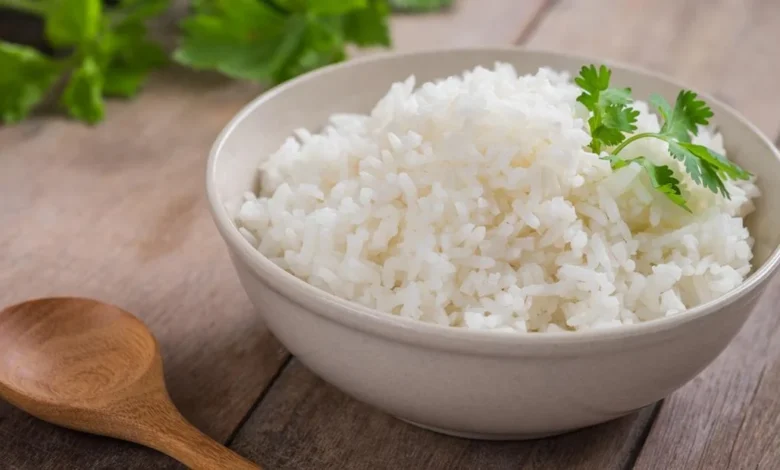
The common perception that white rice is a dietary adversary during weight loss journeys has long permeated nutritional advice and popular diet culture. Often blamed for rapid weight gain and the development of abdominal adiposity, white rice is frequently the first item removed from plates by those seeking to slim down. However, clinical nutritional experts are now challenging this narrative, suggesting that the problem lies not in the consumption of rice itself, but in the mismanagement of portion control and the misunderstanding of caloric balance.
Clinical Perspectives on Carbohydrate Consumption
During a recent health consultation broadcast, Dr. Igus Ulfa Yaze, a clinical nutrition specialist, addressed the prevailing anxieties surrounding carbohydrate intake. Contrary to the restrictive practices often popularized on social media, Dr. Yaze emphasized that individuals undergoing weight management programs do not need to eliminate rice entirely from their diets.
"Nasi itu nggak perlu dimusuhin, nggak apa-apa makan aja," (Rice does not need to be treated as an enemy; it is perfectly acceptable to consume it), stated Dr. Yaze. She noted that for many, rice serves as a fundamental component of breakfast and daily meals, and provided it is consumed in appropriate portions, it poses no inherent threat to weight loss objectives. The clinical consensus is shifting toward a more nuanced view: weight gain is a product of total caloric surplus over time, rather than the consumption of a single carbohydrate source.
The Nuance of Grain Selection and Preparation
While the inclusion of rice is permissible, Dr. Yaze highlighted the necessity of distinguishing between various types of rice and how they are prepared. There is a significant difference between a plain serving of white, red, or porang rice, and processed varieties such as nasi uduk (coconut milk rice) or nasi kuning (turmeric rice).
The caloric density of rice changes drastically when additives are involved. Traditional preparations like nasi uduk often incorporate coconut milk, which significantly increases the saturated fat and caloric content of the meal. Conversely, plain steamed white rice, while having a higher glycemic index than brown or red rice, remains a neutral energy source. If an individual prefers the taste or texture of white rice, medical professionals suggest that it can still be part of a healthy diet, provided the total caloric intake is monitored.
The Role of Caloric Deficit and Portion Precision
The core of effective weight management remains the principle of caloric deficit—burning more calories than one consumes. Dr. Yaze clarified that white rice is not biologically "evil" or inherently fattening; rather, it is the lack of precision in measuring portions that leads to weight gain.
In a clinical setting, nutritionists calculate a patient’s Total Daily Energy Expenditure (TDEE). Once the TDEE is established, the patient’s caloric intake is adjusted to create a deficit. If a patient chooses to include rice, the number of spoonfuls per meal must be calculated to fit within that specific daily allowance. This data-driven approach removes the guesswork from dieting and allows for greater flexibility, which can increase long-term adherence to a weight loss program.
Historical Context and the Carbohydrate Controversy
The vilification of white rice has historical roots in the rise of low-carbohydrate diets, such as the Atkins diet and the subsequent ketogenic craze. These diets fundamentally altered the public’s relationship with macronutrients, positioning carbohydrates as the primary driver of insulin spikes and fat storage.
For decades, public health messaging in many Southeast Asian countries, where rice is a staple, has struggled to balance cultural dietary habits with rising obesity rates. Because white rice is the primary source of calories for billions of people, it has become an easy target for health campaigns. However, epidemiological studies suggest that obesity is rising even in populations that have reduced their rice intake, pointing to the increase in ultra-processed foods, sedentary lifestyles, and sugary beverages as more significant contributors to the current global obesity epidemic.
Supporting Data: Glycemic Index vs. Glycemic Load
While it is common to discuss the Glycemic Index (GI) of rice—which measures how quickly a food raises blood glucose levels—nutritionists are increasingly focusing on the Glycemic Load (GL). The GL accounts for both the quality and the quantity of the carbohydrate.
- White Rice (High GI): Rapidly digested and absorbed.
- Brown/Red Rice (Lower GI): Contains more fiber, slowing digestion.
However, clinical research indicates that if a serving of white rice is consumed alongside fiber-rich vegetables, lean proteins, and healthy fats, the overall GL of the meal is lowered. This "food pairing" strategy is one of the most effective ways for individuals to continue eating their preferred staple grain without experiencing the blood sugar spikes that lead to hunger and overeating later in the day.
Official Guidelines and Public Health Implications
Public health authorities are gradually moving toward a more holistic view of nutrition. The focus is shifting from "food labeling" (identifying foods as "good" or "bad") to "nutritional literacy." The implication for the average person is significant: the stress associated with strict food avoidance often leads to "yo-yo dieting," where individuals oscillate between extreme restriction and binge eating.
By normalizing the consumption of staples like rice, nutritionists hope to promote sustainable habits. A diet that is flexible is inherently more sustainable than one that requires the total elimination of culturally significant foods. For instance, in Indonesia, where rice is not just a food but a cultural cornerstone, advising complete abstinence can lead to high rates of diet abandonment.
The Future of Nutritional Education
To further bridge the gap between clinical advice and public understanding, professionals are leveraging digital platforms to reach a wider audience. The upcoming live educational sessions, such as those hosted by experts like Dr. Yaze, serve as a critical bridge. By providing a forum for Q&A, these platforms help debunk myths in real-time, allowing the public to understand that weight loss is an individualized process.
The success of these initiatives relies on shifting the narrative from "what to avoid" to "how to balance." As the dialogue matures, it is expected that the demonization of specific food groups will continue to decline in favor of a more scientific, balance-oriented approach to health.
Broader Implications: Sustainability in Weight Loss
The implications of this shift are profound for both the healthcare system and the individual. If individuals stop fearing basic food staples, they are less likely to fall victim to expensive, unverified "detox" products or restrictive fad diets that promise rapid, unsustainable results.
Furthermore, from a public health perspective, emphasizing portion control over total elimination allows for a more equitable approach to nutrition. It recognizes that socioeconomic factors often dictate food access. For many, white rice is the most affordable and accessible energy source. Telling these populations to replace rice with more expensive alternatives (such as quinoa or specialized low-GI grains) is often impractical. Providing guidance on how to portion white rice while incorporating vegetables and proteins is a more viable public health strategy for addressing malnutrition and obesity simultaneously.
Conclusion
The evidence remains clear: white rice is not a dietary villain. It is a calorie-dense food that requires mindful consumption. When integrated into a balanced diet that prioritizes caloric awareness, fiber intake, and protein consumption, it can be a part of a successful weight loss journey. As nutritional science continues to evolve, the emphasis on flexibility and informed choice will remain the most potent tools for those seeking to improve their long-term health. The goal of any weight loss program should not be the erasure of food from one’s life, but the development of a healthy, sustainable, and informed relationship with what we eat.