Viral Trends and the Hidden Dangers of Excessive Sugar Consumption in Modern Culinary Culture

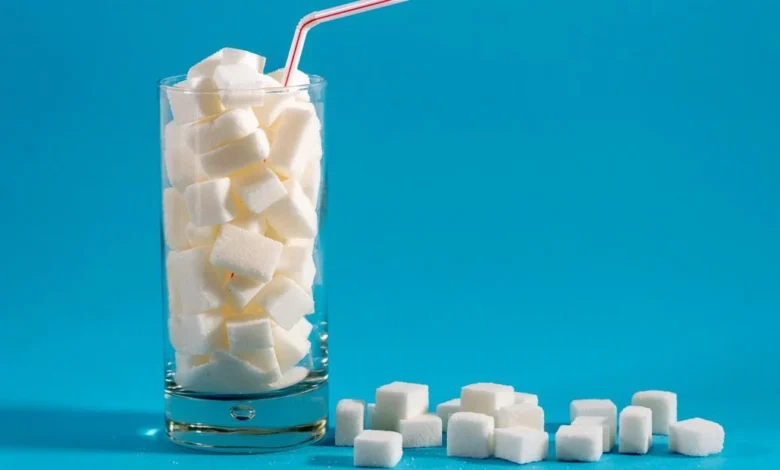
The rapid proliferation of social media platforms has transformed the global culinary landscape, often prioritizing visual appeal and extreme flavor profiles over nutritional value. Recently, a disturbing trend originating in Malaysia has gained traction across digital platforms, featuring a beverage colloquially dubbed "ice potong kaki"—a term that carries a grim, literal connotation of the medical consequences associated with its consumption. The viral video depicts the assembly of a drink that defies all dietary guidelines: five generous scoops of chocolate milk powder, five tablespoons of granulated sugar, and a staggering half-can of sweetened condensed milk, all poured over ice. While these videos are often shared for their shock value or comedic effect, health experts are increasingly concerned that such content normalizes dangerous consumption habits, particularly among younger demographics who are most susceptible to social media trends.
The Anatomy of a Viral Beverage and Global Sugar Consumption
The ingredients utilized in the "ice potong kaki" beverage represent a concentrated dose of refined carbohydrates and processed sugars. To understand the severity of this trend, one must look at the baseline recommendations set by international health organizations. The World Health Organization (WHO) and various national health ministries, including the Indonesian Ministry of Health, have long advocated for a strict limit on free sugar intake. The recommended threshold is generally no more than 50 grams—or approximately four tablespoons—of added sugar per day.
When a single serving of a beverage contains the caloric and glycemic equivalent of a month’s worth of sugar, the physiological impact is immediate and severe. The metabolic burden placed on the pancreas and the liver during the processing of such a massive glucose load is significant. In recent years, the rise of "extreme" street food has been fueled by the algorithmic success of short-form video platforms like Instagram, TikTok, and YouTube Shorts. Content creators often compete for engagement by escalating the intensity of their recipes, leading to a "race to the bottom" where nutritional common sense is sacrificed for viral reach.
Chronology of a Public Health Concern
The emergence of these high-sugar trends did not happen in a vacuum. Over the past decade, the "dessert-ification" of beverages has evolved from moderate indulgences to extreme concoctions.
- The Early Era of Specialty Coffee (2010–2015): The trend began with the popularization of high-calorie frappes and syrup-heavy coffee drinks, which normalized the consumption of 500+ calorie beverages.
- The Social Media Boom (2016–2020): The advent of highly visual platforms led to the "Instagrammable" food trend, where colors and excessive toppings became the primary marketing tools.
- The Rise of Extreme Gastronomy (2021–Present): With the popularity of mukbang and challenge videos, creators began testing the limits of what could be consumed, leading to the creation of "ice potong kaki" and similar beverages that push glucose levels to hazardous heights.
The recent viral video serves as a flashpoint in a broader debate about digital responsibility. While the beverage itself is an outlier, it represents a symptomatic shift in how the public perceives dietary health in the digital age.
Expert Medical Perspective: The Pathophysiology of Excess
Dr. Igus Ulfa Yaze, a clinical nutrition specialist, has issued a stern warning regarding the long-term health implications of participating in these culinary fads. The physiological consequences of habitual sugar overload are not merely limited to weight gain; they encompass a spectrum of metabolic disorders.
1. The Onset of Insulin Resistance
When the body is repeatedly flooded with high amounts of glucose, the cells begin to ignore the signals from insulin, a hormone responsible for moving sugar from the bloodstream into the cells. This state, known as insulin resistance, is the precursor to type 2 diabetes mellitus. The "ice potong kaki" moniker is not merely a metaphor; uncontrolled diabetes frequently leads to peripheral neuropathy, a condition where damaged nerves cause numbness in the extremities. Because patients may not feel minor cuts or abrasions on their feet, these wounds can quickly turn into ulcers. In cases where blood circulation is poor, these ulcers become gangrenous, often necessitating amputation to prevent systemic sepsis and death.
2. The Burden of Empty Calories
The combination of sweetened condensed milk and granulated sugar provides what nutritionists define as "empty calories." These are foods that provide energy in the form of sugar and fats but lack essential nutrients such as fiber, vitamins, and minerals. Consuming empty calories causes a rapid spike in blood glucose followed by an equally rapid crash. Over time, this cycle places an immense burden on the liver, which must convert the excess fructose into fat, potentially leading to non-alcoholic fatty liver disease (NAFLD) and systemic inflammation.
3. The Sugar Rush and Addiction Cycle
The phenomenon of "sugar rush" is characterized by a temporary surge in dopamine—the brain’s reward chemical—following the intake of high-sugar foods. This creates a psychological dependency, where the brain begins to crave increasingly higher doses of sugar to achieve the same feeling of pleasure. This addictive loop makes it progressively harder for individuals to return to a balanced, nutrient-dense diet, effectively "rewiring" the brain’s appetite regulation.
Implications for Public Health Policy and Digital Literacy
The viral nature of these drinks presents a challenge for public health authorities. Traditional health education methods, such as posters or brochures, are increasingly ineffective against the sheer volume of engaging digital content. There is a growing call for platforms to implement stricter content moderation or warning labels on videos that promote demonstrably harmful dietary practices.
Furthermore, the economic implications are profound. As the prevalence of diabetes and obesity rises, the burden on national healthcare systems—often funded by public taxes—increases exponentially. The cost of managing chronic conditions like dialysis for kidney failure or surgery for diabetic complications far outweighs the fleeting entertainment value of a viral video.
Moving Toward Nutritional Accountability
To combat the normalization of these extreme diets, health professionals are advocating for a multi-pronged approach:
- Increased Digital Literacy: Educating social media users, particularly younger demographics, to view viral content with a critical eye. Understanding that "viral" does not mean "safe" or "acceptable" is a vital skill in the 21st century.
- Regulatory Oversight: Encouraging social media platforms to partner with health organizations to provide context for high-sugar food challenges.
- Promotion of Whole Foods: Redirecting the culinary conversation toward sustainable, healthy, and accessible food choices that provide long-term energy without the metabolic crash associated with extreme sugar consumption.
Dr. Yaze’s closing remarks serve as a sobering reminder: "Do not let your curiosity become an investment in dialysis." The allure of a trending beverage is temporary, but the damage inflicted upon the body’s endocrine and circulatory systems can be permanent. As the digital landscape continues to evolve, the necessity for a balanced, informed approach to food has never been more critical. The public is urged to prioritize long-term vitality over the momentary gratification of a social media trend. By choosing to reduce sugar intake and questioning the content we consume, we protect our most valuable asset: our health. Ultimately, the responsibility lies with both the creators of content and the consumers to ensure that the pursuit of culinary innovation does not come at the cost of human life.