The health and wellness industry in Indonesia is currently grappling with a significant controversy surrounding the popular sweetener product Beeru Stevia. The brand, which had successfully positioned itself as a healthy, sugar-free alternative for health-conscious consumers, has come under intense public scrutiny following allegations that its product contains undisclosed artificial sweeteners, specifically sucralose and neotame. This revelation has triggered widespread concern among consumers who rely on such products to manage their blood sugar levels, weight, and overall dietary health.
The Origin of the Controversy: An Independent Investigation
The controversy erupted after an influencer conducted an independent laboratory analysis of Beeru Stevia. The findings of this investigation were disseminated publicly, alleging that the product contained substantial amounts of non-stevia sweeteners. According to the data released, the sample contained a carbohydrate concentration of 47.21 percent and an energy density of 188.84 kilocalories per 100 grams.
Perhaps more alarming to the consumer base was the reported presence of synthetic additives. The test results indicated a concentration of 101,297.89 mg/L of sucralose and 5,280.99 mg/L of neotame. These figures stand in stark contrast to the marketing narrative surrounding the product, which led many to believe they were consuming a natural, zero-calorie, plant-based sweetener derived from the stevia leaf. The discrepancy between the perceived product composition and the actual chemical analysis has prompted immediate questions regarding transparency, regulatory compliance, and consumer safety in the food industry.
Understanding Sucralose and Neotame
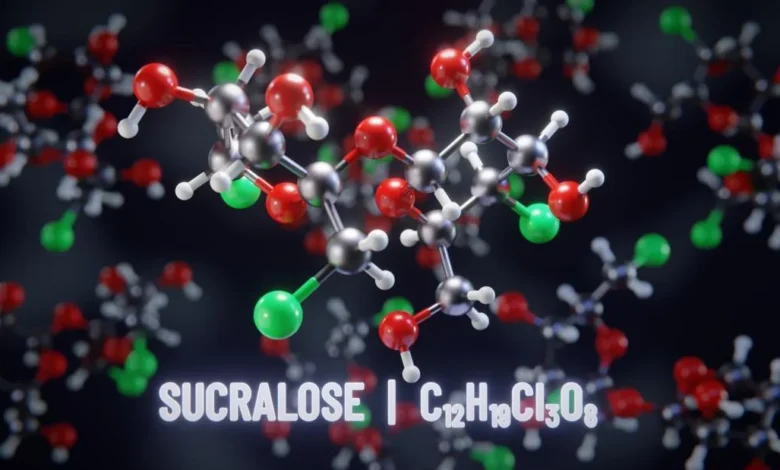
To address the growing public concern, it is essential to define the substances at the center of this debate. Both sucralose and neotame are high-intensity artificial sweeteners that have been approved by international food safety authorities, including the United States Food and Drug Administration (US FDA).
Sucralose is a chlorinated derivative of sucrose. It is approximately 600 times sweeter than table sugar. Because of its structural stability under heat, it is widely utilized in the manufacturing of baked goods, processed beverages, dairy-based desserts, and chewing gum. Its ability to maintain its sweetness profile during thermal processing makes it a favorite for food chemists looking to mimic the taste of sugar without the caloric load.
Neotame, on the other hand, is significantly more potent. It is synthesized to be 7,000 to 13,000 times sweeter than sucrose. Similar to sucralose, it is heat-stable, allowing it to be used in a wide variety of food applications. Both substances have undergone extensive toxicological reviews, with the FDA examining hundreds of studies regarding their effects on the human immune system, reproductive health, and neurological functions. These ingredients are legally permitted in various jurisdictions, including Indonesia, provided they adhere to specific concentration limits set by the National Agency of Drug and Food Control (BPOM).
Regulatory Response and Corporate Accountability
Following the viral spread of the laboratory test results, the Indonesian Food and Drug Authority (BPOM) has initiated an official investigation. BPOM’s role is to ensure that products sold to the public meet the standards of safety and that the information presented on labels accurately reflects the product’s contents.
In response to the mounting pressure and the ongoing regulatory investigation, the management of Beeru Stevia has taken the step of halting sales. This voluntary or mandated pause is intended to allow for a formal verification process. The company is currently tasked with proving that its product composition aligns with national safety regulations and, critically, that the labeling is in full compliance with transparency laws.
Expert Analysis: The Problem of "Invisible" Ingredients
The core of the consumer backlash is not necessarily the presence of these artificial sweeteners, but rather the failure to disclose them on the product label. Dr. Igus Ulfa Yaze, SpGK, a clinical nutrition specialist, emphasized that while the measured levels of sucralose and neotame might fall within legal safety margins, the ethical issue of transparency is paramount.
"The most regrettable aspect of this situation is the omission of these additives from the ingredient list," Dr. Yaze noted during a recent discussion. "Consumers deserve transparency. When a product is marketed as a health-conscious alternative, the omission of synthetic ingredients creates a breach of trust."
Dr. Yaze also provided insight into why manufacturers might choose to supplement stevia with artificial sweeteners. Pure stevia, while a potent sweetener, often leaves a bitter aftertaste that some consumers find unappealing. Food manufacturers frequently add small amounts of other sweeteners to "mask" this bitterness and create a more palatable, sugar-like flavor profile. While this is a common industry practice, it becomes problematic when it is done without informing the consumer.
The Broader Implications for Diet and Health
The Beeru Stevia incident serves as a broader lesson for those seeking to improve their diets through sugar reduction. Dr. Yaze highlighted a critical misconception: the belief that switching to a "zero-calorie" sweetener is a magic bullet for health or weight loss.
"Many people believe that relying solely on a sugar substitute is enough to guarantee health," Dr. Yaze explained. "However, weight control and metabolic health are systemic. If a person continues to consume an unhealthy diet, simply swapping out sugar for a substitute will not lead to significant health improvements. The focus should always be on a balanced, nutrient-dense diet and consistent physical activity."
This event underscores the importance of "label literacy." Consumers are increasingly being urged to look beyond the front-of-package marketing claims and examine the ingredient list on the back of the product. The term "natural" or "stevia" on the front does not preclude the existence of synthetic additives in the list of ingredients.
Chronology of the Event and Future Outlook
- Initial Discovery: An influencer conducts an independent laboratory test of the product, identifying high levels of non-labeled sweeteners.
- Public Outcry: The findings are shared on social media, leading to widespread confusion and distrust among the product’s user base.
- Regulatory Action: BPOM intervenes, initiating a formal review of the product’s composition and labeling practices.
- Corporate Response: The manufacturer pauses sales to conduct an internal audit and cooperate with regulatory bodies.
- Ongoing Investigation: The public awaits a final report from the authorities to determine if the product will be allowed to return to the market and what corrective actions, if any, will be required.
As this situation unfolds, it highlights the tightening scrutiny on the health food sector. In an era where consumers are more informed and have access to testing technology, brands can no longer rely on superficial marketing to maintain market share. The incident serves as a stark reminder that in the food industry, trust is built on transparency. Whether the product returns to shelves depends largely on the outcome of the BPOM investigation and the company’s ability to demonstrate that it can adhere to the strict labeling requirements that protect public health.
For the average consumer, this controversy should serve as a prompt to approach processed "healthy" products with a healthy dose of skepticism. While additives like sucralose and neotame are recognized as safe within regulated limits, the right of the consumer to know exactly what is in their food remains an non-negotiable standard. The resolution of this case will likely set a precedent for how similar disputes regarding transparency and ingredient labeling are handled in the Indonesian market in the future.