The rise of endurance sports such as marathons, cycling, and triathlons has brought nutritional supplements, specifically energy gels, into the mainstream spotlight. Designed to be lightweight, portable, and rapidly digestible, these gels provide the immediate glucose spike required by athletes during prolonged physical exertion. Recently, a trend has emerged on social media platforms featuring a DIY, "homemade" version of these gels, utilizing accessible kitchen staples such as melon, honey, palm sugar, and sea salt. While the convenience of commercial products remains undisputed, this trend has prompted sports nutritionists to evaluate whether natural, homemade alternatives can effectively replicate the physiological benefits of laboratory-engineered athletic supplements.
The Viral Phenomenon: A Culinary Approach to Performance Nutrition
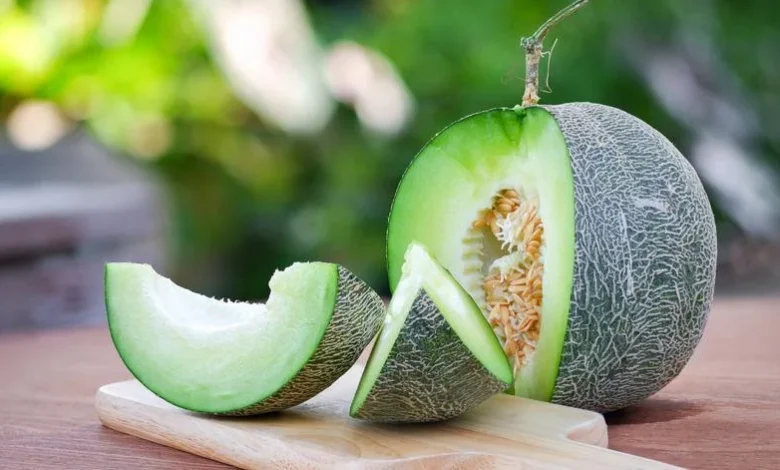
The surge in interest surrounding homemade energy gels began with a viral social media demonstration showcasing a simple preparation method. The recipe, which has gained traction among amateur athletes and fitness enthusiasts, involves blending 20 grams of fresh melon, 20 grams of honey, 5 grams of liquid palm sugar, 1 gram of salt, and 20 grams of water. Once processed into a smooth, gel-like consistency, the mixture is intended to be stored in small, portable squeeze pouches—mimicking the design of commercial endurance fuel.
This shift toward "whole-food" sports nutrition reflects a broader consumer trend—the desire for clean-label products. Many commercial energy gels contain complex ingredients, artificial flavorings, preservatives, and thickening agents that some athletes find difficult to digest during intense activity. By opting for a homemade solution, enthusiasts argue they can control the quality of ingredients while potentially reducing the risk of gastrointestinal distress, a common complaint among long-distance runners.
The Physiological Role of Energy Gels in Athletics
To understand the efficacy of the melon-honey concoction, one must first examine the metabolic demands of endurance exercise. When an individual engages in cardiovascular activity for an extended duration, the body’s glycogen stores—the primary fuel source for muscles—gradually deplete. If these stores are not replenished, the body hits a state often referred to as "hitting the wall," characterized by fatigue, cognitive decline, and reduced physical output.
Energy gels are formulated to deliver carbohydrates in a concentrated, easily absorbable form. According to sports nutrition guidelines, the optimal intake for athletes during moderate-to-high intensity activity is typically between 30 to 60 grams of carbohydrates per hour, depending on the individual’s metabolic rate and the duration of the event.
Dr. Igus Ulfa Yaze, a clinical nutrition specialist, explains that the homemade recipe’s core strength lies in its carbohydrate composition. "From a macronutrient perspective, providing 20 to 25 grams of carbohydrates is essentially the gold standard for ‘topping up’ muscular glucose levels during cardio," says Dr. Yaze. By combining honey and palm sugar, the recipe provides a mixture of glucose and fructose, which facilitates faster carbohydrate absorption through different transport pathways in the intestines, potentially enhancing energy efficiency.
Nutritional Breakdown: Beyond Mere Calories
While carbohydrates provide the fuel, they are not the only components necessary for peak athletic performance. Electrolyte balance and cellular protection are equally critical. The inclusion of melon is particularly significant in the viral recipe. Beyond its role as a base for the gel, melon is naturally rich in potassium—a vital electrolyte that assists in fluid balance and prevents muscle cramps.
During strenuous exercise, athletes lose significant amounts of electrolytes through sweat. The addition of 1 gram of salt to the mixture introduces sodium, the most critical electrolyte lost during perspiration. Sodium helps the body retain water, maintains blood pressure, and facilitates the absorption of glucose in the small intestine.
Furthermore, the fruit-based nature of the recipe introduces antioxidants. Intense physical exertion induces oxidative stress, which leads to the production of free radicals—unstable molecules that can damage cells and contribute to post-exercise soreness and fatigue. Melon, particularly varieties like cantaloupe, contains Vitamin C and beta-carotene, which act as antioxidants to mitigate the oxidative impact on muscle tissue. "The melon adds both hydration and natural potassium, which is excellent for maintaining fluid balance, while the salt provides the necessary sodium to round out the electrolyte profile," Dr. Yaze notes.
Comparative Analysis: Homemade vs. Commercial Gels
When analyzing the effectiveness of homemade versus commercial energy gels, several factors come into play: shelf stability, caloric density, and ease of use. Commercial gels are developed with a focus on "osmolarity"—the concentration of particles in the gel. If a gel is too concentrated, it may draw water into the gut, potentially causing cramping or diarrhea.
The homemade melon-honey gel has a higher water content, which makes it less hypertonic than some commercial gels. While this can be beneficial for hydration, it also means the energy density is lower. An athlete would need to consume a larger volume of the homemade mixture to match the 25-30 grams of carbohydrates found in a standard 30-gram commercial packet. This presents a logistical challenge for long-distance runners who are limited by the space in their hydration vests or belts.
Additionally, commercial gels are subjected to rigorous testing for bacterial contamination and shelf-life stability. A homemade mixture, lacking commercial preservatives, is highly perishable. It must be prepared fresh and consumed within a few hours, especially in warm outdoor environments, to prevent spoilage.
Implications for Modern Sports Nutrition
The viral success of the melon and honey gel highlights a shift in how athletes perceive "fueling." It suggests a movement away from hyper-processed supplements toward functional, kitchen-based nutrition. For the recreational athlete, this is a cost-effective and palatable way to support performance. However, for elite athletes, or those training for ultra-endurance events, the predictability and portability of scientifically formulated gels may remain the superior choice.
The medical community generally views the homemade alternative as a viable option, provided that the athlete understands their own digestive tolerances. Nutritionists emphasize that any new fueling strategy should be "trialed" during training sessions rather than on race day. The digestive system, much like the muscles, requires training to adapt to specific fuel sources under stress.
Conclusion and Future Outlook
The trend of utilizing homemade energy gels serves as a reminder that the fundamentals of sports nutrition remain consistent: the body requires a balance of carbohydrates for energy, sodium for fluid retention, and potassium for muscle function. Whether these nutrients are delivered via a laboratory-manufactured foil packet or a blended mixture of honey and melon is secondary to the physiological goal of maintaining blood glucose levels and hydration.
As social media continues to democratize nutritional knowledge, athletes are increasingly empowered to experiment with their fueling strategies. The key to success, as highlighted by health professionals, is an objective understanding of ingredient functions and a disciplined approach to testing these methods in real-world training environments. While the melon-honey gel may not replace the global industry of sports supplements overnight, it has certainly carved out a space as a legitimate, nutrient-dense, and accessible alternative for the modern athlete.