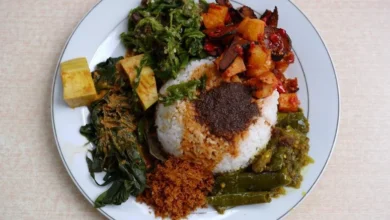
Debunking the Myth: Why Consuming Rice During Breakfast Does Not Necessarily Hinder Weight Loss Efforts

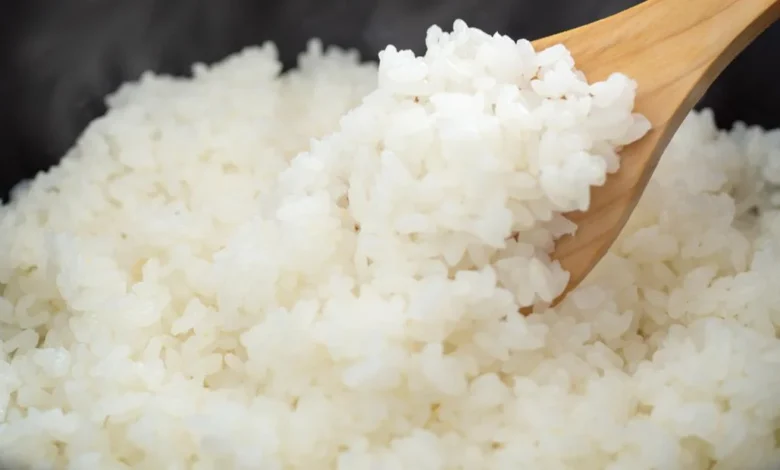
For millions of people, particularly across Southeast Asia, breakfast is incomplete without a serving of rice. Yet, as global awareness regarding metabolic health and obesity rises, this staple food has increasingly come under scrutiny. Many individuals striving to manage their body composition or lose weight often view rice—specifically white rice—as a primary adversary, labeling it a direct contributor to abdominal obesity and metabolic dysfunction. However, clinical nutrition experts are now pushing back against this narrative, suggesting that the problem lies not in the grain itself, but in the lack of portion control and the broader context of one’s daily caloric expenditure.
The Nutritional Controversy Surrounding Rice
The perception of white rice as a "dietary villain" stems largely from its glycemic index (GI). White rice is a refined carbohydrate, meaning it has been stripped of its bran and germ, which are rich in fiber and nutrients. This refining process leads to a higher GI, which can cause more rapid spikes in blood glucose levels compared to whole grains like brown rice or alternatives such as konjac (porang) rice.
However, clinical nutritionists argue that the demonization of white rice is a gross oversimplification of dietary science. During a recent live health forum hosted by detikHealth, Dr. Igus Ulfa Yaze, a specialist in clinical nutrition, addressed these widespread concerns. Dr. Yaze emphasized that weight management is fundamentally a mathematical equation governed by the laws of thermodynamics: energy in versus energy out. If an individual maintains a caloric deficit, the source of those calories becomes secondary to the total amount consumed.
Chronology of the Debate
The public discourse on carbohydrate consumption has shifted significantly over the past decade. In the 2010s, the "low-carb" and "keto" movements gained immense traction, leading to a cultural shift where bread, pasta, and rice were systematically removed from diets. By 2020, as the global population faced lockdowns and decreased physical activity, weight gain became a widespread public health concern. Many individuals turned to restrictive dieting, often cutting out rice entirely.
By October 22, 2026, the conversation reached a point where medical professionals felt compelled to provide nuance. During the recent health segment, Dr. Yaze clarified that the stress of "avoiding" rice often leads to dietary burnout, which is counterproductive for long-term weight management. Instead of focusing on the elimination of rice, the clinical consensus has shifted toward the importance of portion management and caloric awareness.
Clinical Perspectives on Portion Control
The core of Dr. Yaze’s argument rests on the precision of caloric intake. According to the expert, white rice, red rice, and konjac rice all serve as fuel. While unrefined options offer higher fiber content and better satiety, white rice is not inherently "fattening." The primary driver of weight gain is the failure to align the quantity of rice with the body’s actual energy requirements.
"Nasi itu nggak perlu dimusuhin," or "Rice does not need to be treated as an enemy," Dr. Yaze stated. She provided a framework for portion control based on an individual’s total daily energy expenditure (TDEE):
- Low-Calorie Requirements (e.g., 1,200 kcal/day): Individuals on a strict, medically supervised weight-loss program should limit their rice intake to approximately four tablespoons per meal.
- Moderate to High Energy Requirements (e.g., 2,000 kcal/day): For those with higher physical activity levels or larger frames, a portion of five to six tablespoons per meal is generally acceptable, provided the total caloric ceiling is not exceeded.
This data-driven approach shifts the focus from "what" is being eaten to "how much" is being eaten. The inclusion of rice at breakfast, therefore, is not a breach of diet protocol, provided it is calculated as part of the daily allowance.
Beyond the Grain: The Context of Breakfast
While the carbohydrate content of rice is the primary focus of many, the context in which it is consumed is equally important. Dr. Yaze pointed out that the issue often arises from the preparation methods. In many cultures, breakfast rice is served as nasi uduk (rice cooked with coconut milk) or nasi kuning (turmeric rice cooked with coconut milk).
These preparations significantly increase the fat and caloric density of the meal. Coconut milk, while flavorful, contains saturated fats that escalate the energy content of the dish. Consequently, it is not the white rice itself that leads to rapid weight gain or elevated cholesterol, but the added fats and oils inherent in traditional breakfast preparations. By switching to plain, steamed white rice, individuals can enjoy the same staple while significantly reducing the caloric load of their morning meal.
Scientific Implications for Public Health
The implications of this guidance are substantial. In nations where rice is a cultural staple, attempting to enforce a "zero-rice" diet often leads to poor adherence and yo-yo dieting. When individuals feel deprived, they are more likely to abandon their nutritional goals entirely.
From a physiological perspective, glucose management is improved when carbohydrates are paired with fiber, protein, and healthy fats. Therefore, the recommendation for those who prefer white rice is to incorporate vegetables and a lean protein source (such as eggs, tofu, or lean chicken) alongside the four-to-six-tablespoon portion. This creates a balanced plate that promotes satiety and prevents the sharp postprandial glucose spikes associated with consuming refined carbohydrates in isolation.
Addressing the ‘Belly Fat’ Stigma
A recurring theme in the interview was the myth that specific foods are responsible for "spot reduction" or specific fat storage—such as the belief that rice goes directly to the belly. Medical science refutes this; the body stores fat based on systemic caloric surplus, not the type of carbohydrate consumed.
"Nasi putih juga nggak bikin kamu jadi buncit. Yang bikin jadi buncit atau berat badan jadi naik karena porsinya kebanyakan," (White rice does not make you fat. What causes weight gain or a protruding belly is excessive portion sizes). This statement aligns with broader clinical findings that body fat distribution is influenced by genetics, hormones, and overall metabolic health, rather than the consumption of specific starch-based foods.
Recommendations for Sustainable Weight Management
For those looking to integrate these clinical insights into their daily routines, the following steps are recommended:
- Audit Daily Caloric Needs: Consult with a nutritionist or use validated tools to calculate your TDEE. This provides the baseline for how many carbohydrates you can afford to consume.
- Prioritize Fiber-Dense Pairings: If white rice is the chosen starch, ensure it is served with a generous portion of fiber-rich vegetables. This slows the absorption of glucose and improves digestion.
- Avoid "Hidden" Calories: Be mindful of cooking methods. Steaming or boiling is preferable to stir-frying with excessive oil or cooking with coconut milk.
- Consistency Over Perfection: The goal of a sustainable diet is longevity. Integrating a controlled portion of a preferred food, such as rice, makes a nutritional plan more manageable and reduces the likelihood of compensatory binge eating later in the day.
Conclusion: A Balanced Approach to Nutrition
The recent discourse provided by Dr. Yaze serves as a necessary correction to the hyper-restrictive diet culture that has permeated social media. By demystifying the role of white rice, health professionals are encouraging a more nuanced, sustainable, and psychologically healthy approach to weight management.
Ultimately, rice is an energy source. Like any other macronutrient, its impact on the body is determined by the total volume consumed relative to the body’s metabolic output. By embracing portion control, prioritizing nutrient-dense accompaniments, and moving away from the "all-or-nothing" mentality, individuals can continue to enjoy their staple foods while successfully meeting their health and weight-related objectives. In the fight against obesity, knowledge and moderation are far more effective tools than the total exclusion of dietary staples.