Demystifying Healthy Eating: Experts Reveal That Affordable Local Eateries Can Be Pillars of a Nutritious Diet

Jakarta – The prevailing notion that a healthy diet invariably translates to expensive specialty foods like salads and quinoa is a misconception, according to leading nutrition experts. Dr. Igus Ulfa Yaze, a specialist in clinical nutrition, emphatically states that the healthfulness of a meal is determined not by its point of purchase but by the deliberate choices of menu items and their corresponding portion sizes. This perspective challenges the consumer-driven narrative that healthy eating requires a significant financial outlay, suggesting that accessibility and informed decision-making are the true cornerstones of a balanced lifestyle.
Dr. Yaze’s insights, shared in a recent discourse on public health and nutrition, underscore a fundamental principle often overlooked in the modern pursuit of wellness. "What determines whether a meal is healthy or not isn’t the name of the establishment, but what we put on our plate," Dr. Yaze articulated, drawing a clear distinction between perceived dietary trends and the tangible reality of food composition. This statement directly addresses the psychological barrier that often prevents individuals from embracing healthier eating habits due to the perceived cost associated with them.
The Power of Informed Choices at Local Eateries
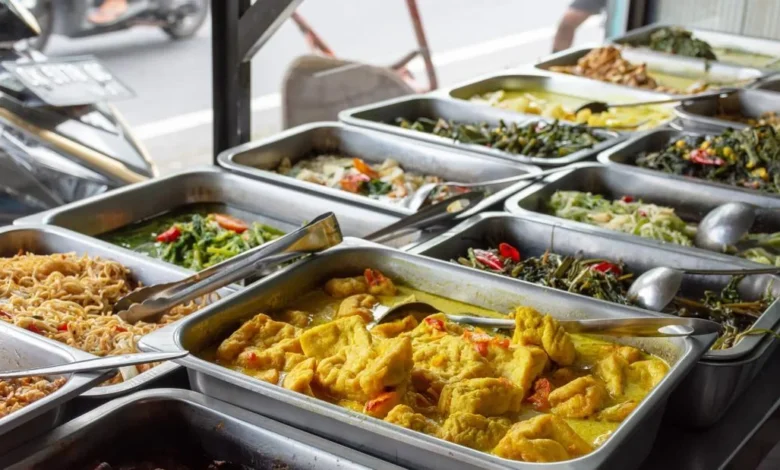
The practical application of Dr. Yaze’s advice is particularly relevant in the context of Indonesia’s vibrant street food and local eatery culture, often referred to as "warteg." These establishments, characterized by their affordability and widespread availability, are frequently dismissed as unhealthy options. However, Dr. Yaze contends that with careful selection, warteg can indeed be a viable venue for constructing a nutritionally sound meal.
"One can still assemble a nutritious menu when eating at a warteg by choosing one source of protein, such as chicken, eggs, or fish," Dr. Yaze explained. "Then, complement it with vegetables and rice in appropriate portions to ensure a more balanced intake of nutrients." This approach emphasizes the foundational macronutrient groups – protein, carbohydrates, and micronutrients from vegetables – and advocates for mindful consumption.
The implication here is that the act of eating out, even at a modest establishment, does not inherently compromise dietary goals. Instead, it shifts the onus of responsibility to the individual to make informed choices. This empowerment is crucial, as it liberates individuals from the perceived necessity of seeking out expensive health food stores or restaurants. The focus is redirected from the "what" of the food’s origin to the "how" of its selection and consumption.
Debunking the "Expensive Diet" Myth
Dr. Yaze further elaborated on the misconception that healthy eating necessitates a significant financial commitment, stating, "Diet doesn’t have to be salads, it doesn’t have to be quinoa, and it doesn’t have to make your wallet diet too." This memorable analogy directly confronts the financial anxieties associated with healthy eating. It suggests that the perceived cost of a healthy lifestyle is often inflated by marketing and societal trends that promote specific, often imported, "superfoods."
The expert’s assertion is supported by a growing body of research highlighting the nutritional value of traditional, locally sourced foods. For instance, staple Indonesian ingredients like tempeh, tofu, and various local fish species are rich in protein and essential nutrients, and are typically far more affordable than their Western counterparts. Data from the Indonesian Central Statistics Agency (BPS) consistently shows that the prices of these local protein sources remain significantly lower than imported alternatives or specialty health food items.
Moreover, the concept of portion control, as emphasized by Dr. Yaze, is a universal dietary principle that transcends the type of food consumed. Even a seemingly healthy dish can become detrimental if consumed in excessive quantities. Conversely, a balanced meal, prepared with less expensive ingredients, can contribute positively to health if portion sizes are managed effectively.
The Warteg Phenomenon: A Sign of Savvy Consumers?
Dr. Yaze offered a humorous yet insightful observation regarding the popularity of warteg: "And if you see a warteg that’s crowded, it doesn’t necessarily mean it’s because it’s cheap, but it could be that many people are secretly dieting too." This statement playfully suggests that the bustling nature of popular local eateries might, in part, be attributed to a growing number of individuals who have adopted Dr. Yaze’s philosophy of smart, budget-friendly healthy eating.
This observation, while anecdotal, points to a potential shift in consumer behavior. As awareness of health and nutrition grows, people may be actively seeking out affordable options that align with their dietary goals. The crowded warteg could, therefore, be a visual representation of a population making informed choices, rather than simply succumbing to the cheapest available food.
From a broader socio-economic perspective, the affordability of warteg is a critical factor. For a significant portion of the Indonesian population, especially those in urban centers, warteg represent the primary source of daily meals. If these establishments can indeed be leveraged for healthy eating, it has profound implications for public health and food security. It means that improvements in dietary habits can be achieved without exacerbating existing economic disparities.
Supporting Data and Expert Consensus
The principle that healthy eating is achievable on a budget is not unique to Dr. Yaze’s commentary. Numerous studies have investigated the relationship between food costs and nutritional quality. For example, a 2019 study published in the British Journal of Nutrition found that diets higher in fruits, vegetables, and whole grains, and lower in processed foods, were not necessarily more expensive than less healthy diets, particularly when focusing on seasonal and locally available produce.
In the Indonesian context, the affordability of nutrient-dense foods is a key consideration for national health initiatives. The Ministry of Health has often emphasized the importance of "Isi Piringku" (My Plate), a visual guide that promotes balanced nutrition by recommending specific proportions of staple foods, animal and plant-based protein, and vegetables and fruits. This initiative aligns perfectly with Dr. Yaze’s message, as it focuses on the composition of the plate rather than the origin or perceived sophistication of the food.
The cost of a balanced diet in Indonesia varies significantly by region and the specific food choices made. However, analyses by agricultural economists consistently show that a diet meeting the recommended daily intake of essential nutrients can be achieved at a cost significantly lower than what is often perceived. For instance, incorporating legumes like lentils and beans, affordable sources of protein and fiber, alongside local vegetables and whole grains, can form the basis of a very healthy and cost-effective diet.
Broader Implications and Future Outlook
Dr. Yaze’s statements carry significant weight in shaping public perception and guiding dietary advice. By debunking the myth of expensive healthy eating, she empowers individuals to take control of their nutrition regardless of their financial circumstances. This is particularly important in a country like Indonesia, where income disparities can significantly influence access to nutritious food.
The implication for public health policy is clear: efforts to promote healthy eating should focus on education and awareness campaigns that highlight the principles of balanced nutrition and the availability of affordable, nutrient-rich local foods. Instead of promoting exotic "superfoods," campaigns could emphasize the benefits of common ingredients like tempeh, kangkung (water spinach), and local fish varieties.
Furthermore, the success of warteg in potentially catering to health-conscious consumers could also spur positive changes within the warteg industry itself. As demand for healthier options grows, warteg owners might be incentivized to offer a wider variety of vegetable dishes, lean protein options, and healthier cooking methods (e.g., steaming or grilling over deep-frying). This could create a virtuous cycle where consumer demand drives culinary innovation, leading to more nutritious and accessible food for everyone.
The future of healthy eating in Indonesia, as suggested by Dr. Yaze’s insights, lies not in the adoption of expensive foreign trends, but in the intelligent and informed utilization of the abundant and affordable local food resources that have sustained the nation for generations. The key takeaway is that a healthy plate is not dictated by the price tag, but by the knowledge and intention behind the choices made, making nutritious eating a more inclusive and achievable goal for all.