The Ultimate Guide to Making Authentic Cantonese Lo Mai Gai at Home

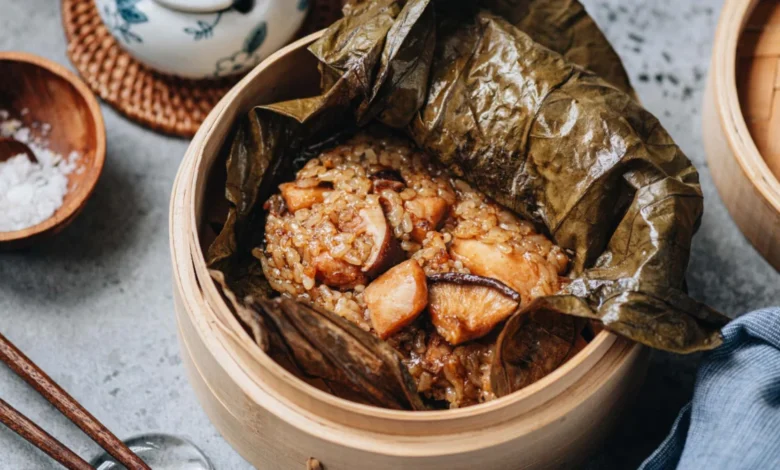
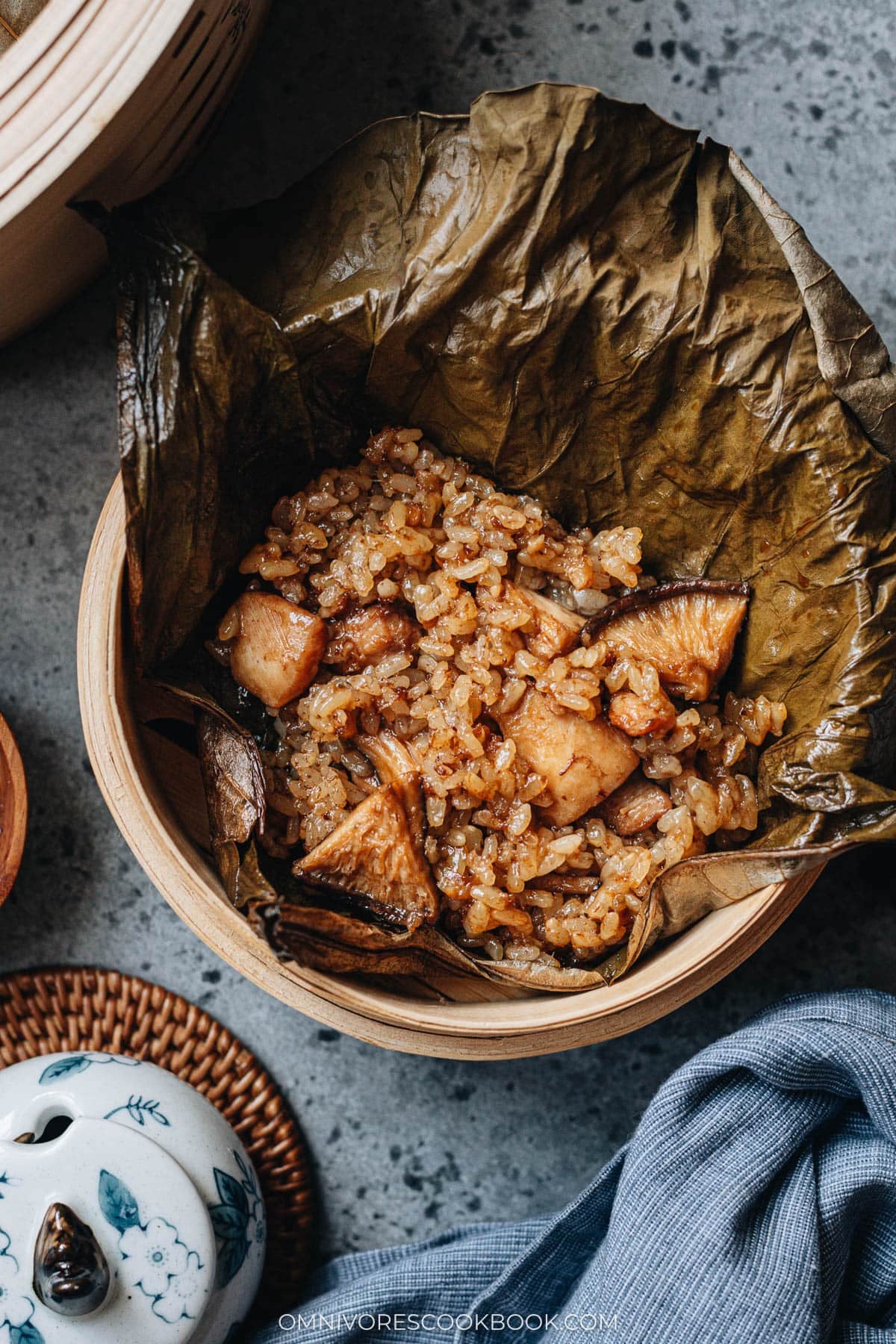
The global culinary landscape has witnessed a remarkable resurgence in traditional home-cooking techniques, with home cooks increasingly turning to heritage recipes that require patience, precision, and cultural appreciation. Among these, Lo Mai Gai, the iconic Cantonese dim sum staple consisting of seasoned glutinous rice, chicken, mushrooms, and savory aromatics wrapped tightly in a lotus leaf, has emerged as a focal point for culinary enthusiasts seeking authentic Asian dining experiences outside of traditional restaurant settings. Originally popularized in the bustling teahouses of Guangzhou and perfected across global dim sum parlors from Hong Kong to San Francisco and New York, this labor-intensive dish represents the pinnacle of comfort food craftsmanship.
Historical Roots and Cultural Significance of Dim Sum Parcels
Lo Mai Gai, literally translating to "glutinous rice and chicken," traces its origins back to the street food culture and teahouses of Guangdong province, China. Historically served during yum cha—the traditional brunch meal accompanied by Chinese tea—dim sum items were designed to be small, shareable, and intensely flavorful. Lotus leaf-wrapped sticky rice evolved as a portable, self-contained meal that could be kept warm in bamboo steamers throughout the morning service.
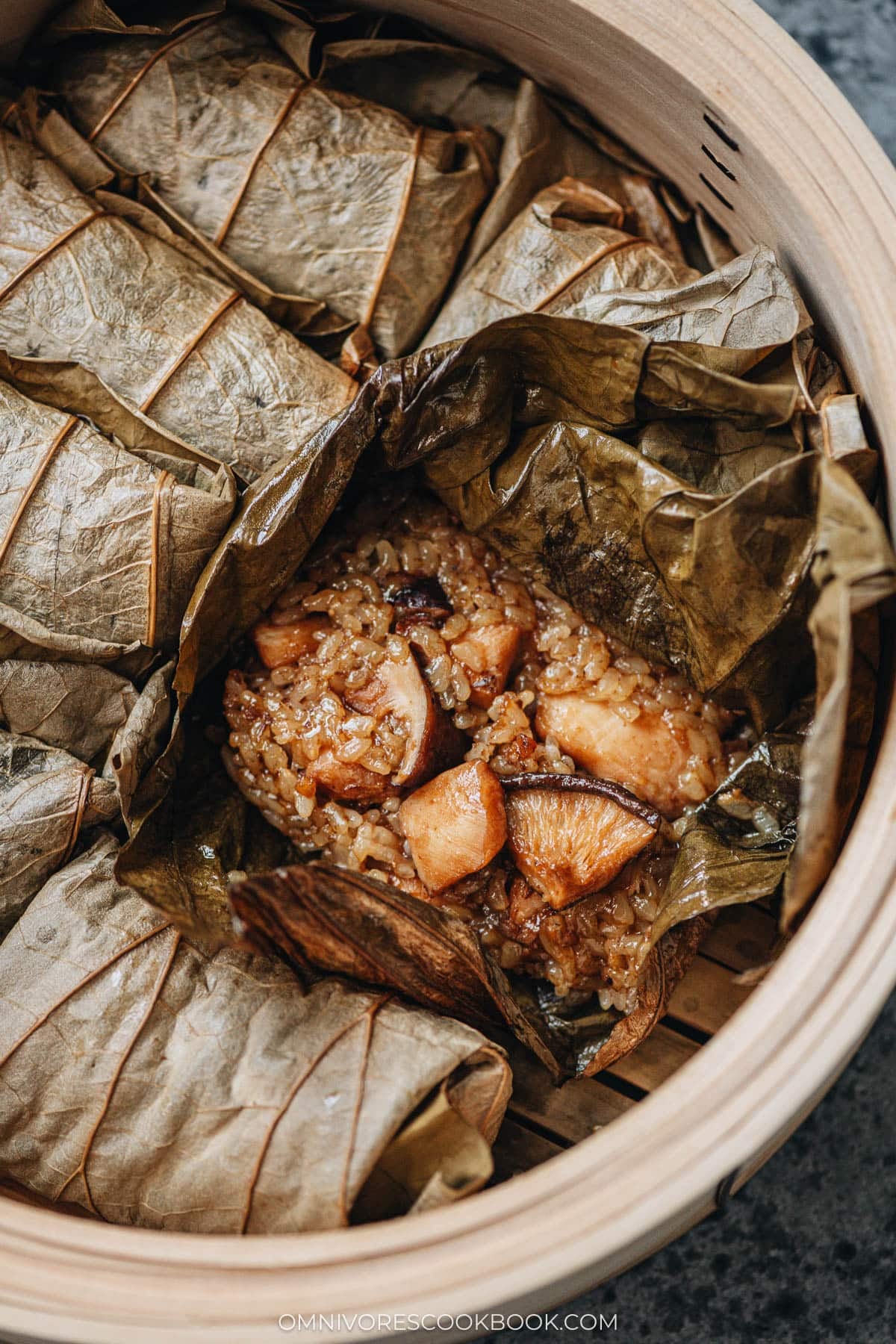
The use of the lotus leaf is not merely aesthetic; as the parcel steams, the natural botanical oils and delicate, tea-like compounds of the leaf permeate the exterior layers of the rice, imparting a distinct, earthy aroma that distinguishes it from other rice-based preparations. Over decades of migration and cultural exchange, Cantonese immigrants introduced the dish to Western metropolitan areas, embedding it firmly into the consciousness of international diners who frequent weekend dim sum carts.
Core Ingredients and Nutritional Profile
Achieving the characteristic texture and depth of flavor in authentic Lo Mai Gai relies heavily on specific, uncompromised ingredients. Culinary experts and home cooks emphasize that standard long-grain or medium-grain table rice cannot substitute for glutinous rice (also known as sticky rice or sweet rice), which contains a high proportion of amylopectin starch responsible for the soft, cohesive, and chewy mouthfeel.
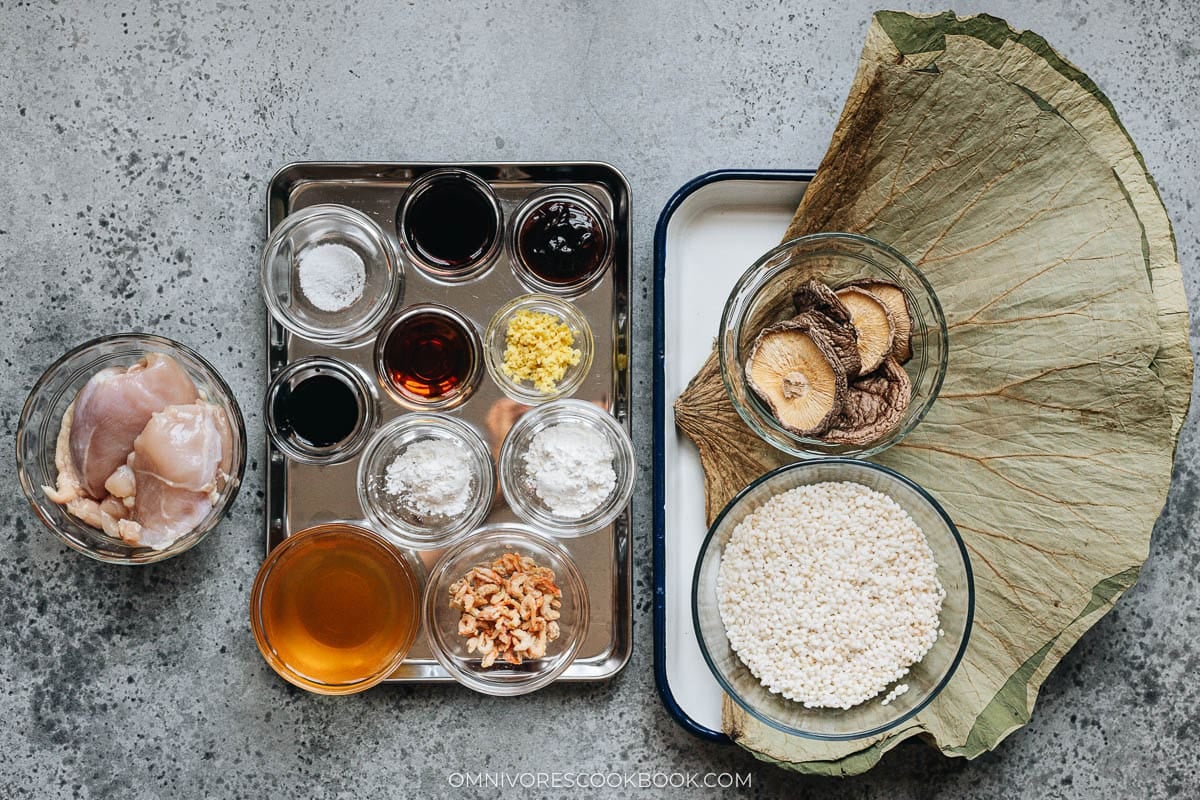
- Glutinous Rice: The primary base, requiring thorough washing and extended soaking (ranging from two hours for short-grain varieties to five hours for long-grain variants) to ensure even gelatinization during the steaming process.
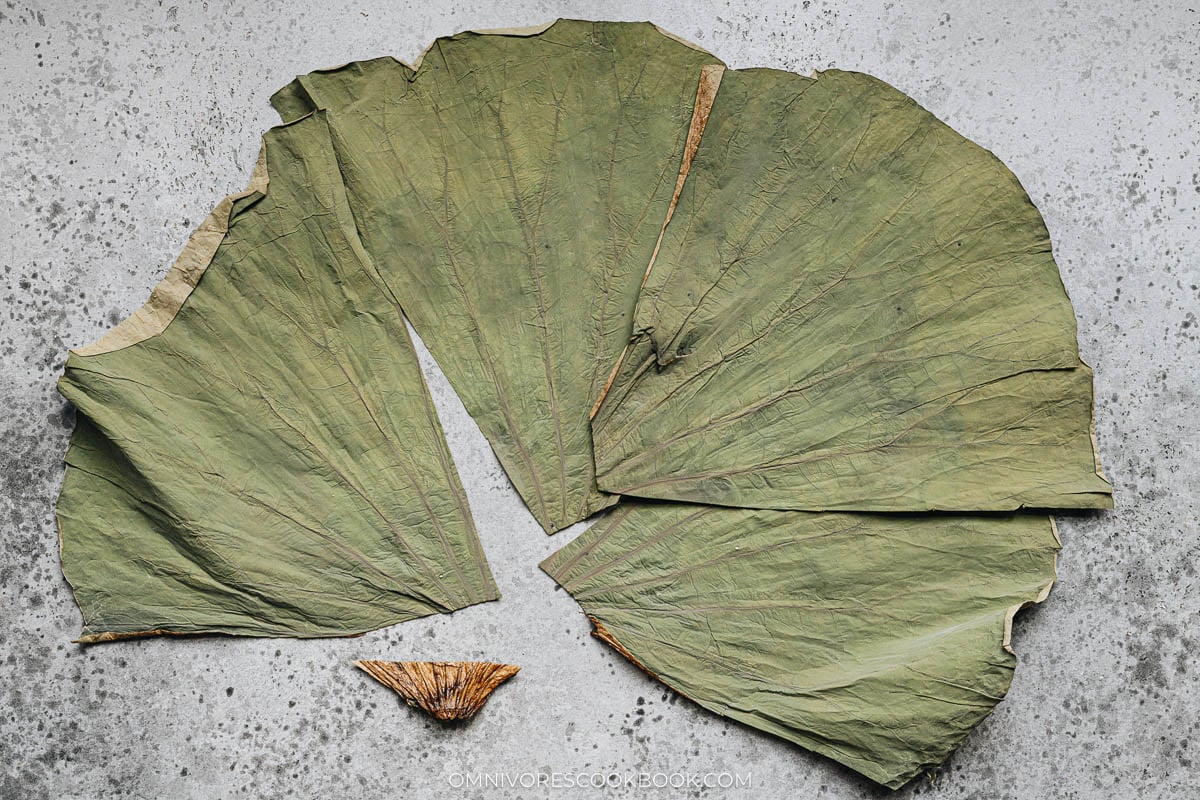
- Dried Lotus Leaves: Sourced primarily from Asian supermarkets or specialty online retailers, these leaves must be rehydrated until fully pliable before cutting and wrapping.
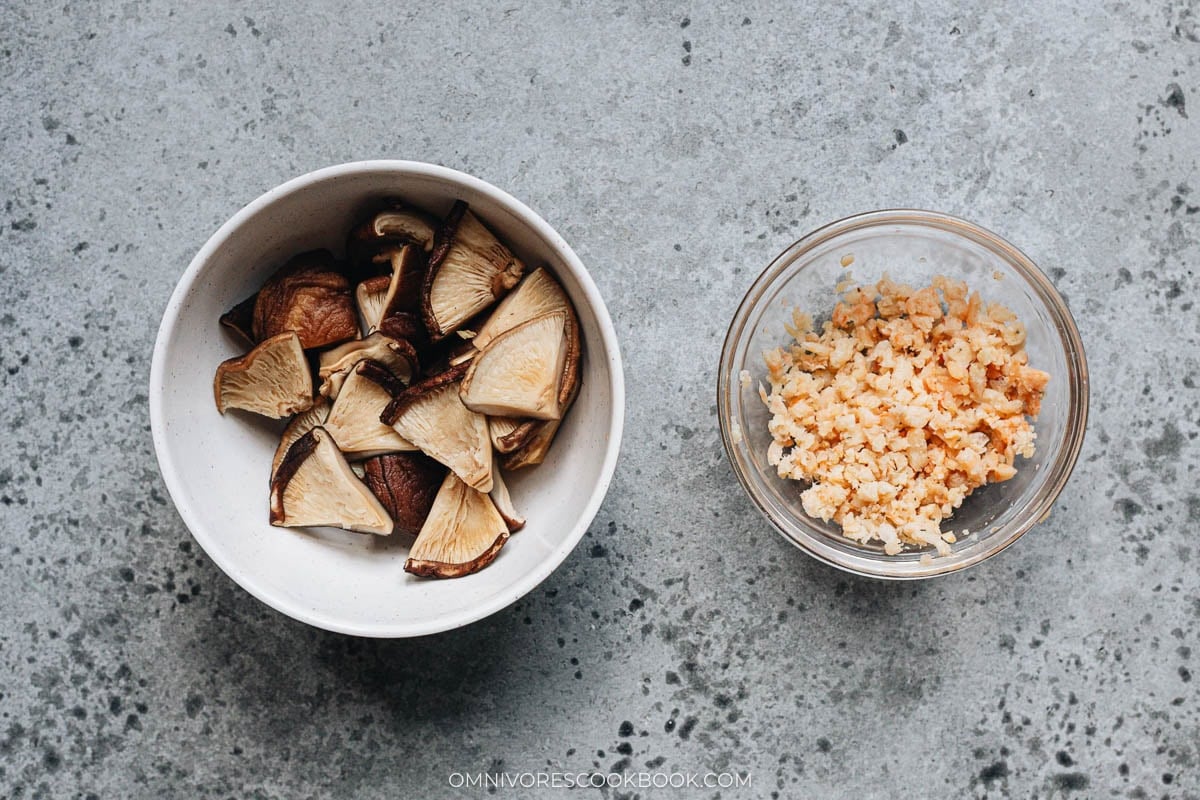
- Protein and Aromatics: Boneless, skinless chicken thighs provide juiciness that withstands prolonged steaming, complemented by rehydrated dried shiitake mushrooms and dried shrimp, which introduce umami depth and savory complexity.
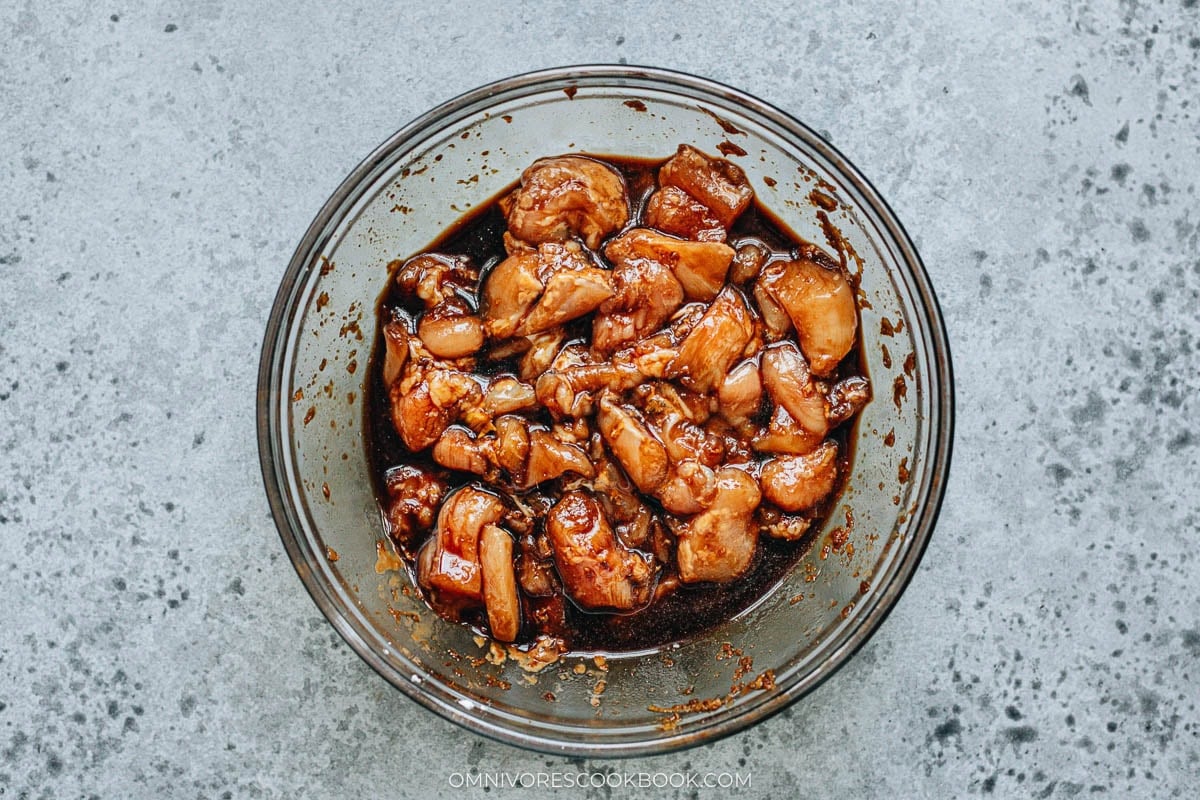
- Marinade and Sauce Composition: A harmonious blend of light soy sauce, dark soy sauce, oyster sauce, Shaoxing rice wine, ginger, and cornstarch binds the filling components together, creating a rich reduction that the raw rice absorbs during the initial mixing phase.
Step-by-Step Preparation Methodology
Crafting traditional Lo Mai Gai demands a methodical approach divided into preparation, cooking, assembly, and final steaming phases.
Phase 1: Rehydration and Marination
The process begins with soaking the glutinous rice, dried lotus leaves, shiitake mushrooms, and dried shrimp in separate vessels of cold water for the requisite duration. Simultaneously, bite-sized pieces of chicken thighs are combined with light and dark soy sauces, oyster sauce, Shaoxing wine, grated ginger, salt, and a measured portion of cornstarch, then refrigerated for a minimum of one hour to allow the flavors to penetrate the meat.
Phase 2: Filling and Sauce Integration
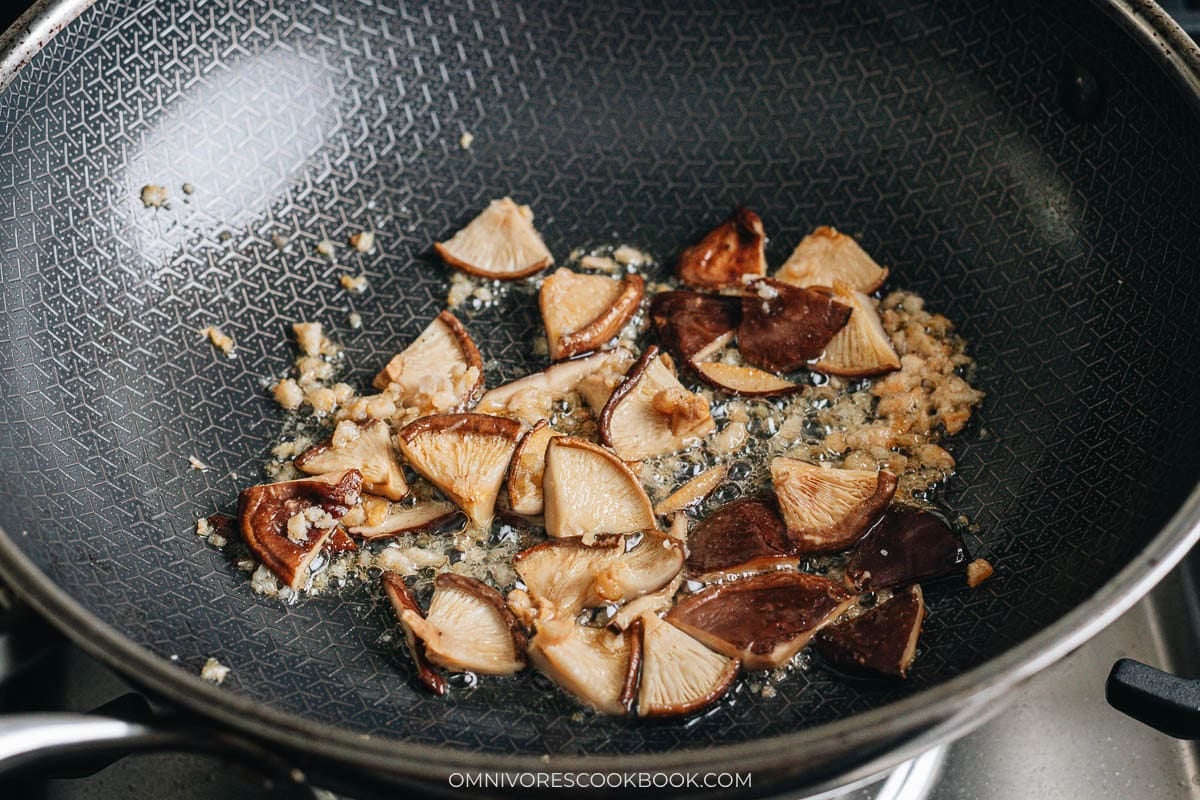
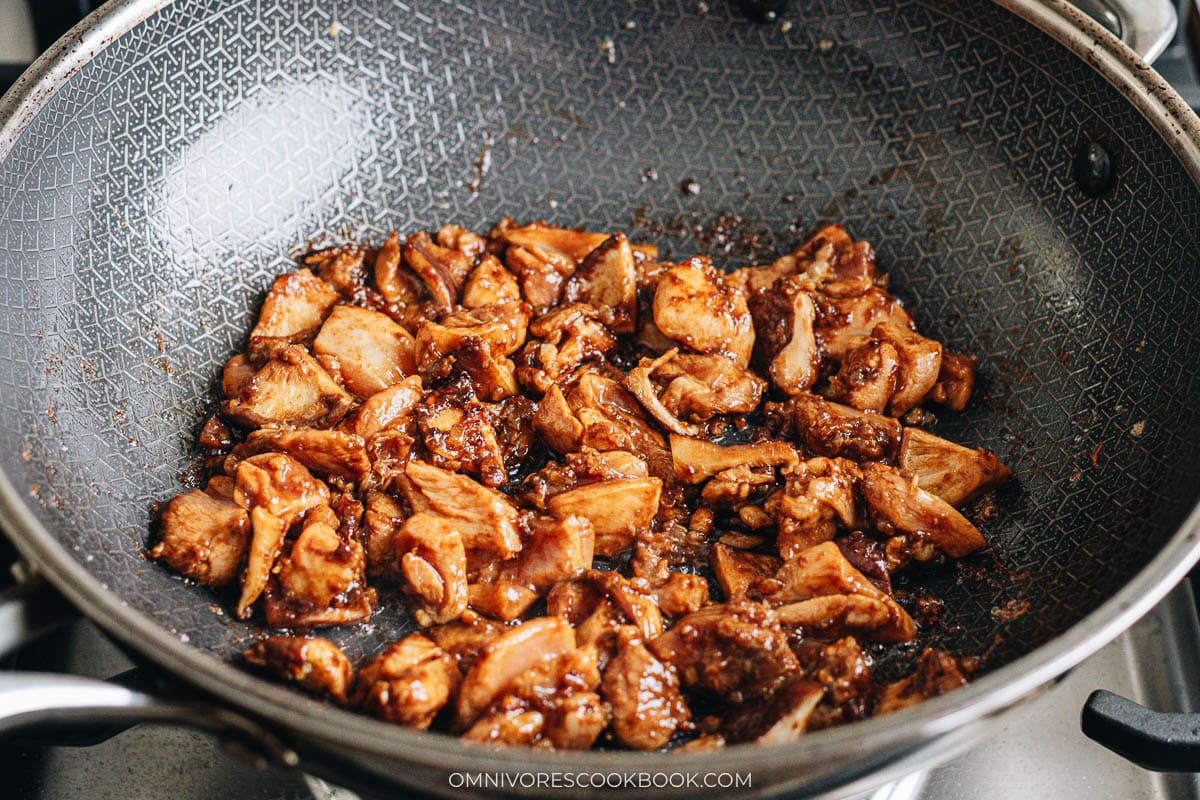
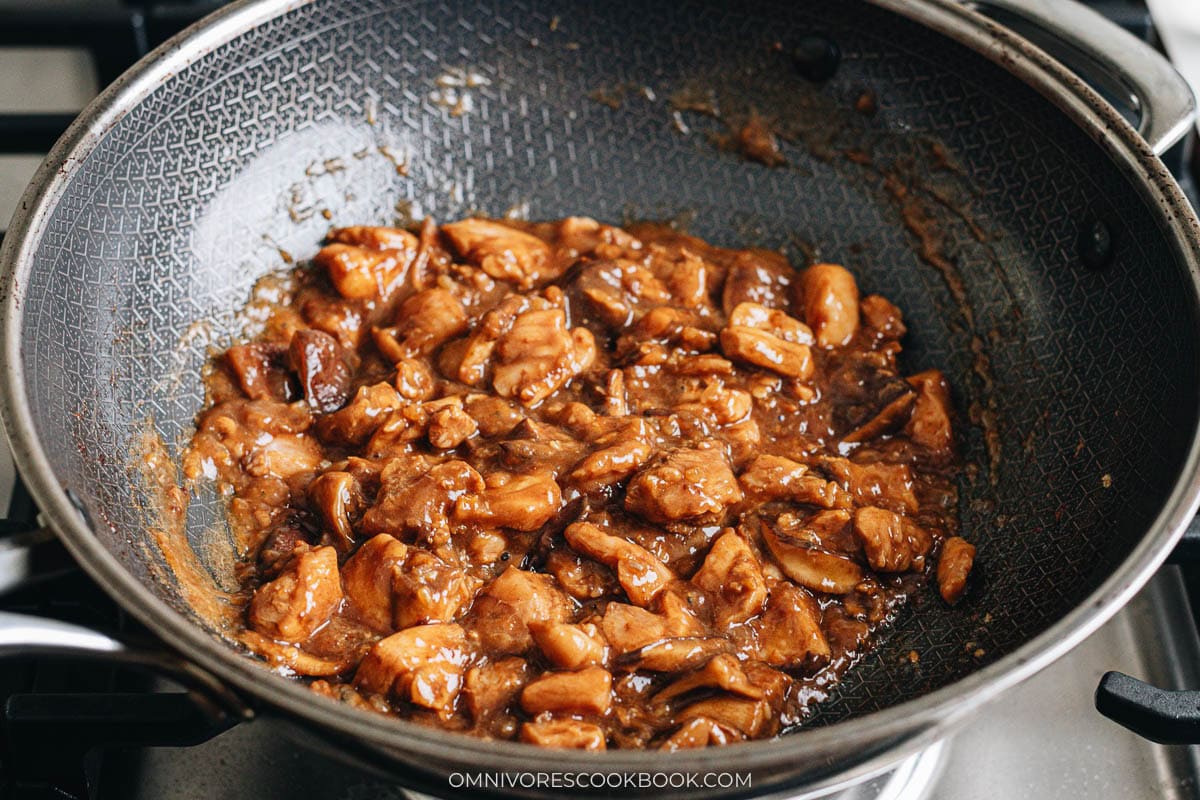
In a heated wok, the rehydrated mushrooms and minced dried shrimp are sautéed briefly to release their aromatic compounds. The marinated chicken is subsequently introduced, followed by a seasoned chicken broth and cornstarch slurry. This mixture is cooked until the liquid thickens into a glossy, cohesive sauce, then removed from heat and allowed to cool completely.
Phase 3: Assembly and Wrapping
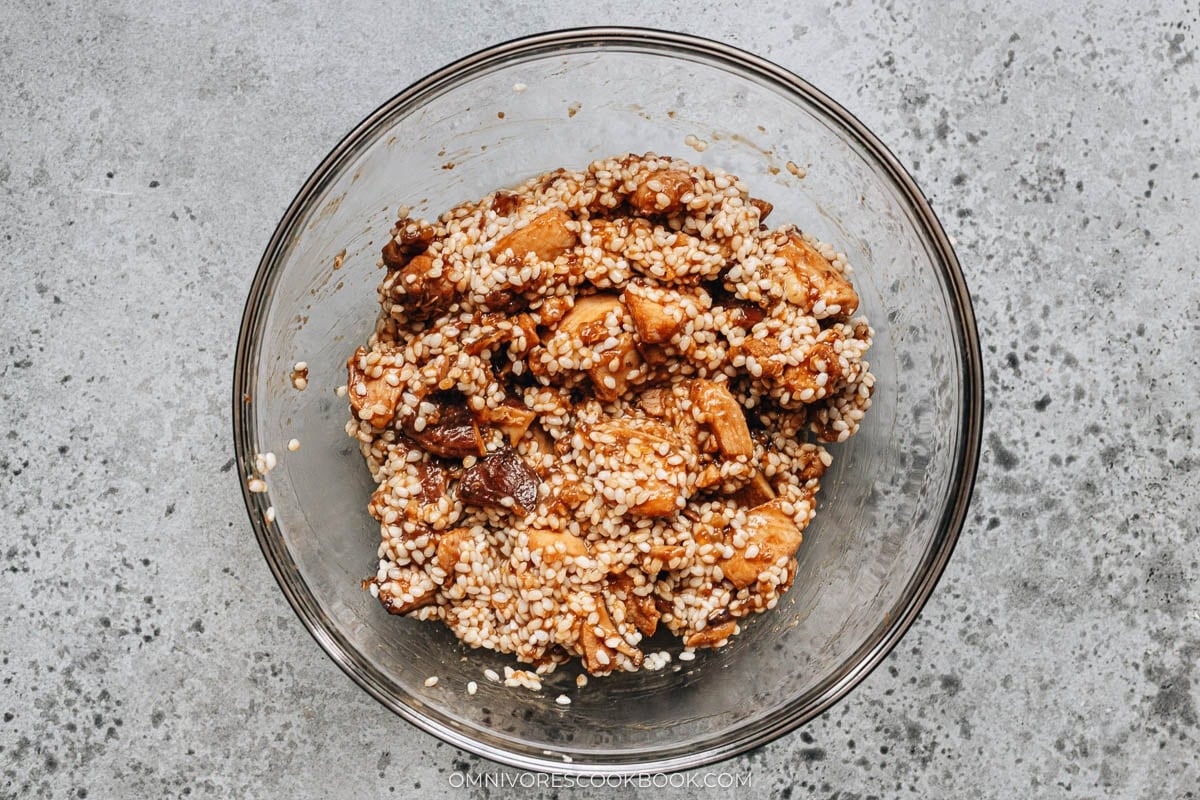
The drained glutinous rice is thoroughly mixed with the cooled chicken filling and its accompanying sauce, ensuring every individual grain is coated. Lotus leaves are trimmed into manageable fan-shaped sections. Portions of the seasoned rice and meat mixture are mounded onto the lower third of each leaf, folded securely at the base and sides, and rolled into tightly sealed parcels.
Phase 4: Steamed Finish
The wrapped parcels are arranged seam-side down inside bamboo or metal steamers. Steaming over a steady, moderate boil for approximately one hour ensures that the heat penetrates to the center of each parcel, fully softening the rice and marrying the complex flavor profile.
Professional Tips for Culinary Success
Culinary professionals and experienced home cooks emphasize several critical variables that dictate the final quality of the dish:
- Grain Selection and Soaking Time: Matching the soaking duration to the specific variety of glutinous rice prevents undercooked centers or waterlogged grains. Short-grain varieties soften rapidly, whereas long-grain variants demand extended hydration.
- Moisture Management: Draining the soaked rice rigorously in a colander before mixing it with the filling ensures that excess water does not dilute the concentrated savory sauce, allowing the rice to absorb maximum flavor instead.
- Thermal Regulation: Maintaining a consistent, gentle boil during the hour-long steaming process prevents the water reservoir from evaporating prematurely while ensuring the steady circulation of heat required for complete starch gelatinization.
Broader Economic and Culinary Implications
The enduring popularity of dishes like Lo Mai Gai underscores a broader consumer shift toward immersive, scratch-cooking projects. As home cooks increasingly look beyond convenience foods, traditional preparation methods that demand time and skill preservation have gained traction across digital recipe platforms and culinary communities. Furthermore, the freeze-friendly nature of lotus leaf parcels—which can be stored for up to three months and reheated via steaming or microwaving—offers modern households a practical bridge between heritage gastronomy and contemporary meal-prep convenience. Whether integrated into a comprehensive weekend dim sum spread accompanied by Chinese broccoli with oyster sauce, pork and corn soup, and traditional Chinese tea, or enjoyed as an independent meal, homemade Lo Mai Gai remains a testament to the enduring appeal of authentic regional cuisine.