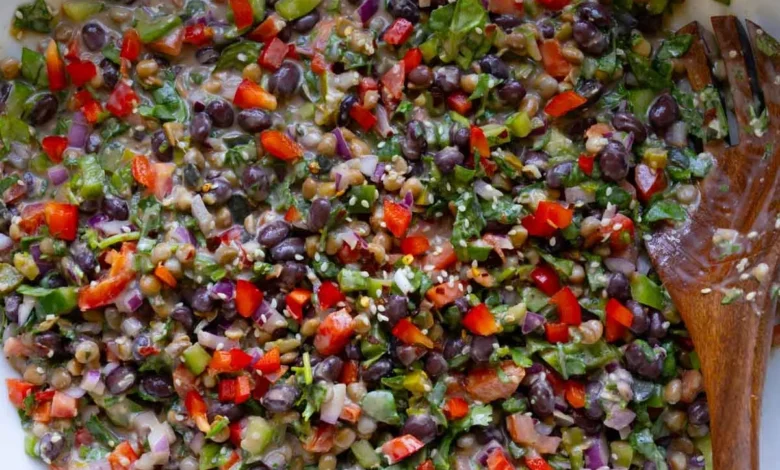
The Rise of the Dense Bean Salad Phenomenon
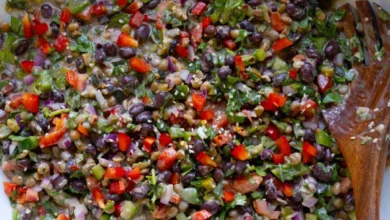
The emergence of the "dense bean salad" as a social media and culinary trend is not merely a fleeting aesthetic movement but a reflection of a broader transition toward nutrient-dense, shelf-stable, and budget-conscious food preparation. Historically, legumes have served as the backbone of global nutrition due to their affordability and extended shelf life. By combining these legumes with raw, chopped vegetables—such as peppers, tomatoes, and leafy greens—and finishing them with a high-protein, creamy dressing, the dish addresses the common consumer complaint that salads are rarely filling enough to serve as a standalone main course.
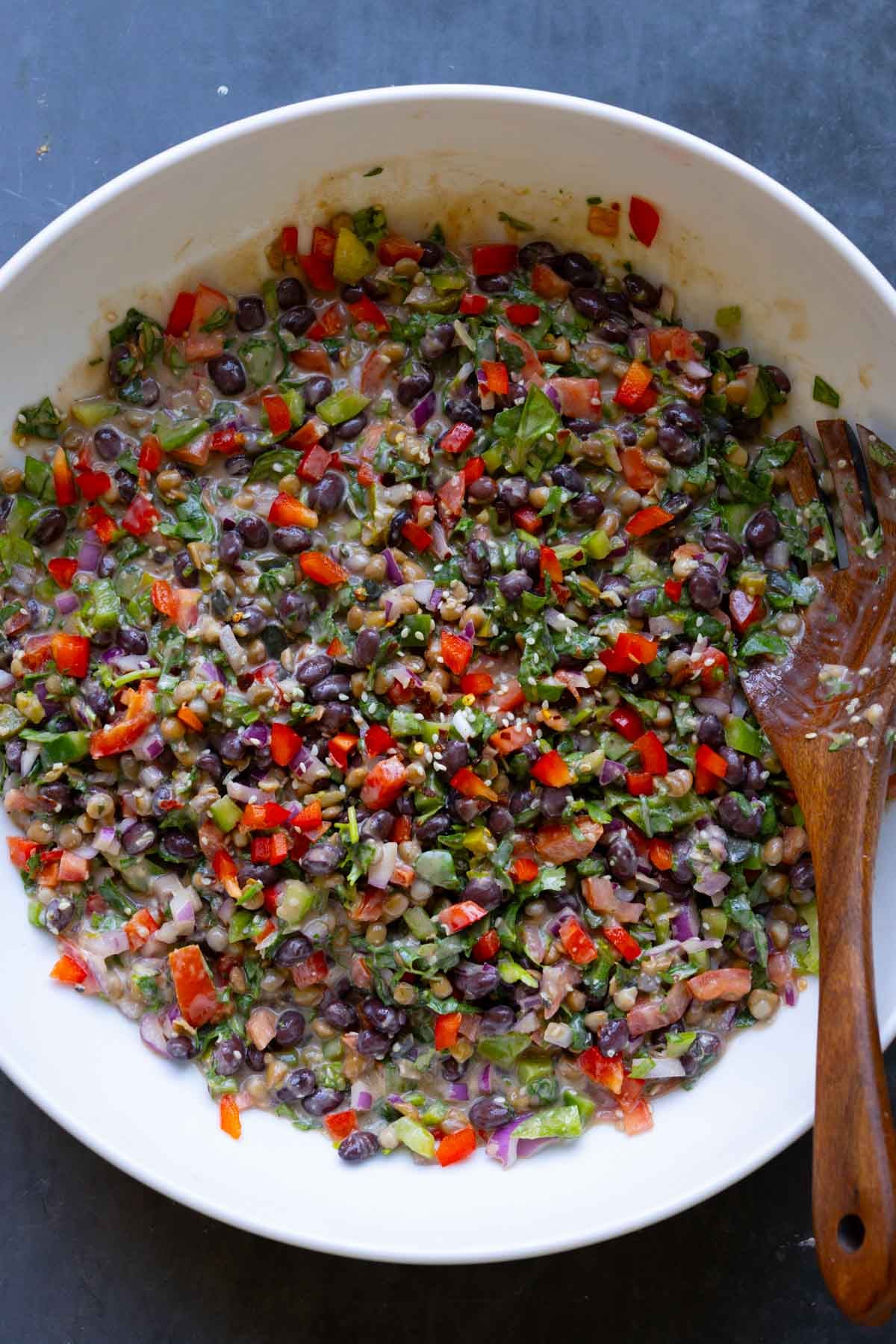
This preparation method has gained traction among home cooks and nutritionists alike for its efficiency. The "no-cook" nature of the assembly, relying primarily on canned or pre-cooked legumes and fresh produce, positions it as a practical solution for the modern meal-prep cycle. The structural integrity of the salad—which holds up in the refrigerator for several days without wilting—has further solidified its status as a staple for individuals looking to maintain consistent, healthy eating habits within a busy lifestyle.
Nutritional Profile and Physiological Implications
The nutritional architecture of this salad is designed to optimize satiety and metabolic health. A single serving contains approximately 17 grams of protein and 14 grams of fiber, metrics that far exceed the average garden salad. From a physiological standpoint, the combination of soluble and insoluble fiber found in black beans and lentils is essential for regulating blood glucose levels and supporting gut microbiome diversity.
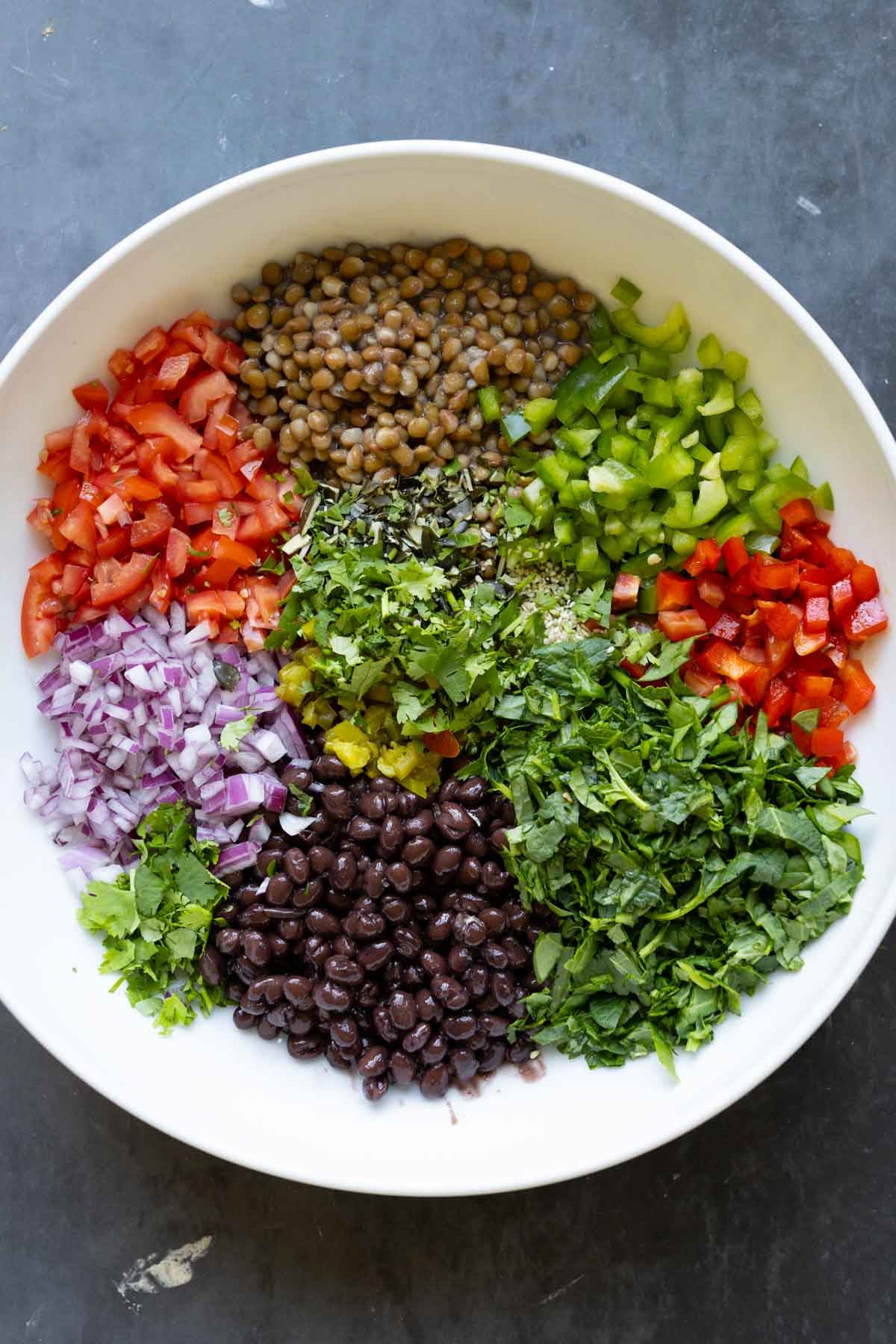
Data indicates that the inclusion of legumes in a daily diet is associated with a reduced risk of cardiovascular disease and type 2 diabetes. The "anti-inflammatory" label, often applied to this recipe, is derived from the high concentration of antioxidants and phytonutrients present in the colorful vegetable components. For instance, the inclusion of bell peppers and tomatoes provides a substantial dose of Vitamin C, a critical micronutrient that enhances the non-heme iron absorption from the beans. Furthermore, the incorporation of hemp and pumpkin seeds introduces essential omega-3 fatty acids, which play a well-documented role in managing systemic inflammation.
Chronology of Culinary Preparation
The preparation process follows a standardized, highly efficient sequence that maximizes flavor integration. While cooking beans from scratch is a common practice for purists—typically involving a 15-minute soak followed by a 30 to 40-minute boil—the modern iteration of this salad relies on pre-cooked or canned legumes to minimize prep time.
- Legume Preparation: Beans and lentils are rinsed and drained, ensuring the removal of excess sodium often found in canned varieties.
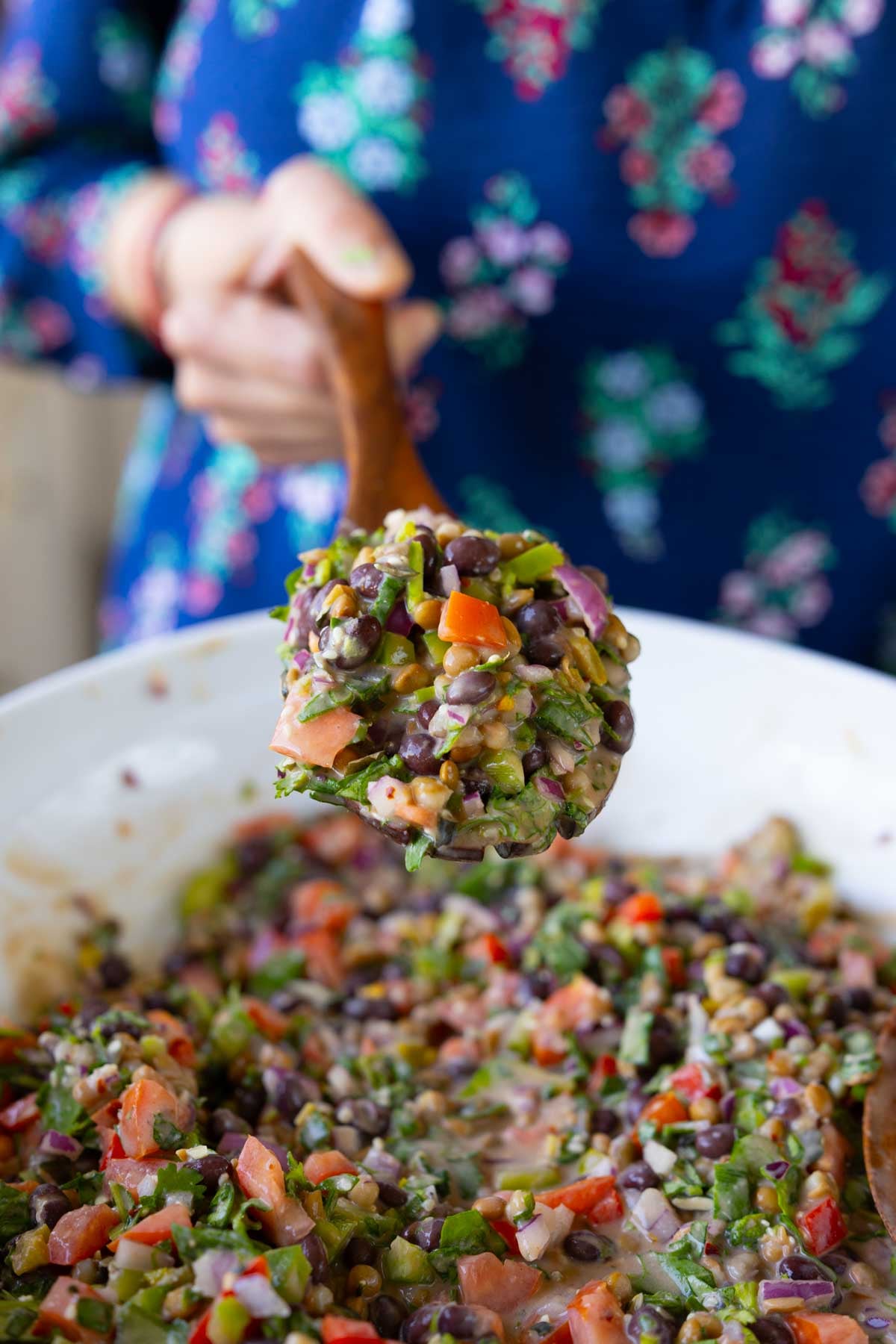
- Uniform Chopping: A key technical requirement is the consistency of the vegetable cuts. Ingredients are diced to a size comparable to the beans, which ensures that every forkful provides a balanced ratio of textures.
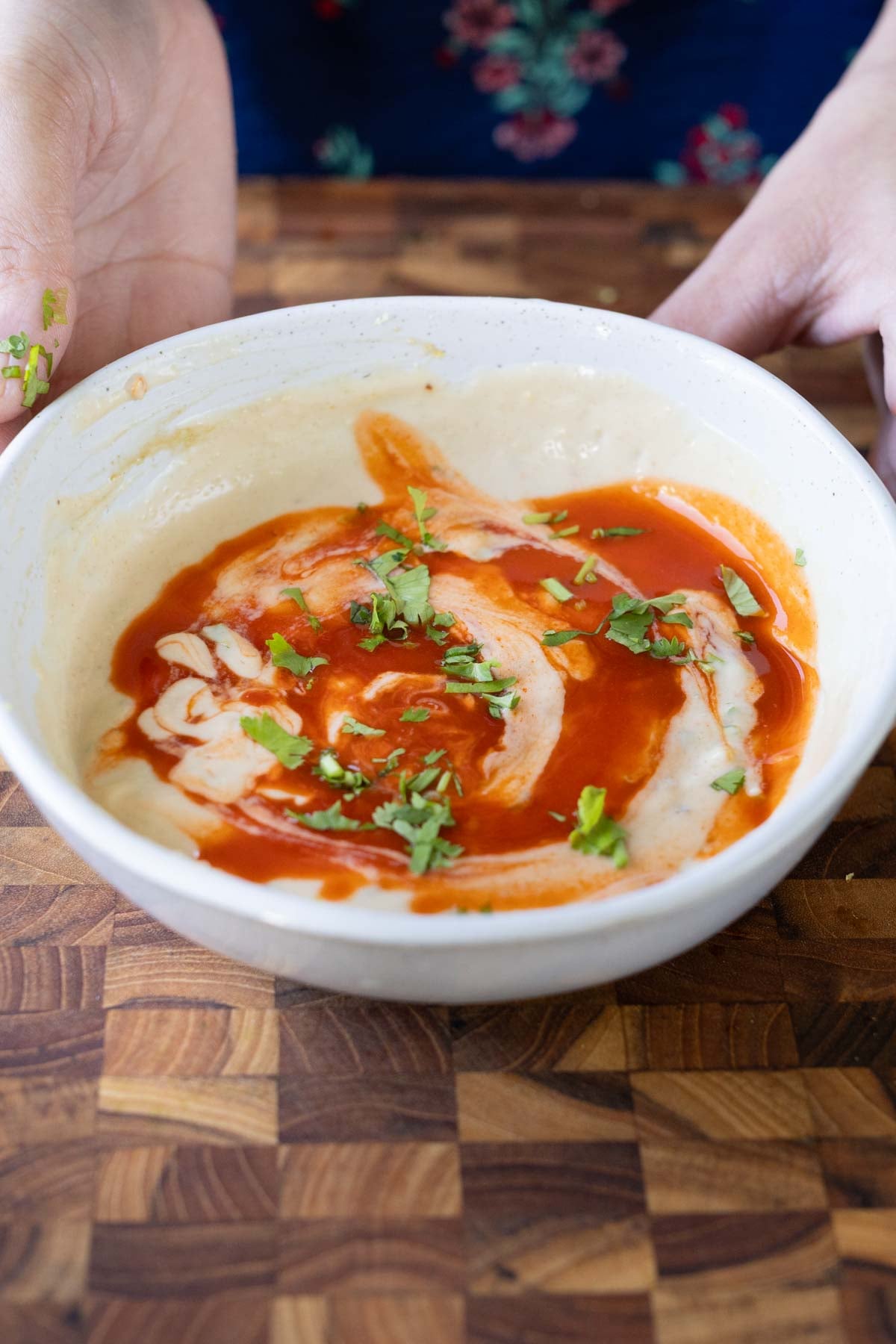
- Dressing Emulsification: The creamy lemon dressing, often based on non-dairy yogurt or silken tofu, serves as the binding agent. The inclusion of lemon zest and juice provides an acidic profile that cuts through the starchiness of the beans.
- Integration and Maturation: The salad is tossed and then refrigerated for a minimum of one hour. This step is critical; it allows the cellulose of the vegetables and the starches of the beans to absorb the dressing, significantly enhancing the flavor profile over the subsequent 24 to 48 hours.
Broad-Spectrum Versatility and Dietary Flexibility
A significant factor in the widespread adoption of this recipe is its high degree of adaptability to various dietary requirements. The base recipe is naturally gluten-free, soy-free, and nut-free, provided that specific substitutions—such as using a soy-free Worcestershire sauce or a nut-free plant-based yogurt—are utilized. This flexibility makes it an ideal candidate for inclusive menu planning in diverse households.
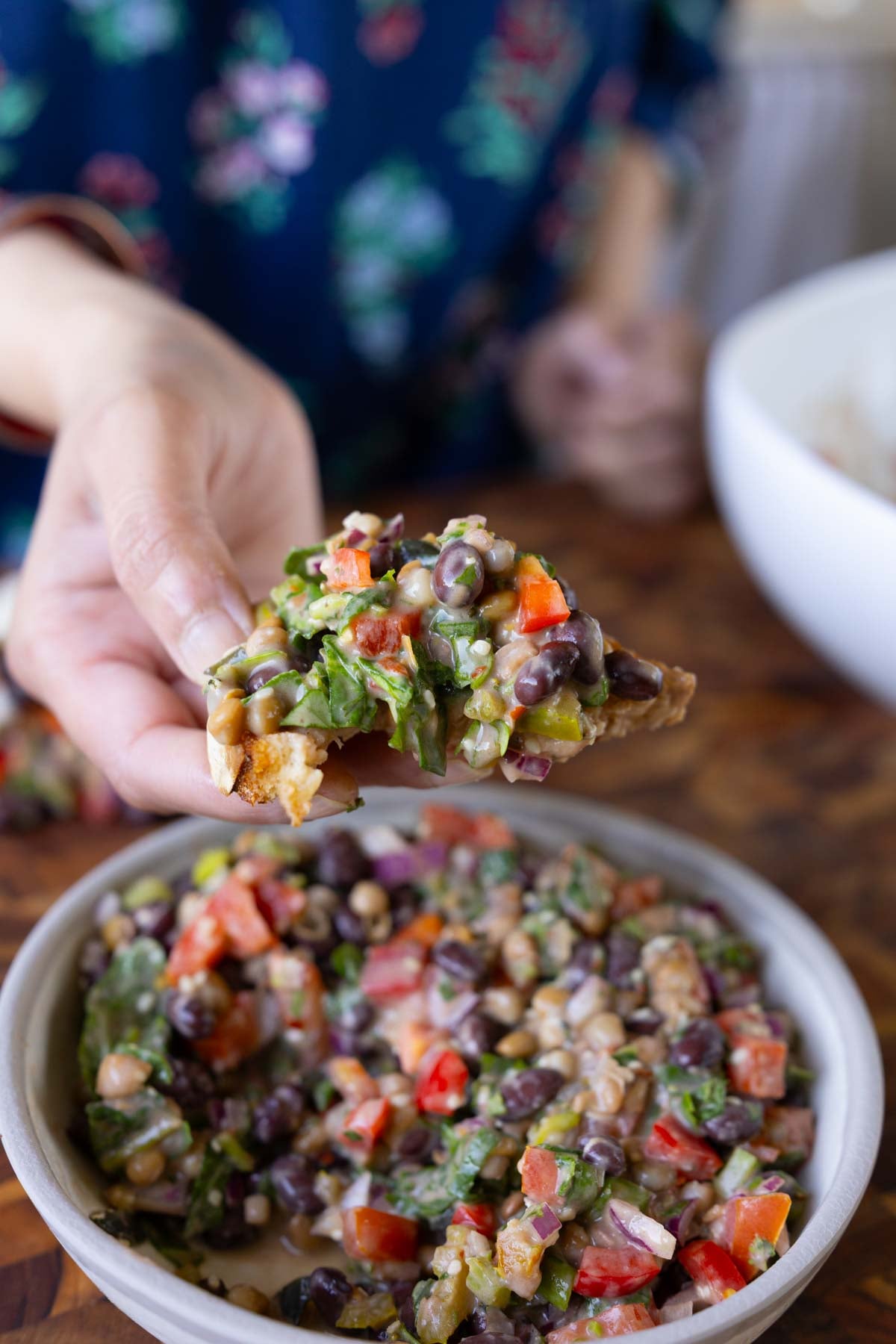
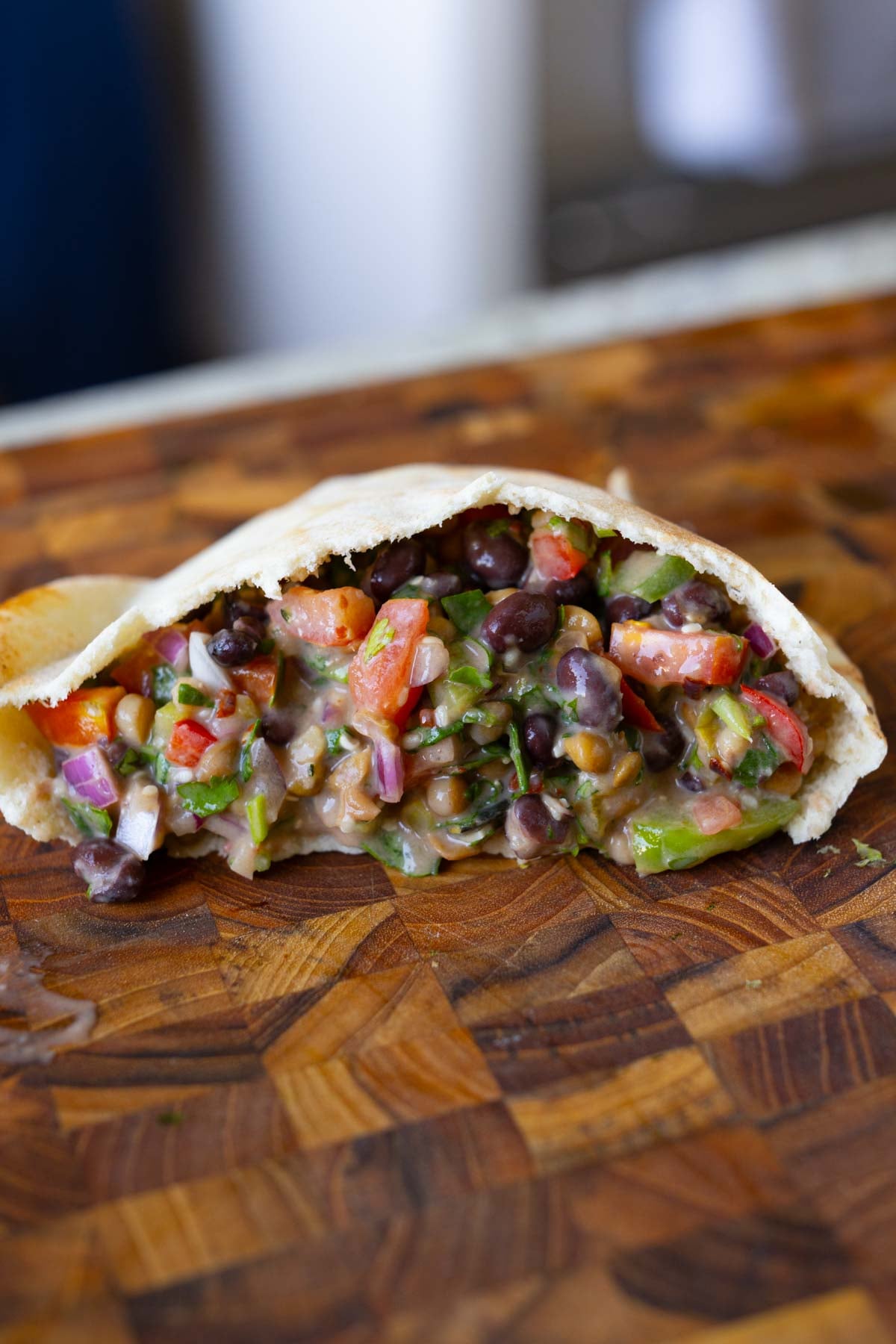
Furthermore, the dish functions as a modular component in a broader culinary repertoire. It is frequently served as a standalone bowl, but its utility extends to serving as a protein-rich filling for tacos, a topping for quinoa or farro bowls, or as an accompaniment to artisanal bread. This versatility highlights a shift in home cooking away from rigid recipes toward modular, component-based assembly, where a single large batch can serve as the foundation for multiple distinct meals throughout the week.
Socio-Economic Impact and Sustainability
Beyond the individual health benefits, the dense bean salad reflects a broader trend toward sustainable, budget-friendly nutrition. Legumes are among the most environmentally sustainable protein sources, requiring significantly less water and land compared to animal-derived proteins. As food inflation continues to impact household budgets globally, the pivot toward shelf-stable, plant-based staples like beans and lentils represents a pragmatic economic strategy.
Agricultural economists note that the increased consumer interest in pulse crops—the dried seeds of legumes—has prompted a reassessment of these crops in supply chains. By elevating the profile of beans from a side dish to the primary component of a meal, the recipe contributes to a more diversified agricultural demand.
Expert Analysis of Future Trends
Food industry analysts suggest that the "dense bean salad" model may influence the development of future pre-packaged consumer goods. The demand for "clean label," high-fiber, and high-protein ready-to-eat meals is currently outpacing other segments of the grocery market. Retailers are increasingly looking to replicate the "mix-and-match" texture of these salads in prepared food sections.
However, the primary implication for the average consumer remains the simplification of healthy eating. The success of this trend serves as a case study for how simple, ingredient-focused, and highly portable food can compete with the convenience of ultra-processed alternatives. By focusing on the structural density of the salad—ensuring that the consumer remains full for several hours—the recipe successfully bridges the gap between the culinary requirements of taste and the biological requirements of satiety.
In conclusion, the anti-inflammatory dense bean salad is more than a social media trend; it is a manifestation of contemporary nutritional priorities. By prioritizing fiber, plant-based protein, and ease of preparation, this dish provides a replicable blueprint for sustainable, health-focused meal preparation that is accessible to a wide demographic. Whether adopted for its health benefits, its economic efficiency, or its versatility, the dense bean salad is firmly positioned to remain a cornerstone of modern, conscious eating.