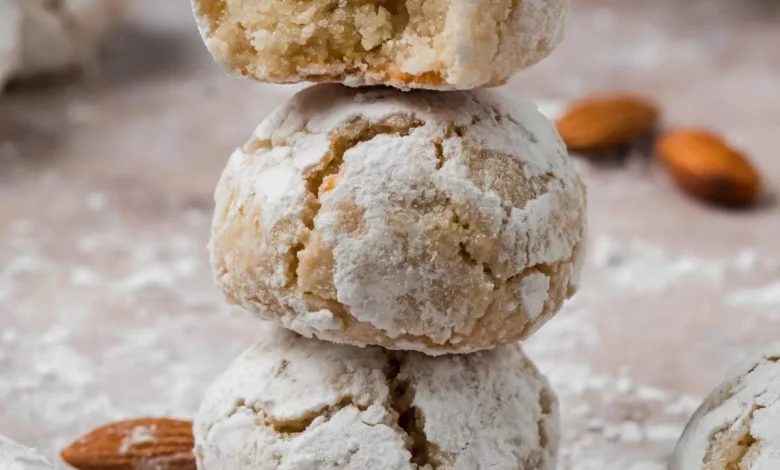
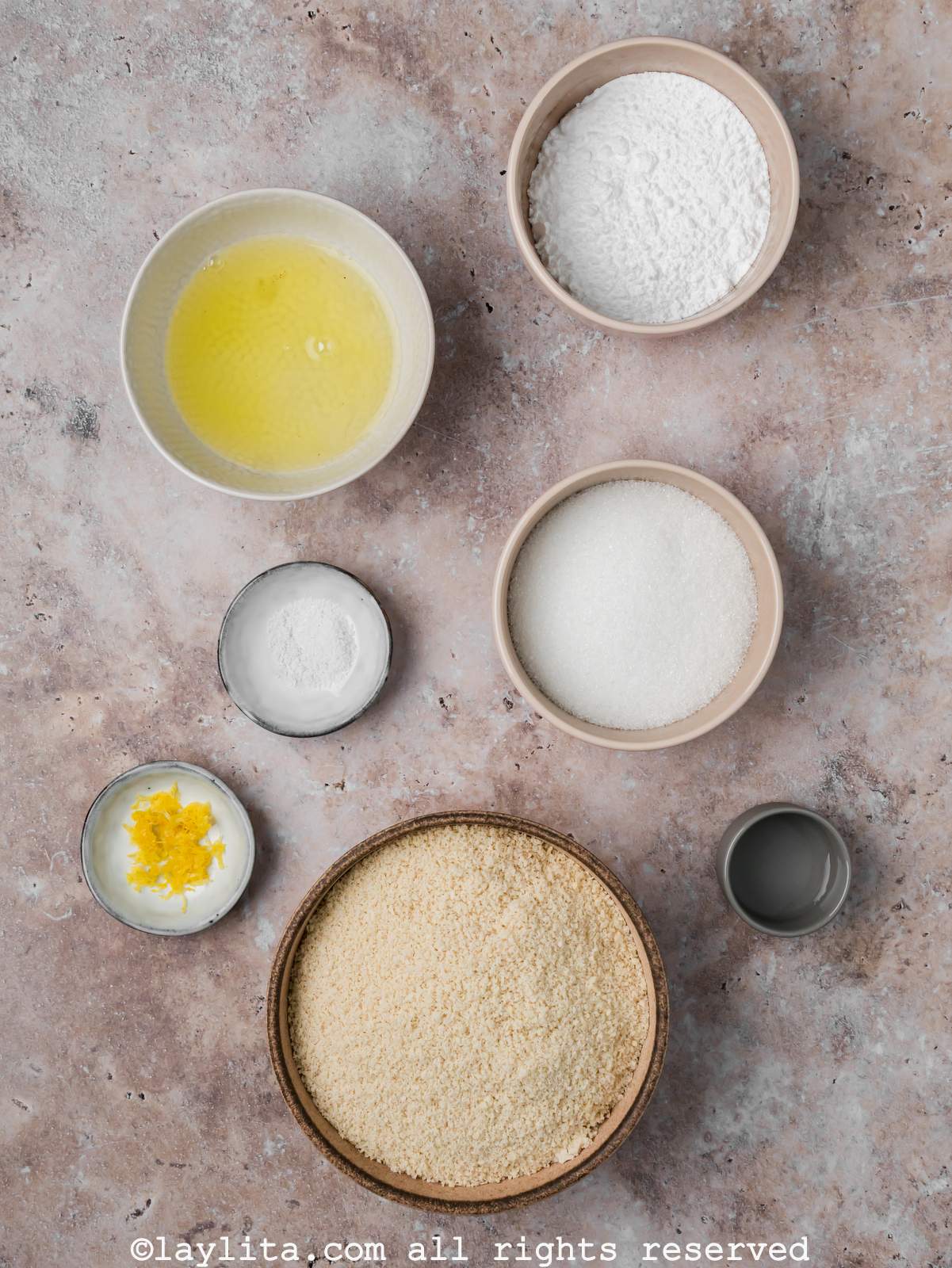
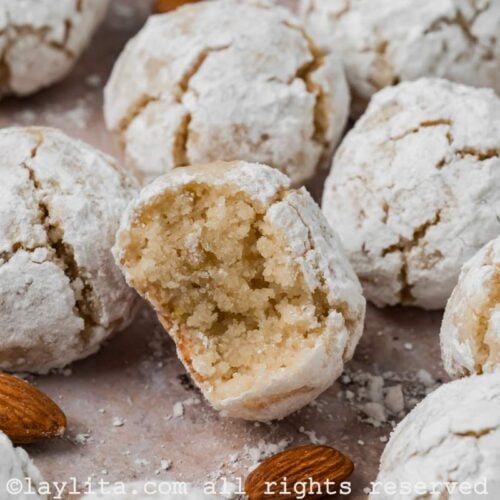
The global culinary landscape continues to embrace traditional, minimally processed European confections, with classic Italian Amaretti cookies experiencing a significant surge in popularity among home bakers and artisan dessert enthusiasts. Renowned for their distinctive crackled exterior, soft almond-rich interior, and naturally gluten-free composition, these traditional delicacies require just seven fundamental ingredients: ground almonds, sugar, egg whites, and select aromatic enhancers.
Historical Evolution and Cultural Context
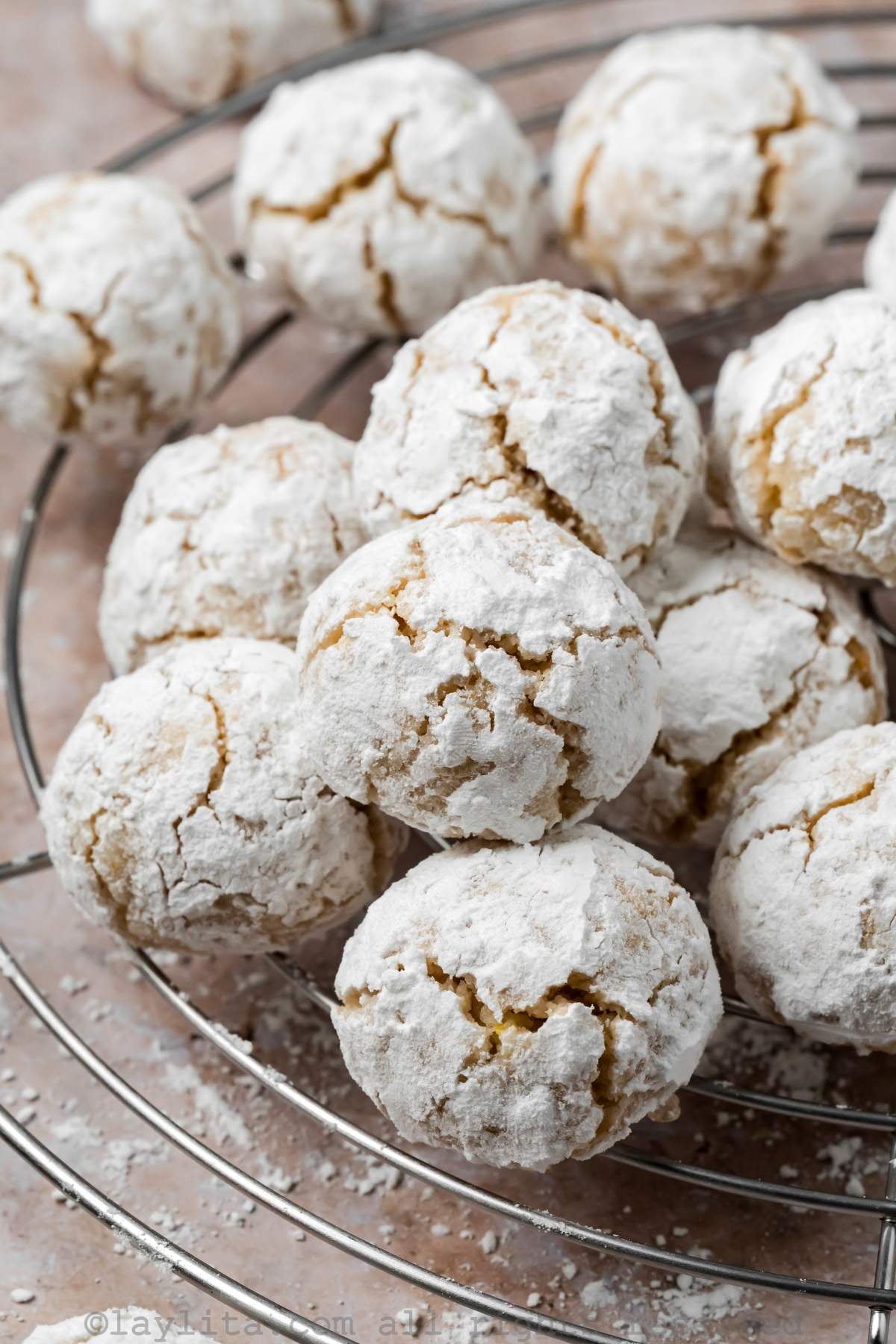
Originating in the Piedmont and Lombardy regions of Italy during the Renaissance, Amaretti biscuits hold a storied place in European baking heritage. Historical food historians trace the earliest iterations of the recipe to the early 18th century, though almond-based confections had been prepared across the Mediterranean basin for centuries prior.
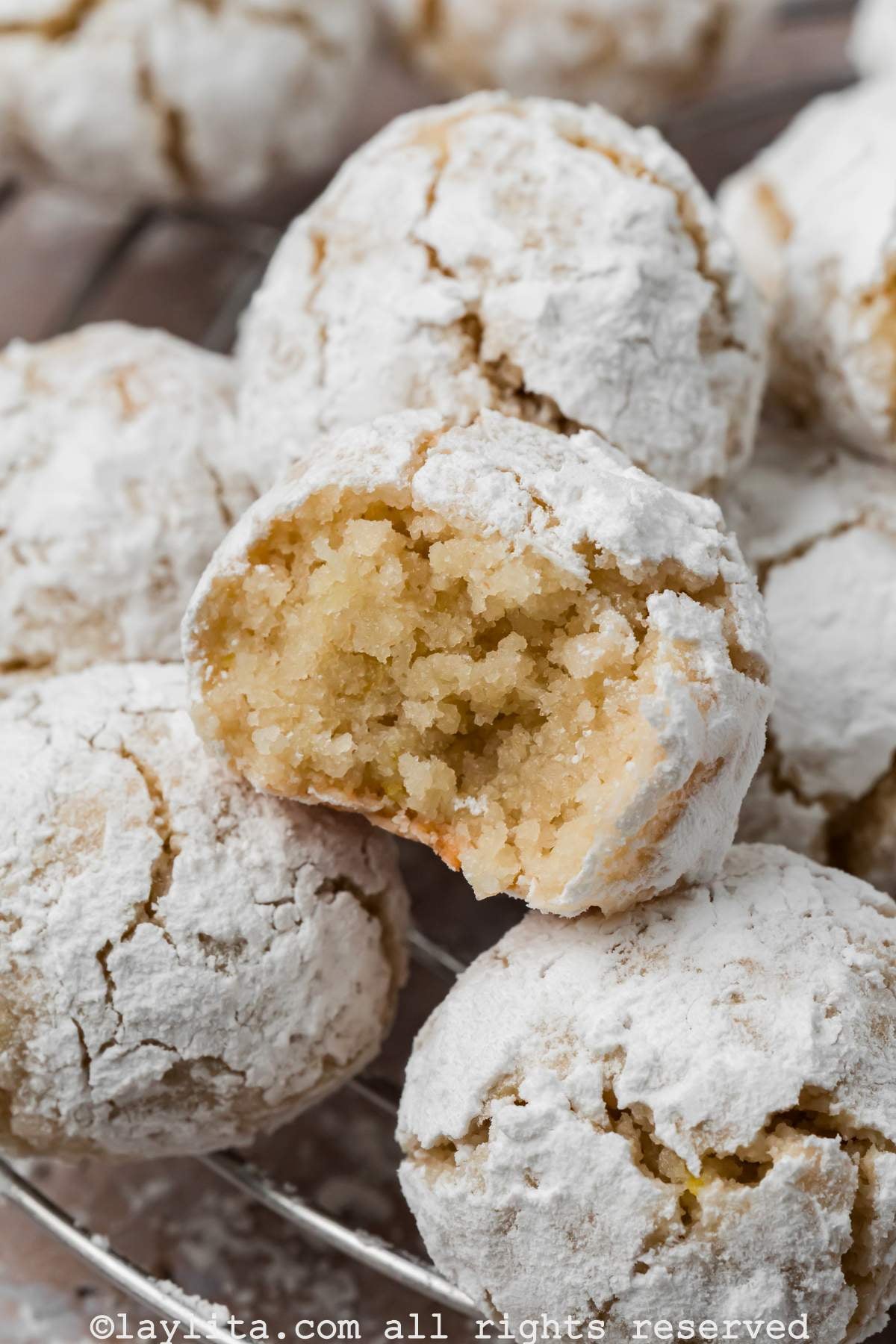
The name itself is derived from the Italian adjective amaro, translating to "bitter." This nomenclature serves as a direct reference to the traditional inclusion of bitter almonds or apricot kernels—known scientifically as Prunus armeniaca—which provide the distinct, complex marzipan-like bitterness that balances the heavy sweetness of the refined sugar. In modern culinary adaptations, particularly those intended for widespread domestic consumption, pure almond flour combined with a concentrated dose of almond extract or bitter almond liqueur has largely replaced raw apricot kernels to ensure safety while maintaining the characteristic flavor profile.
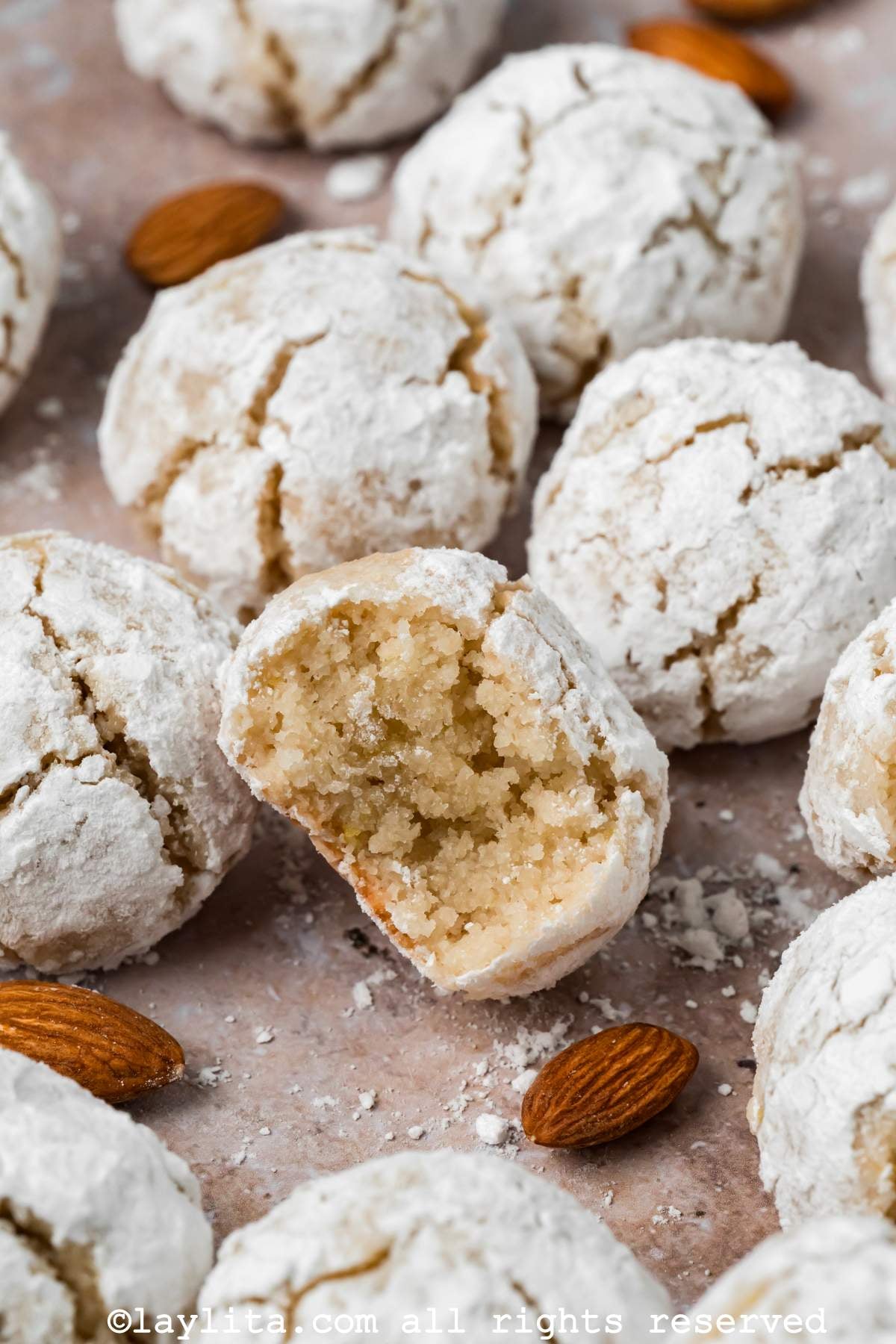
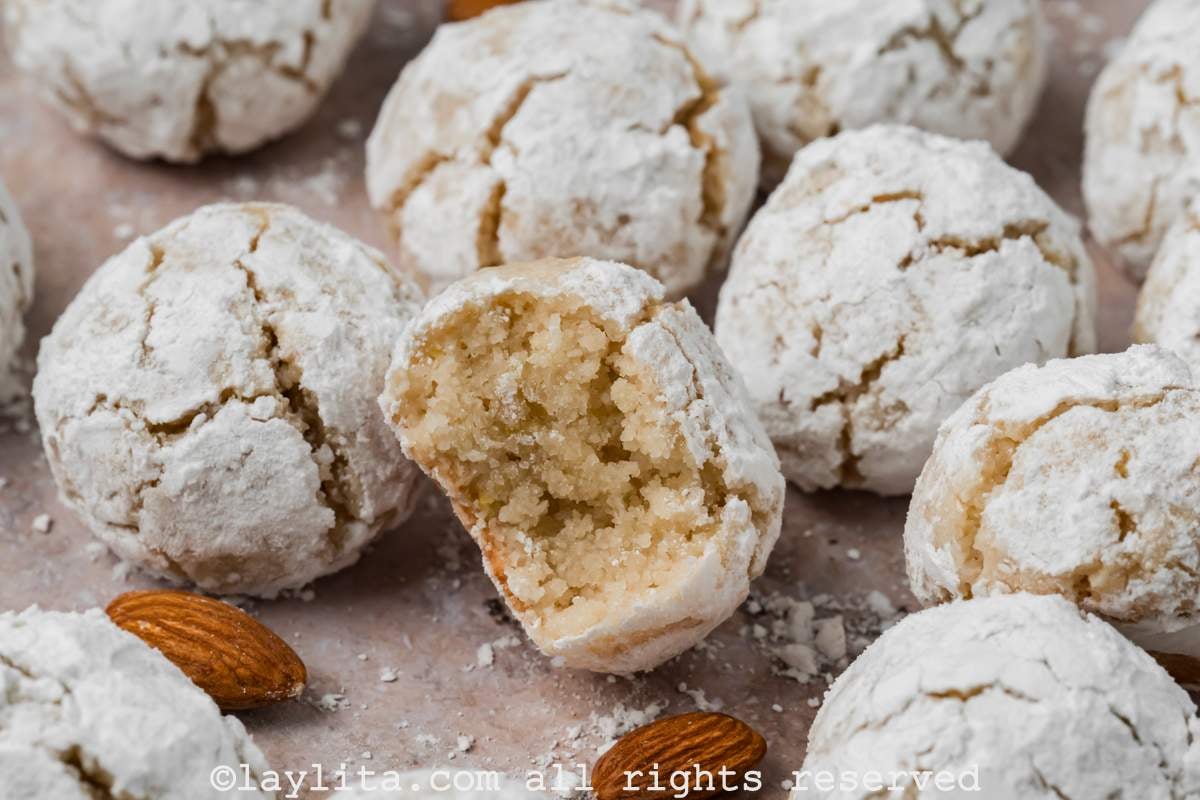
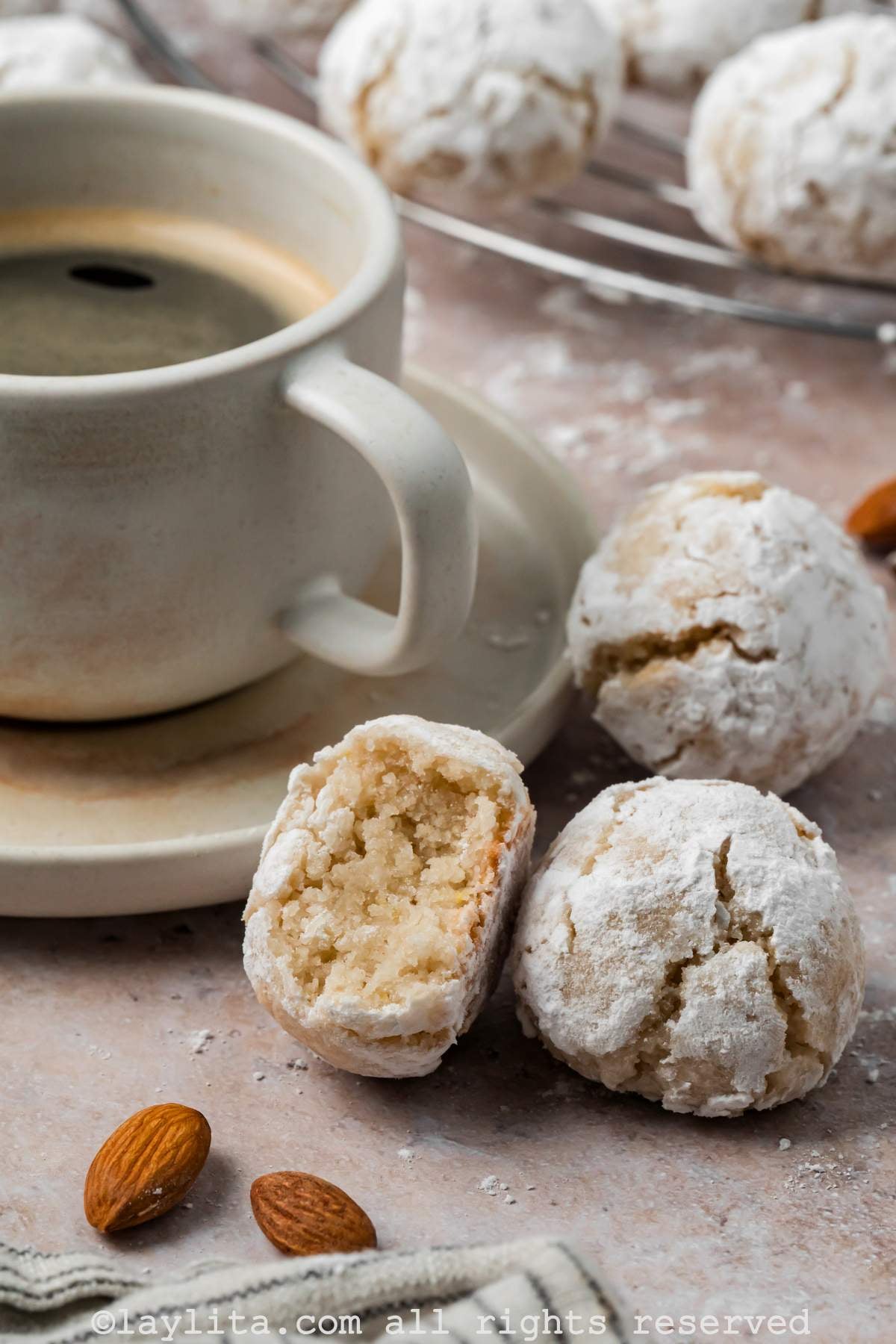
Throughout Italy, Amaretti are traditionally divided into two distinct categories: amaretti morbidi (soft, chewy cookies native to regions like Saronno and Mombaruzzo) and amaretti secchi (crisp, airy macaroons that snap cleanly and are often used as textural components in complex desserts like bonet or layered trifles). The soft-style variant, characterized by a snowy powdered-sugar coating and an interior texture akin to a fine marzipan truffle, remains a staple pairing for afternoon espresso and holiday hospitality trays across Europe.
Nutritional Profile and Dietary Adaptations
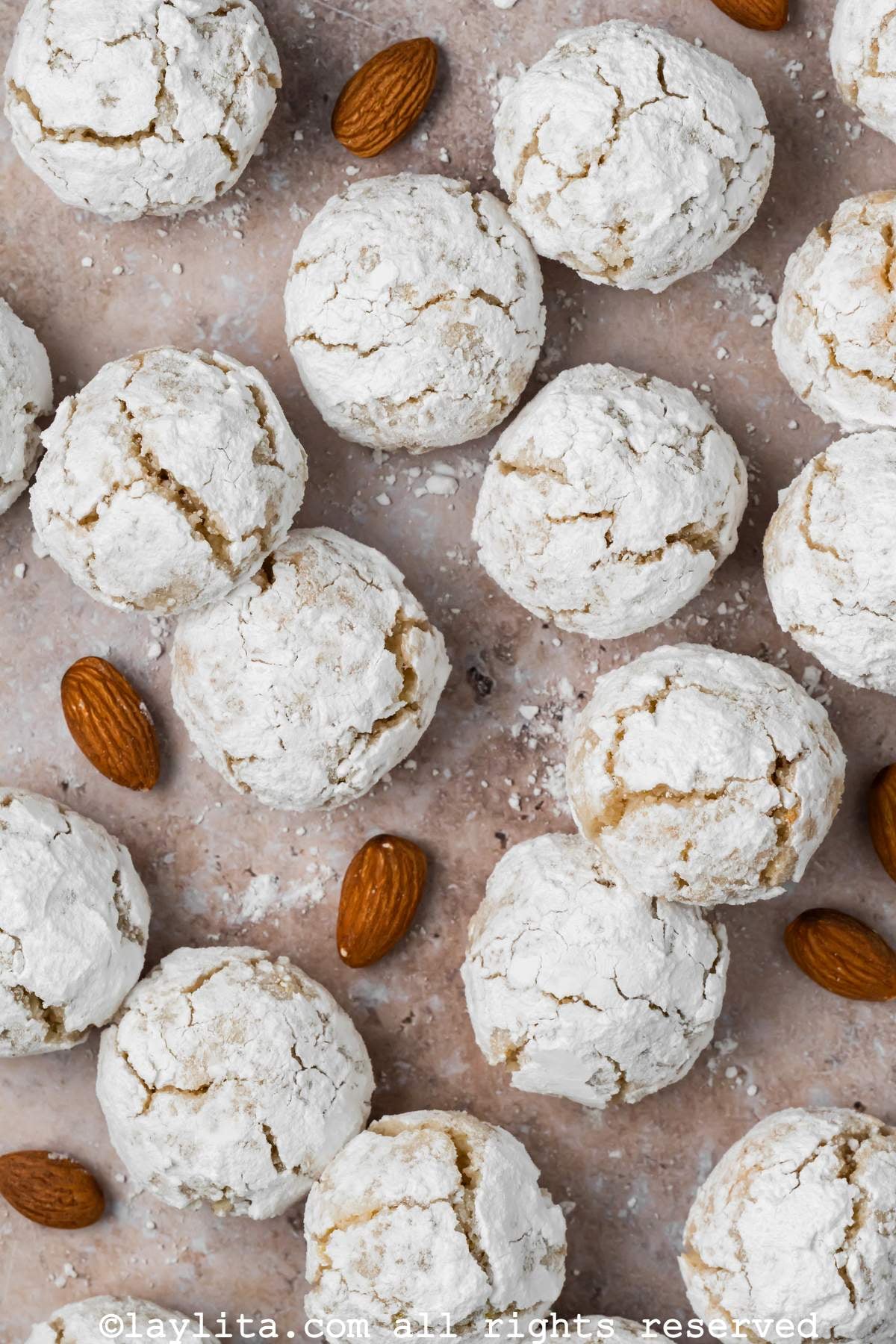
As dietary preferences increasingly trend toward allergen-conscious and grain-free alternatives, Amaretti cookies have emerged as a naturally compliant option for individuals managing celiac disease, non-celiac gluten sensitivity, or general wheat-free dietary restrictions. Because traditional Italian recipes rely entirely on nutrient-dense ground almonds or store-bought almond flour rather than standard wheat derivatives, the pastry structurally eliminates the need for xanthan gum or commercial gluten-free flour blends.
Nutritional analyses of standard almond-based confections indicate a favorable macronutrient distribution compared to traditional shortbreads or wheat-flour cookies. Almonds contribute substantial amounts of monounsaturated fatty acids, dietary fiber, plant-based protein, and micronutrients such as vitamin E and magnesium. However, pastry chefs and nutritionists emphasize that the high sugar content—necessary to achieve the characteristic structural integrity and moisture retention of the cookie—requires moderate consumption within a balanced diet.
Culinary Mechanics: The Science of the Crackle
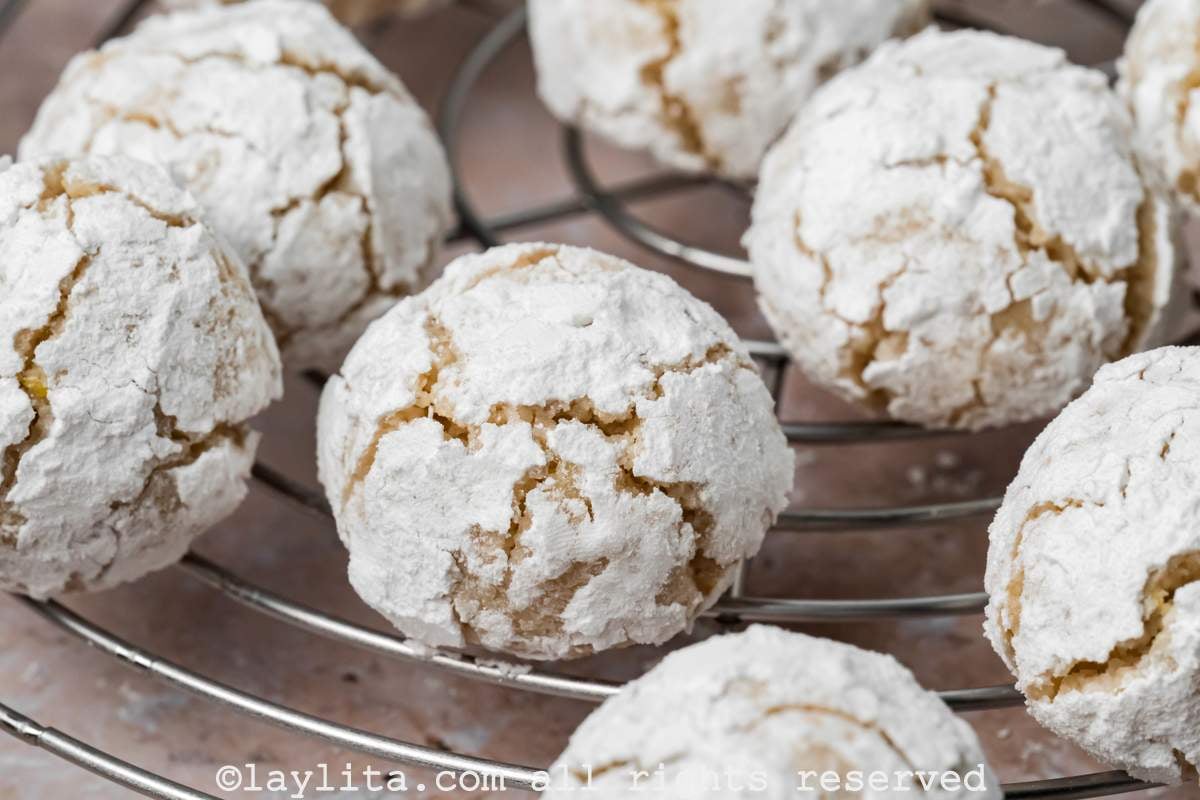
Achieving the iconic, snow-dusted, crackled exterior of a successful soft Amaretti cookie relies on precise chemical and physical interactions during the mixing and baking phases. Culinary scientists attribute the signature top-surface fissures to the rapid expansion of trapped air within whipped egg whites, coupled with the dehydration of the exterior sugar layer exposed to direct oven heat.
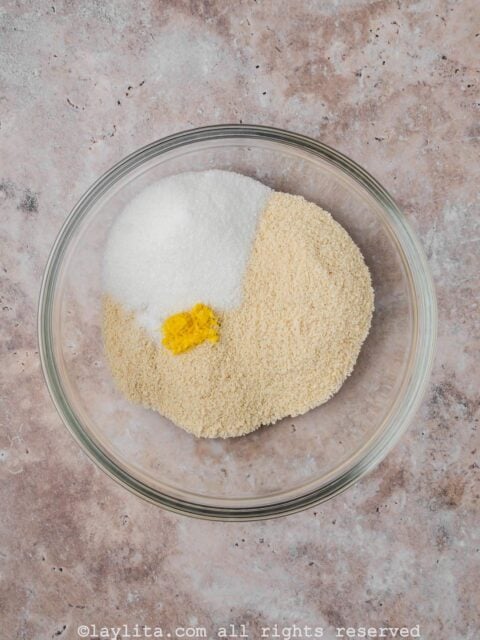
To replicate professional results in a home kitchen, adherence to specific methodological steps is critical:
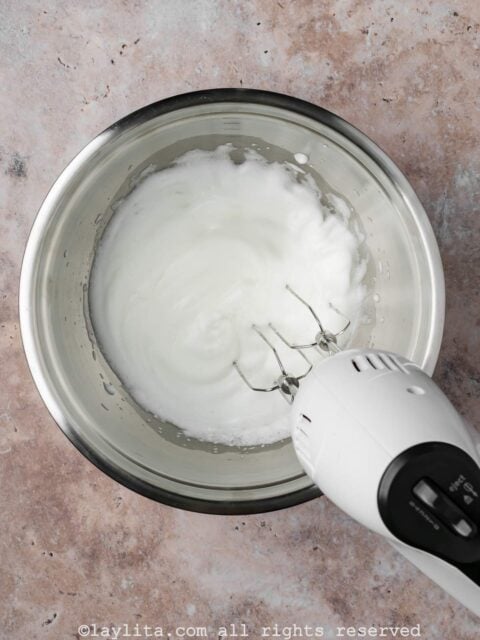
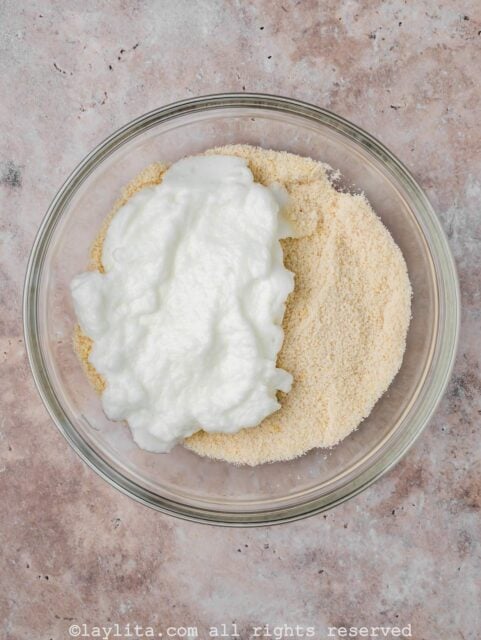
- Protein Structure: Egg whites must be whisked to medium-firm peaks before folding. This incorporates the necessary aeration without destabilizing the heavy almond paste. Over-whipping can lead to a dry, hollow interior, while under-whipping causes the dough to spread excessively into flat disks rather than maintaining a domed profile.
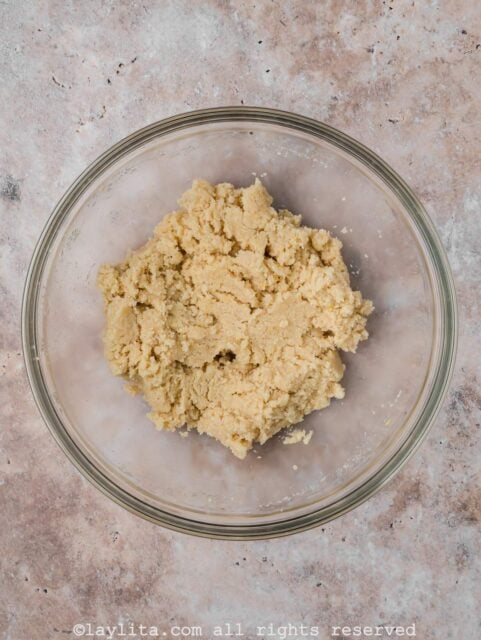
- Moisture Management: The ratio of almond flour to sugar must remain carefully balanced. If the dough composition is excessively loose, incorporating an additional tablespoon of finely ground almond flour stabilizes the structural matrix.
- Surface Treatment: Rolling the unbaked dough balls thoroughly in confectioner’s sugar prior to baking is non-negotiable. As the internal moisture heats and expands, the outer crystalline sugar shell fractures, creating the prized visual contrast between dark almond paste and bright white sugar crust.
Global Market Trends and Industry Implications
The commercial and domestic resurgence of traditional European baking recipes aligns with broader consumer movements toward heritage foods, scratch cooking, and simplified ingredient lists. Market research data from specialty baking sectors indicate a consistent year-over-year increase in the retail sales of almond flour, marzipan products, and artisanal extracts.
Culinary educators and pastry instructors attribute this trend to a collective desire for approachable yet sophisticated baking projects. Unlike laminated pastries or multi-tiered celebration cakes, recipes requiring fewer than ten components empower novice bakers to achieve professional-grade results without specialized commercial equipment.
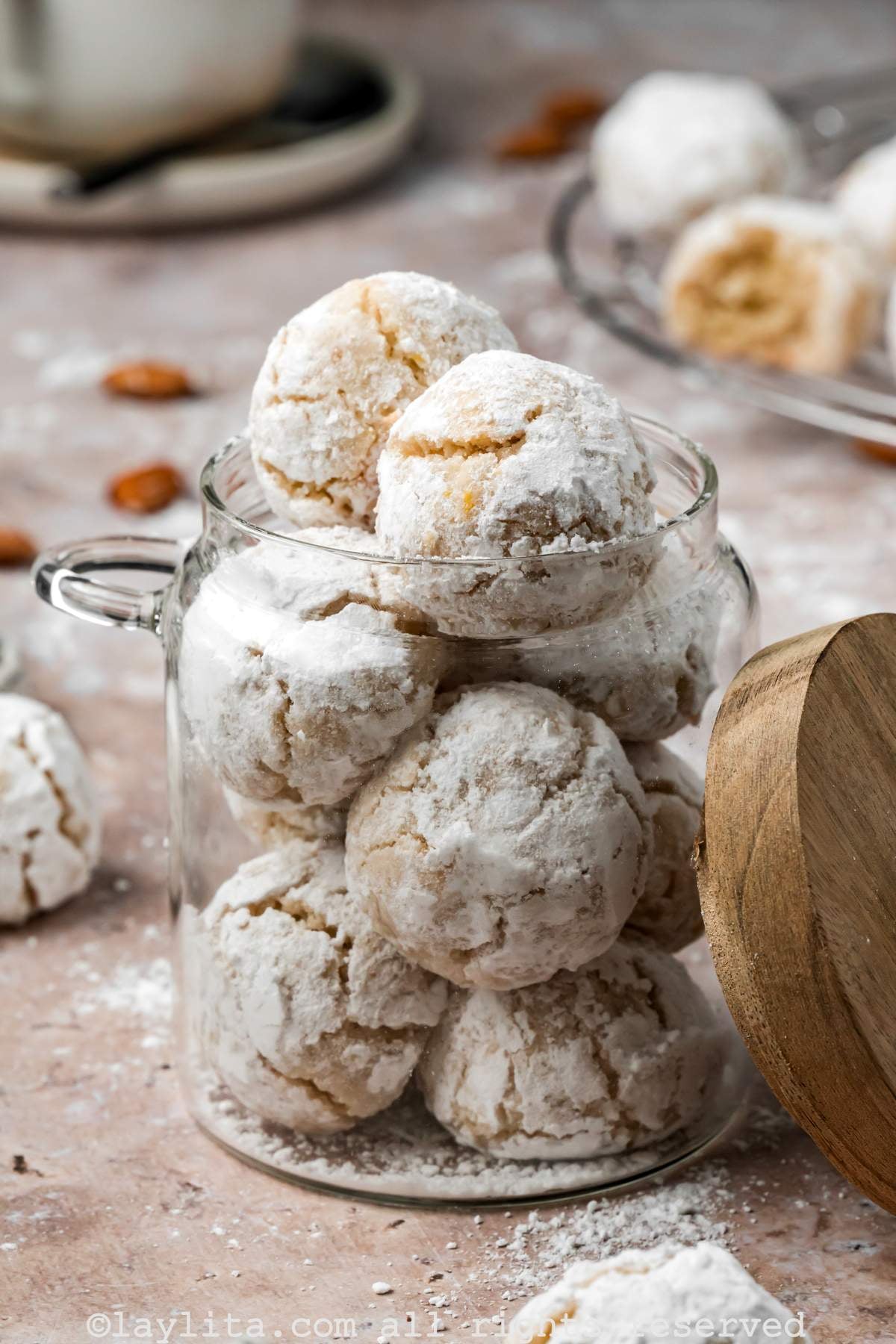
Furthermore, the integration of Amaretti into modern holiday baking traditions across North America, Latin America, and Europe demonstrates the cross-cultural appeal of Italian confectionery arts. Whether served alongside a morning cappuccino, crumbled over artisanal panna cotta, or packaged as handmade holiday gifts, these enduring almond cookies continue to bridge historical baking traditions with contemporary culinary preferences.