Dulce de Tayota (Chayote in Spiced Syrup): A Traditional Dominican Culinary Transformation

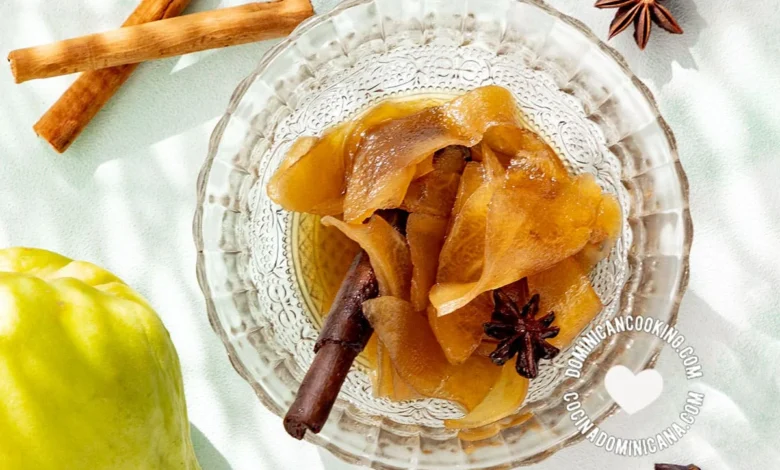
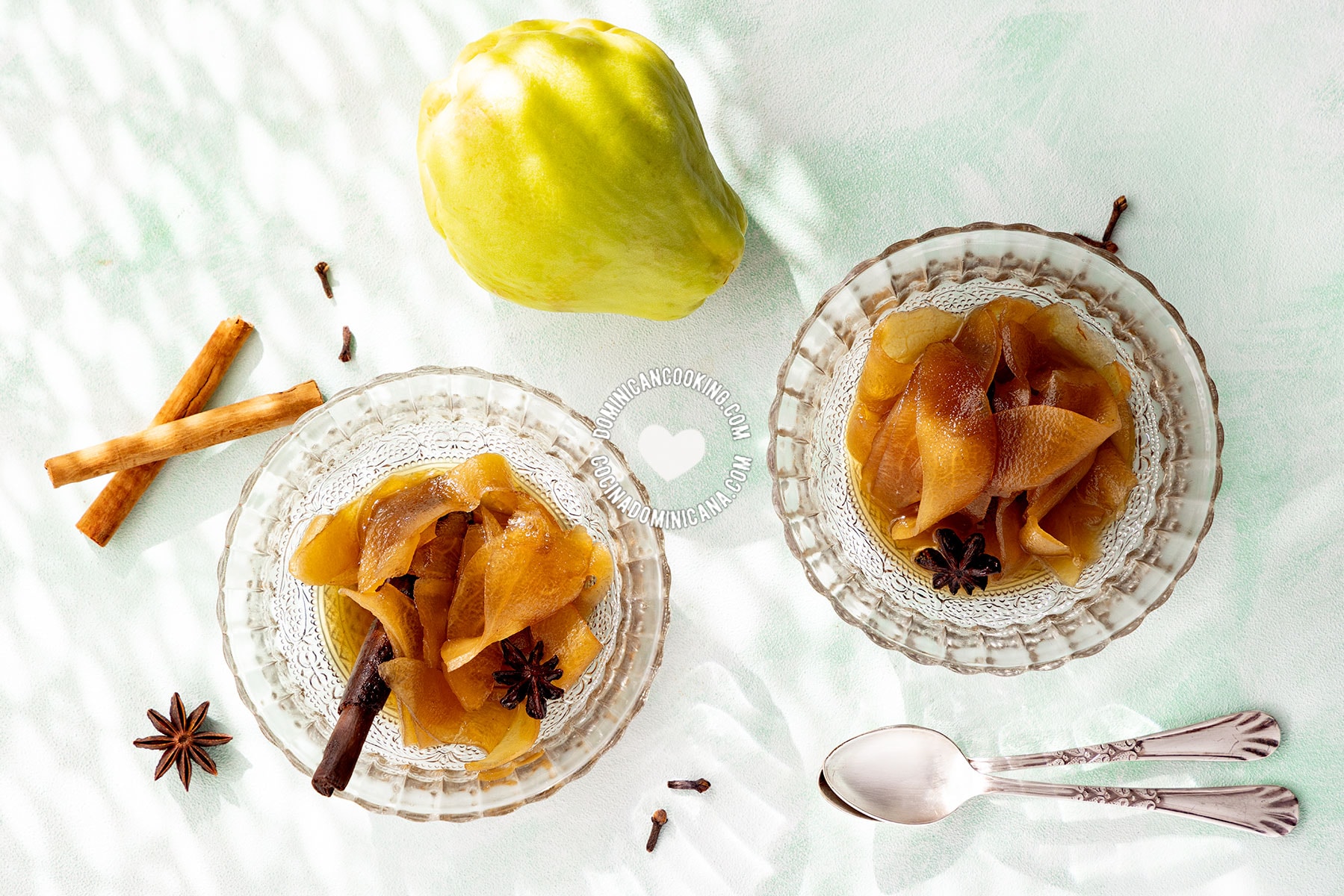
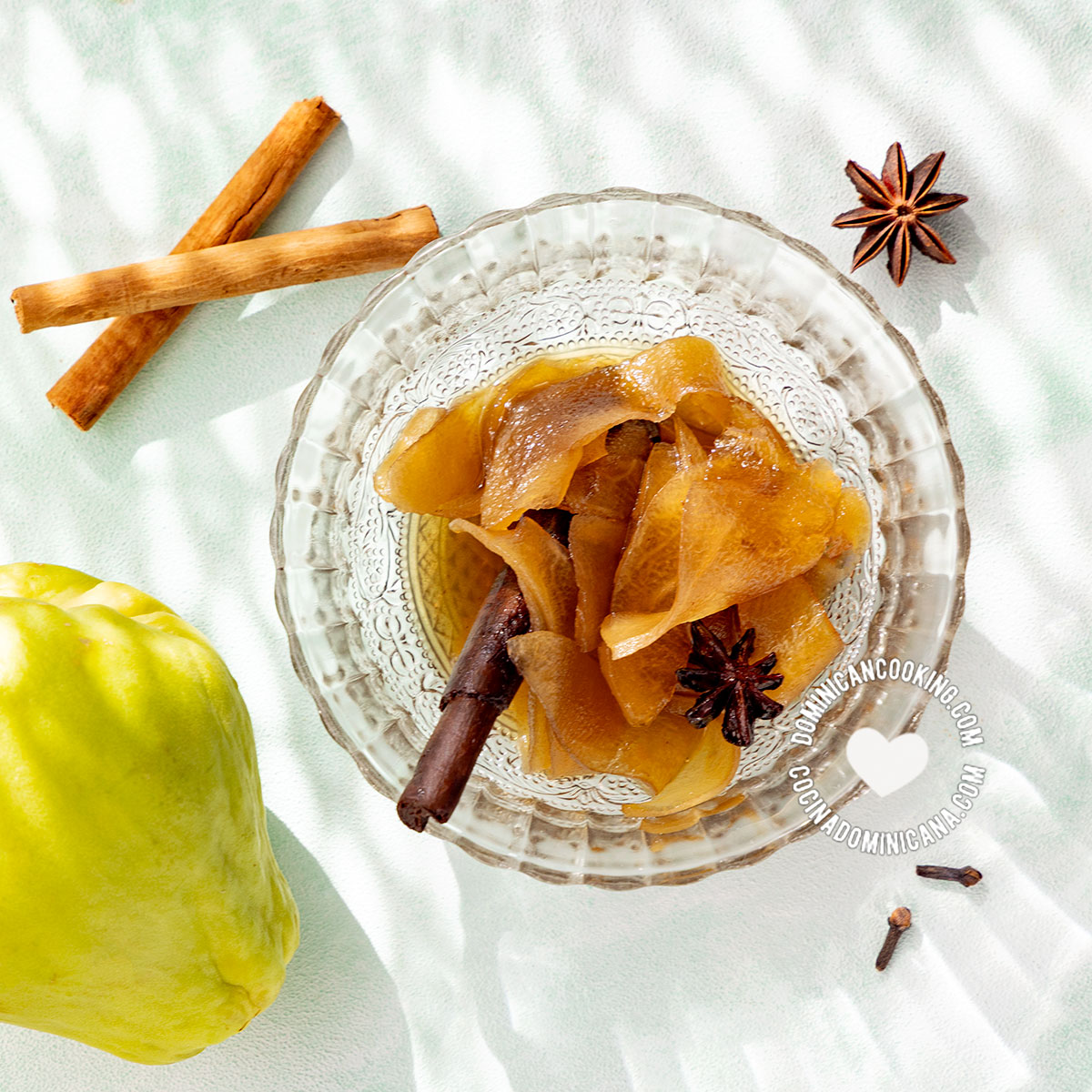
The humble chayote—known regionally as the tayota, christophine, or mirliton—has long served as a staple ingredient in savory Latin American and Caribbean cooking. Valued primarily for its crisp texture and mild, adaptable flavor profile, this vine-growing gourd frequently appears in traditional lunch spreads, stews, and side dishes across the Dominican Republic. However, culinary traditions throughout the region have consistently demonstrated that this vegetable is equally adept at crossing the culinary boundary from savory to sweet. Among the most enduring examples of this versatility is dulce de tayota, a traditional candied dessert prepared by simmering the vegetable in a rich, spiced sugar syrup until it is thoroughly infused with warmth, aroma, and sweetness.
Culinary History and Cultural Significance
The practice of transforming vegetables and starchy roots into sweet preserves (dulces en almíbar) is deeply embedded in Caribbean and Latin American foodways. Historically, preservation methods relied heavily on heavy sugar syrups to extend the shelf life of seasonal produce before the widespread availability of refrigeration. Over generations, these preservation techniques evolved into distinct culinary arts, yielding a variety of traditional fruit and vegetable sweets served during festive occasions, family gatherings, and everyday meals.
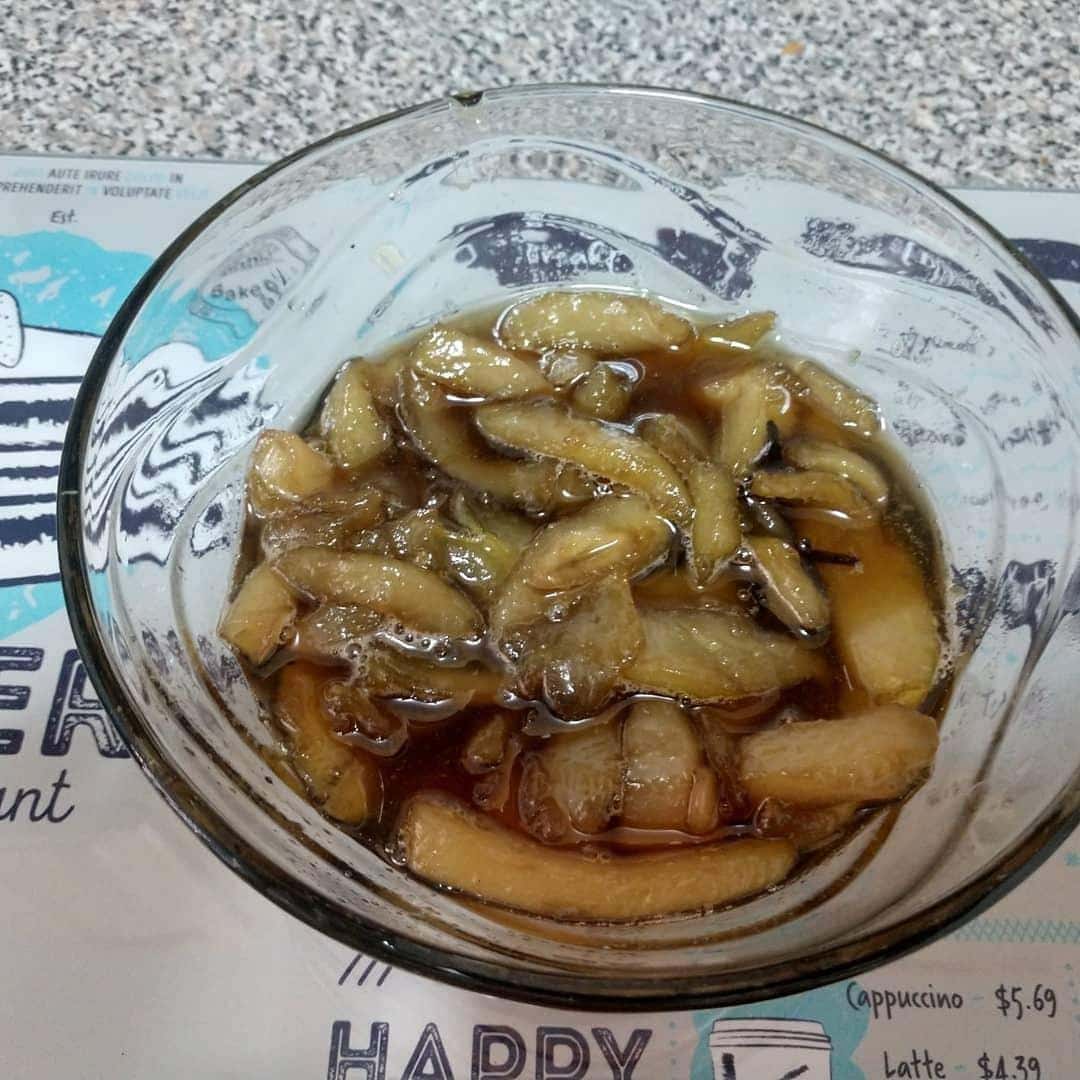
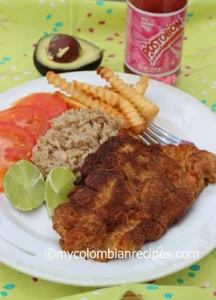
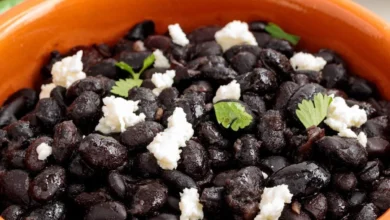
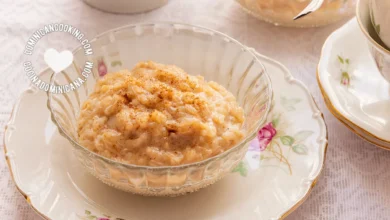
In Dominican households, desserts served in syrup occupy a cherished space in home cooking. They frequently appear at the conclusion of substantial midday meals, known locally as almuerzo, providing a sweet counterpoint to savory main courses like La Bandera Dominicana—the classic national dish consisting of white rice, red beans, and meat—or hearty locrios, which are Caribbean-style rice dishes cooked with various meats or seafood. While fruits such as papayas, figs, and oranges are common bases for these preserves, the use of vegetables like the tayota highlights the resourcefulness and ingenuity of traditional Caribbean cooks who maximized local agricultural yields.
Nutritional Profile and Botanical Context

Botanically classified as Sechium edule, the chayote is a perennial vine belonging to the gourd family, Cucurbitaceae, which also includes cucumbers, melons, and squash. Native to Mesoamerica, the plant was widely cultivated by indigenous peoples before spreading globally through Spanish and Portuguese trade routes. Agronomists note that the tayota thrives in tropical and subtropical climates, requiring minimal agricultural intervention and producing abundant yields year-round.
From a nutritional standpoint, the tayota is recognized for its exceptionally low carbohydrate and calorie content, making it a favorable ingredient for individuals managing specific dietary requirements, such as low-carb or ketogenic regimens. According to nutritional data compiled for standard culinary preparations, a typical serving of dulce de tayota prepared with traditional cane sugar contains approximately 159 kilocalories, roughly 41 grams of carbohydrates, 1 gram of protein, and negligible fat, alongside dietary fiber and essential minerals such as potassium and calcium. The vegetable’s natural water content and cellular structure allow it to readily absorb surrounding flavors during cooking, acting as a culinary sponge that takes on the aromatic properties of the ingredients it shares the pot with.
Preparation Methodology and Chronology
The preparation of dulce de tayota is characterized by its efficiency and straightforward methodology, requiring minimal active kitchen time while relying on a deliberate simmering process to achieve the desired texture and flavor infusion. Culinary timelines for the recipe generally estimate a five-minute preparation phase followed by a twenty-minute cooking duration, resulting in a total turnaround time of approximately twenty-five minutes.
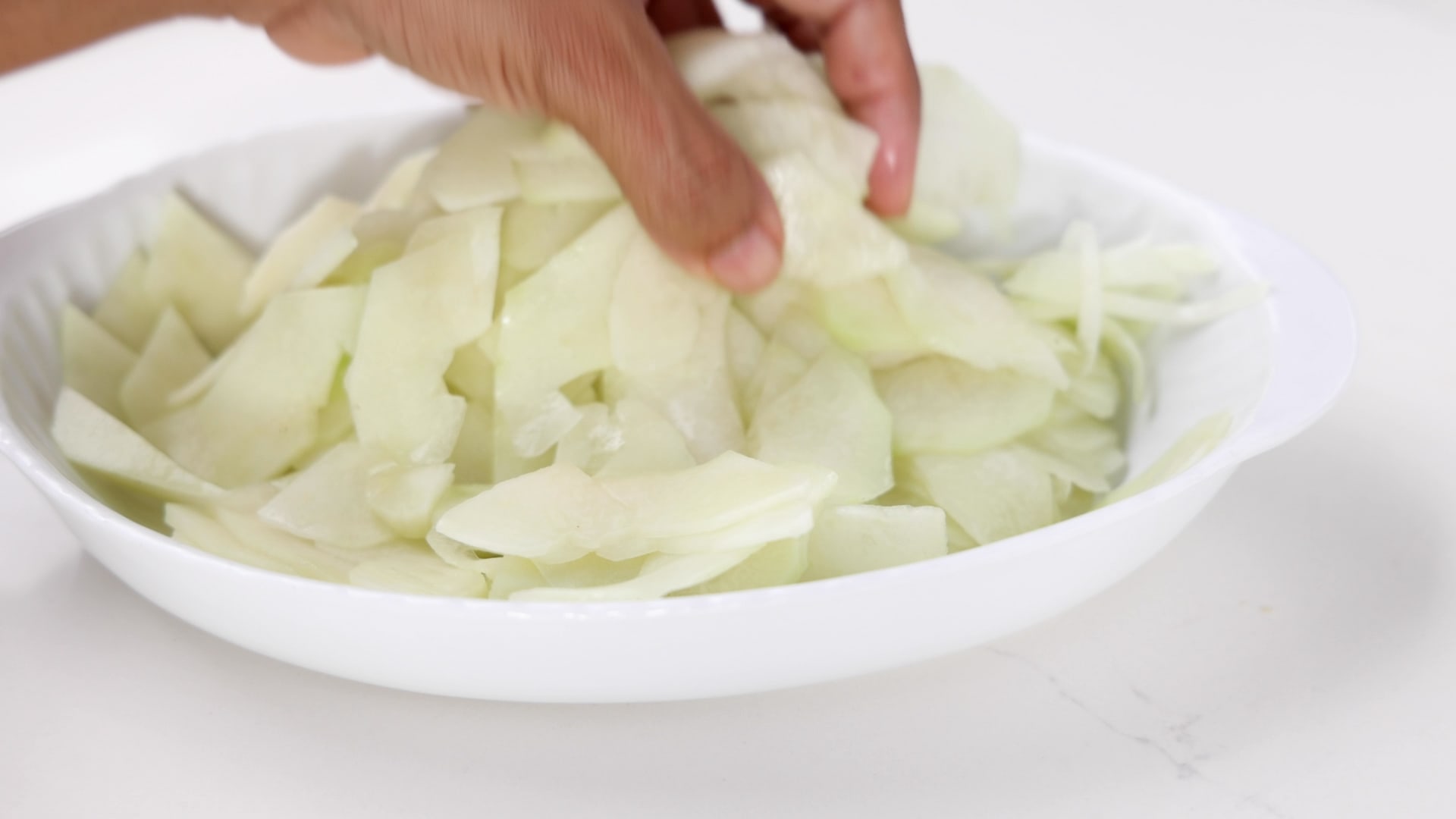
The standard culinary chronology begins with the careful selection and preparation of the tayota. Cooks must peel the outer skin—which can sometimes feature minor ridges or prickles depending on the variety—and remove the central seed pit. The flesh is then sliced into uniform wedges or cubes to ensure even cooking.
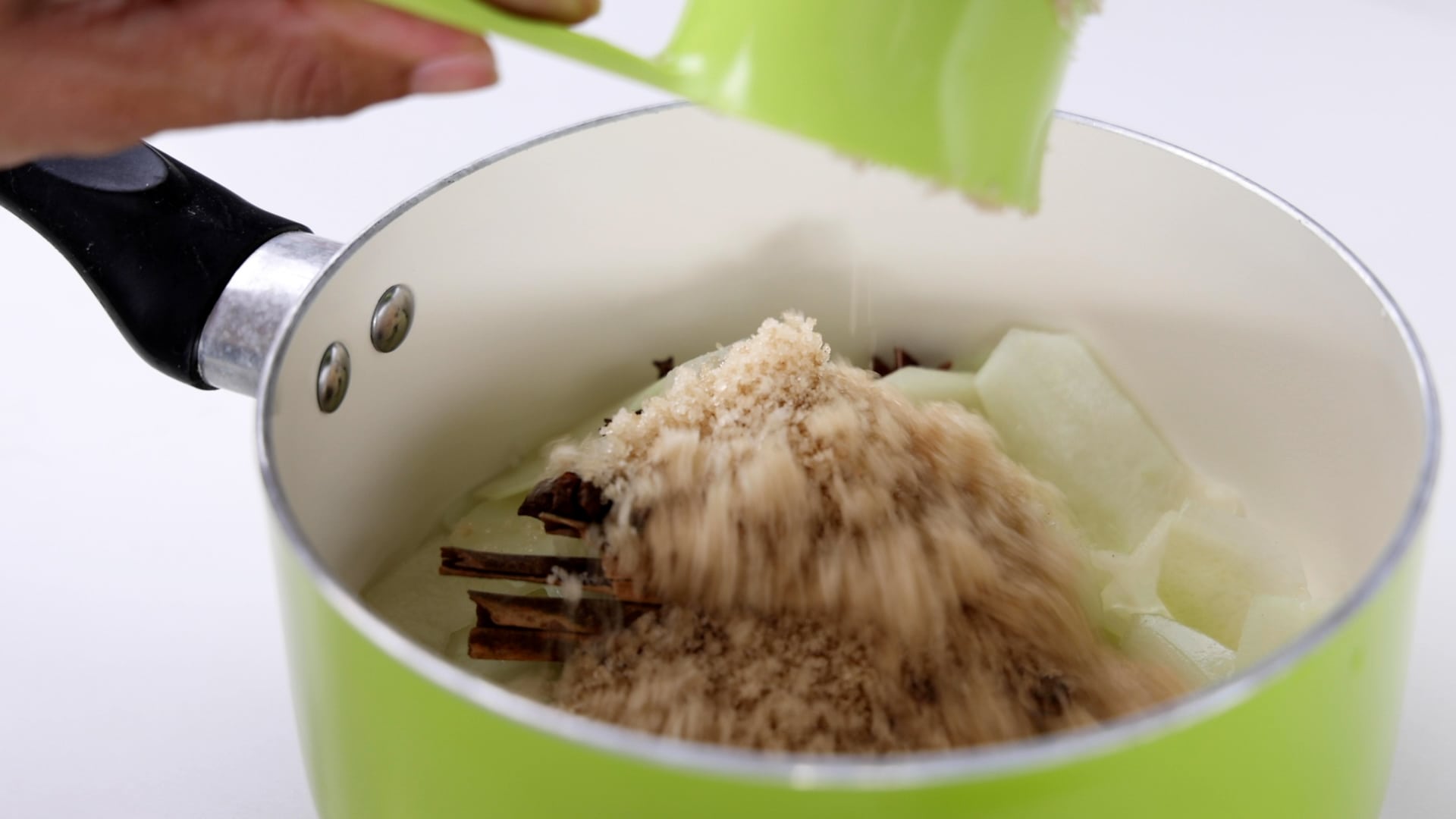
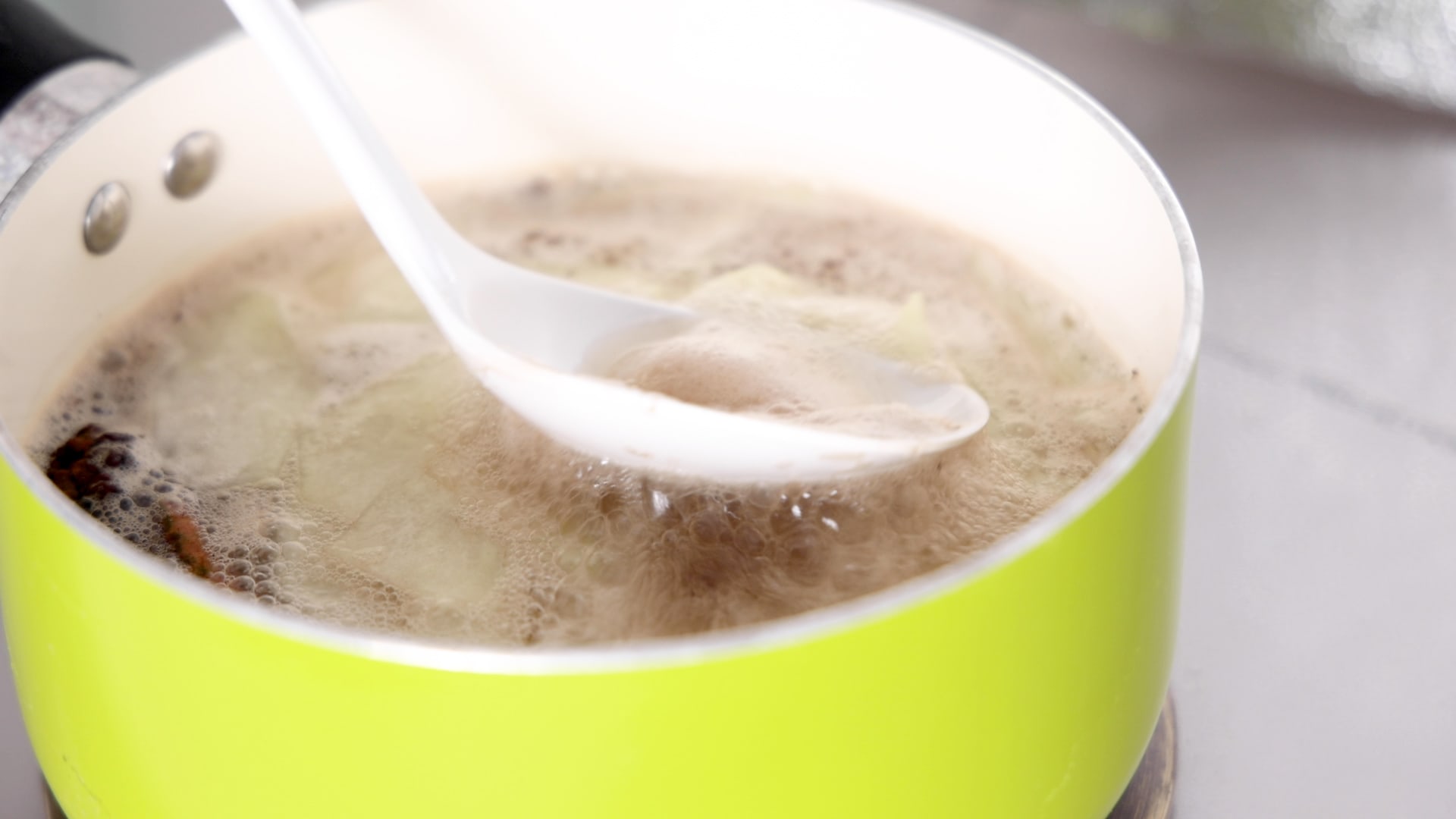
Once prepared, the sliced vegetable is combined in a heavy-bottomed saucepan with water, sweetening agents, and a proprietary blend of aromatic spices. While regional and family recipes vary, traditional spice profiles almost universally incorporate cinnamon sticks, cloves, and occasionally star anise, vanilla, or citrus peel such as lime or orange zest. As the mixture is brought to a boil and subsequently simmered, the sugar dissolves into a viscous syrup while the tayota softens and absorbs the aromatic compounds of the spices.
Serving Protocols and Storage Implications
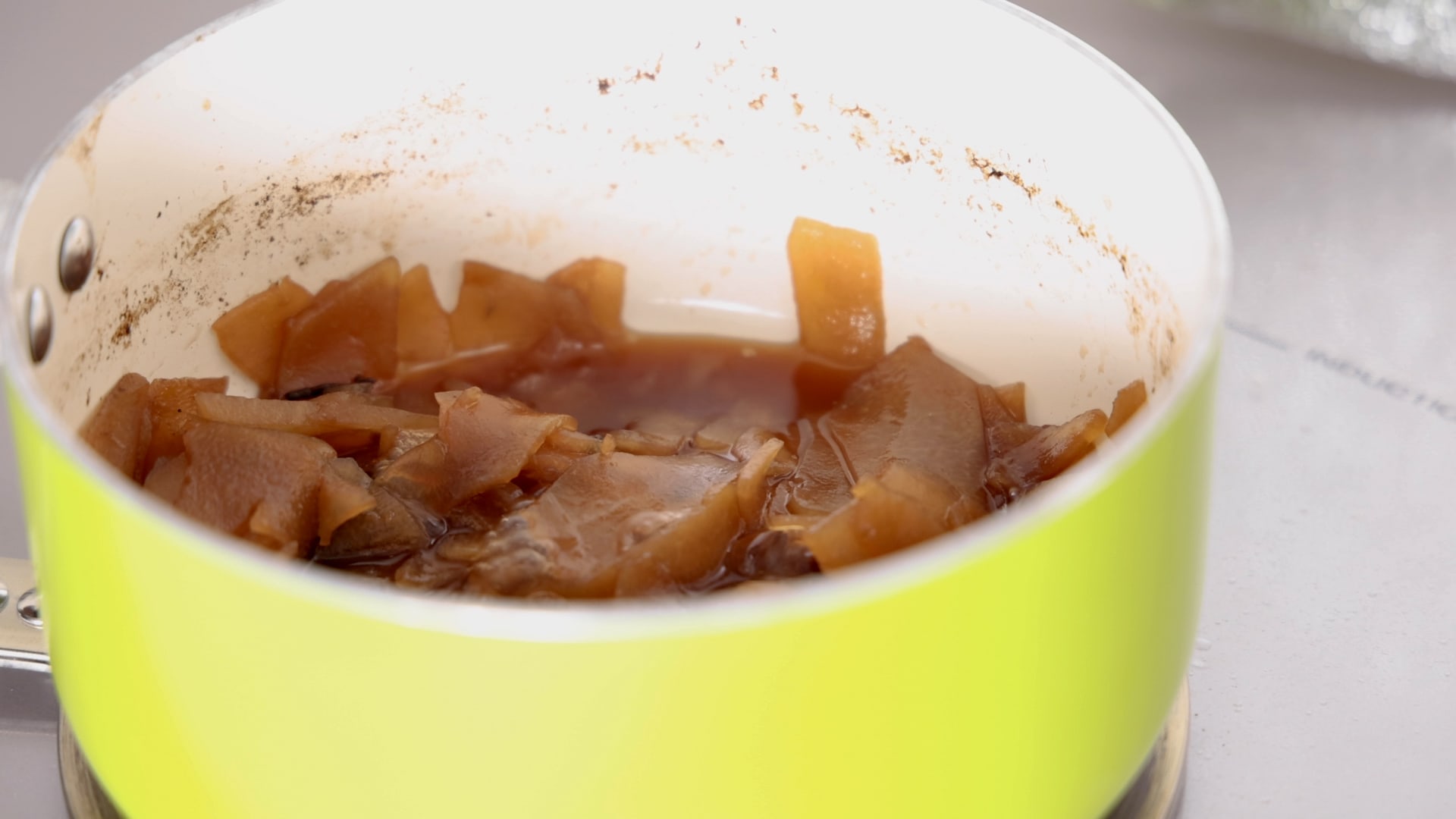
Traditionally served chilled, dulce de tayota functions primarily as a refreshing dessert option during warmer months, though it remains a year-round fixture in traditional Dominican meal planning. Culinary experts recommend allowing the cooked dessert to cool completely before transferring it to refrigeration, a process that enables the spiced syrup to thicken further and deeply penetrate the cellular matrix of the chayote pieces.
Properly stored in airtight containers under refrigeration, the candied vegetable preserves well for several days, with the flavor profile often deepening as the spices continue to steep within the syrup. This characteristic makes the dish practical for home cooks who prefer to prepare components of a meal in advance.
Broader Economic and Culinary Implications
The enduring popularity of dishes like dulce de tayota reflects a broader contemporary culinary trend toward resourcefulness, waste reduction, and the reevaluation of underutilized agricultural produce. As global food systems face increased scrutiny regarding sustainability and ingredient versatility, traditional recipes that successfully repurpose neutral-flavored vegetables into complex, flavorful dishes offer valuable lessons for modern gastronomy.
Furthermore, the digital documentation and sharing of heritage recipes by cultural culinary platforms have broadened the global visibility of Dominican sweets. By introducing traditional preparations to international audiences through digital video content, step-by-step guides, and adapted low-carbohydrate variations, cultural authorities and food historians ensure that indigenous ingredients like the tayota continue to find relevance in evolving global kitchens. Through this continuous adaptation, a vegetable once affectionately characterized by its mild flavor profile maintains its vital role as a versatile cornerstone of Caribbean culinary heritage.