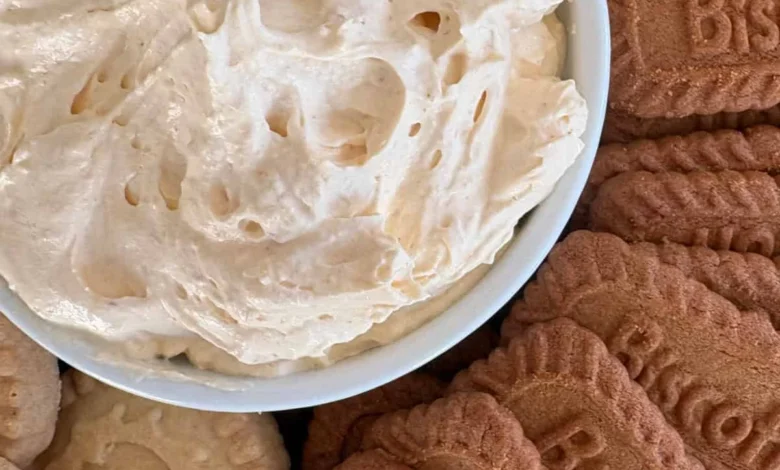
The autumn season brings a distinct shift in culinary preferences, marked by a surge in demand for seasonal flavors that emphasize comfort, nostalgia, and festive gatherings. Among these, the pumpkin-flavored dessert category has seen a consistent year-over-year growth in consumer interest during the final quarter. The emergence of the Pumpkin Cheesecake Dip—a five-ingredient, no-bake culinary innovation—serves as a case study in the modern shift toward simplified, time-efficient hosting solutions for home entertainers. By utilizing a minimalist ingredient profile, this dish addresses the needs of consumers seeking high-impact, low-effort centerpieces for events ranging from Halloween celebrations to Thanksgiving gatherings.

Origins and Culinary Evolution
The conceptual framework for the Pumpkin Cheesecake Dip traces its roots to the growing popularity of "celebration boards," a trend popularized by culinary experts such as Maegan Brown. These boards, characterized by their visual appeal and communal consumption format, have transitioned from traditional charcuterie to include dessert-focused arrangements. The transition from a classic, labor-intensive cheesecake to a dip-based format represents a broader movement in the food industry toward "deconstructed" desserts.
Historically, the preparation of a traditional cheesecake requires precise temperature control, water baths, and significant cooling times, often spanning 24 hours. The development of the no-bake dip variation effectively bypasses these technical barriers, allowing for preparation in approximately 15 minutes. This efficiency has made it a preferred choice for amateur home cooks and professional event planners alike, who prioritize both aesthetic presentation and logistical convenience.

Ingredient Composition and Nutritional Profile
The structural integrity of this dip relies on five primary components: cream cheese, powdered sugar, vanilla extract, pumpkin puree, and a whipped topping substitute. The chemical interaction between the fat content in the cream cheese and the aeration provided by the whipped topping results in a light, stable mousse-like consistency.
From a nutritional standpoint, the dip offers a calorie-conscious alternative to traditional pastry-based desserts. A single serving (approximately 2.5 cups total yield divided by ten servings) contains roughly 122 calories. The macronutrient breakdown includes 8 grams of fat, 10 grams of carbohydrates, and 2 grams of protein per serving. While the recipe is not intended to be a health-focused dietary staple, it provides a controlled portion size that integrates well into social settings where multiple dessert options are typically available. The inclusion of pumpkin puree also provides a modest increase in Vitamin A content compared to traditional dairy-based dips.

Logistical Preparation and Storage Standards
The preparation process is categorized by its simplicity and lack of heat application, which significantly reduces the risk of kitchen-related hazards during the busy holiday season.
- Base Emulsification: The process begins with the mechanical blending of softened cream cheese, powdered sugar, and vanilla. This stage is critical for achieving a uniform, lump-free texture.
- Pumpkin Incorporation: The integration of 3 to 4 tablespoons of pumpkin puree requires careful folding or low-speed mixing to prevent the breaking of the emulsion.
- Aeration: The final addition of a thawed whipped topping introduces the necessary volume and lightness, transforming the dense mixture into a dip.
- Thermal Stabilization: A mandatory cooling period in a refrigerated environment ensures that the fats in the cream cheese firm up, allowing for an optimal viscosity that adheres to dipping implements.
Food safety protocols dictate that this dairy-based product should not remain at ambient room temperatures for longer than two hours. To maintain quality, it is advised that the dip be stored in an airtight container at temperatures between 35°F and 40°F. Under these conditions, the product maintains its structural and flavor profile for three to four days.

Market Context: The "Board" Trend
The rise of the "dessert board" as a social phenomenon has significantly influenced how this dish is consumed. Unlike traditional dessert plating, which individualizes the serving, the board format encourages interaction and social engagement. By placing the Pumpkin Cheesecake Dip in a central vessel surrounded by varied textures—such as crunchy ginger snaps, soft vanilla wafers, and salty pretzels—the host creates a multi-sensory experience.
Industry analysts note that this approach to dessert service aligns with a post-pandemic shift toward communal dining and shared experiences. The versatility of the dip allows hosts to customize the accompaniments based on dietary requirements or regional preferences, further cementing its place in the modern holiday repertoire.

Comparative Analysis: Pumpkin Puree vs. Pie Filling
A recurring point of confusion for home cooks is the distinction between canned pumpkin puree and pumpkin pie filling. Data from culinary test kitchens consistently indicate that pumpkin pie filling contains added sugars, spices, and thickeners that interfere with the specific chemical balance of a cheesecake dip. Using pure, unseasoned pumpkin puree allows the creator to control the flavor profile and sweetness level, preventing the final product from becoming overly cloying or inconsistently textured. This distinction is vital for maintaining the intended "cheesecake-forward" flavor profile, which focuses on the tanginess of the cream cheese rather than the aggressive spice profile of traditional pumpkin pie.
Economic and Practical Implications
The economic accessibility of this recipe is a significant factor in its widespread adoption. With only five base ingredients, the cost-per-serving remains low, making it an efficient solution for large-scale event catering. The move away from complex, oven-baked goods also reflects a broader economic reality: as energy costs and the price of baking staples fluctuate, consumers are increasingly seeking "low-utility" recipes that do not require extended use of kitchen appliances.

Furthermore, the ability to prepare the dip 24 hours in advance serves as a strategic advantage for hosts. By reducing the "last-minute" stress associated with holiday hosting, the recipe enables a higher level of hospitality without requiring professional culinary training.
Future Projections for Seasonal Desserts
As the industry moves toward 2026 and beyond, the trend of the "no-bake" dessert shows no signs of waning. Innovations in plant-based whipped toppings and dairy-free cream cheese alternatives are likely to be integrated into this recipe format in the near future. The flexibility of the Pumpkin Cheesecake Dip—specifically its ability to serve as a canvas for various mix-ins such as crushed pecans, white chocolate shavings, or seasonal spices like nutmeg and ginger—ensures its longevity as a staple of autumn entertaining.

In conclusion, the Pumpkin Cheesecake Dip is more than a simple food item; it is a manifestation of contemporary social and culinary values. It emphasizes the importance of time, the appeal of shared food experiences, and the efficacy of simplified ingredient lists. By focusing on fundamental techniques and high-quality, accessible ingredients, the modern home entertainer can achieve professional-grade results that resonate with guests while maintaining the efficiency required for successful event management. As seasonal traditions continue to evolve, the preference for such approachable, high-quality, and aesthetically versatile dishes will likely continue to define the landscape of modern domestic hospitality.